
Holy Mass Marks Jubilee Year and 1 100th Anniversary of the Croatian Kingdom
pon, 07. srpnja 2025. 08:11
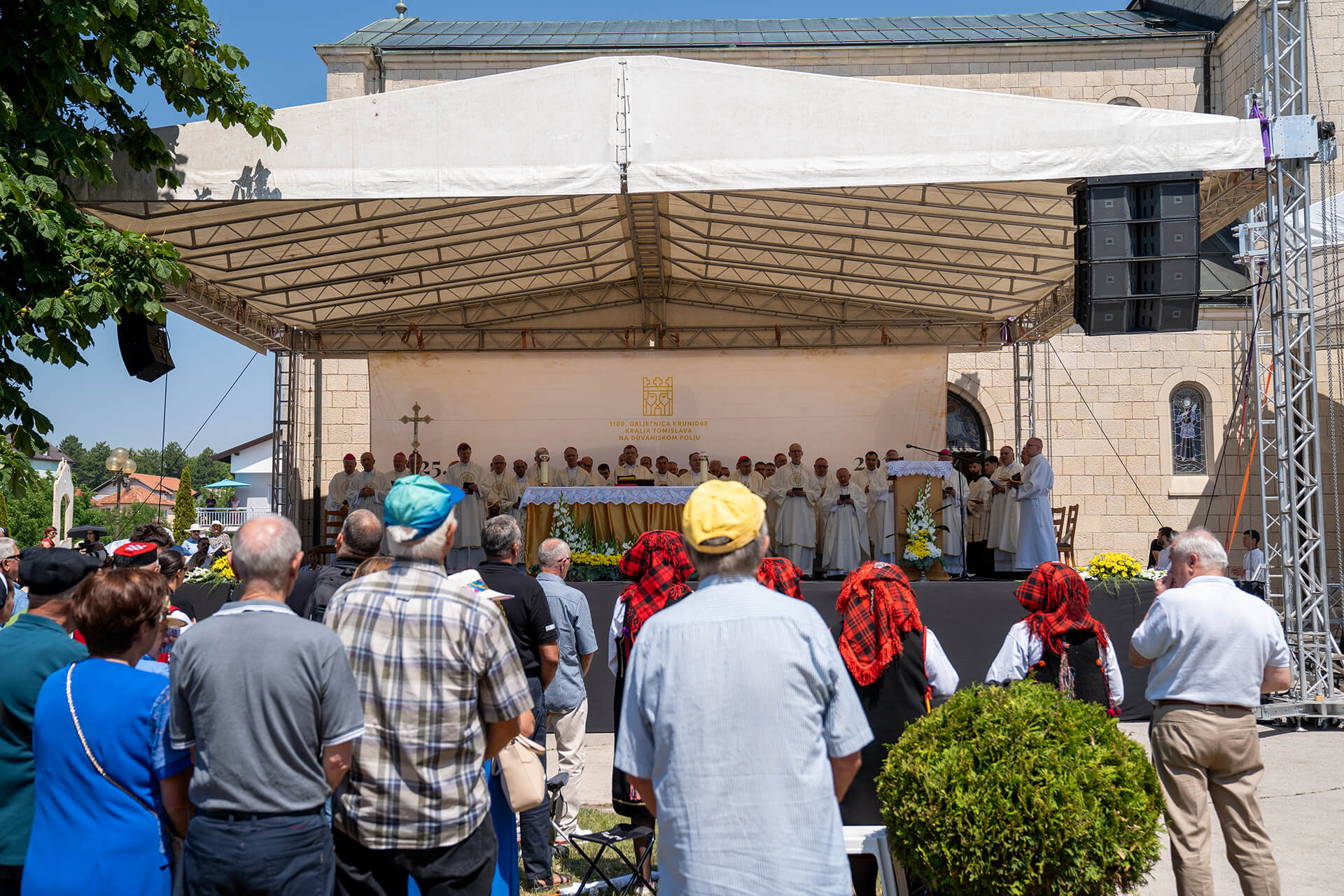
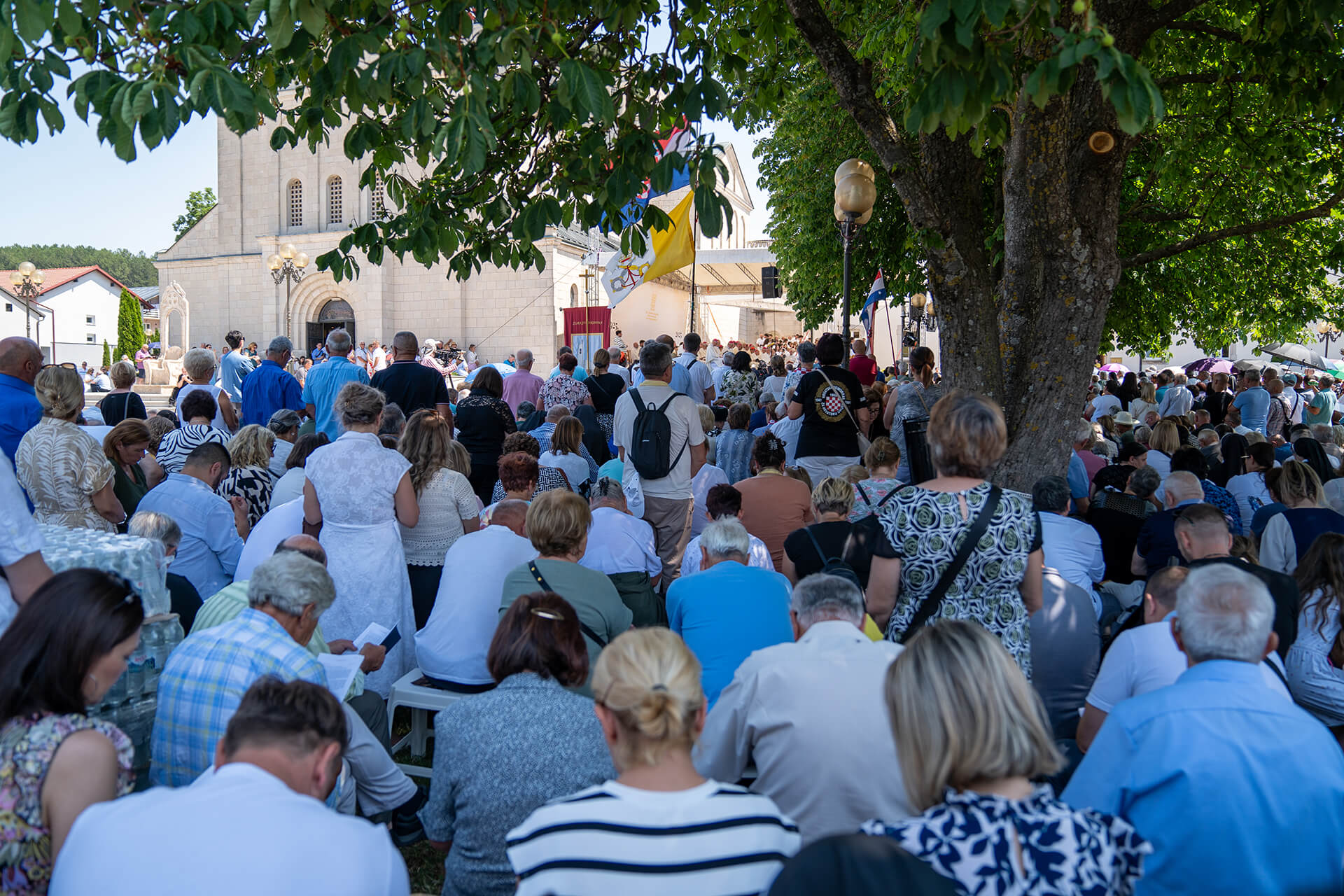
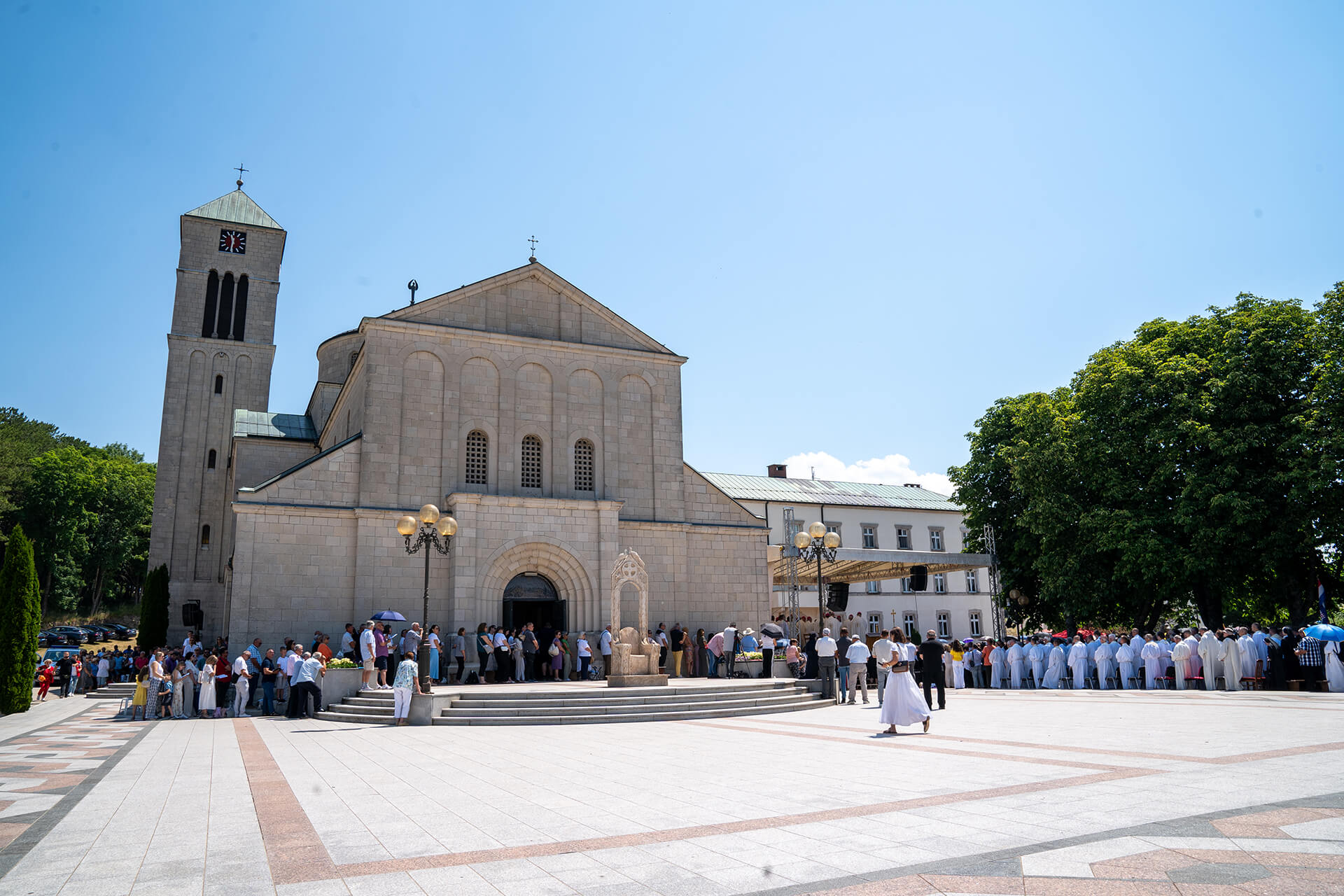
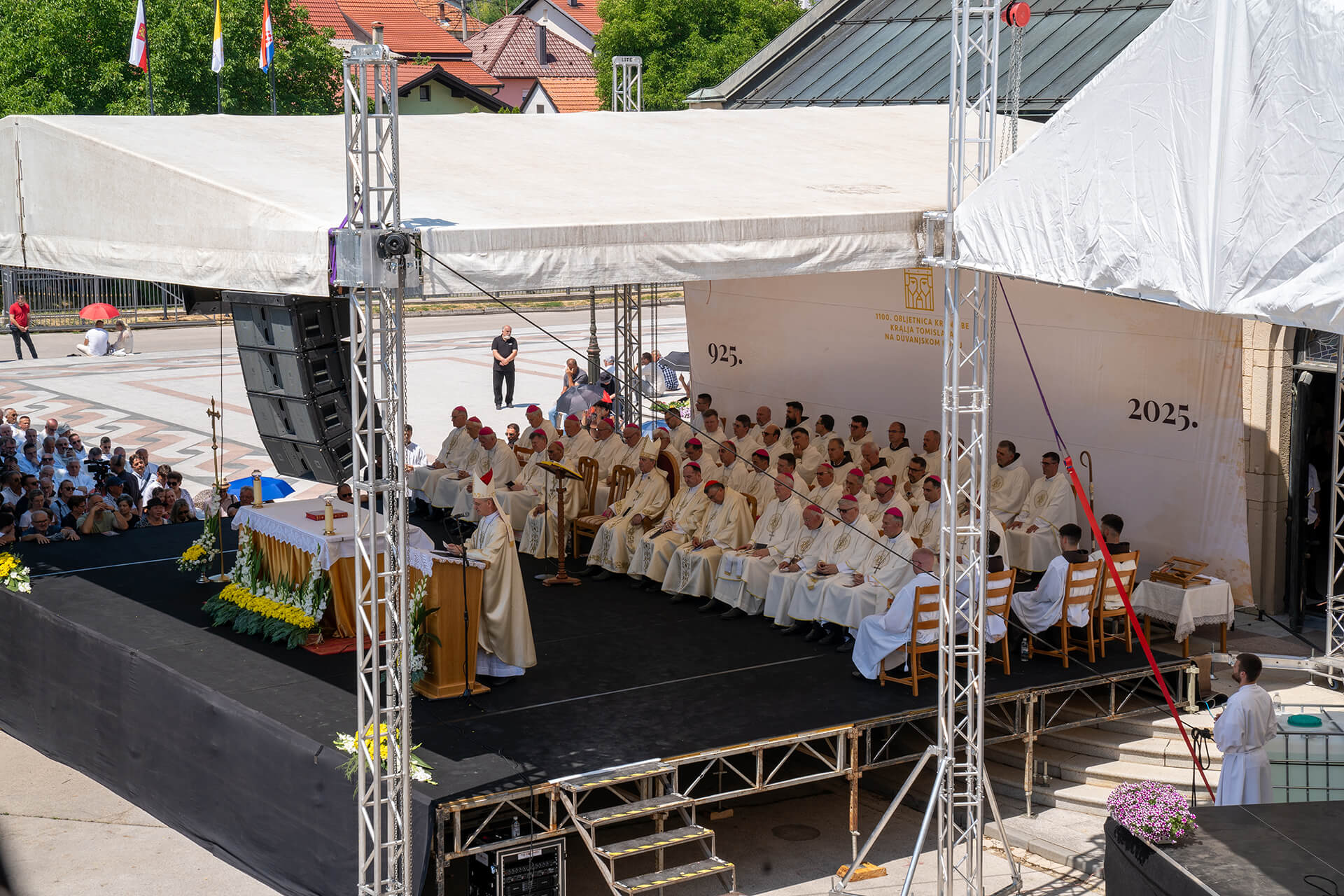
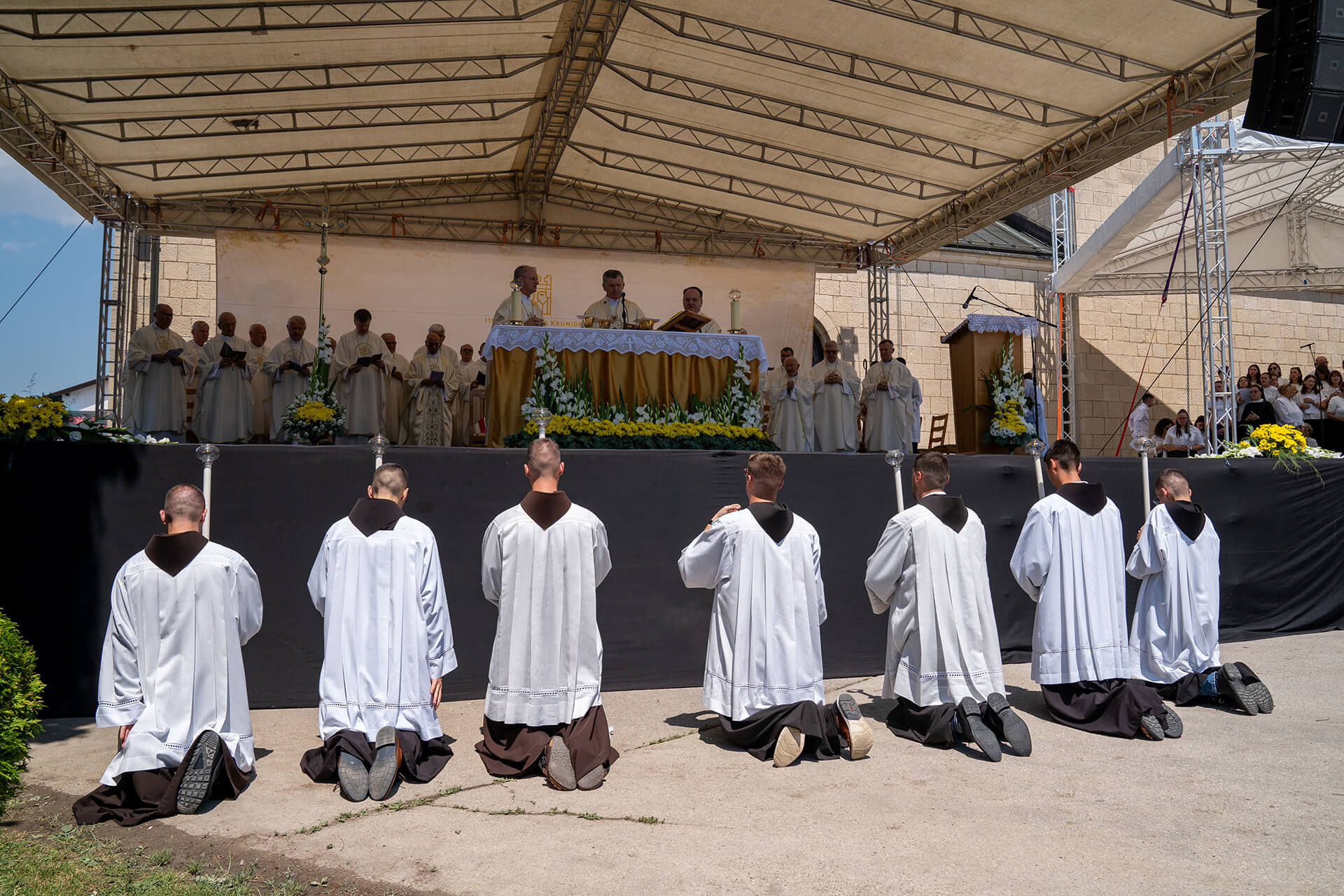
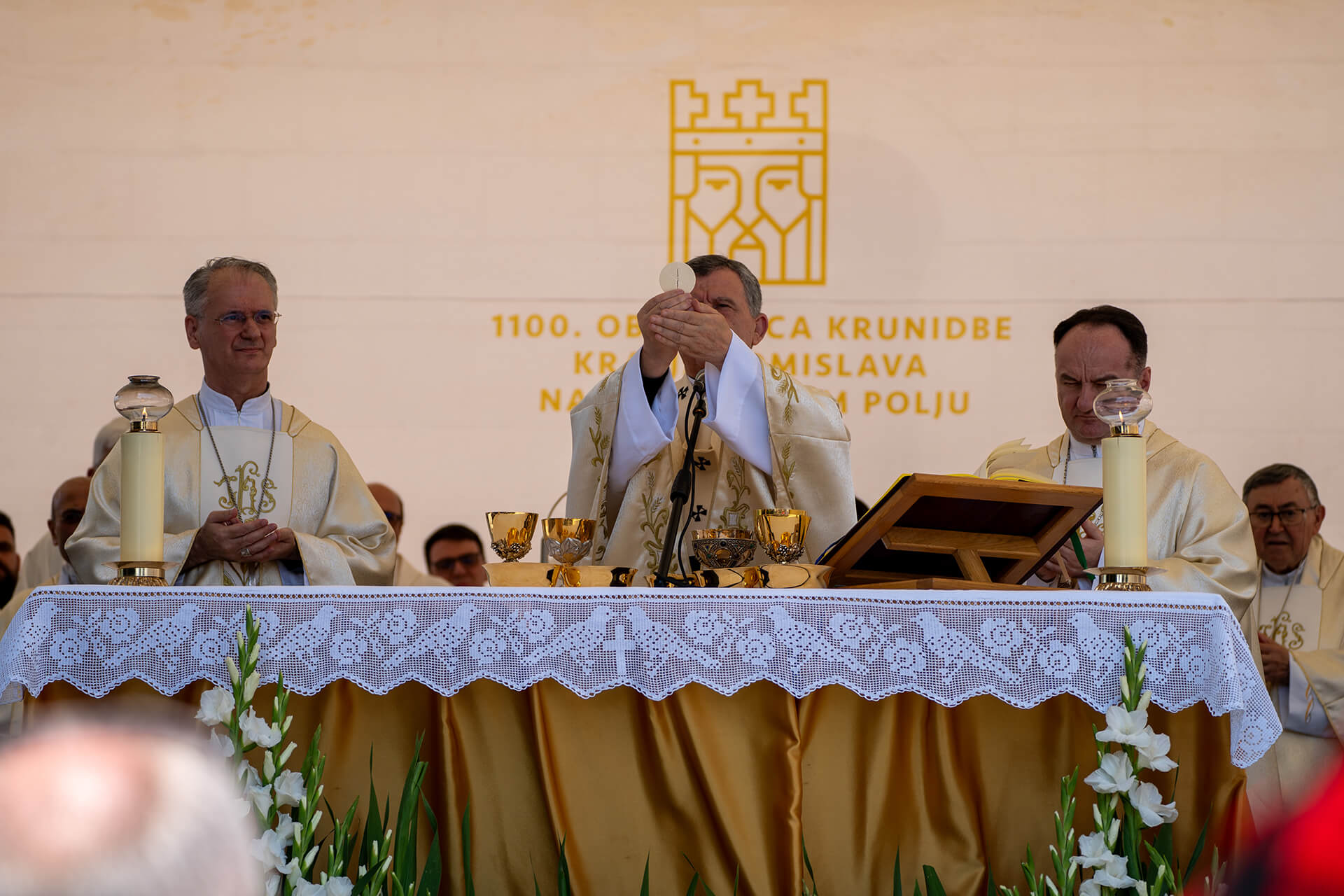
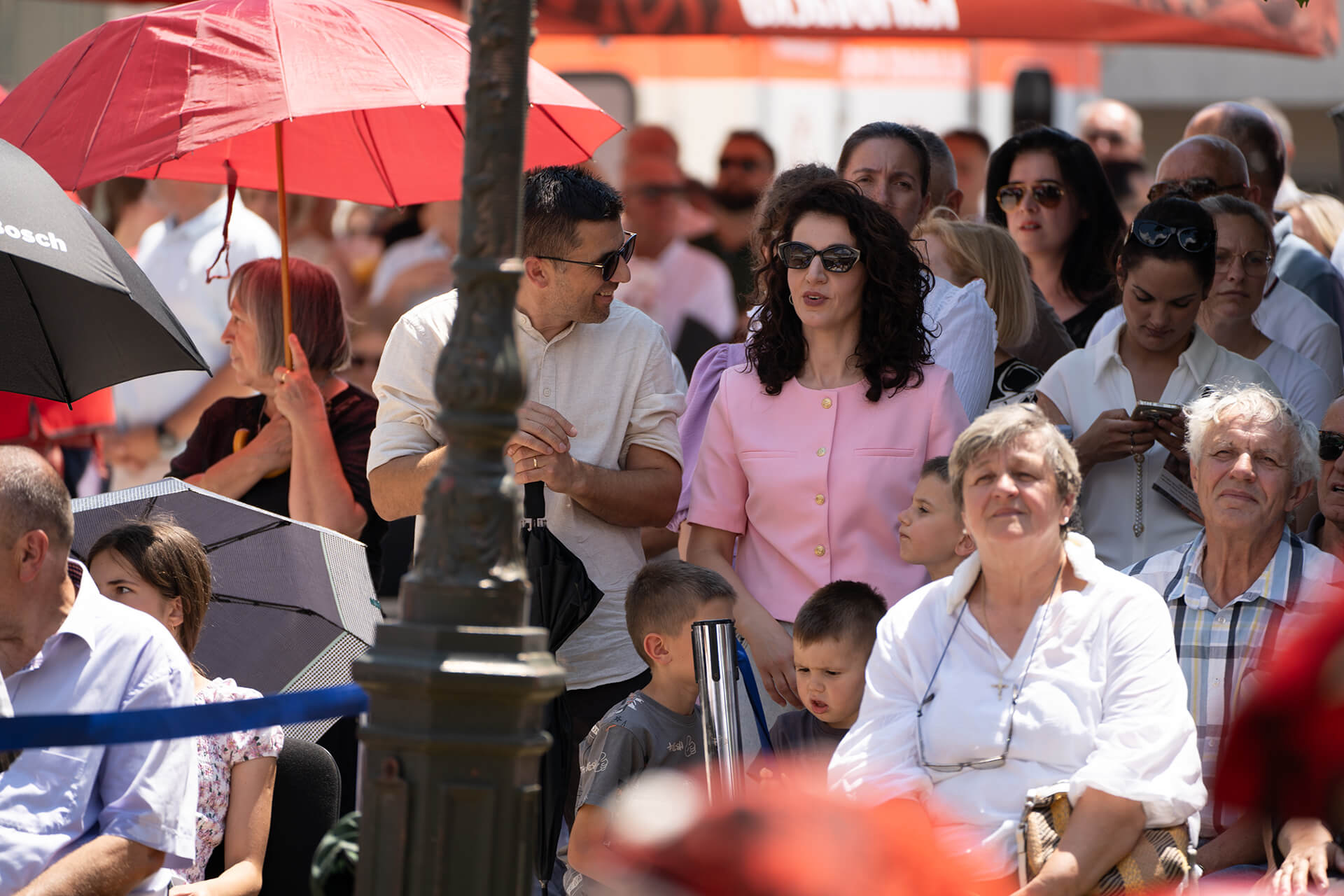
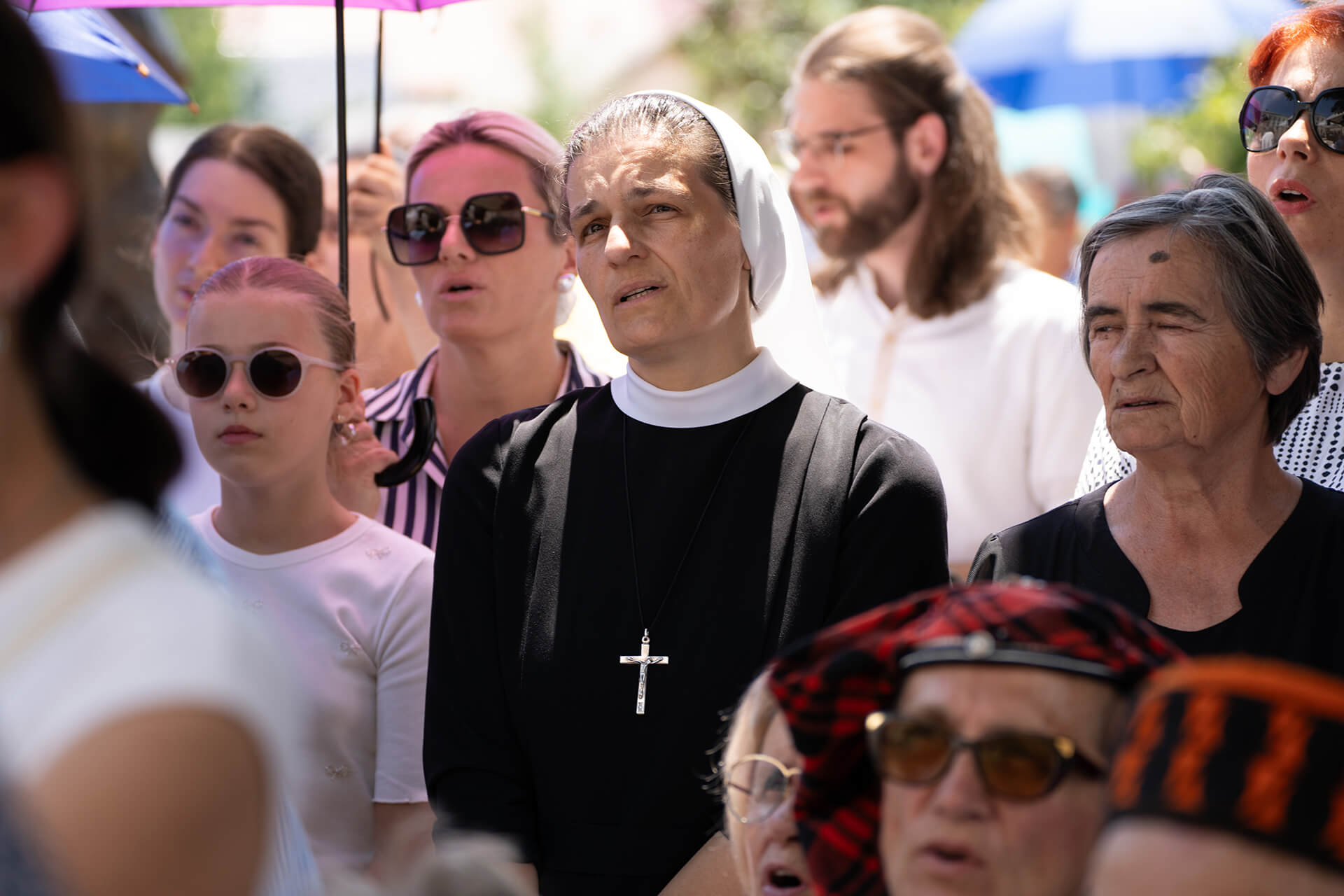
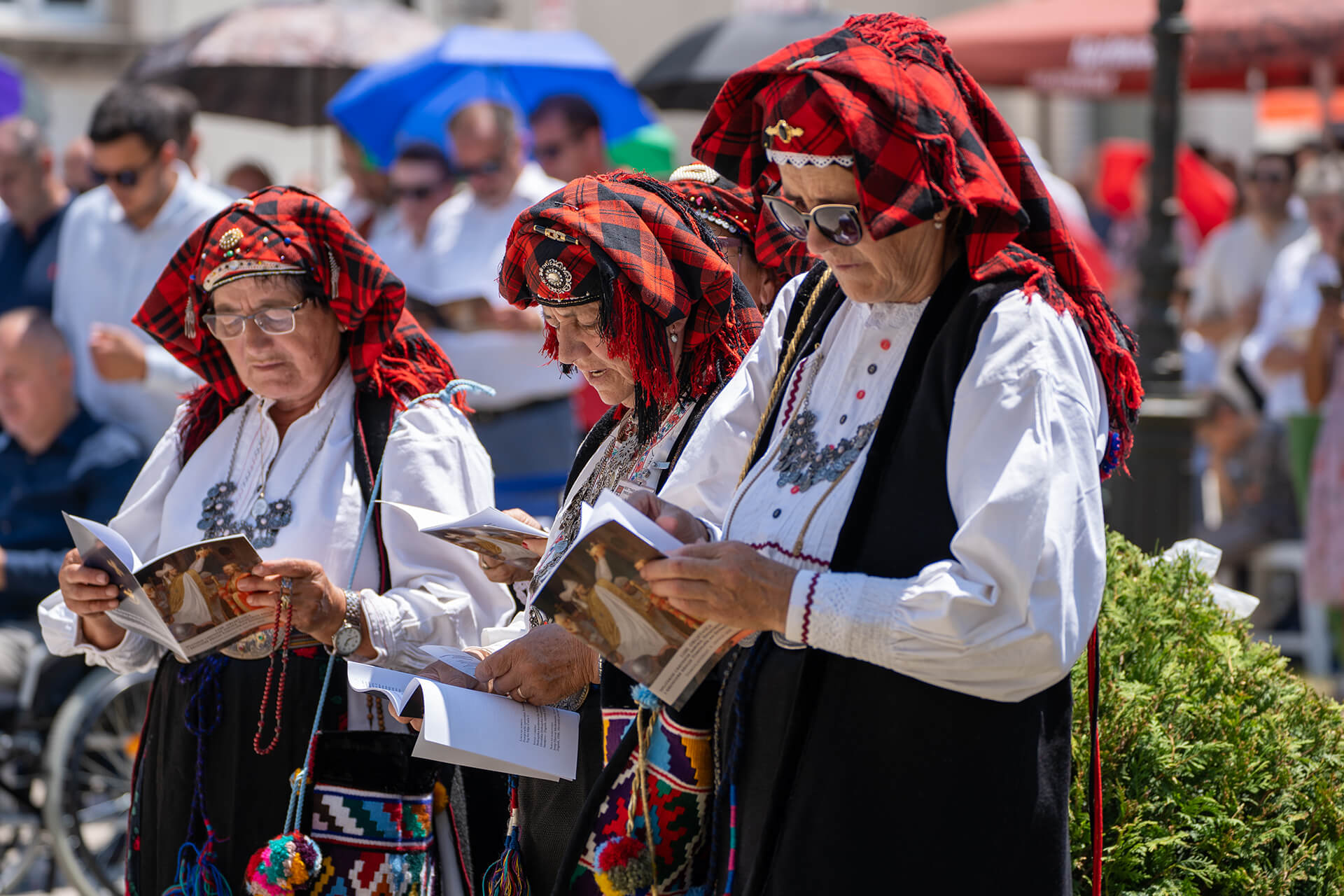
On July 5th, a Eucharistic celebration in front of the parish church of St. Nikola Tavelić in Tomislavgrad marked the Jubilee Year and 1 100th anniversary of the Croatian Kingdom and the historic Split Church Councils.

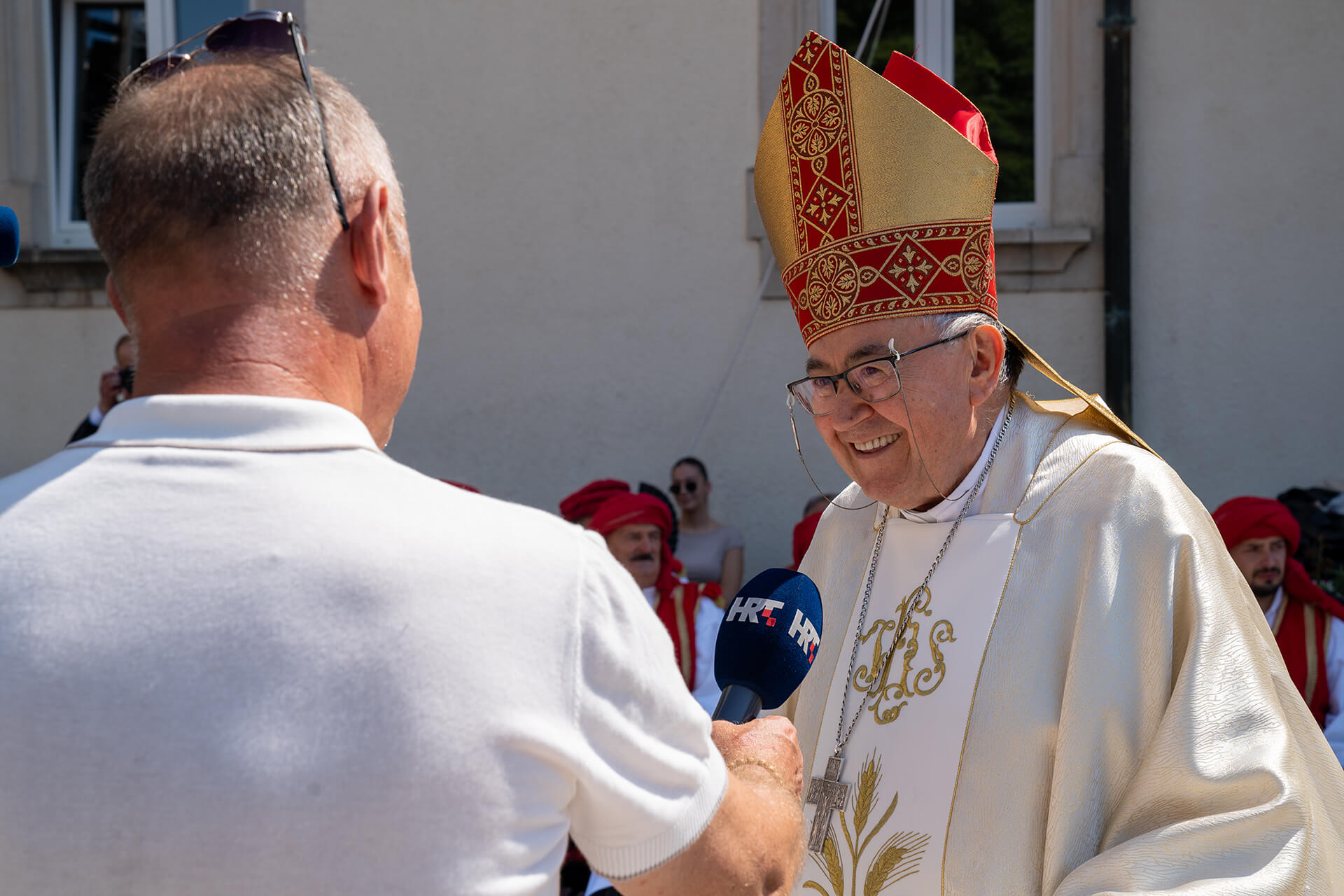
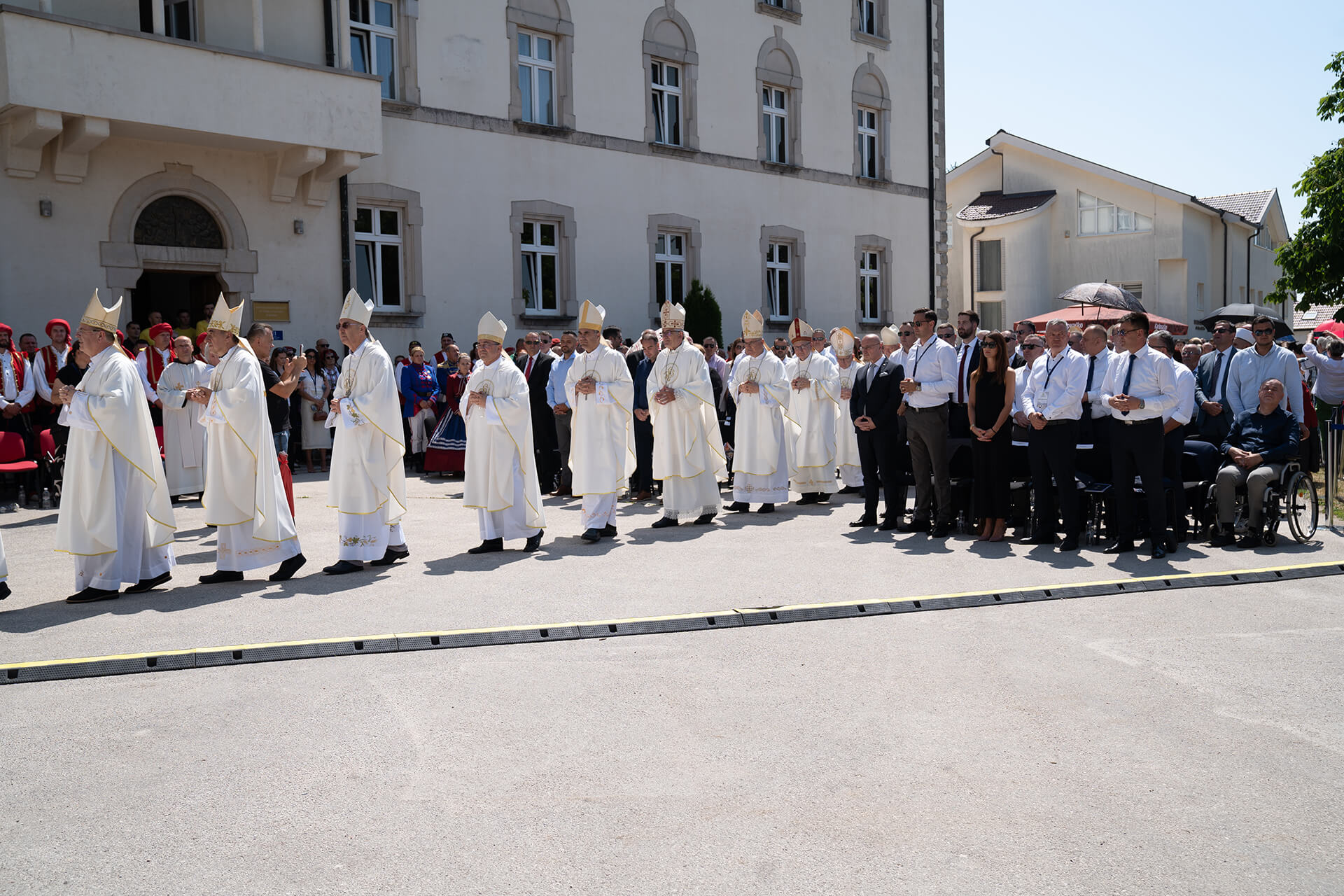
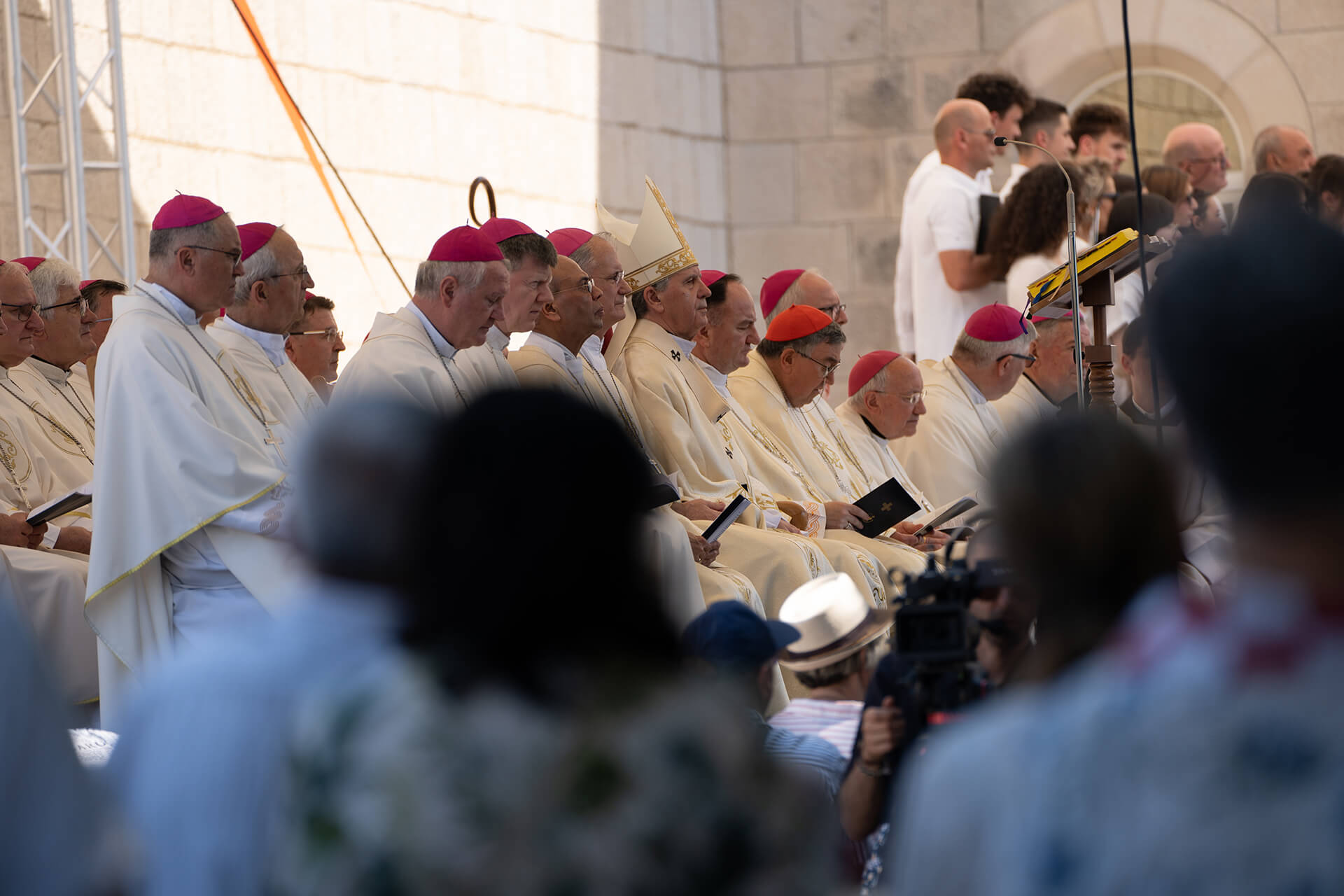
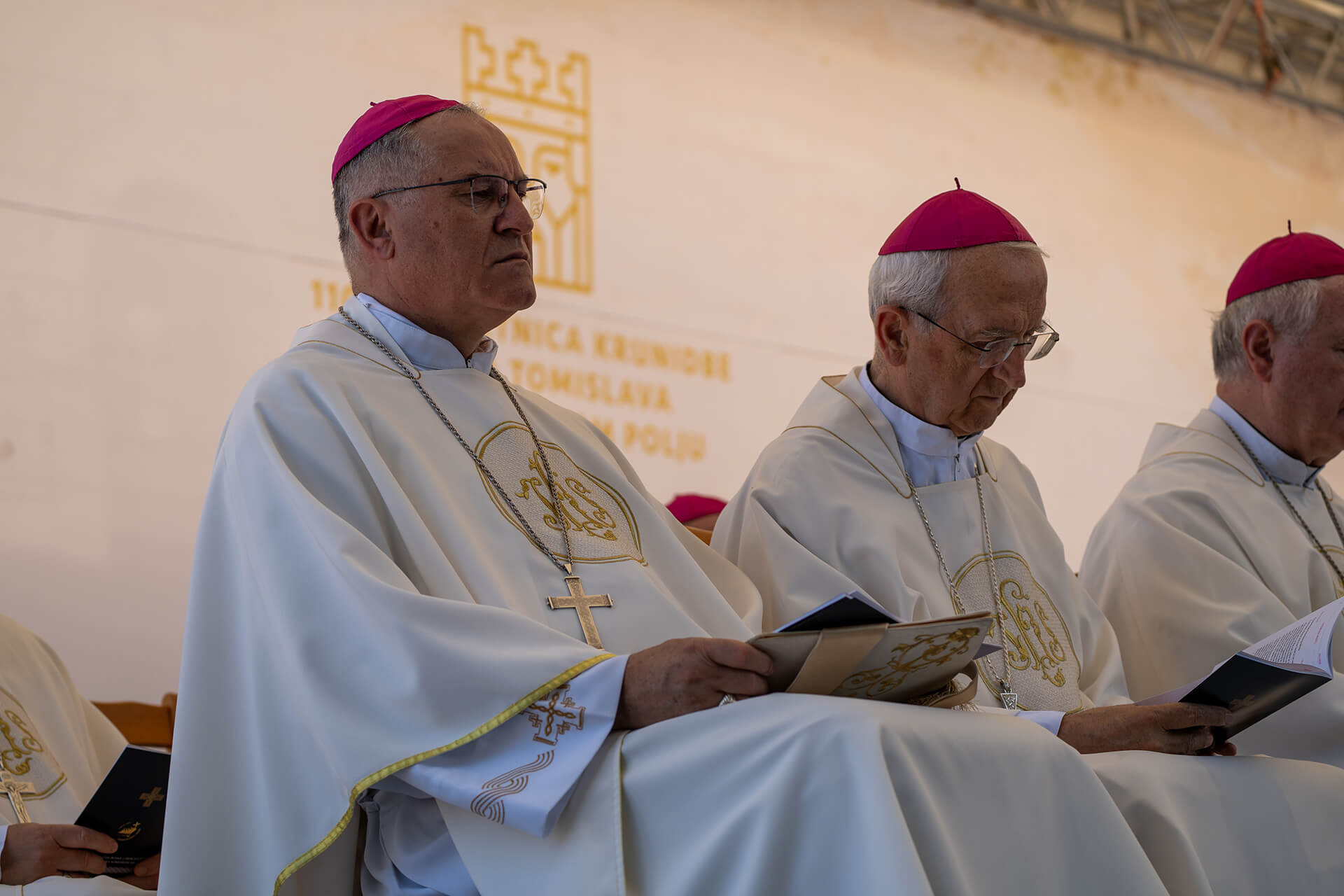
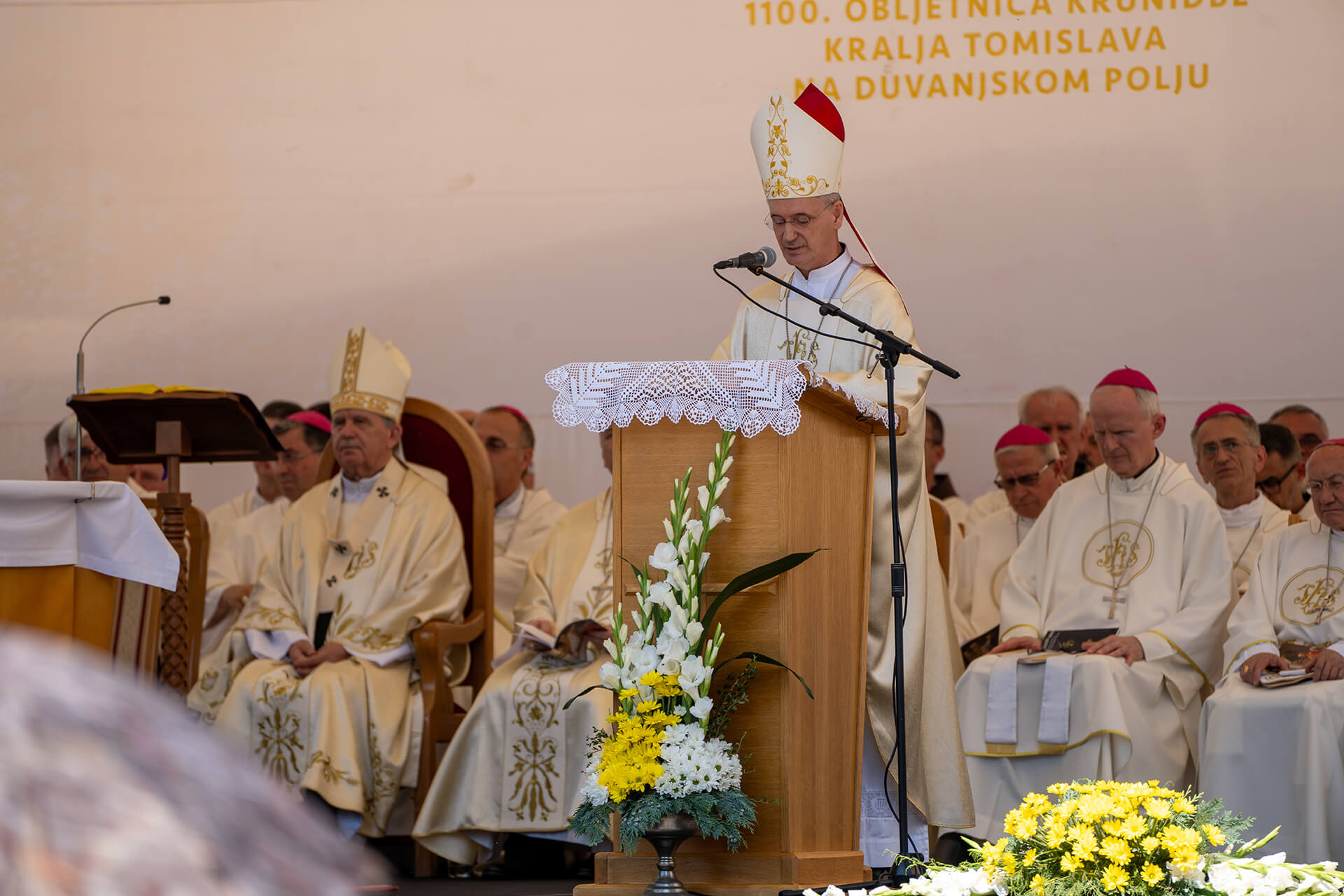
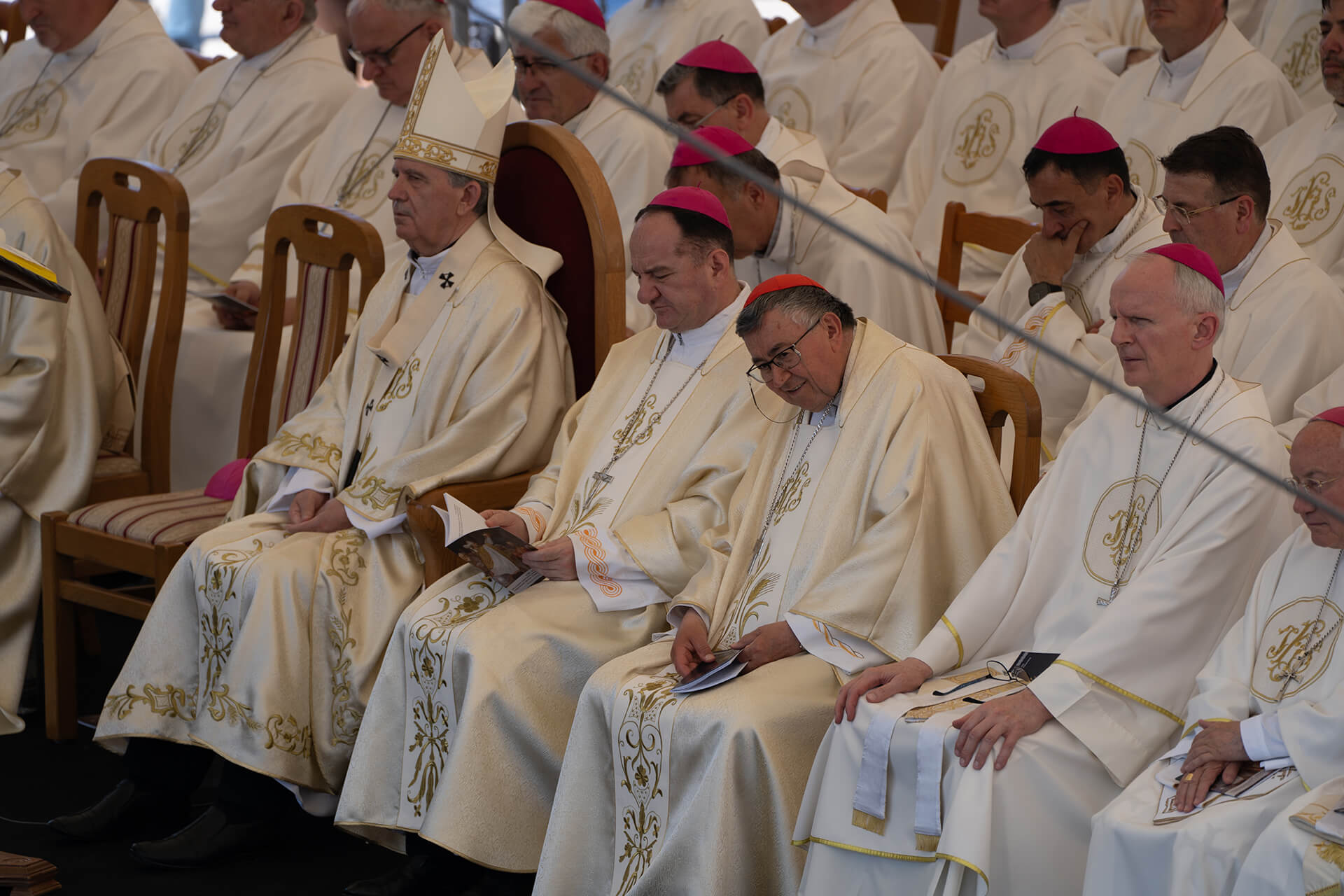
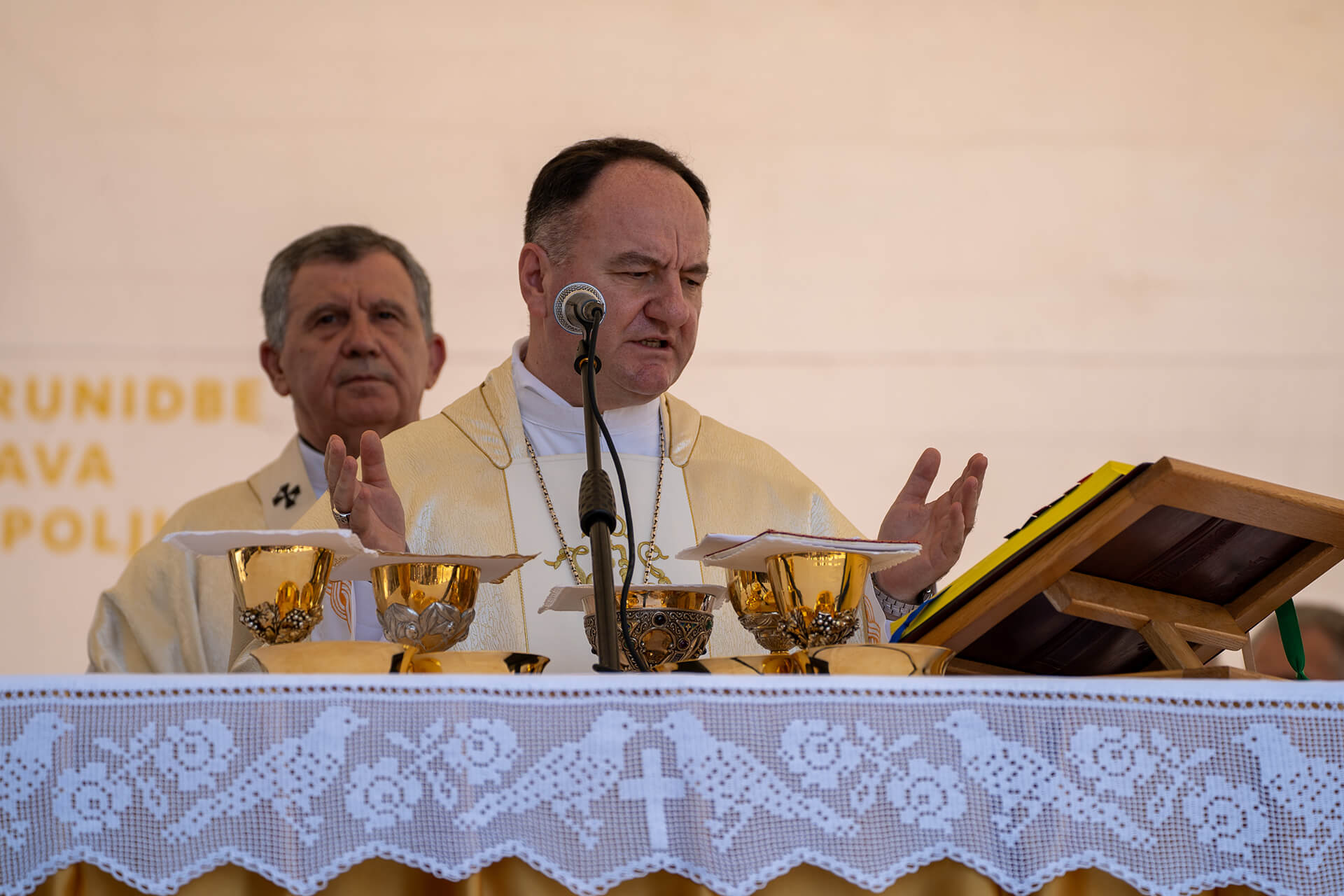
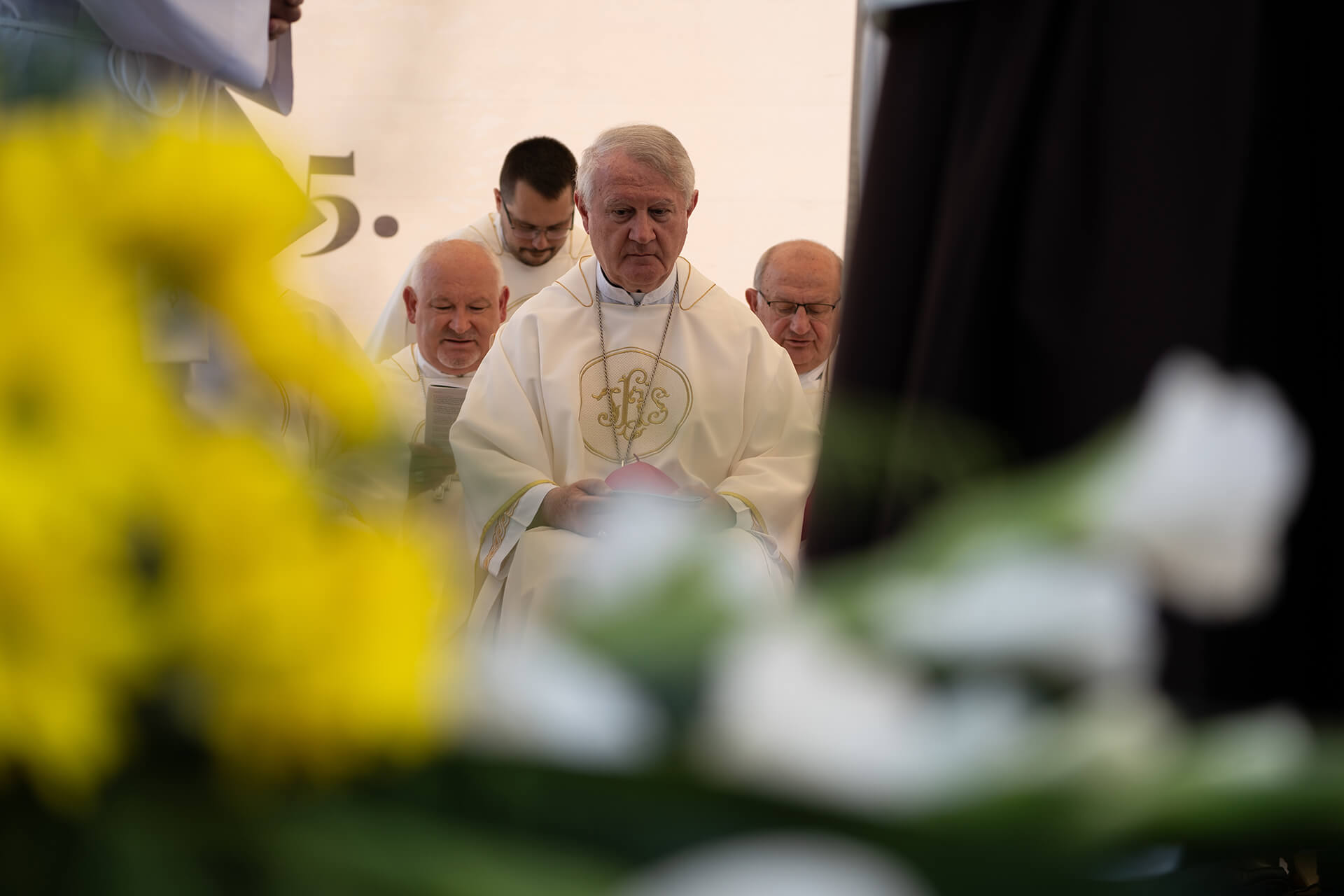
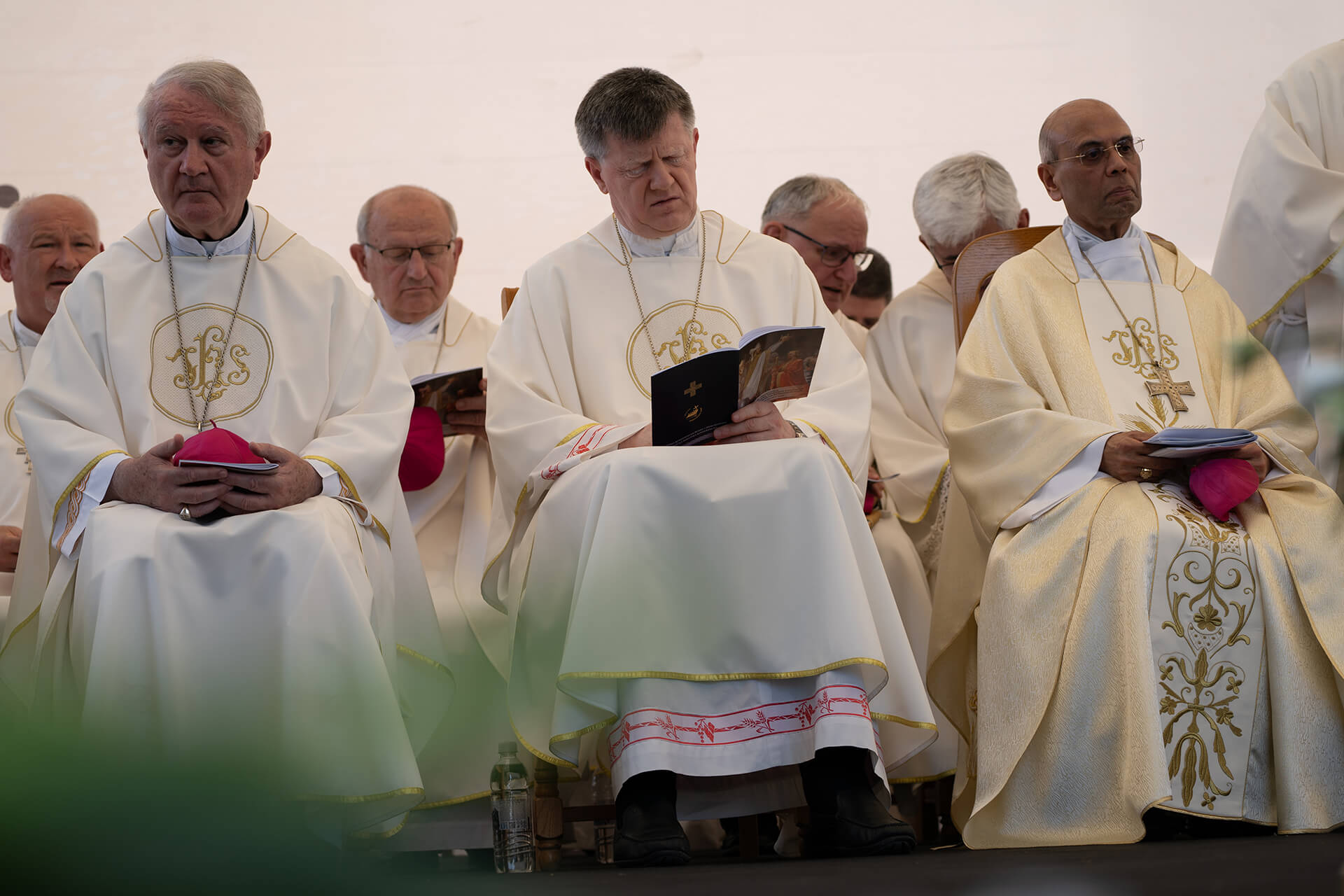
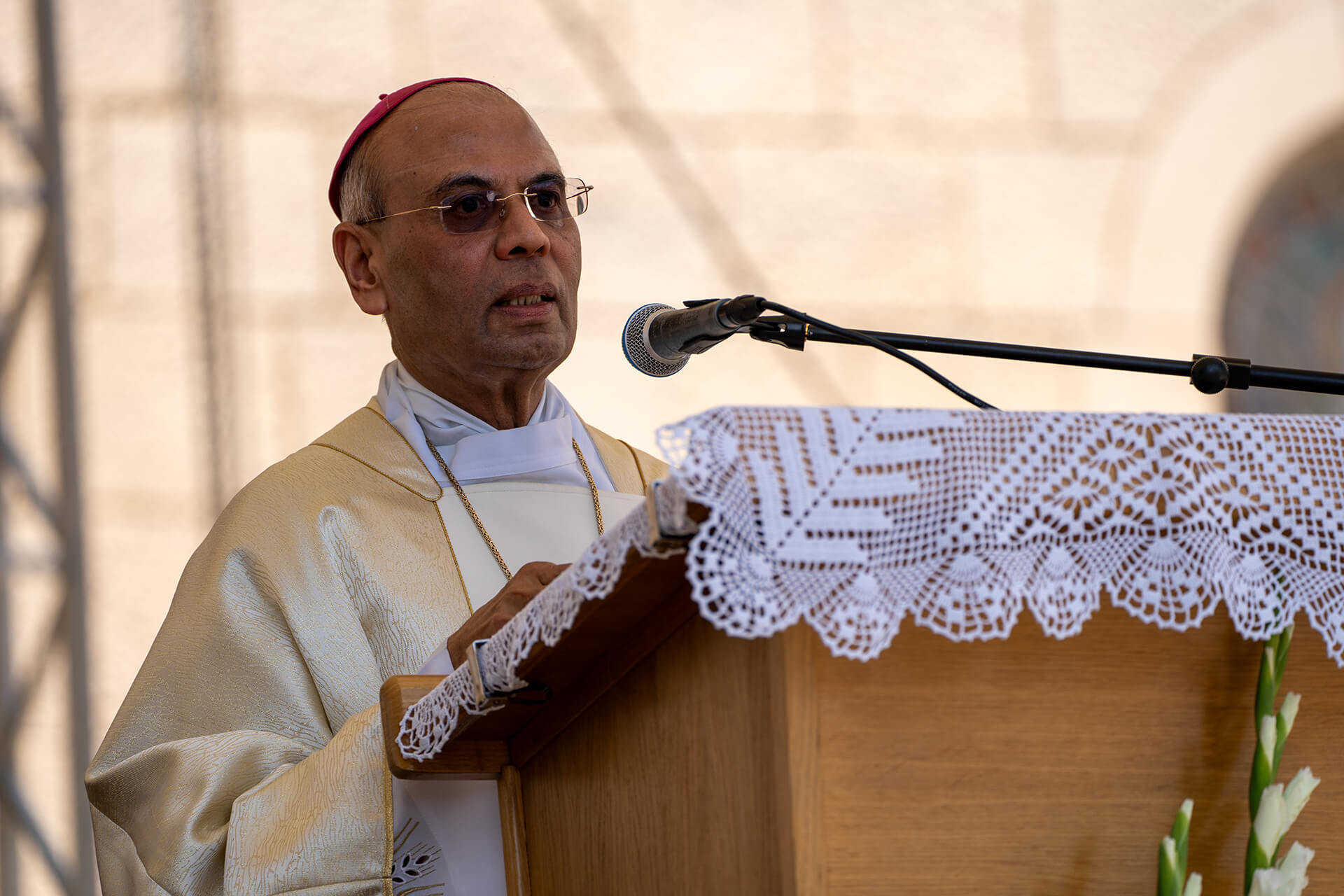
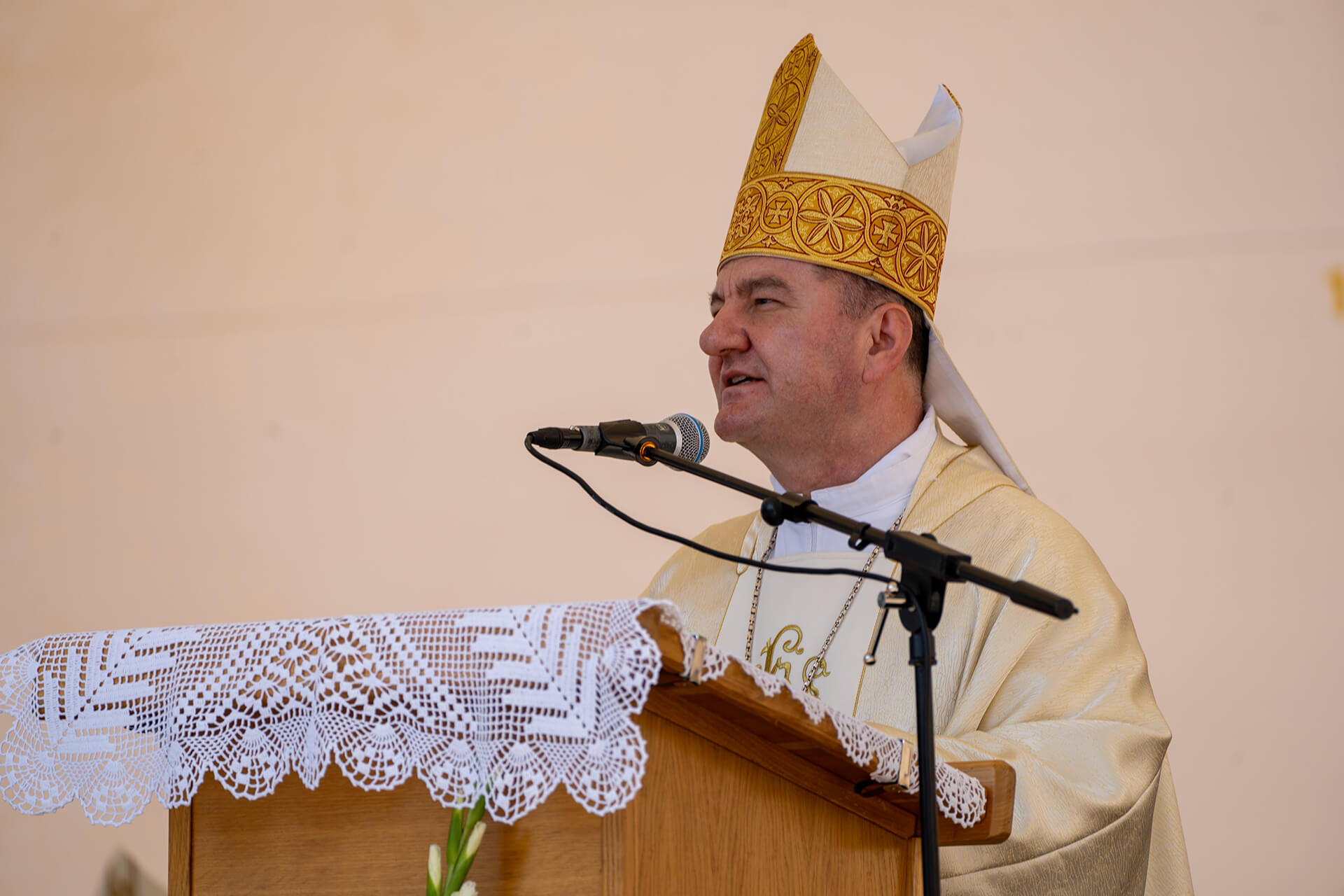
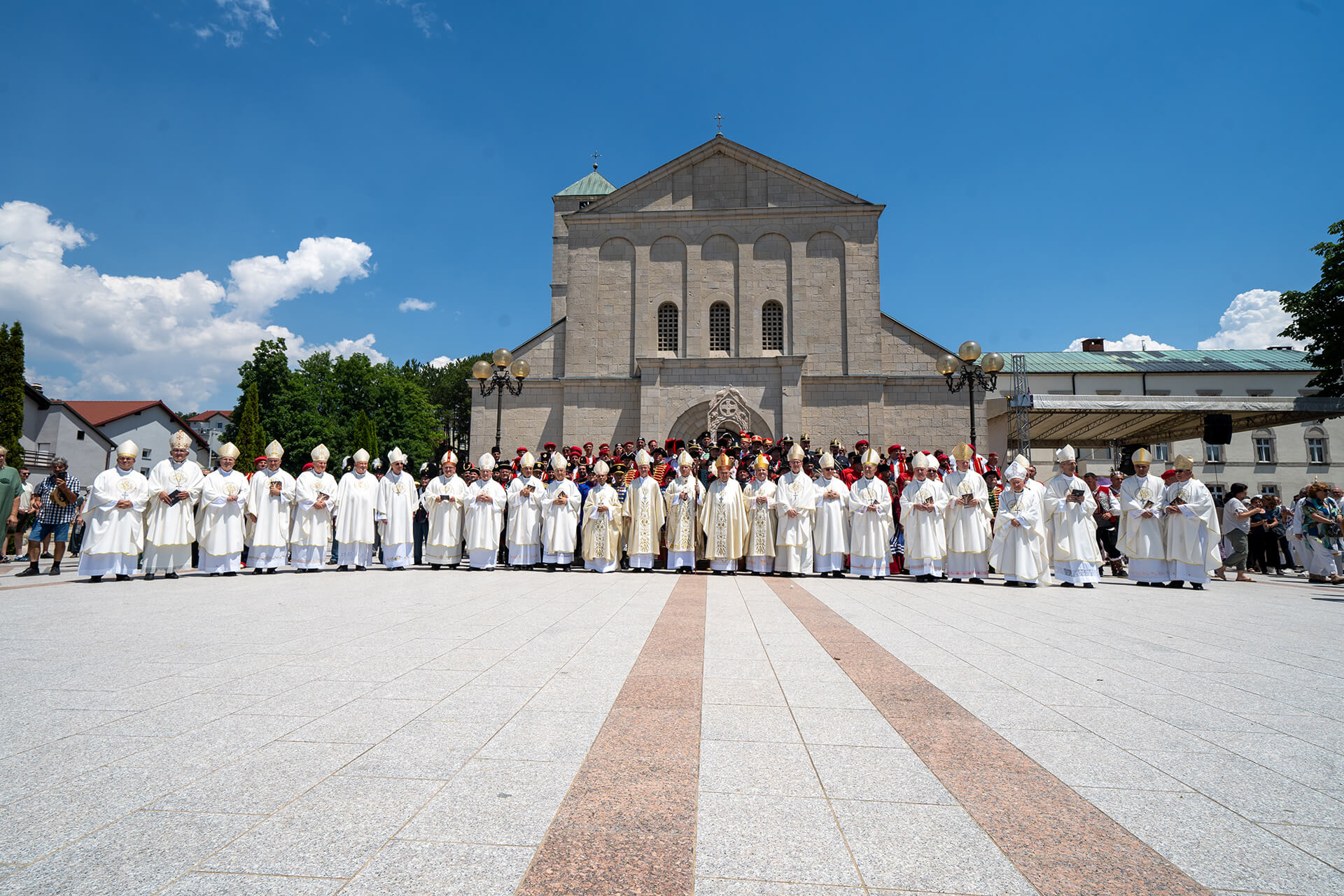
The Eucharistic celebration was led by the Archbishop of Vrhbosna and President of the Bishops' Conference of Bosnia and Herzegovina, Msgr. Tomo Vukšić, in communion with the retired Archbishop of Vrhbosna, Cardinal Vinko Puljić, numerous Croatian bishops, apostolic nuncios and provincials from Bosnia and Herzegovina and numerous priests. The sermon was delivered by the Archbishop of Zagreb and President of the Croatian Bishops' Conference, Msgr. Dražen Kutleša.
At the beginning of the Holy Mass, Archbishop Vukšić, in his welcoming address, emphasized that we are in the midst of the grateful celebrations of the Jubilee Year 2025 since the birth of the Saviour of the world, Christ the Lord, and as today's descendants of our glorious ancestors of the Croatian people, we also remember with gratitude and pride this same year their wise and courageous decisions by which, after arriving in these areas, they chose faith in Jesus Christ and, as members of the Catholic Church, organized their church and social life.
A golden opportunity to remember the glorious century
"In order to establish and implement the best possible church organization in the regions whose centre was Salona, and in accordance with the already established church tradition of convening provincial councils to resolve open issues in a specific area, in the year 925, with the blessing of Pope John X, the first Split church council was convened. In the same year, also in order to convene the council and regulate church issues in the Croatian regions, Pope John X wrote a letter, as he says in the first sentence, to his beloved son Tomislav, king of the Croats, and Mihajlo, excellent prince of Hum, the venerable John, archbishop of the church of Salona, to all subject bishops, all prefects and all priests and the entire people who resided in Slavonia and Dalmatia, his beloved sons", said Archbishop Tomo, recalling that in the same year, when the Pope's letter was written, the first Split council was held, and at it, in addition to the bishops, both of the aforementioned leaders, the king and the prince, also participated.

"It was exactly 1 100 years ago and that is the reason for our today's Croatian national and church Catholic gathering for a grateful Eucharistic celebration in Tomislav Grad. Therefore, this is a golden opportunity to remember that glorious century of the Croatian people, but also a time for a prayer of thanks for the deserving persons from the church and social life of the people and the Church of that time", encouraged the Archbishop of Vrhbosna and especially thanked Bishop Petar, Father Guardian and all their associates for the effort invested in preparing this Holy Mass celebration, as well as the civil authorities and numerous cultural and scientific workers, here and in Croatia, because with their participation and contributions they greatly helped to mark and celebrate this important anniversary of the Croatian people and our two episcopal conferences during this year in a dignified manner.
After the Liturgy of the Word and the Gospel reading, in a homily entitled Preserving Rootedness (Deut 6:4-13, Heb 13:7–8.15–16, Mt 5:13-16), Archbishop Kutleša reminded the faithful that today we stand in a holy place, next to the memorial church that the Croatian people decided to build on the occasion of the 1 000th anniversary of the coronation of King Tomislav as a visible sign and lasting pledge of hope for their future.
What remains is (only) what we are deeply rooted in
"That act was not merely symbolic or protocol; it was a spiritual act of remembrance, a reminder of the Croatian people's roots in the Christian faith that is the heart of culture, in the heritage that has shaped us over the centuries. It was a memorial act of a people who decided to entrust their future to God and the Church; a people who then, as we do today, consciously chose to live not only in earthly freedom, but in the light of God's truth that liberates and gives meaning to everything", he said, emphasizing that our roots in the Christian heritage that was manifested in patriotism, language, cultural creativity, and statehood have been fiercely attacked throughout our Croatian history.
"This solemn Eucharistic celebration is both a thanksgiving and an obligation: we thank God for the history of grace, but at the same time we ask ourselves what our responsibility is today. This anniversary is also an act of patriotism, and patriotism is not a mere emotion or a political slogan. Patriotism is an ex
Speaking further about rootedness, Msgr. Kutleša emphasized that it was also strongly manifested through the sacrifices of the defenders in the Homeland War, who did not stand up in defence of ideology, but in defence of faith, homeland, home, language and the future of their own people. "In them, the theology of rootedness was once again demonstrated - the truth that loving God, family, people and homeland is not a political act, but a sacred obligation. It is a love that builds, not destroys; that blesses, not excludes", he encouraged.
The Archbishop explained how patriotism was eradicated by attempts to rewrite historical facts, and the right to one's own homeland by the physical eradication of peoples: from the seizure of land, forced migrations and political imprisonment to the victims of the Homeland War.
The goal was - to rip out the roots of Croatian people
"Indeed, from the Ottoman conquests to the aggressors of the Homeland War; from the communist dictatorship to modern indoctrination - the goal was always the same: to rip out the roots and soul of the Croatian people. To prevent memory. To ban sacred places. But we did not give up. We survived because we knew what we were rooted in. We resisted these attempts primarily with the blood of martyrs: starting with the first martyr in our region, Saint Venantius, then Nikola Tavelić, the Drina Martyrs, Blessed Miroslav Bulešić and Blessed Alojzije Stepinac. They are a sign that Christ is not betrayed or sold, even when in pain, or when death threatens, and that faith cannot be silenced where the heart burns for the Truth", said Msgr. Kutleša and warned that even today we are exposed to new attempts at eradication, which are often cloaked in the garb of new human and "advanced" rights in the background of which are new ideologies, such as gender and related ones.

"They do not take lives on the battlefield, but in the mother's womb. Eradicating ideologies also permeate the laws that regulate the economy and the labour market, the family and the school system. We see their fruits in the departure of young people, ubiquitous corruption, moral numbness and disunity. Eradicating today's globalization offers man the world, but takes away a healthy family. It gives him information, but takes away wisdom. It opens borders, but closes the heart. Globalization wants a people without memory, a Church without prophecy and under control, a family without holiness and children, it wants control over everyone and everything. Eradication becomes the new norm. Everything is relative. Everything is replaceable. Man is no longer a person, but a function. Conscience is no longer the voice of God, but a feeling. A child is not a gift, but a choice. A people is not a community, but a statistic. In such a world, community is consciously and intentionally disintegrating - both in the people and in the Church. But the Epistle to the Hebrews reminds us: 'Do not forget charity and fellowship, for such sacrifices are pleasing to God' (Heb 13:16). True fellowship is based on sacrifice, not compromise. On love, not corruption. On acceptance, not interest", the preacher reminded.
Love of God, Love of Man and Patriotism
Emphasizing then that the Croatian people have survived over the centuries because they knew how to preserve their values, they knew that what is sacred is not for sale, but must be preserved even when it is difficult and dangerous – even at the cost of life.

“He who does not know what is worth dying for, does not know what is worth living for. Without a sense of sacrifice, the meaning of life is also lost. What is worth dying for – are God, family and homeland. This is love of God, love of man and patriotism. These three are the love that has preserved us through wars, persecutions, regimes and storms – and which alone can preserve us today”, concluded Archbishop Kutleša.
At the end of the Holy Mass celebration, the Apostolic Nuncio in Bosnia and Herzegovina, Msgr. Francis Assisi Chullikatt, addressed greetings to the congregants and the faithful, saying that today in Tomislavgrad the past and the present meet like two hands clasped in prayer. After which, the Bishop of Mostar-Duvno and the Apostolic Administrator of Trebinje-Mrkan Petar Palić, in his role as host, expressed his gratitude to all who contributed in any way to the beauty and dignity of today's celebration.
The Holy Mass celebration was animated by singing by the Parish Choir and the Frama of the Tomislavgrad parish and the Klapa Sv. Juraj of the Croatian Navy, accompanied by the organ of rev. Ivan Marčić and the direction of conductor Pero Tokić.
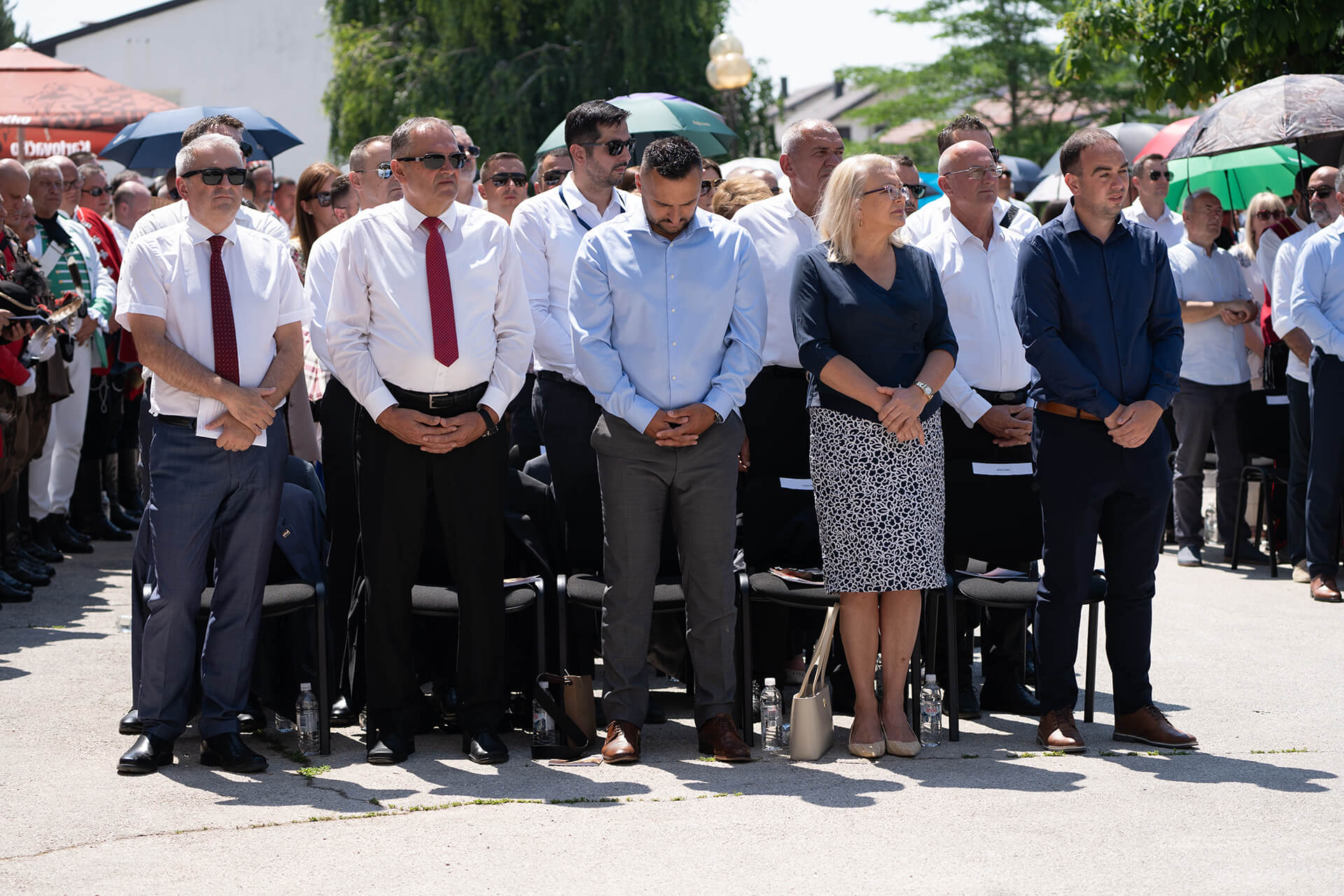
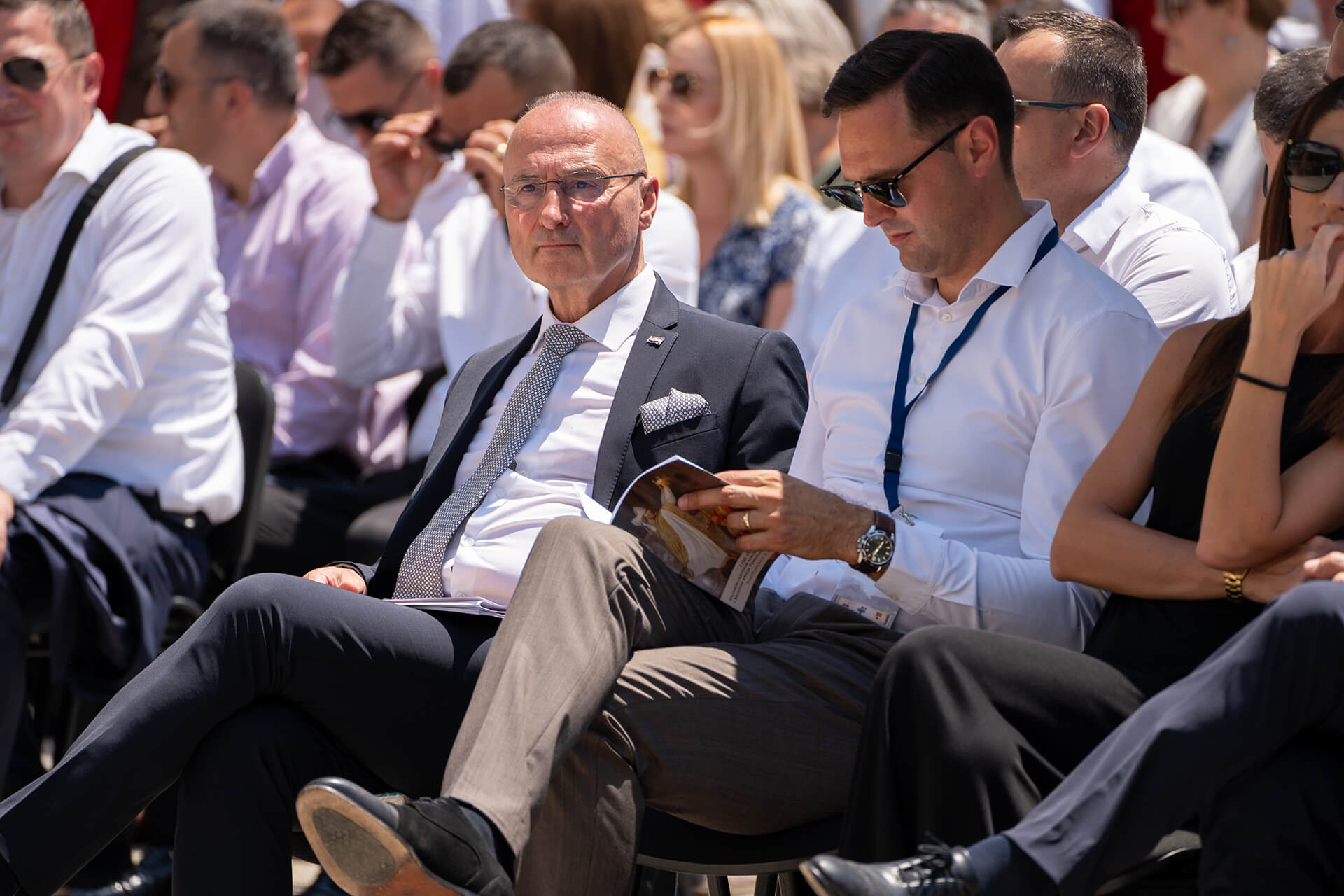
Representatives of civil authorities at all levels from Bosnia and Herzegovina and Croatia also participated in the Eucharist, including: President of the Federation of Bosnia and Herzegovina Lidija Bradara, Speaker of the House of Peoples of the Parliament of Bosnia and Herzegovina Tomislav Martinović, and the envoy of the Prime Minister of the Republic of Croatia Andrej Plenković, Minister of Foreign Affairs Gordan Grlić Radman.
The priests in Tomislavgrad
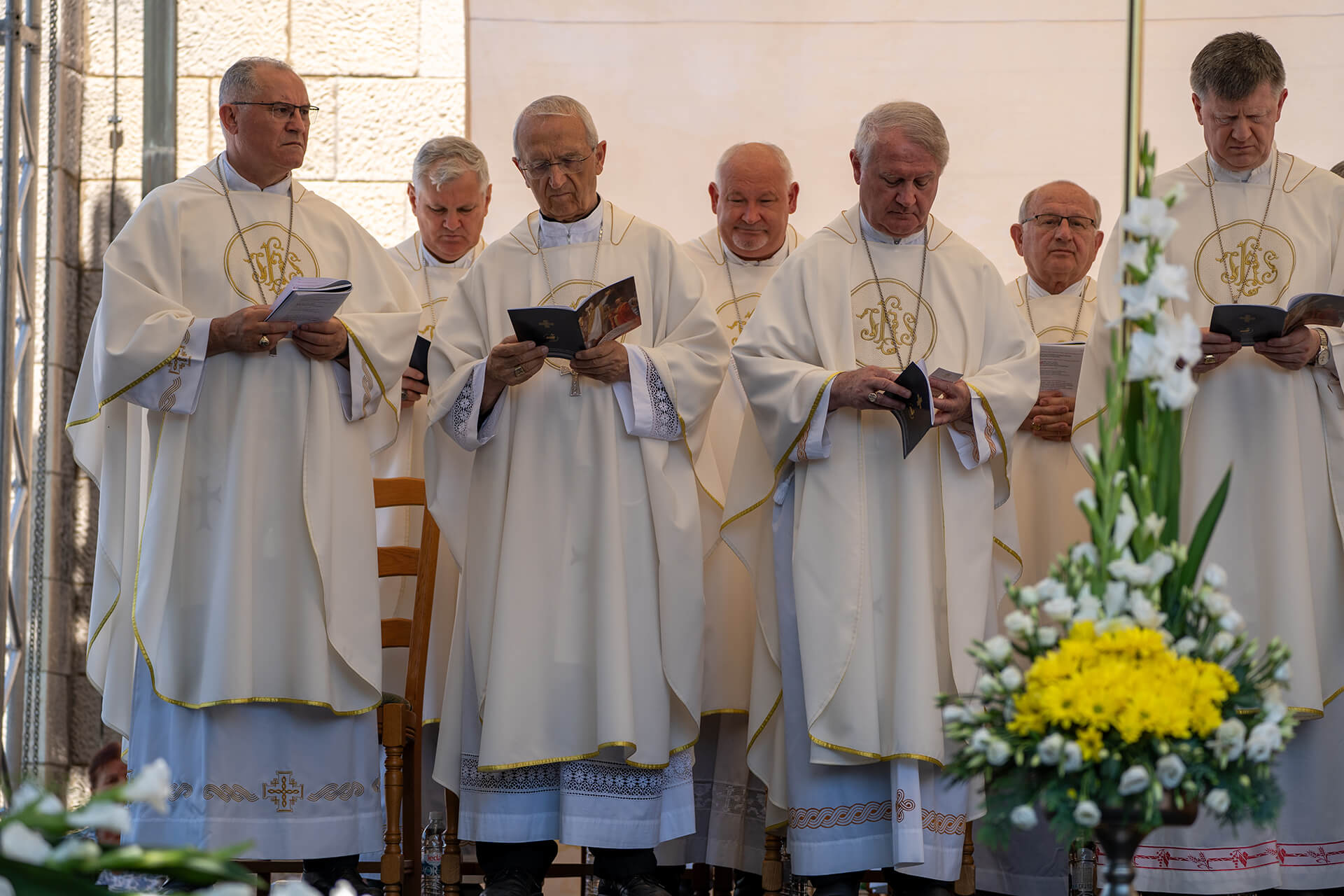
The following archbishops, provincials and apostolic nuncios participated in the celebration of Holy Mass in Tomislavgrad:
The Most Reverend Cardinal Vinko Puljić, Archbishop of Vrhbosna in retirement
Bishop of Mostar-Duvno and Apostolic Administrator of Trebinje-Mrkan Petar Palić
Apostolic Nuncio in Bosnia and Herzegovina Francis Assisi Chullikatt
Apostolic Nuncio in Italy and San Marino Petar Rajič
Apostolic Nuncio in Armenia and Georgia Ante Jozić
Archbishop and Metropolitan of Split-Makarska Zdenko Križić
Apostolic Visitor with powers for the parish of Međugorje Archbishop Aldo Cavalli
Archbishop of Zadar Milan Zgrablić
Retired Archbishop of Split-Makarska Marin Barišić
Bishop of Sisak Vlado Košić
Bishop of Bjelovar-Križevci Vjekoslav Huzjak
Bishop of Krk Ivica Petanjak
Military Ordinary in the Republic of Croatia Bishop Jure Bogdan
Bishop of Šibenik Tomislav Rogić
Bishop of Varaždin Bože Radoš
Bishop of Poreč and Pula Ivan Štironja
Bishop of Dubrovnik Roko Glasnović
Bishop of Banja Luka Željko Majić
Bishop of Požega Ivo Martinović
Bishop of Kotor Mladen Vukšić
Bishop of Gospić-Senj Marko Medo
Auxiliary Bishop of Zagreb Mijo Gorski
Auxiliary Bishop of Zagreb Ivan Šaško
Auxiliary Bishop of Đakovo-Osijek Ivan Ćurić
Provincial of the Franciscan Province of Herzegovina Jozo Grbeš, OFM
Provincial of the Province of Bosnia Srebrena Zdravko Dadić, OFM
Provincial Delegate of the Society of Missionaries of the Blood of Christ in Croatia p. Ilija Grgić, CPPS
Provincial of the Croatian Franciscan Province of St. Cyril and Methodius Milan Krišto, OFM
Provincial of the Croatian Salesian Province of St. John Bosco father Milan Ivančević, SDB
Custos of the Franciscan Custody of St. Jerome in Dalmatia and Istria, Tomislav Šanko, OFM























.jpg&w=420&h=235&zc=1&hash=e106aa4c03620f401d3905d5651c685a)


