
The 29th Assembly of Priests of the Archdiocese of Vrhbosna
čet, 20. travnja 2023. 12:08
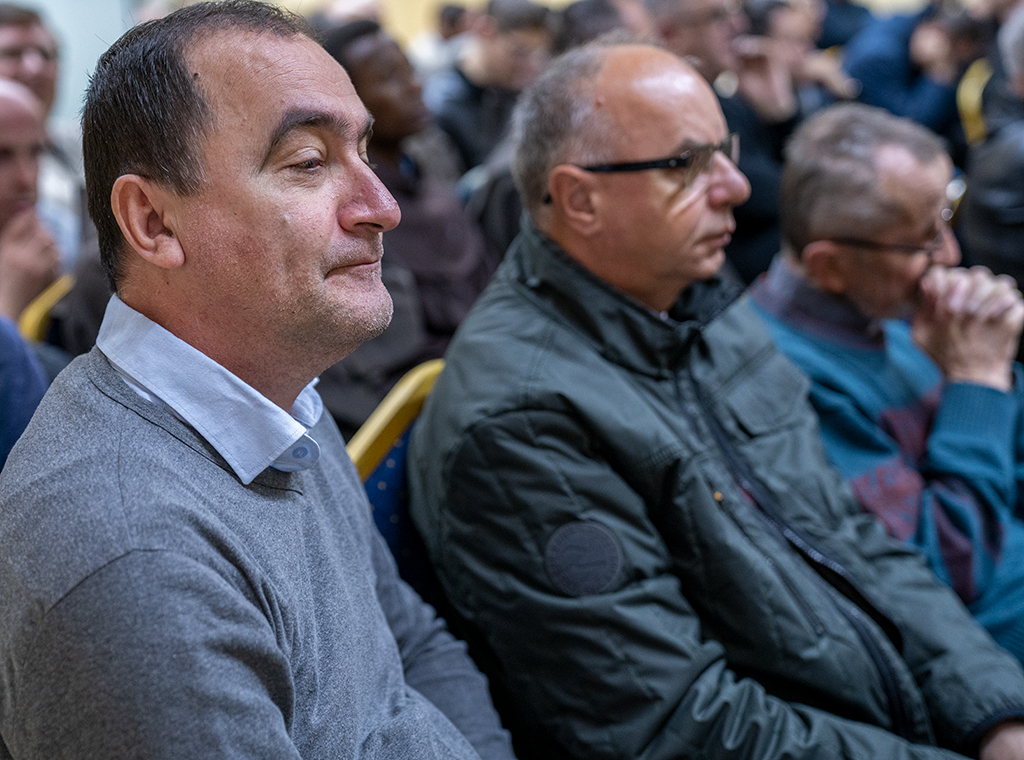
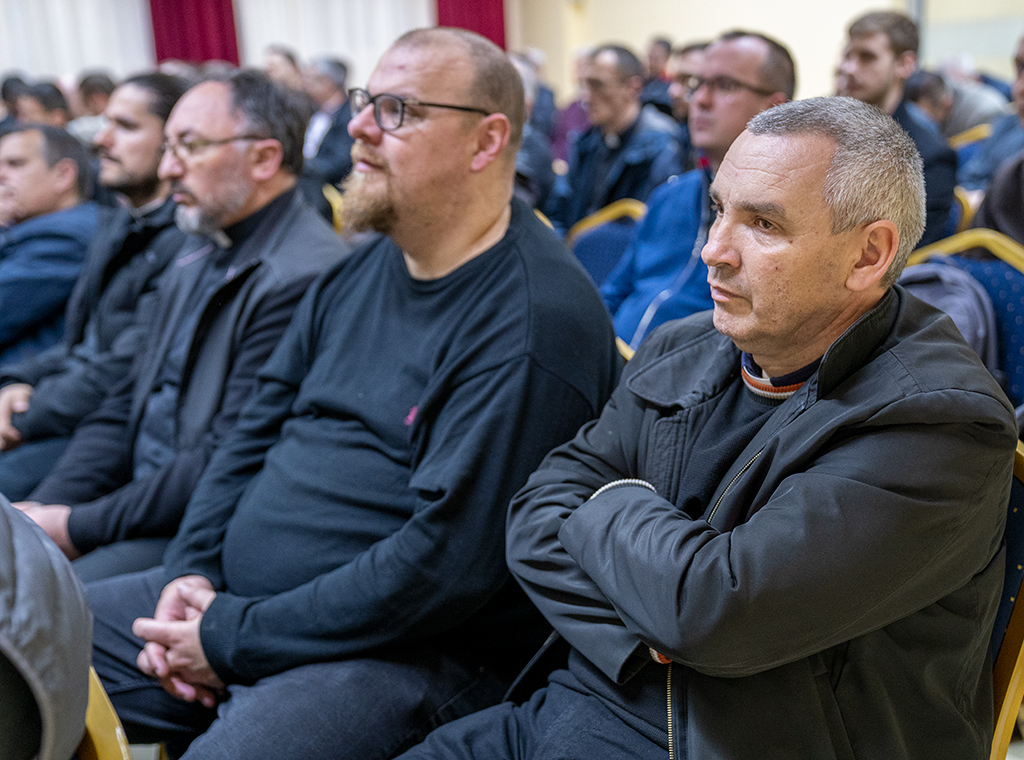
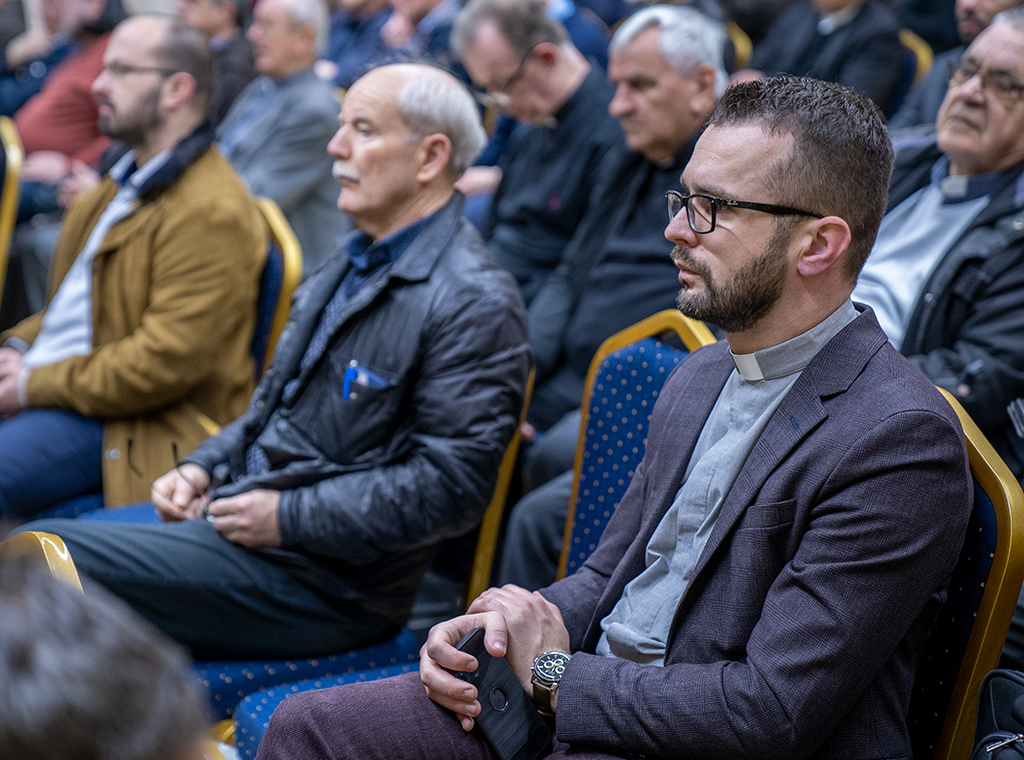
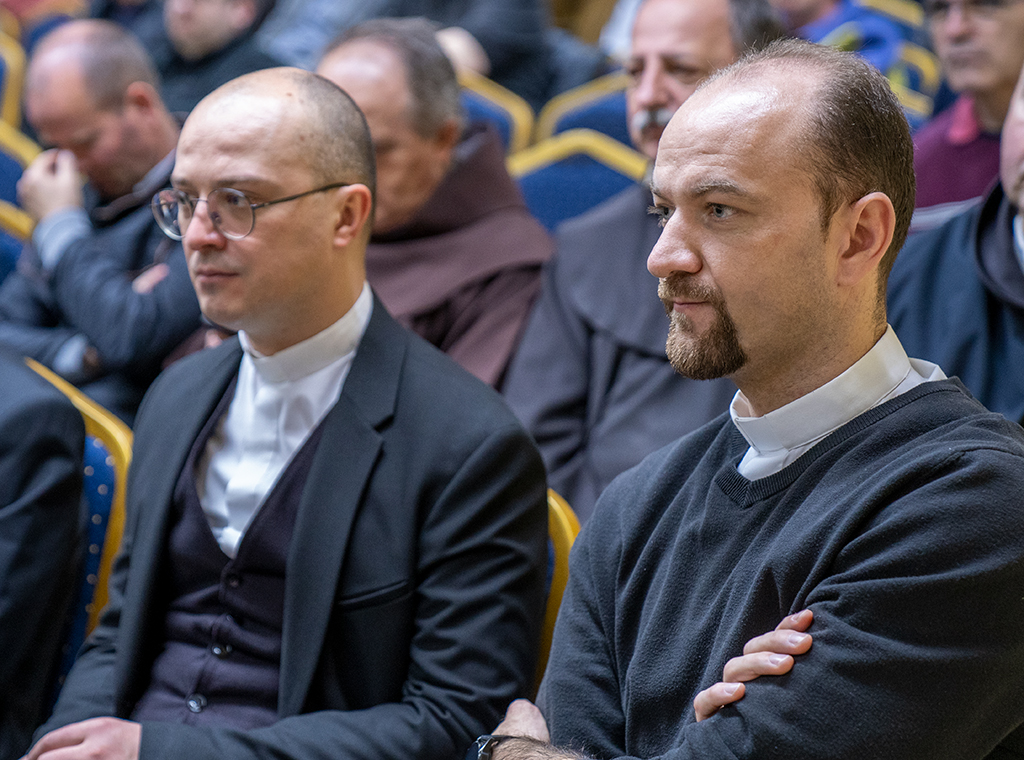
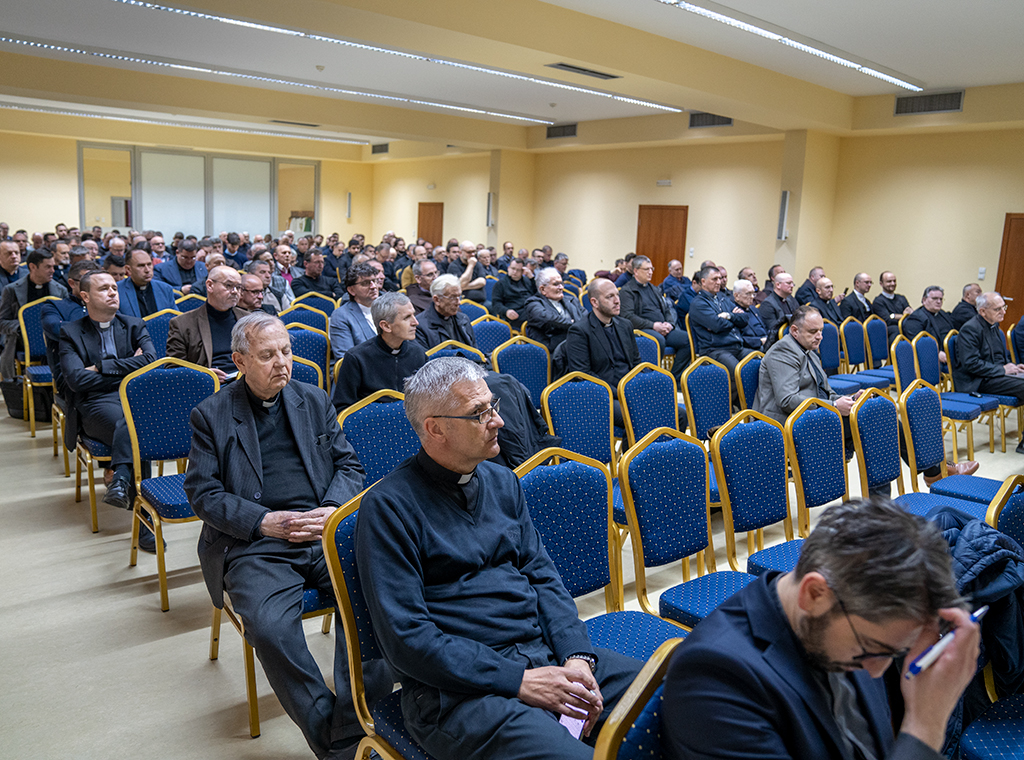
The Assembly of priests, diocesan and monks, who work in the Vrhbosna Archdiocese was held for the 29th time, on Wednesday, April 19th, in Sarajevo.

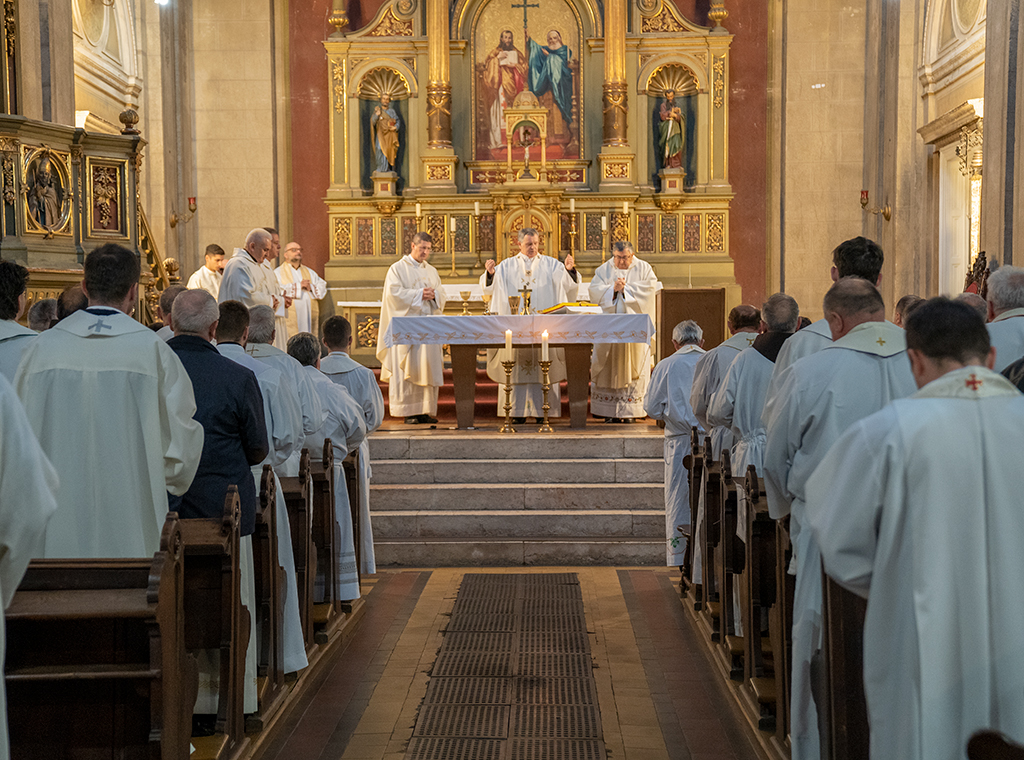
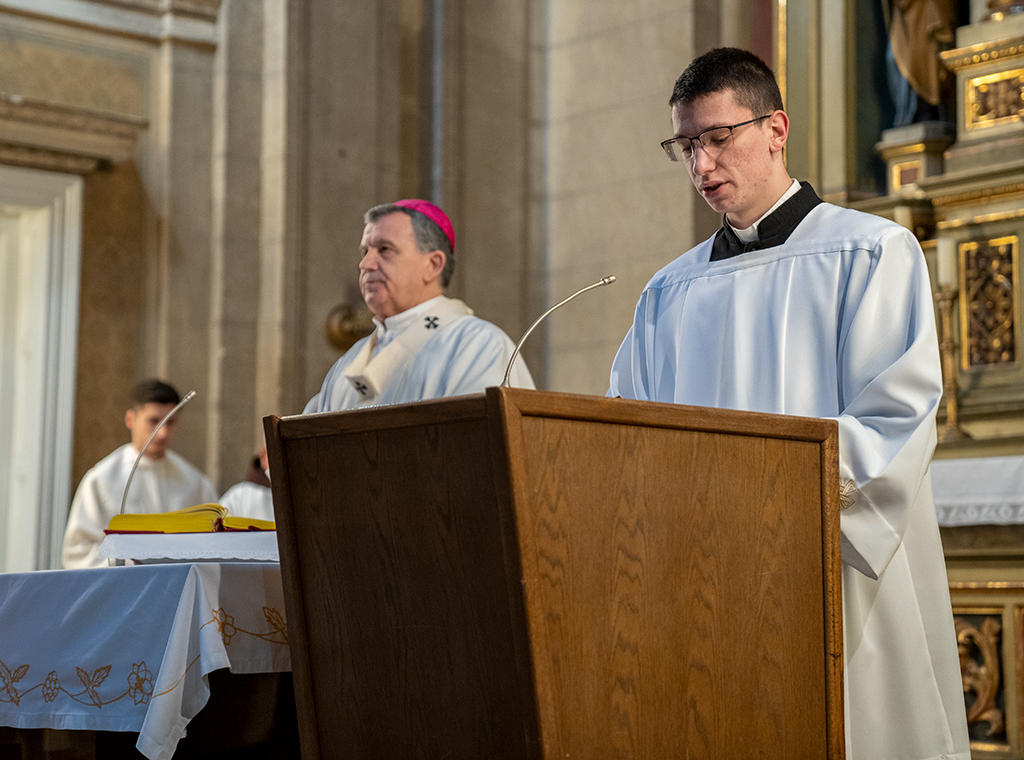
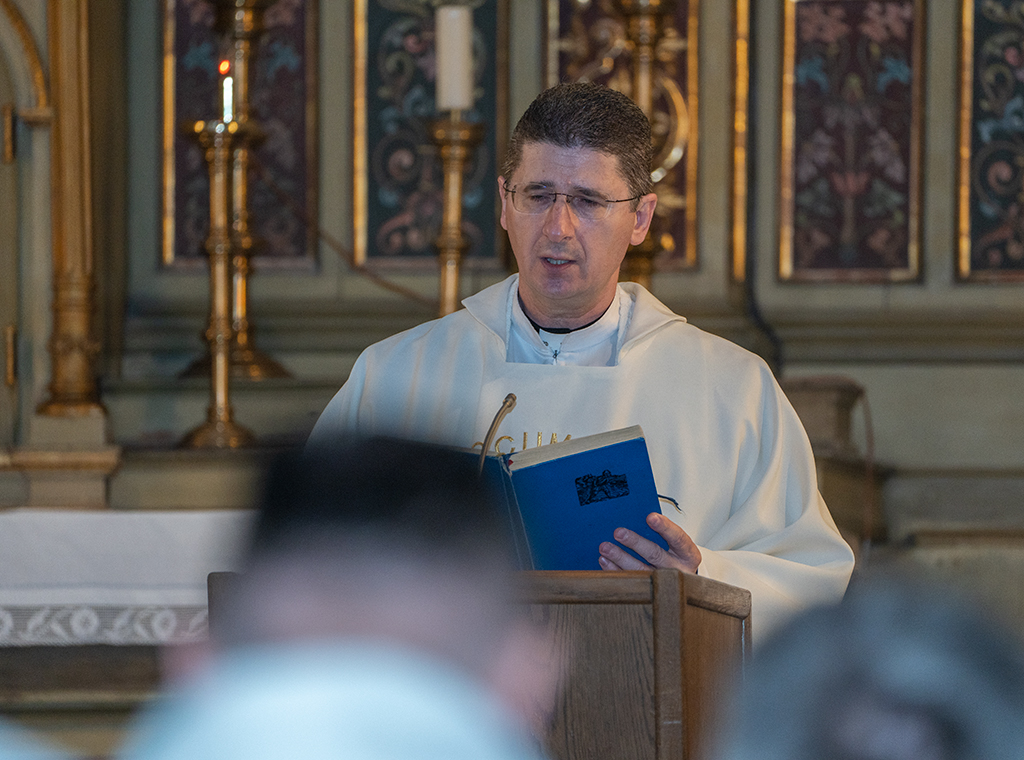
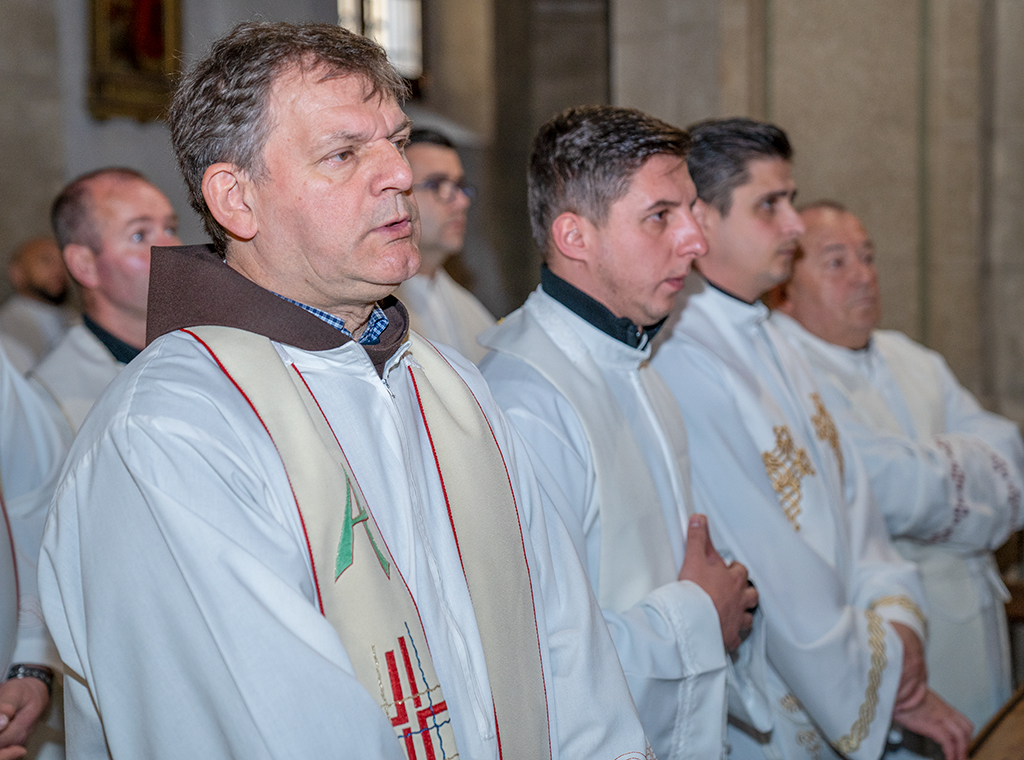
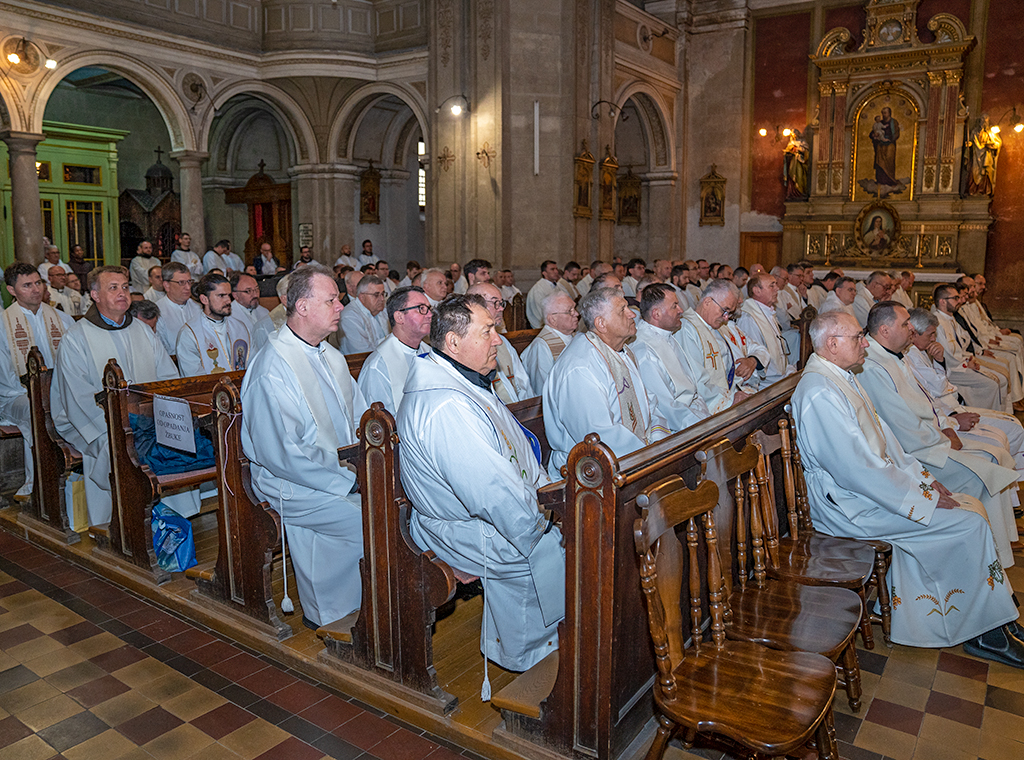
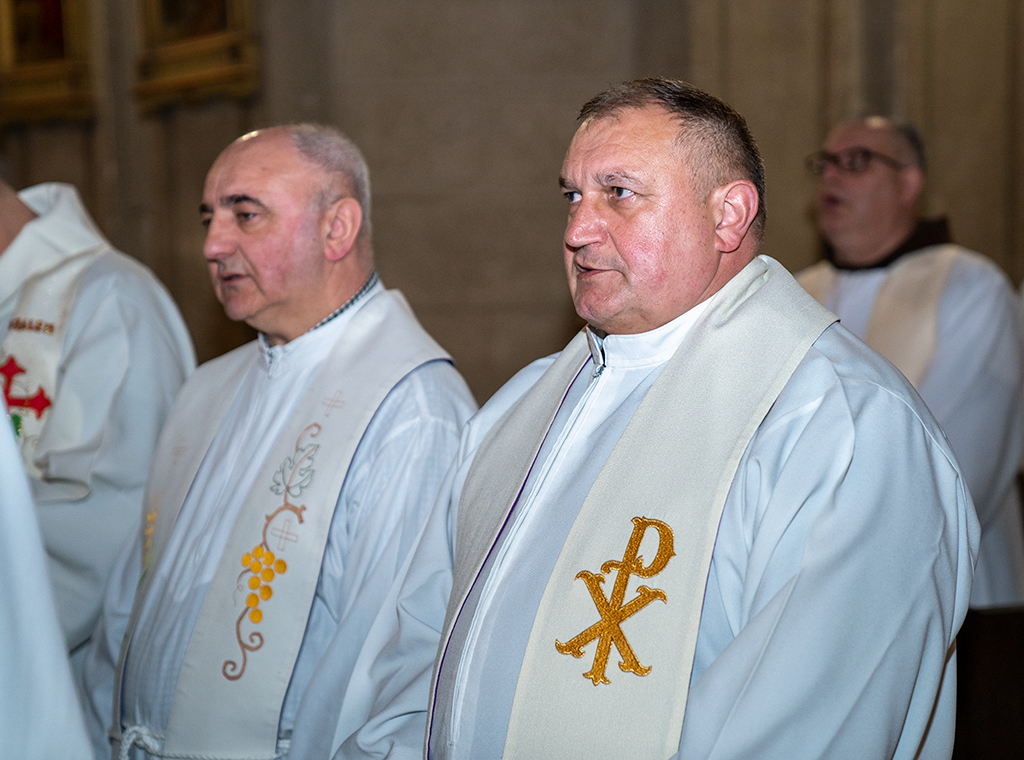
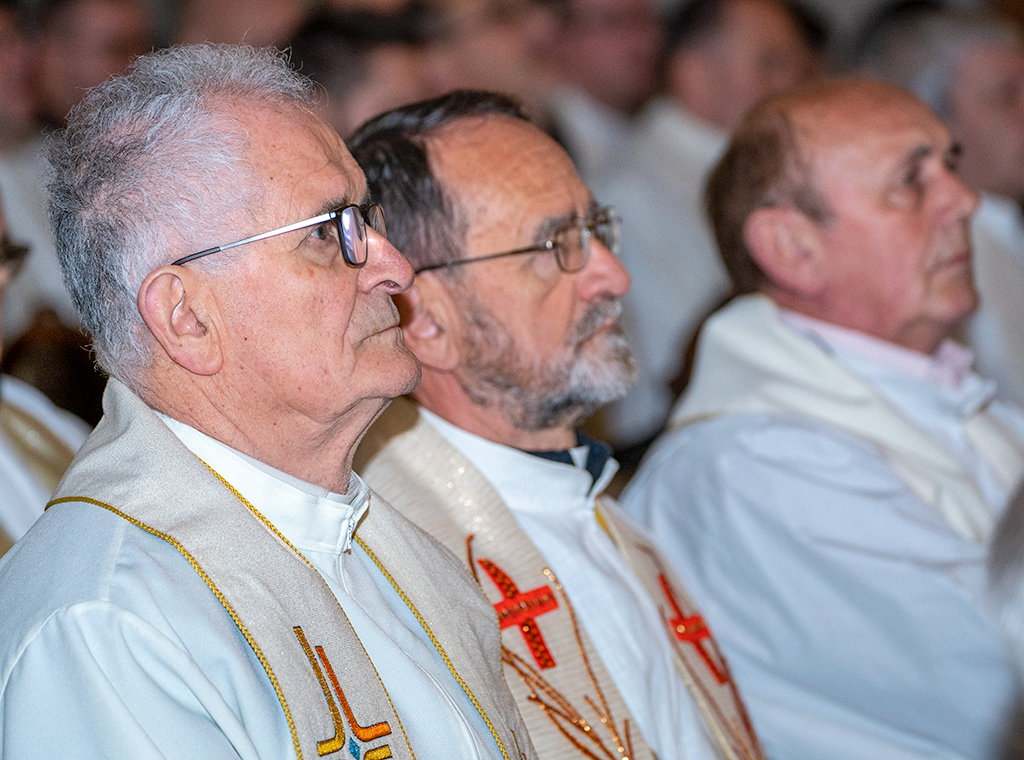
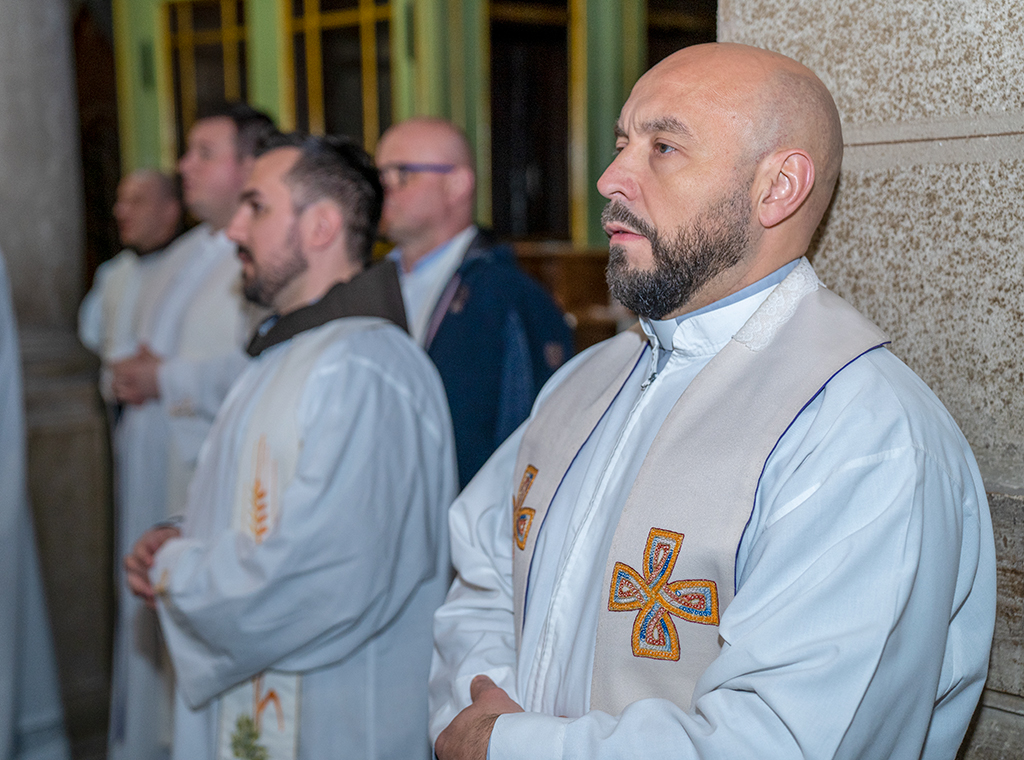
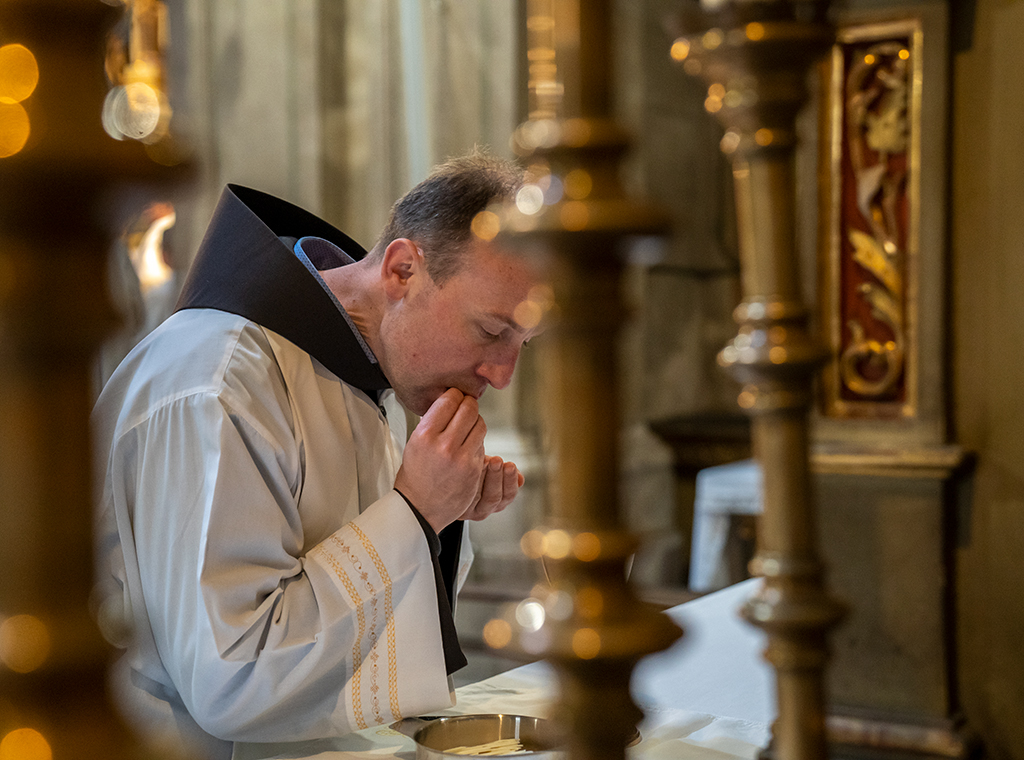
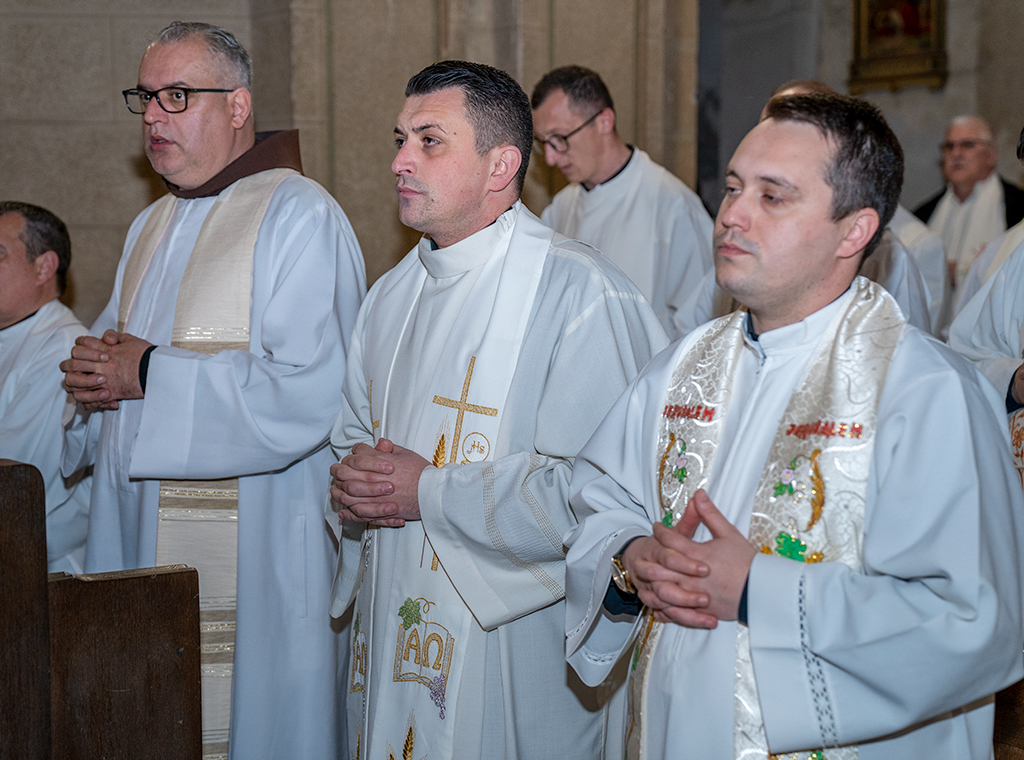
The assembly began with a Eucharistic celebration in the seminary church of St. Cyril and Methodius, led by the Metropolitan Archbishop of Vrhbosna and the Apostolic Administrator of the Military Ordinariate in Bosnia and Herzegovina, Msgr. Tomo Vukšić in concelebration with the archbishop of Vrhbosna in peace cardinal Vinko Puljić, Vicar General of the Vrhbosna Archdiocese, Msgr. Slađan Ćosić, rector of the Vrhbosna Theological Seminary, rev. Zdenko Spajić, professor at Sarajevo KBF, Msgr. Pavo Jurišić and other gathered priests, about 200 of them.
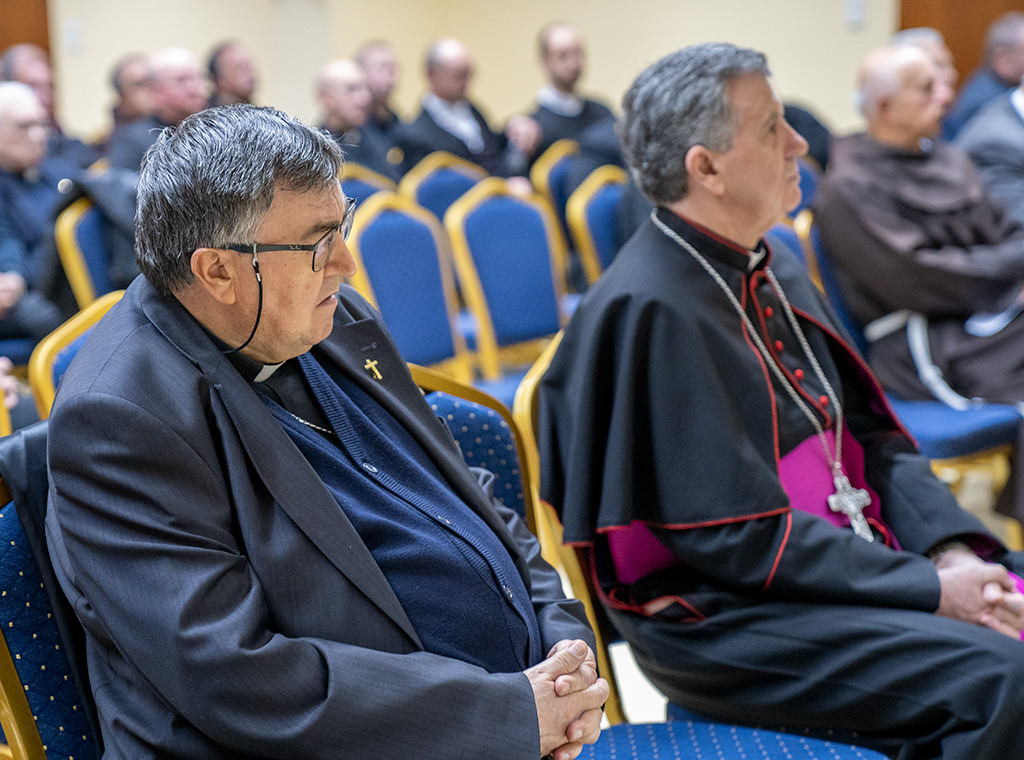
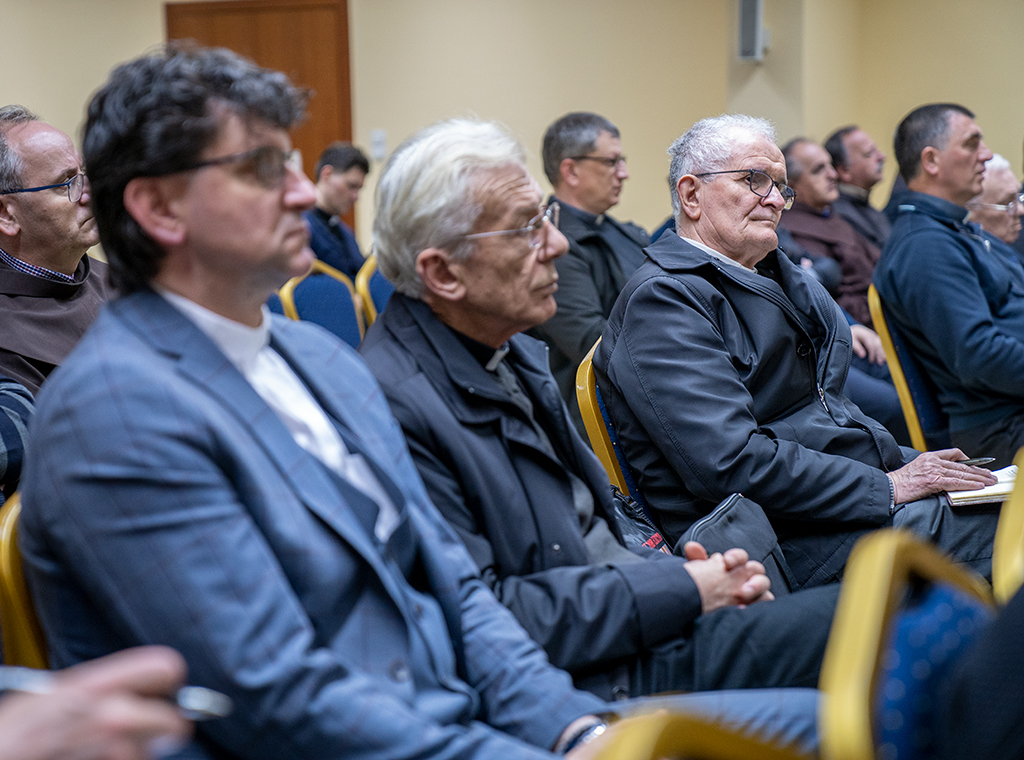
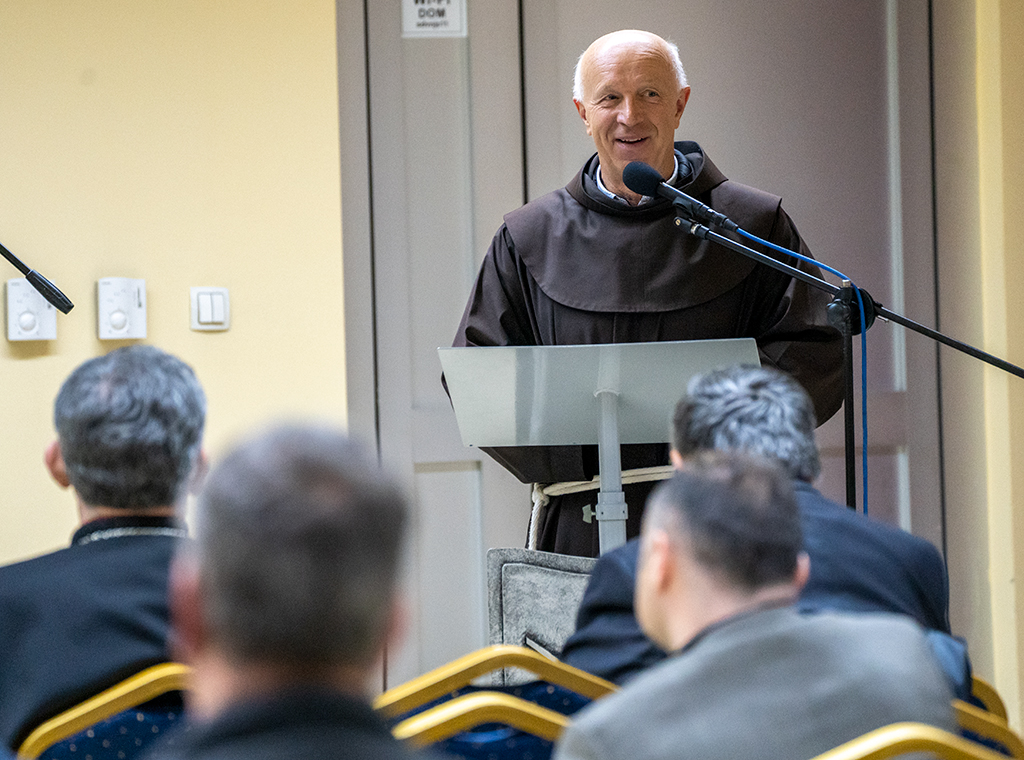
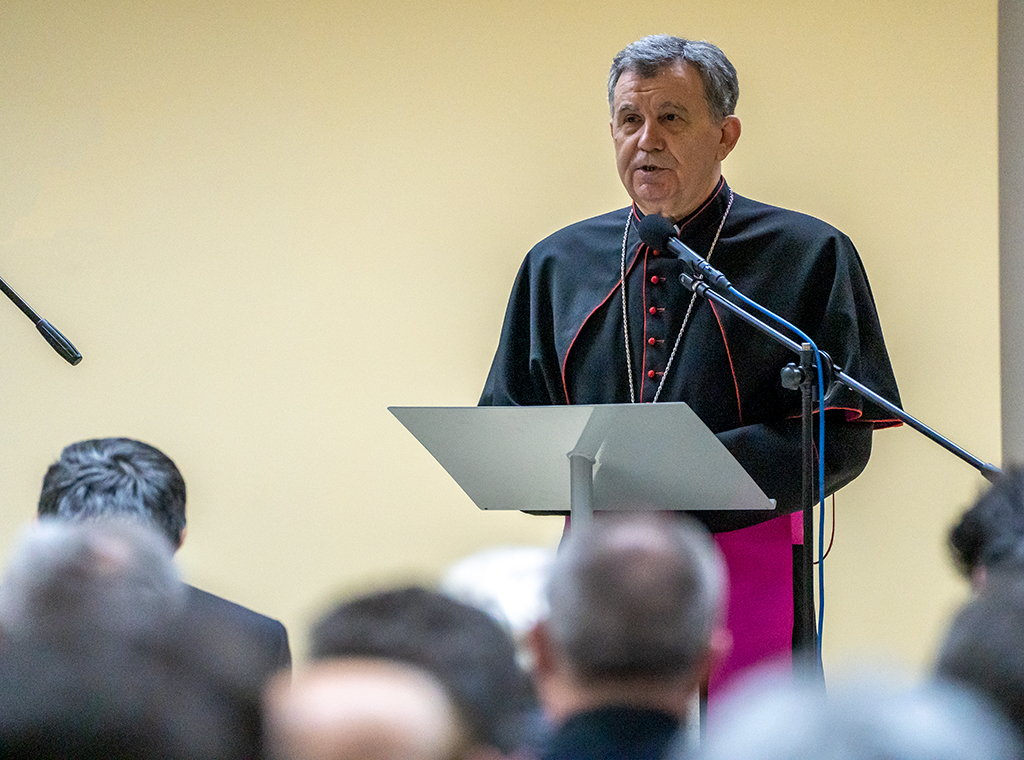
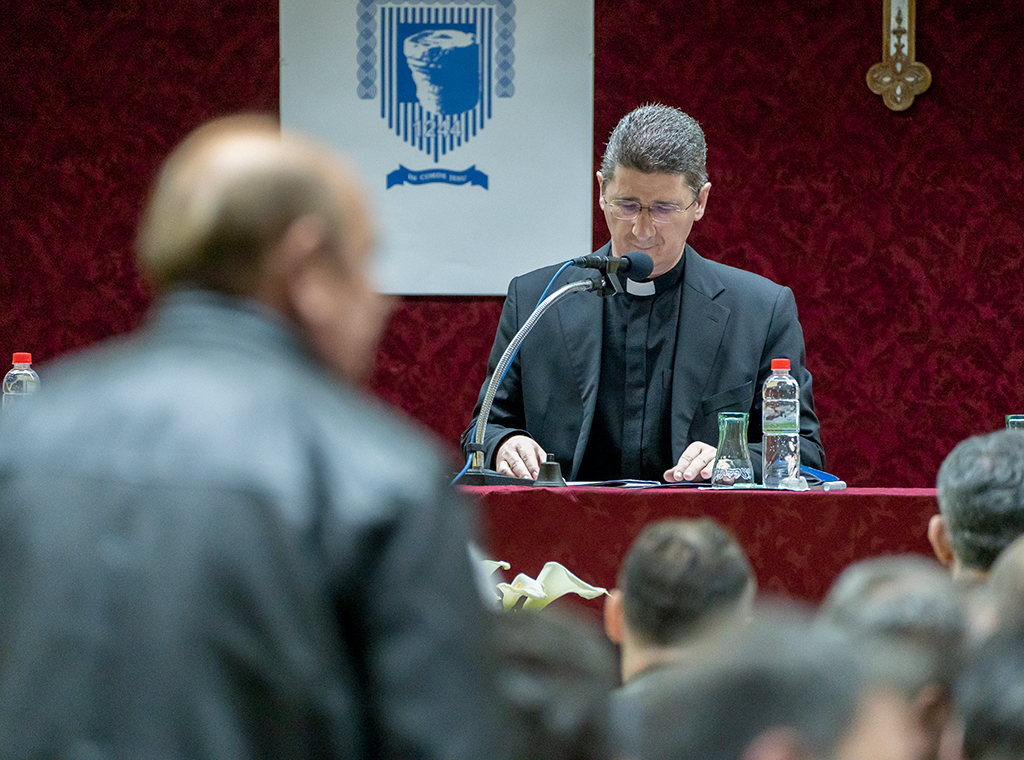
After the Holy Mass, the working part of the meeting followed in the hall of the Priest's House of the Vrhbosna Archdiocese, which was opened by Msgr. Ćosić, and Archbishop Vukšić spoke with welcoming words. Also, on behalf of the Franciscan Province of Bosna Srebrena, in place of the absent Provincial OFM Zdravko Dadić, the priests were greeted by the Definitor OFM Drago Pranješ.
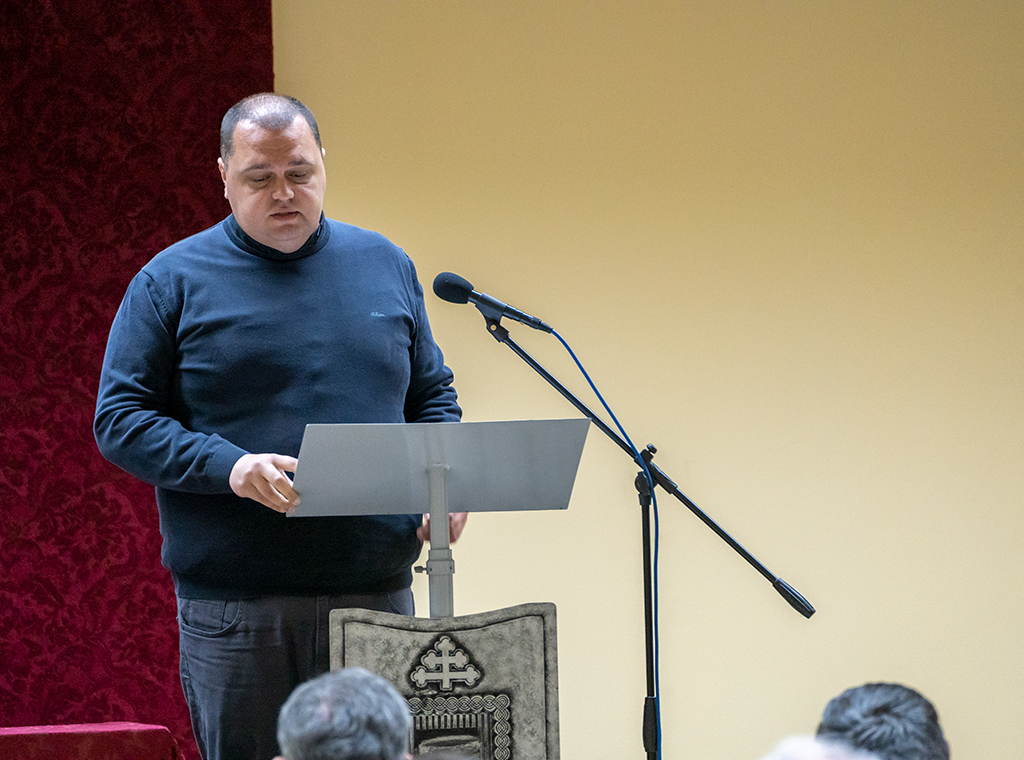
At the beginning of the working part of the Assembly, a special lecture on the topic of Management of the temporal goods of the Church was given by the professor of canon law at the Catholic Faculty of Theology in Sarajevo, Dr. Rev. Ilija Marković. In his report, among other things, he apostrophized (only) ecclesiastical-legal principles with regard to the management of assets and the related indispensable role of the local ordinary and parish priest, and announced that this topic will be discussed in more detail at the XVI International Scientific Symposium of Ecclesiastical Lawyers, which will be held on October 6th and 7th this year, and will be hosted by the Archdiocese of Vrhbosna.
"The purpose of managing church assets is threefold: to preserve legally acquired assets, to improve existing ones and to use the assets exclusively for church purposes, in accordance with the social science and moral principles of the Church and the provisions of canon law. Supreme authority and responsibility regarding the management of goods is held by the Roman High Priest, indirect responsibility is borne by the local ordinary or religious head, and directly responsible is the one who is at the head of the church's legal entity. The management of church assets 'belongs to the one who directly manages the person to whom these assets belons’ (can. 1279), respecting the right of the Ordinary to intervene in the event that the manager is negligent in acquiring, managing or disposing of temporal assets. For tasks that cross the borders and the way of regular management, the written permission of the Ordinary is requested in compliance with the statutory regulations if they exist (can. 128, paragraph 1)", said Dr. Rev. Marković, noting that if some administrative tasks are 'invalid', then the legal person is not responsible for them, but the administrator, except when and how much he benefited from them, and if some administrative tasks are illegal (not allowed) but valid - the legal person is responsible for them, but still he has the possibility to file a "lawsuit or lawsuit against the managers who damaged him".
After the lecture of rev. Ilija, Msgr. Ćosić had a review of the archdeacon's meetings, in which he particularly emphasized the very good response of the priests and thanked the organizers for the good hosting. He also pointed out that the meetings were extremely well covered by the media thanks to the Catholic Press Agency, Katolički tjednik and the nedjelja.ba web portal, as well as the engagement of the head of the Office for Public Relations and the spokesperson of the Vrhbosna Archdiocese, rev. Dražen Kustura.
After the vicar general's review, the chancellor of the Vrhbosna archdiocese, rev. Mladen Kalfić shared information regarding the Office of the Archdiocese’ Ordinariate. After that, the treasurer of the Archdiocese of Vrhbosna, rev. Vladimir Pranjić presented the report from the finance department, on which occasion he pointed out that all institutions performed positively.
Joining the discussion that followed, Msgr. Tomo Knežević, due to potential ambiguities, briefly clarified the way in which collections are collected. And rev. Josip Vajdner recalled that the First Synod of the Vrhbosna Archdiocese was marked as the most significant event in the Archdiocese after the war. "I'm afraid", he said, "that some of us haven't even read what we did in our synodal process. Therefore, I believe that we should finish what we have been doing for nine years." Also, Vajdner drew attention to the phenomenon that some priests are not able to send fraternal criticism, but instead write to the archbishop, often anonymously. Responding to Vajdner's remark about the Synod, Msgr. Ćosić said that the document on the Synod is being prepared and has not been forgotten, and rev. Mario Bernadić pointed out that it is normal practice not to hurry with such a document, but it should definitely be completed. To which Archbishop Vukšić pointed out that one phase of the Synod ended 1.5-2 years ago, and the second phase is the completion of the synodal document, which not only should, but must be completed.
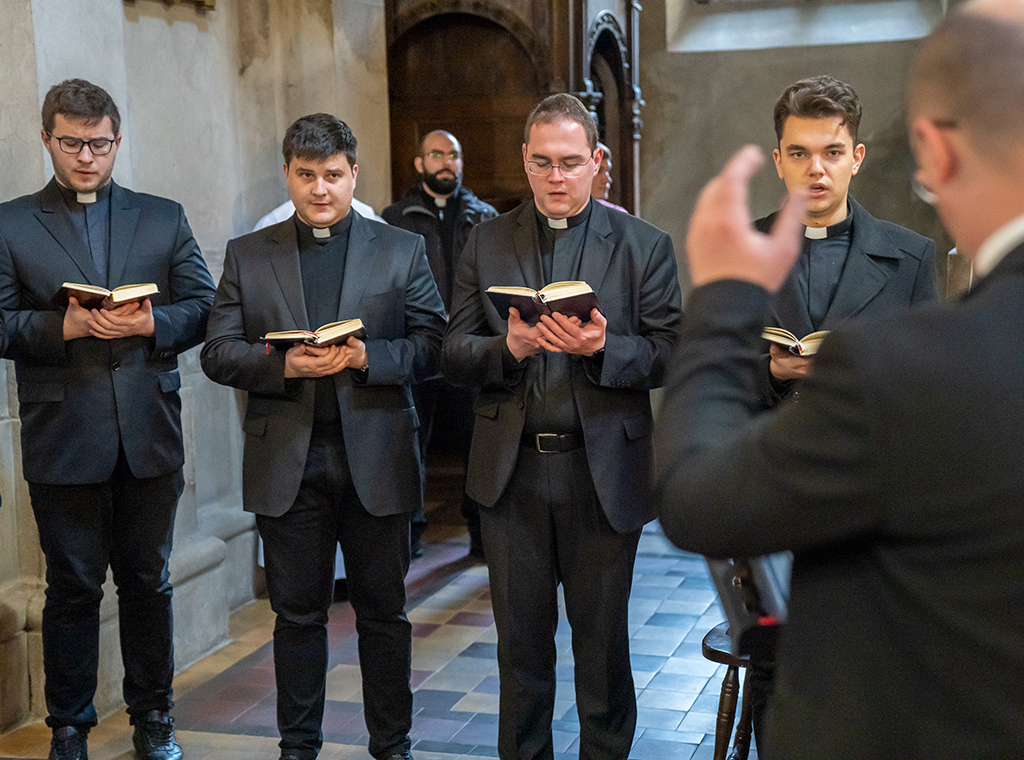
Msgr. Ćosić brought the work part of the program to an end by thanking everyone for their participation, especially those who had a part in the organization and work of the Assembly: the Choir of Theology led by rev. Ivan Rako, the Priest's House under the leadership of rev. Fabijan Stanušić, theologians and employees of the Vrhbosna Theological Seminary under the direction of the rector Spajić and the economist (treasurer) rev. Josip Papak.
The gathering continued during a joint meal in the premises of the Vrhbosna Theological Seminary.
.jpg)


.jpg&w=420&h=235&zc=1&hash=e106aa4c03620f401d3905d5651c685a)


