Bobovac
25th Prayer Day for the Homeland Held for the Faithful of the Vrhbosna Archdiocese
pon, 26. listopada 2026. 11:42
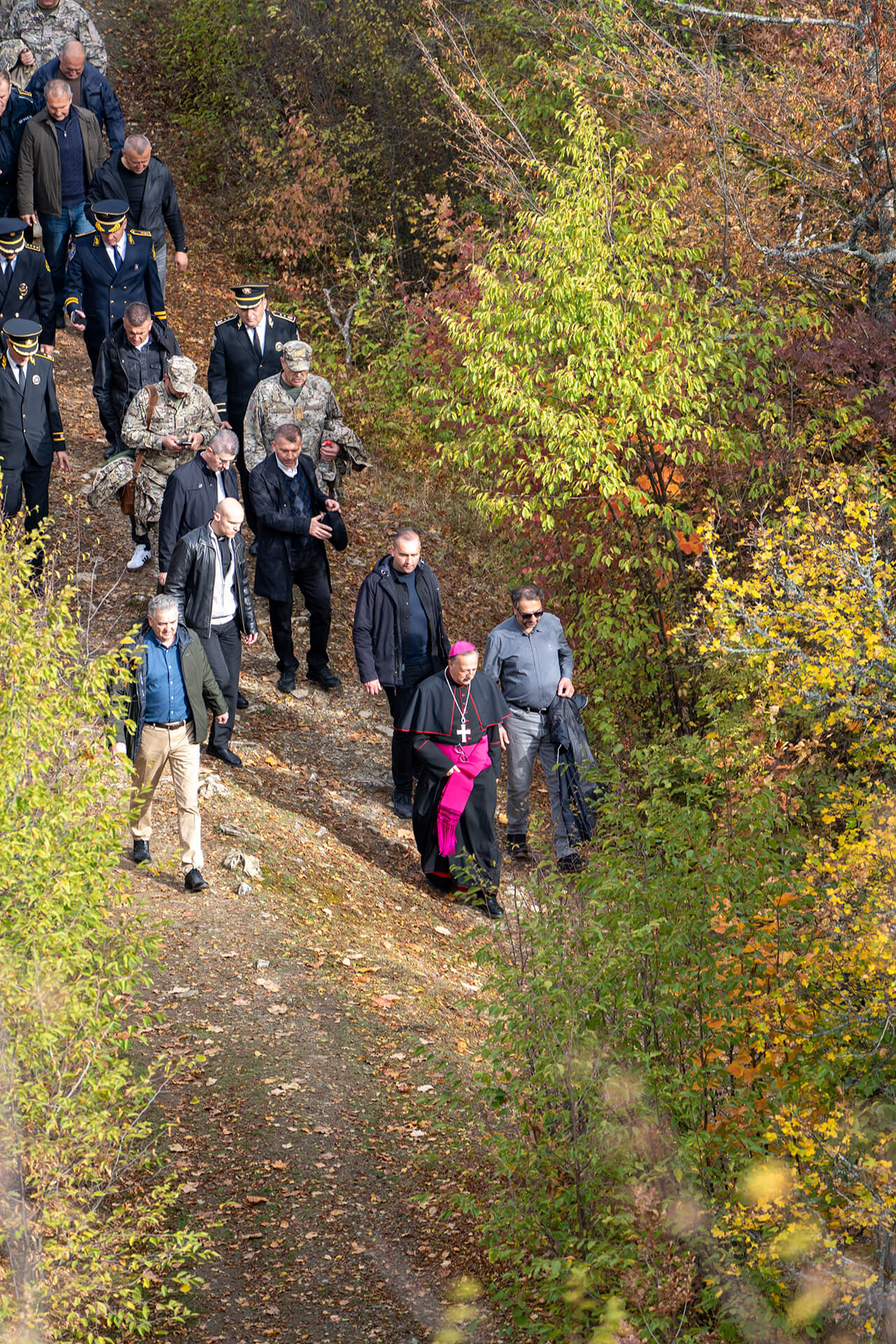
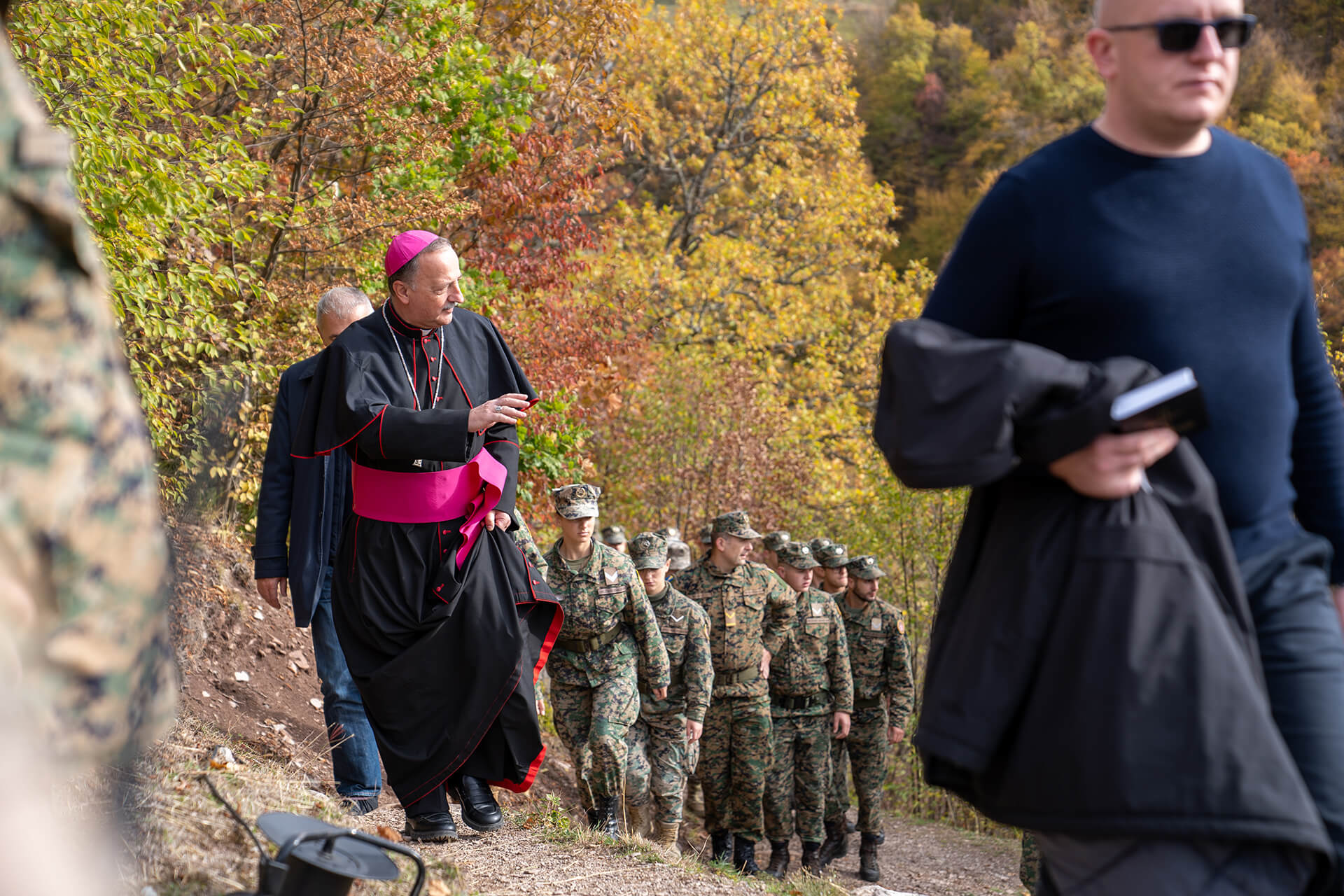
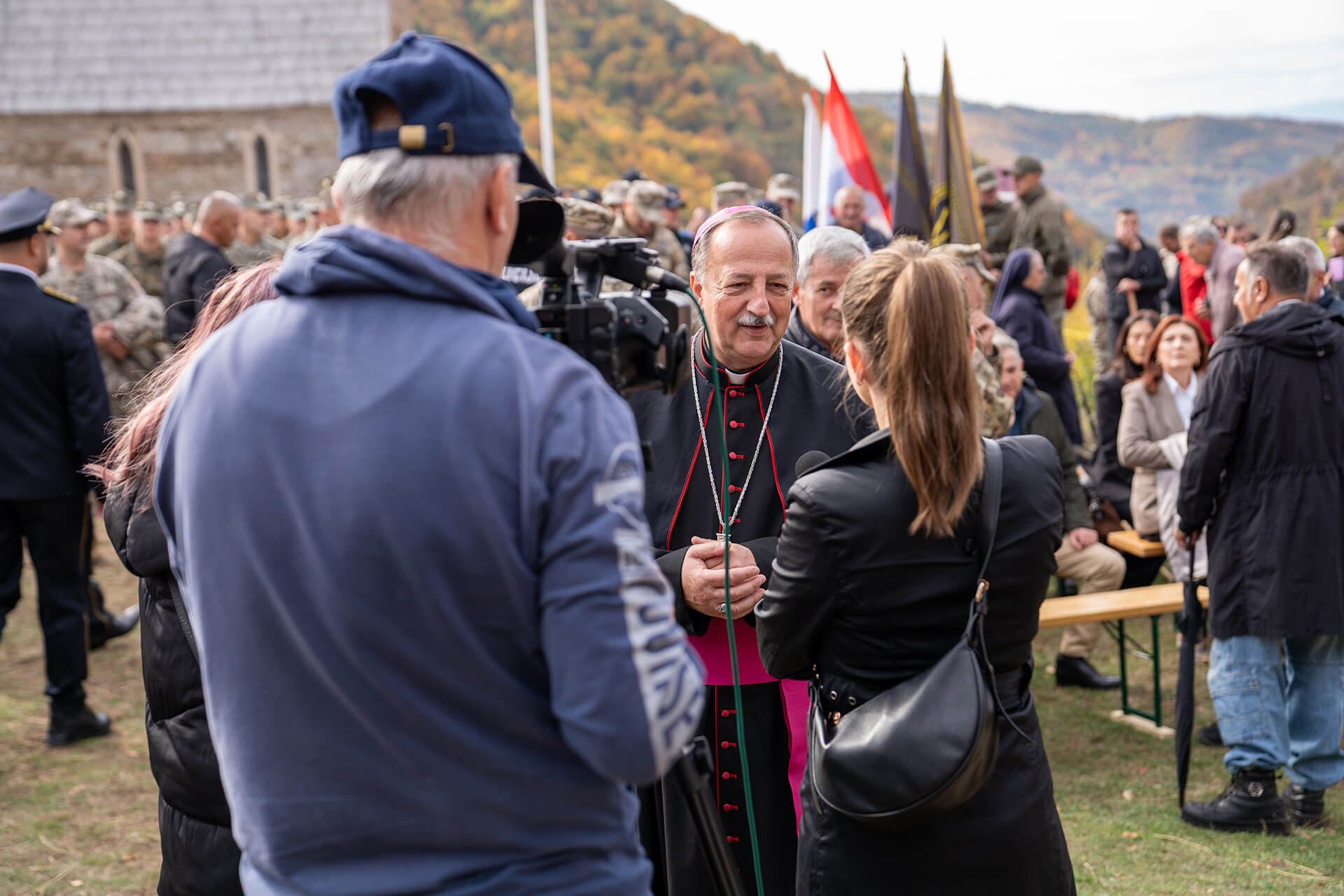
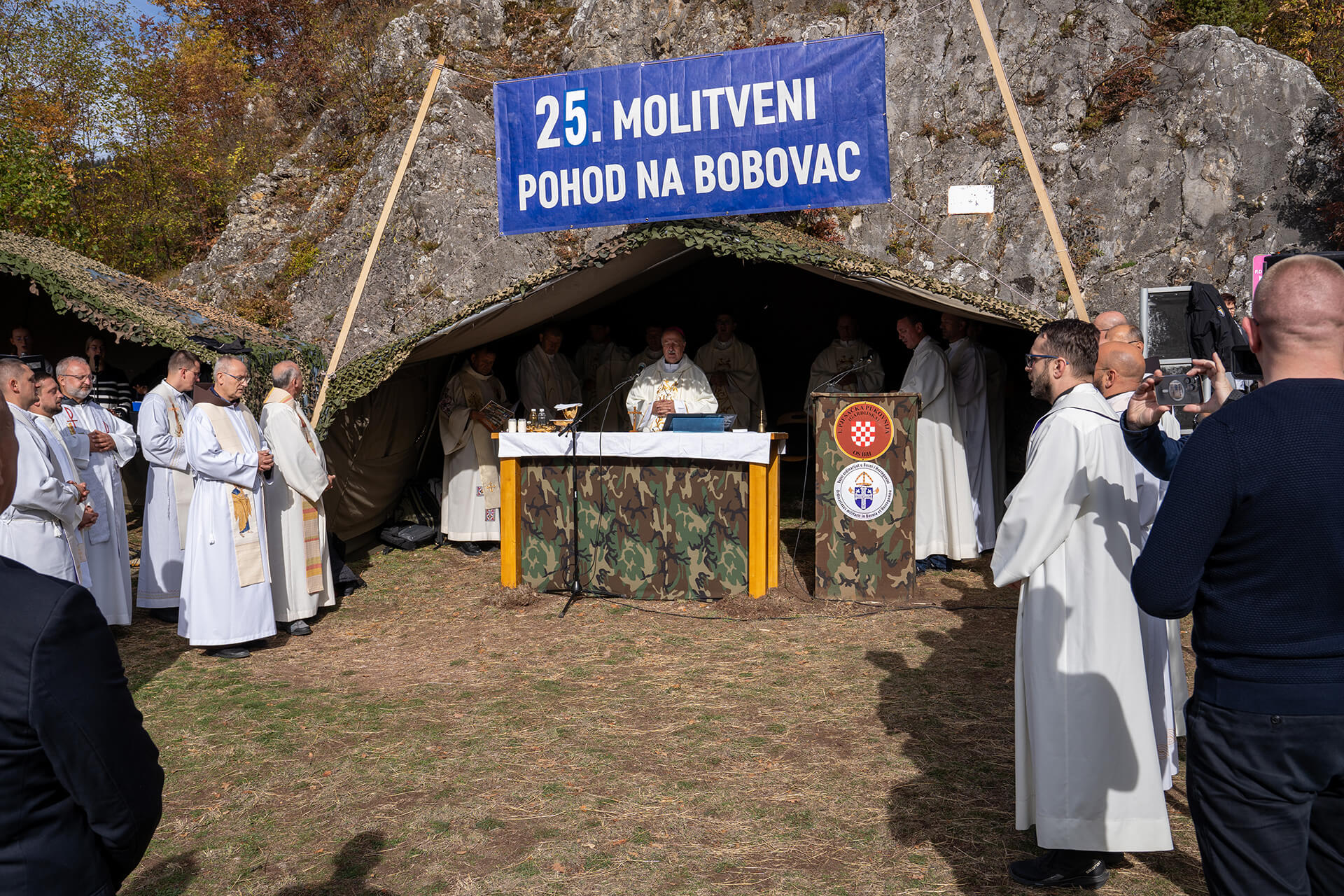
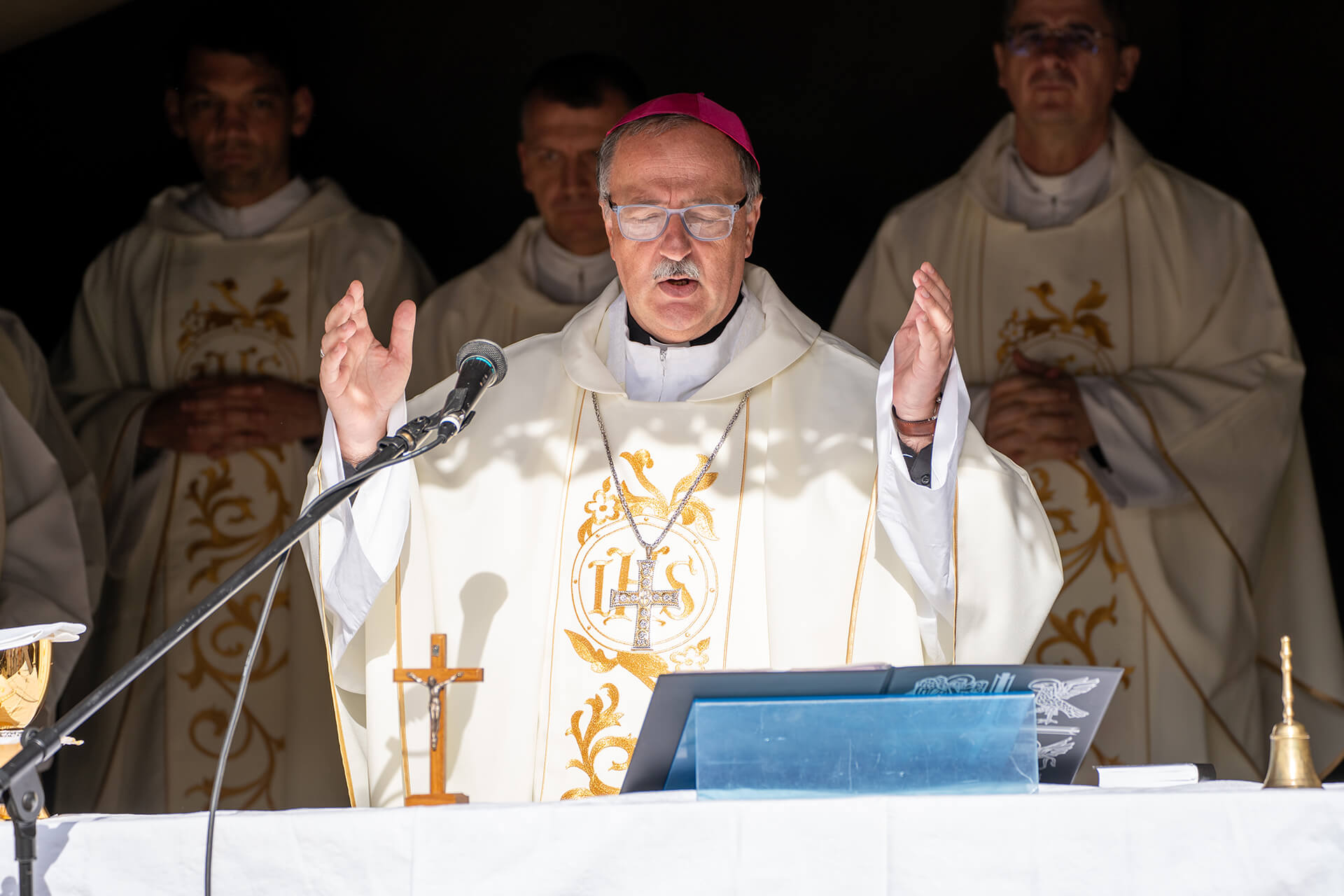
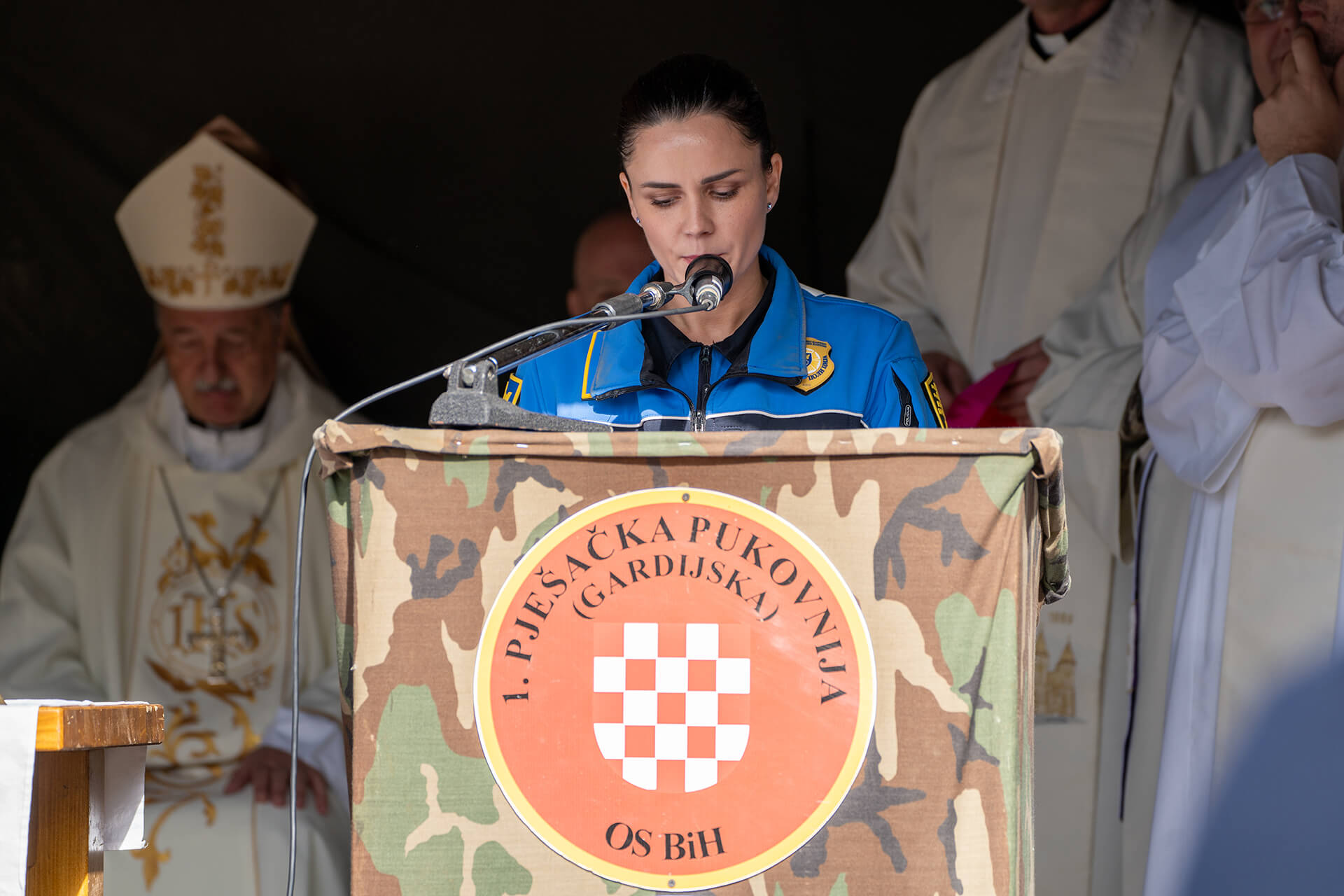
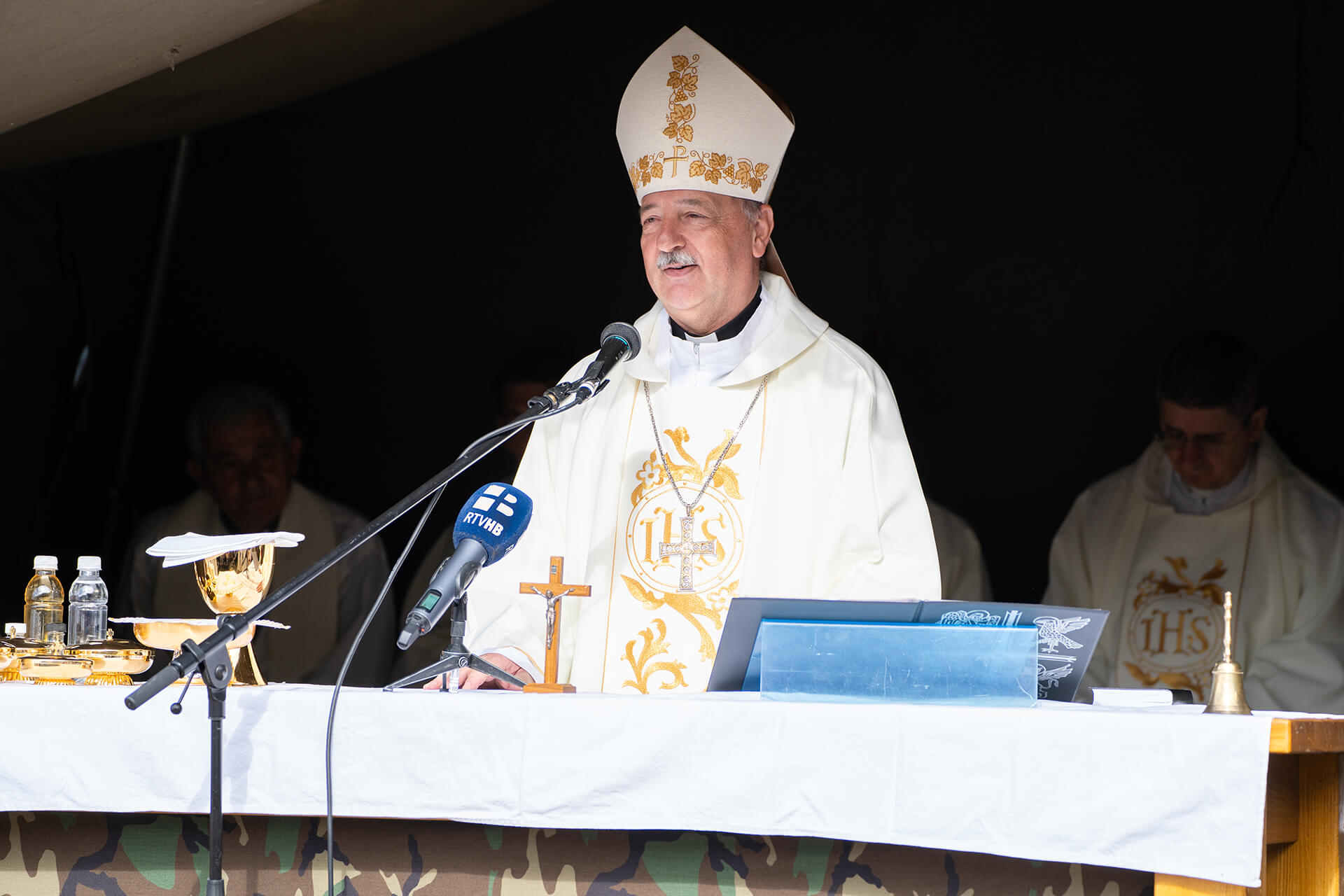
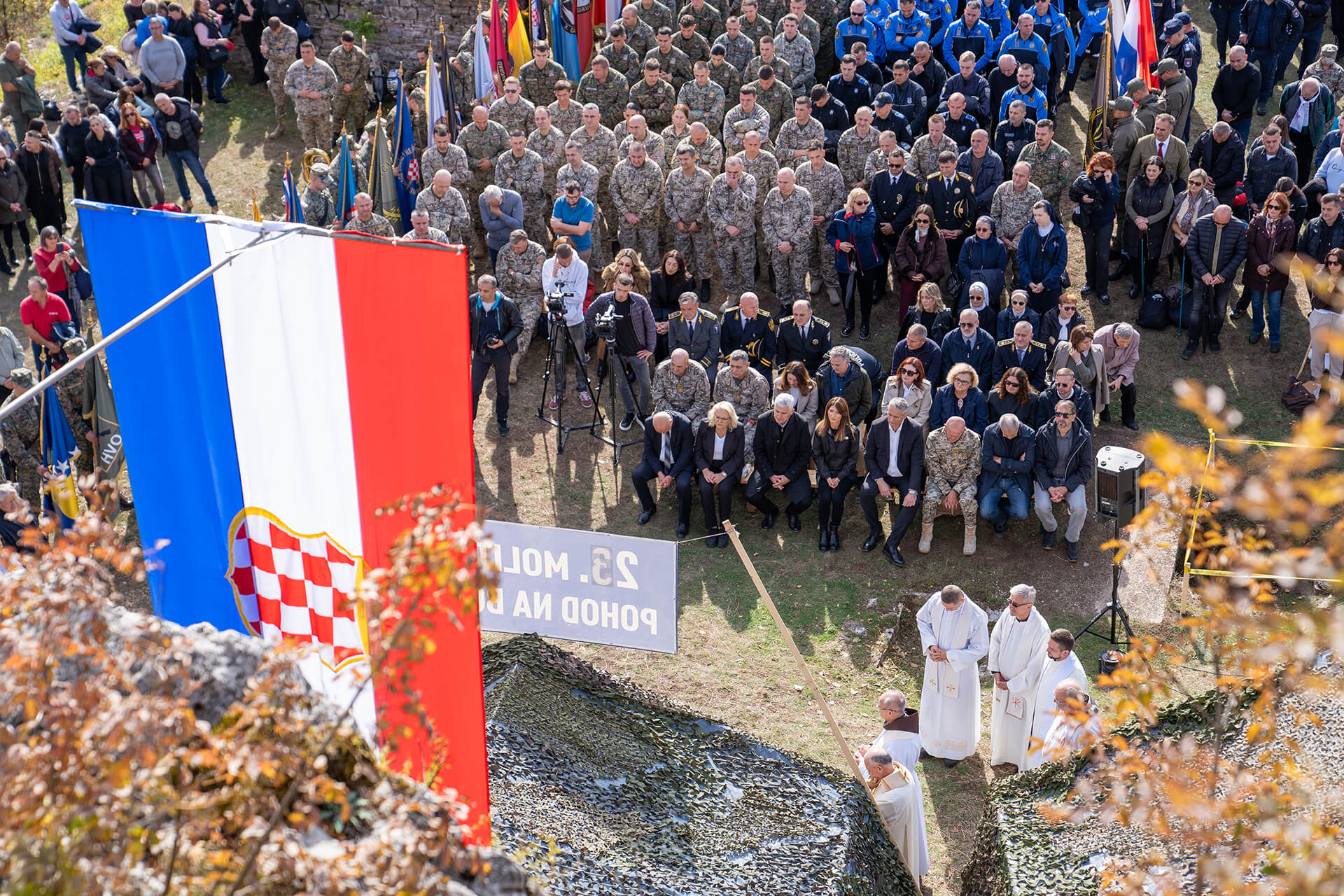
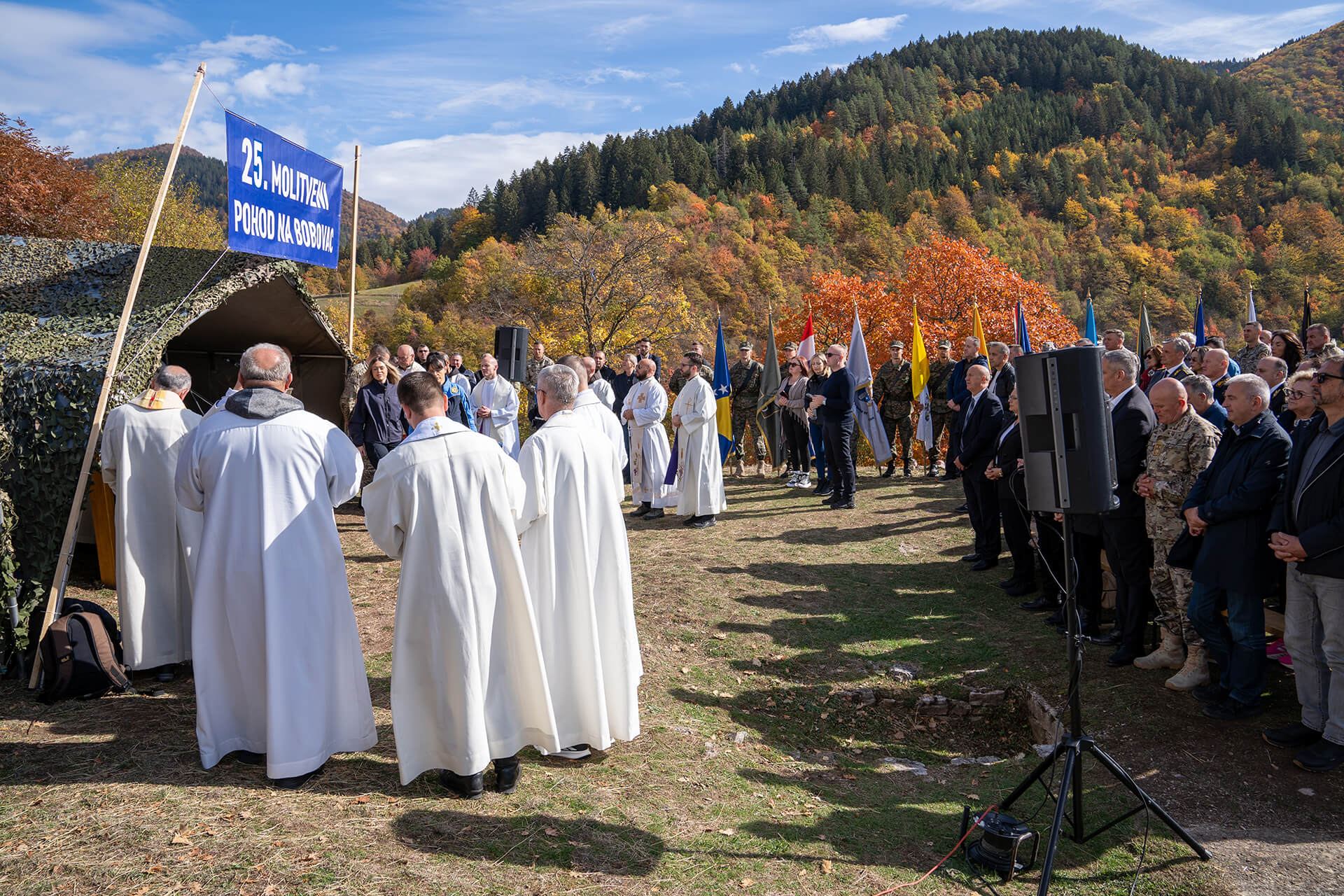
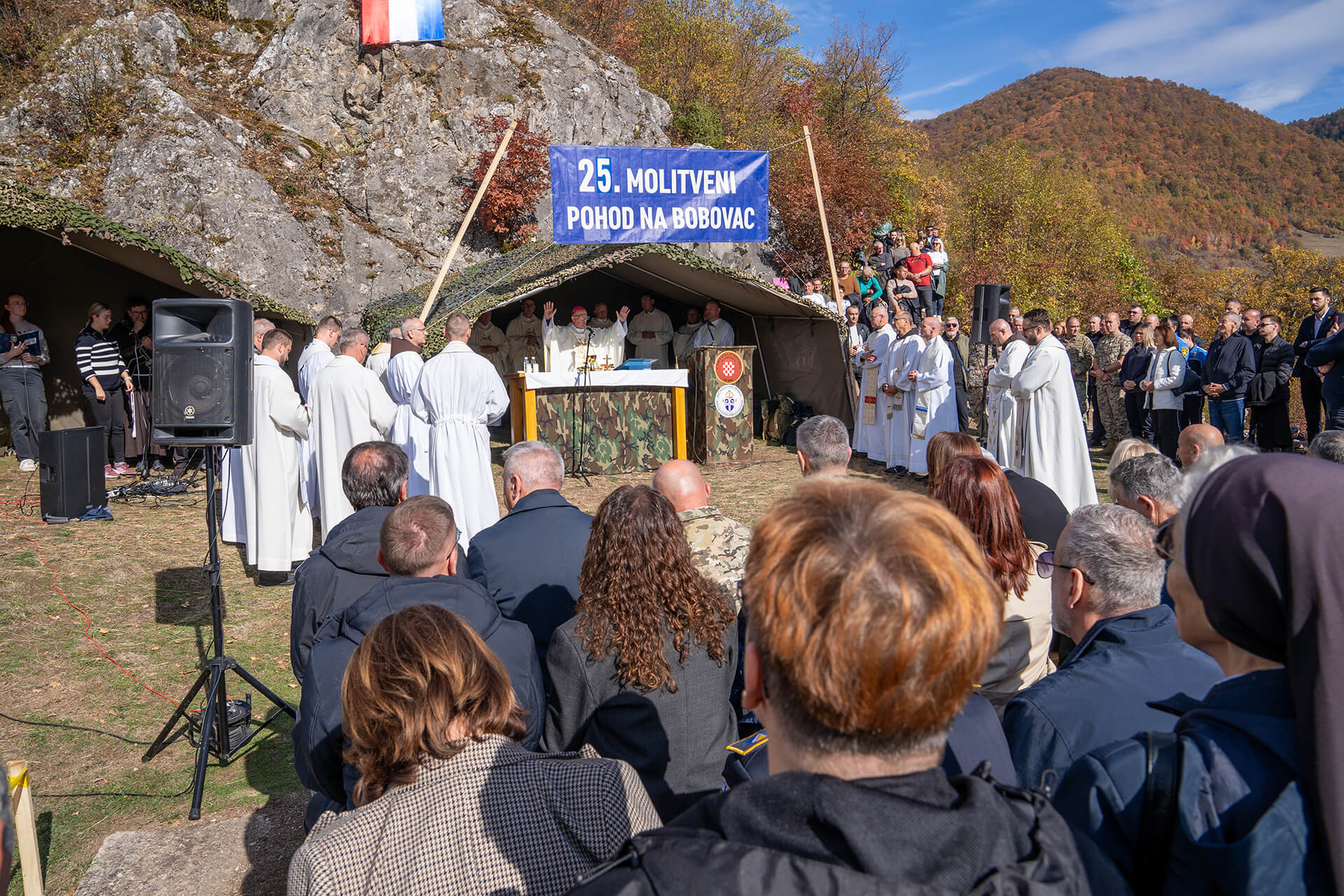
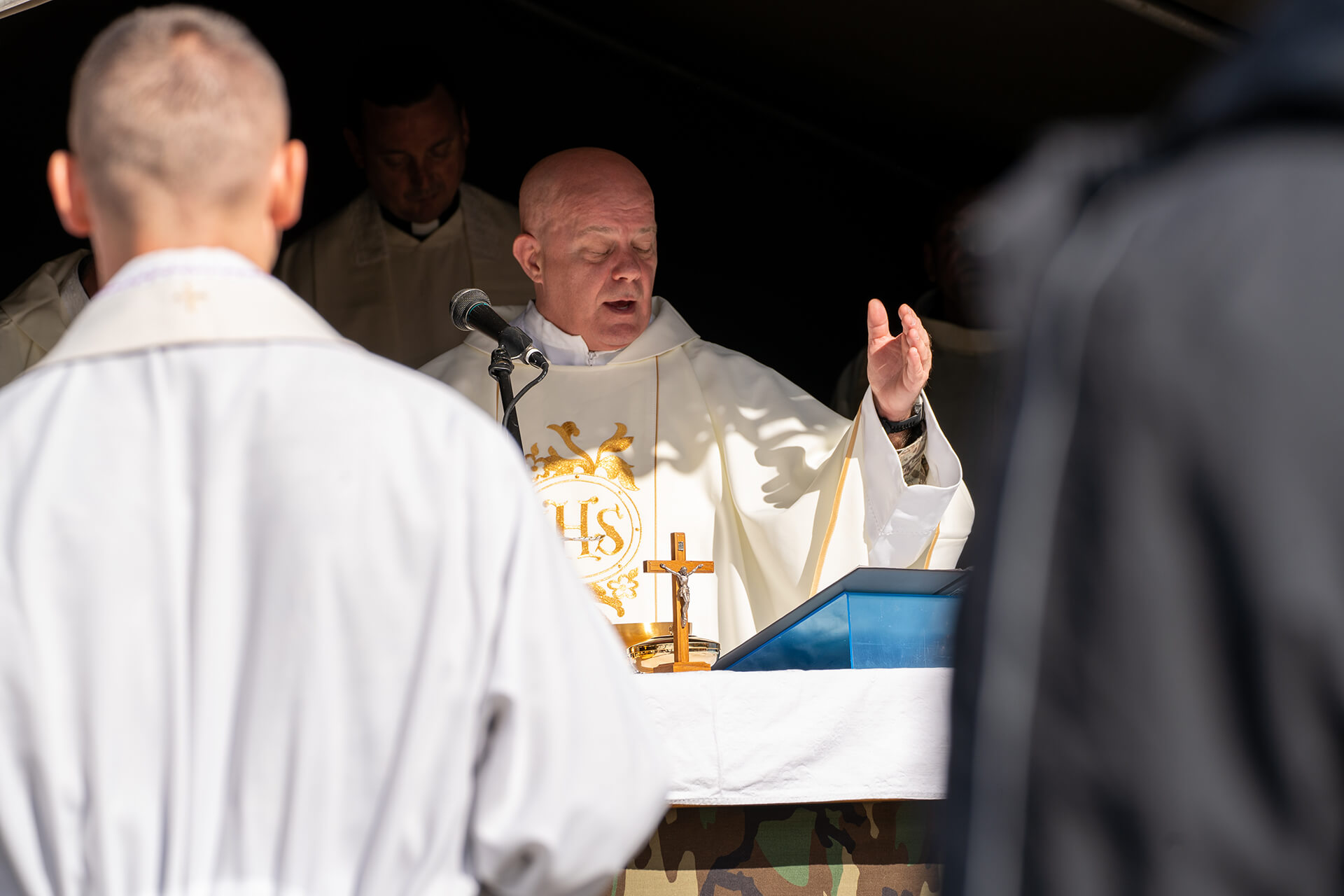
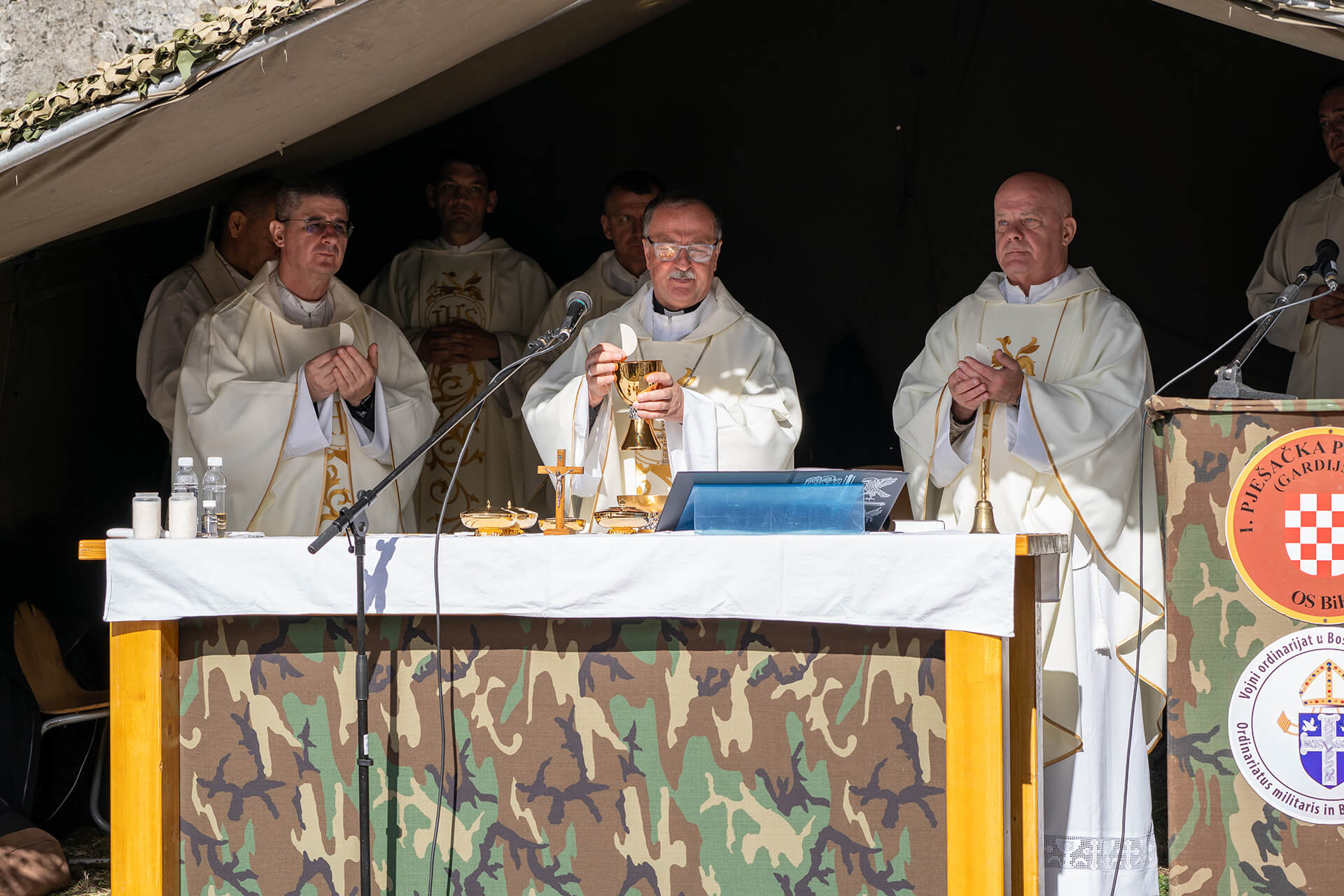
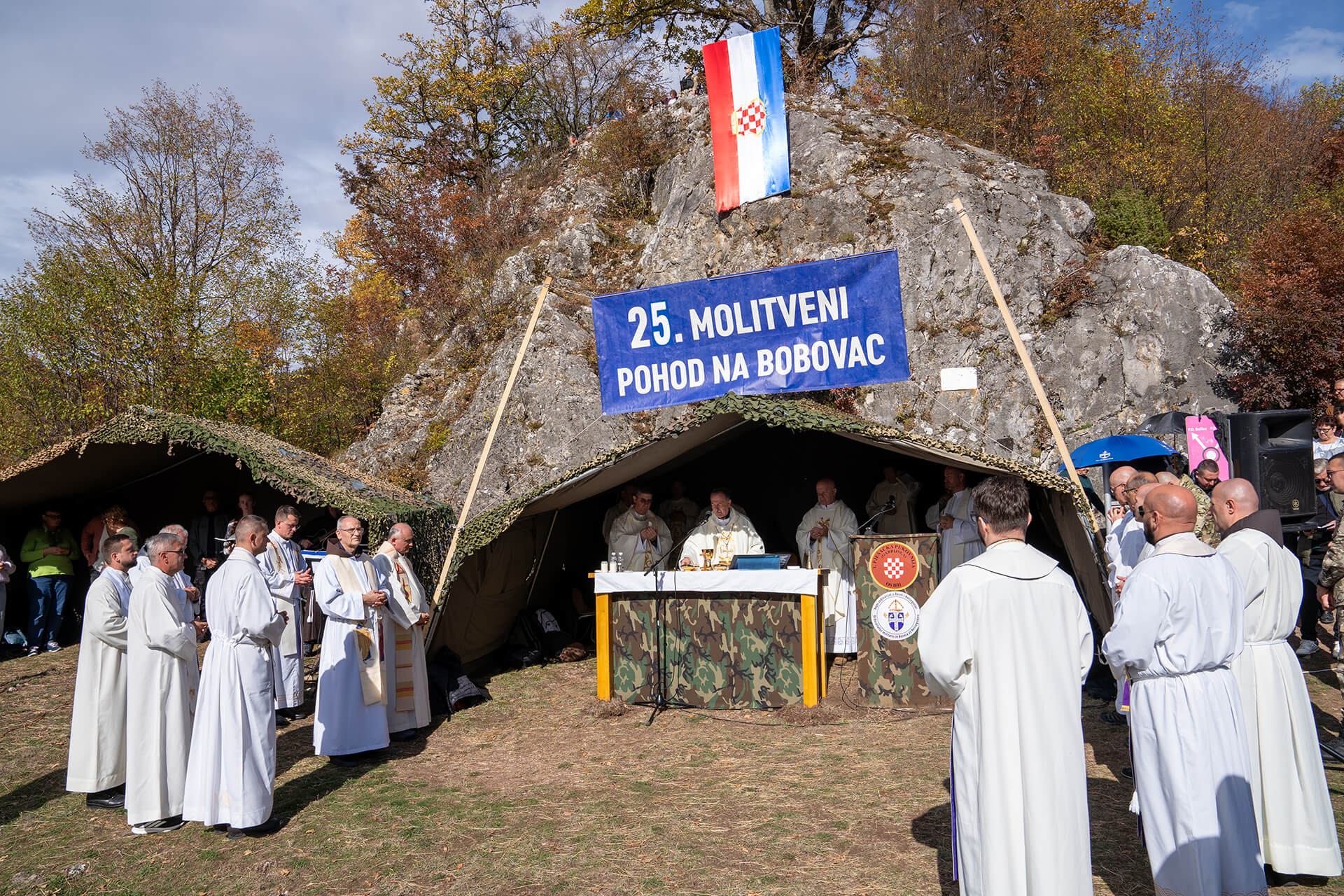
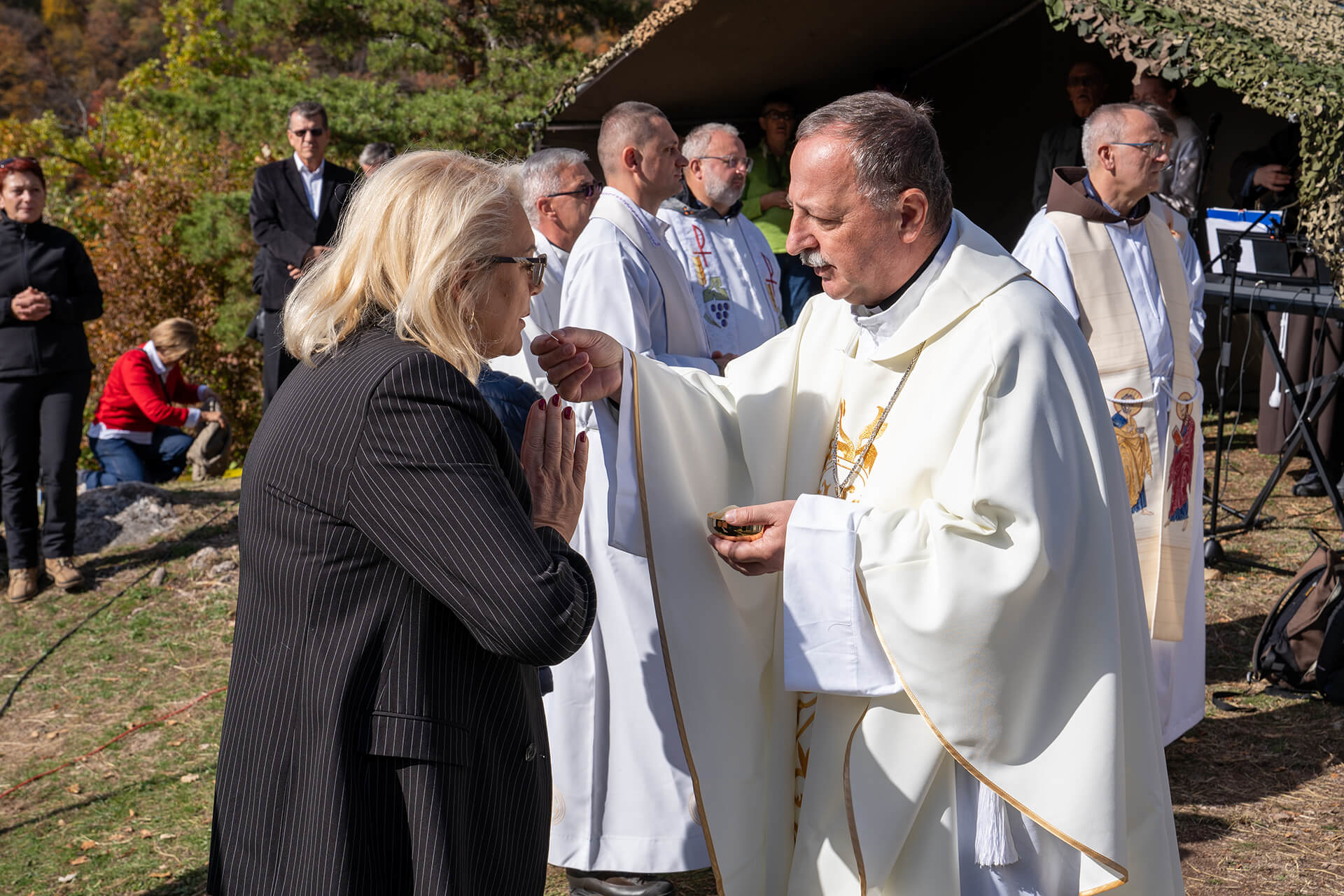
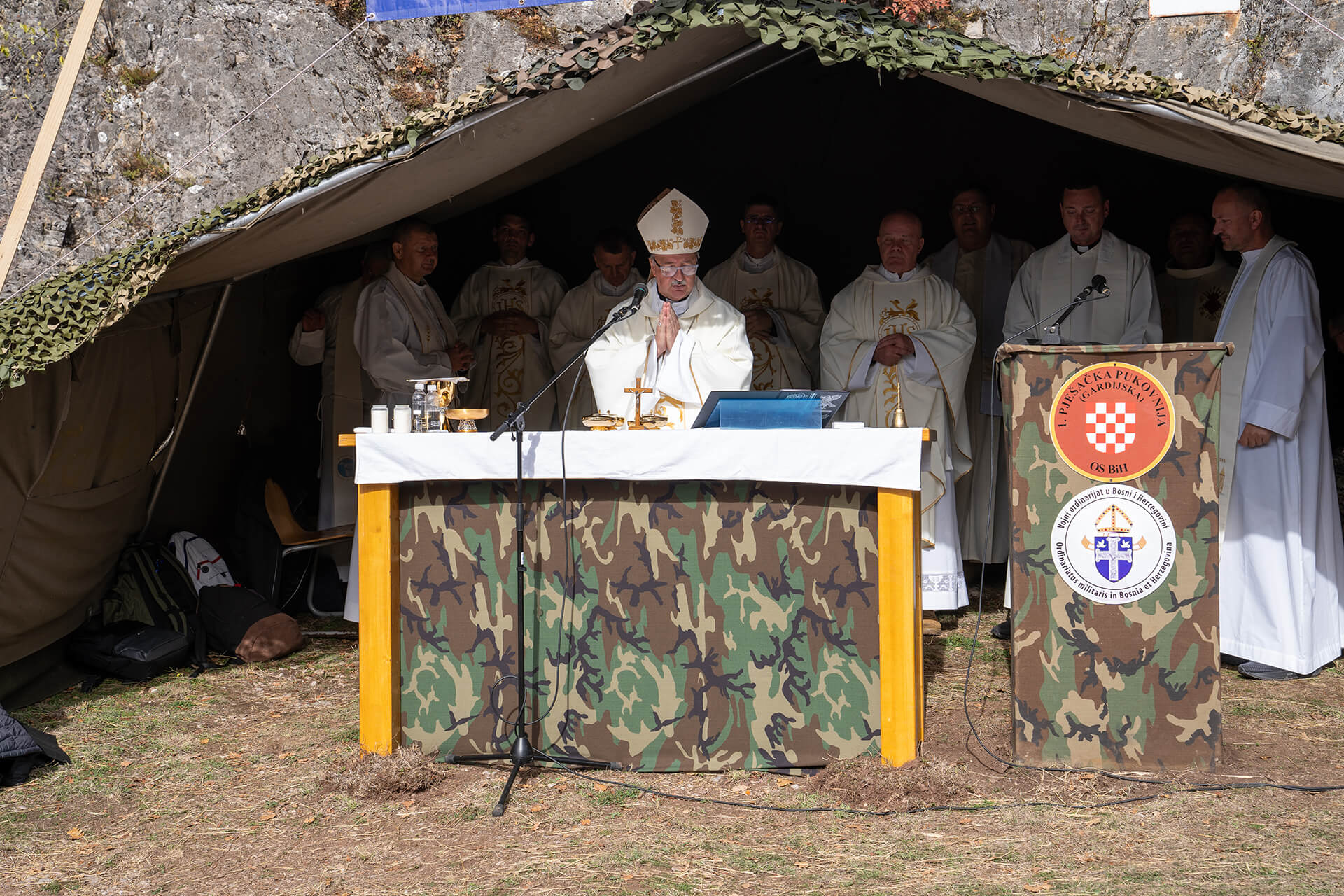
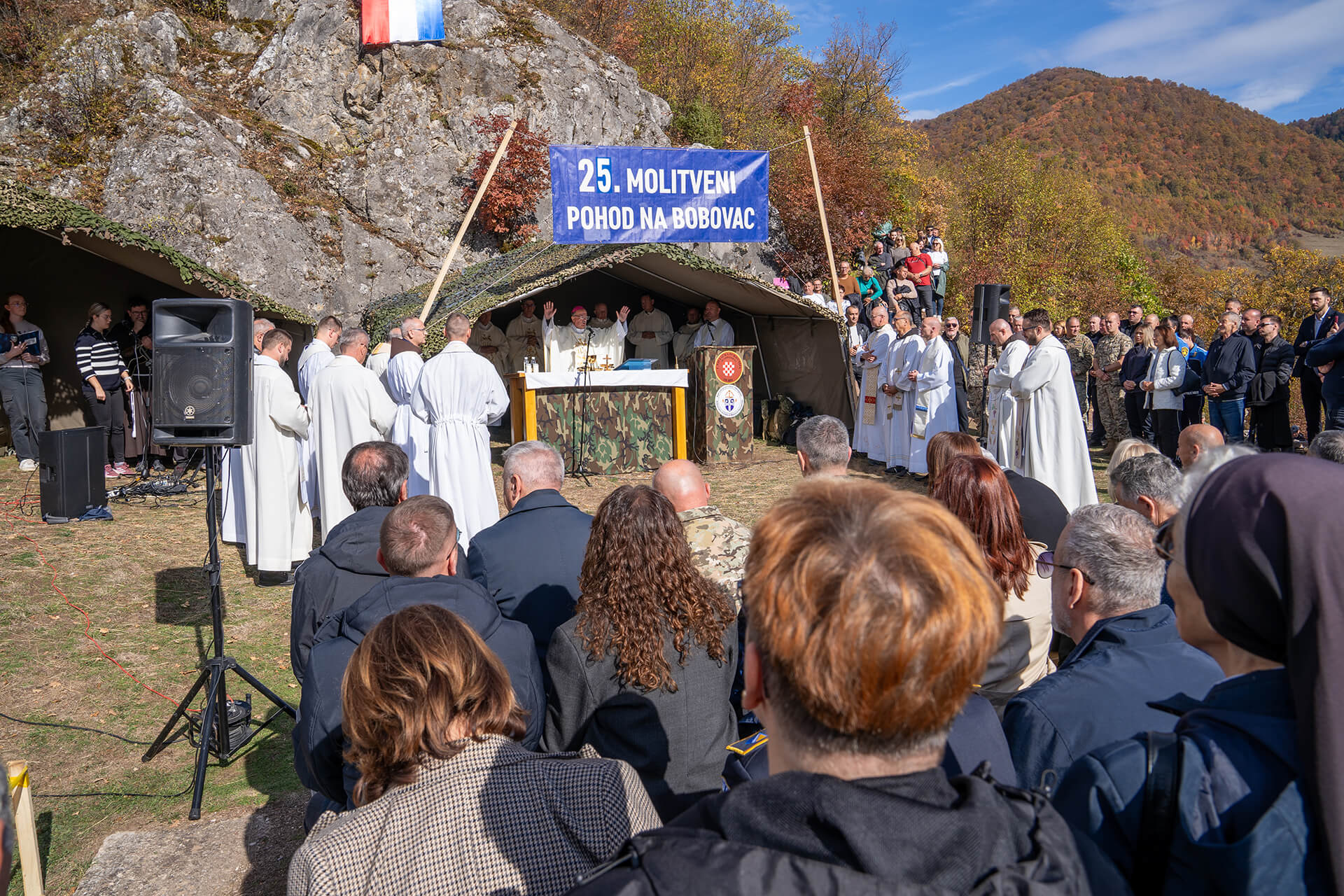
The Holy Mass at Bobovac—located within the parish of Kraljeva Sutjeska—was led by the Military Ordinary in Bosnia and Herzegovina, Msgr. Miro Relota, OFM.
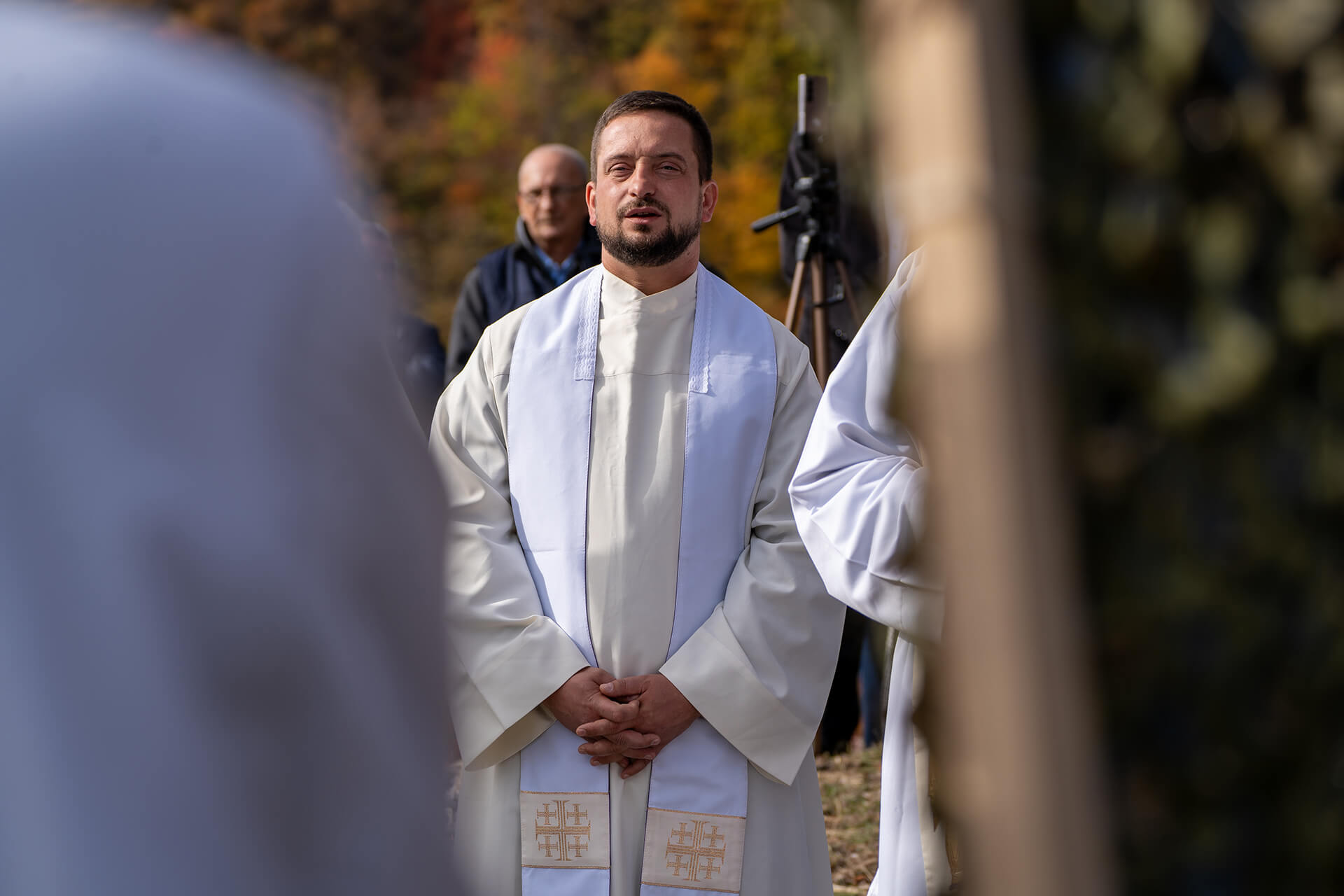
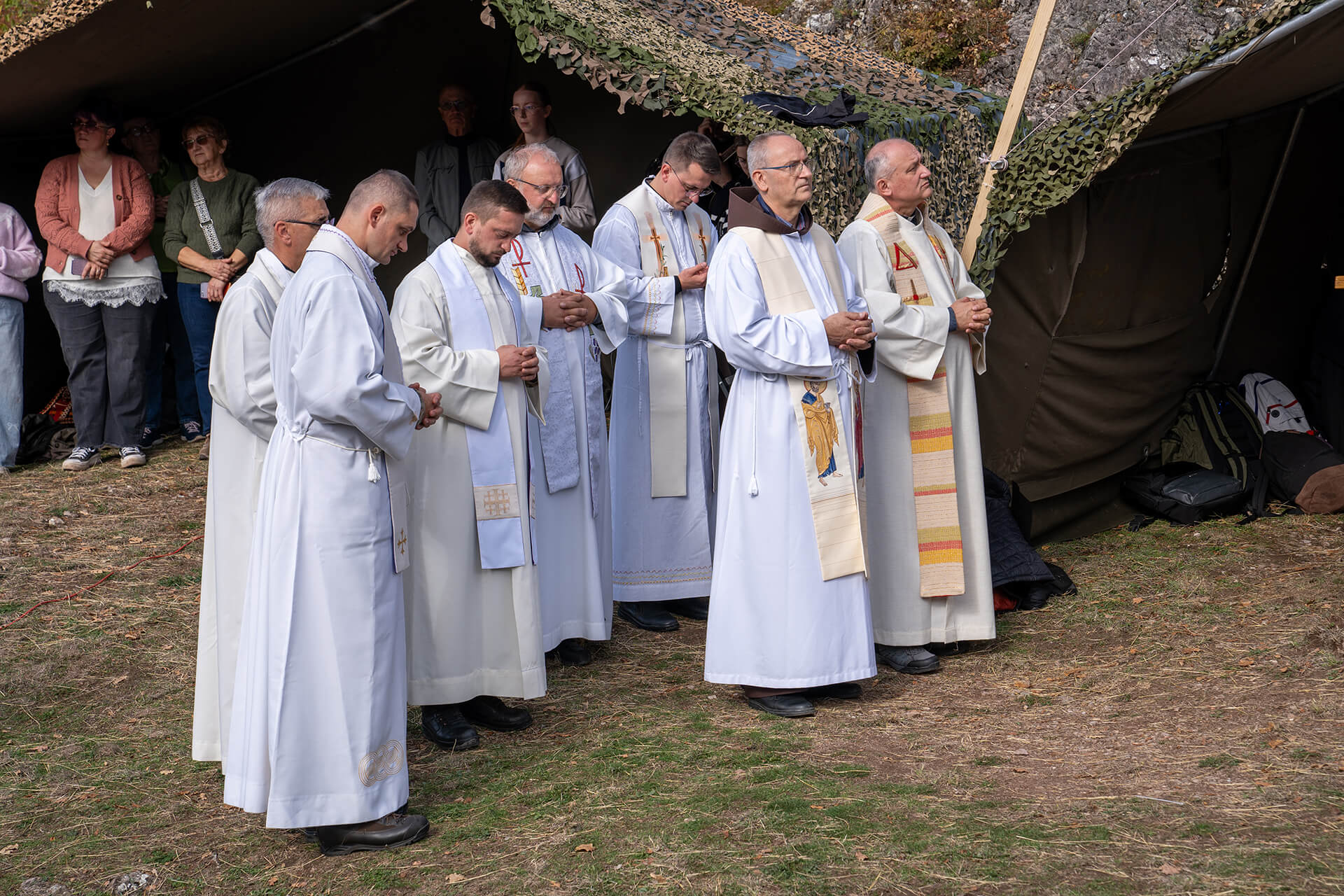
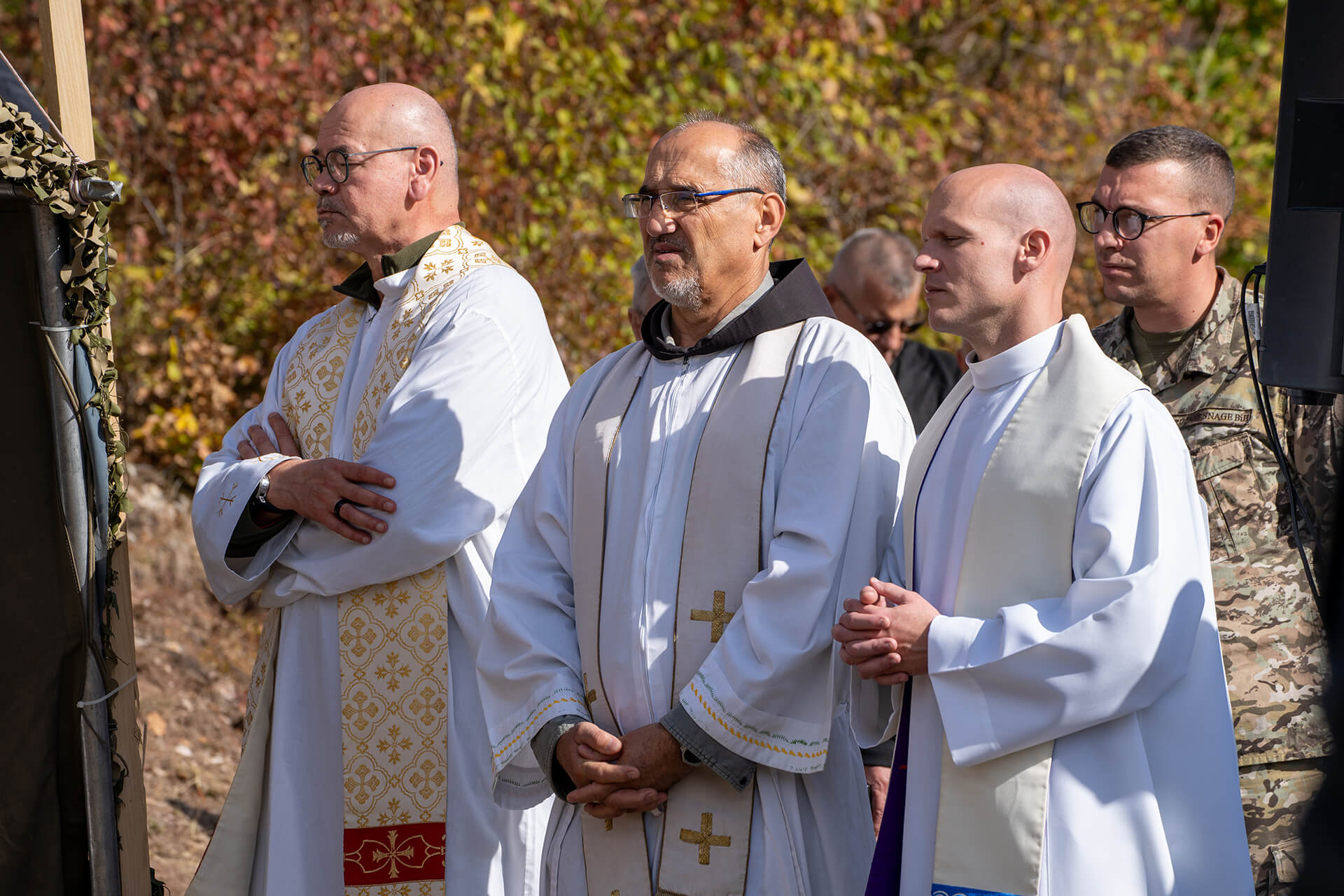
Concelebrating were approximately 20 priests, including the Vicars General of the Vrhbosna Archdiocese Msgr. Slađan Ćosić, the Military Ordinariate in Bosnia and Herzegovina Msgr. Željko Čuturić, the Military Ordinariate of the Republic of Croatia Msgr. Ilija Jakovljević, and the Military Ordinariate of Slovenia Msgr. Matjaž Murišić.
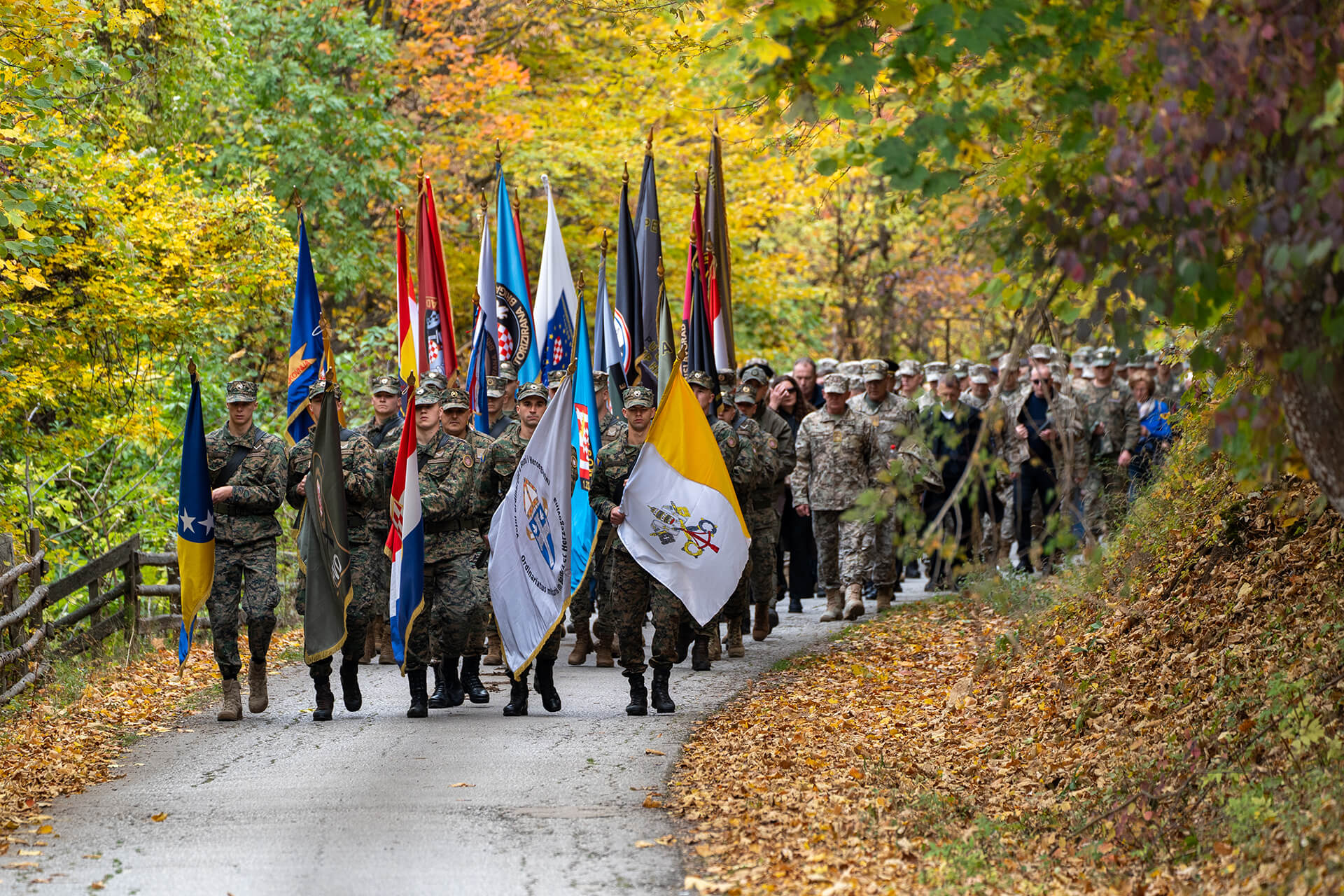
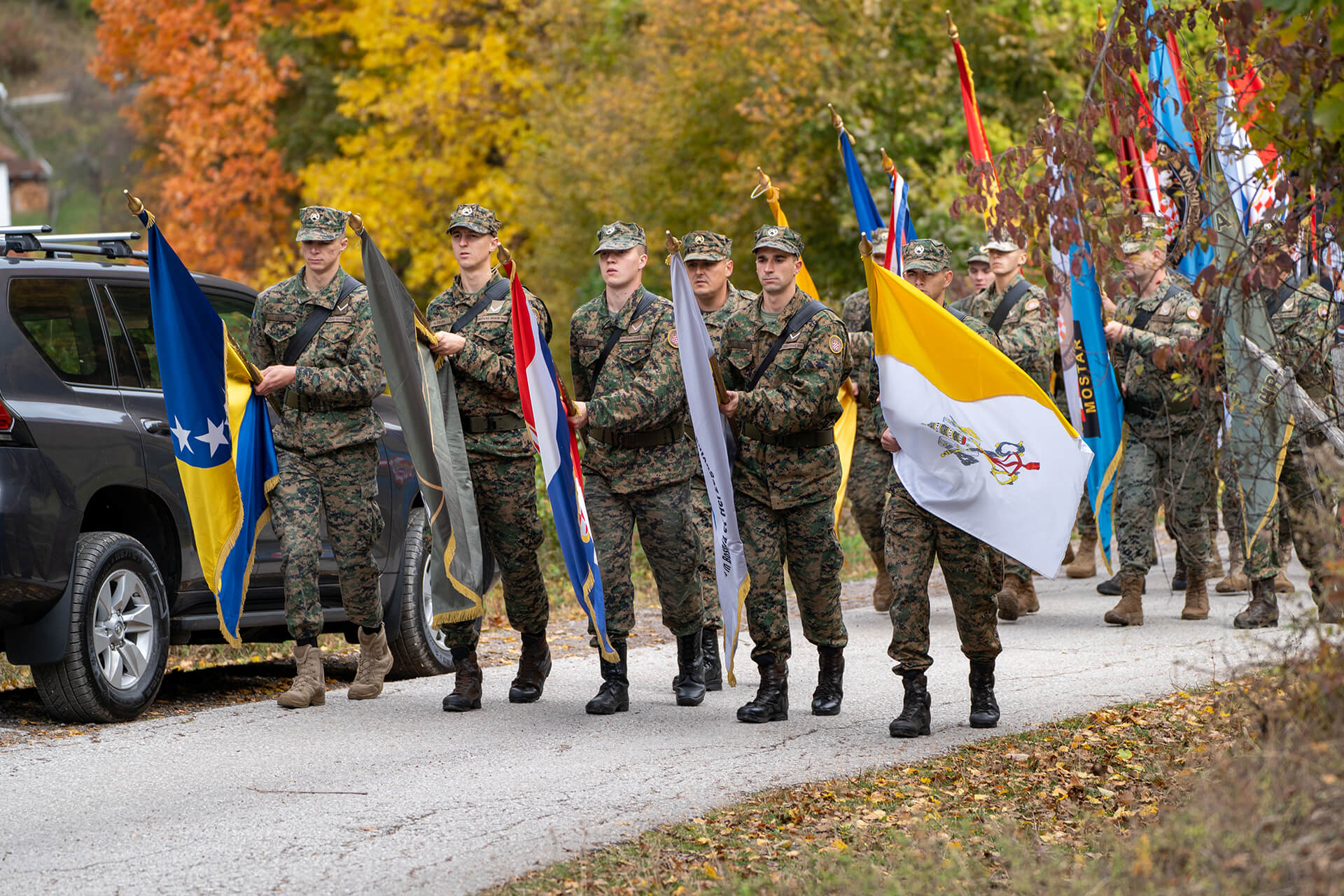
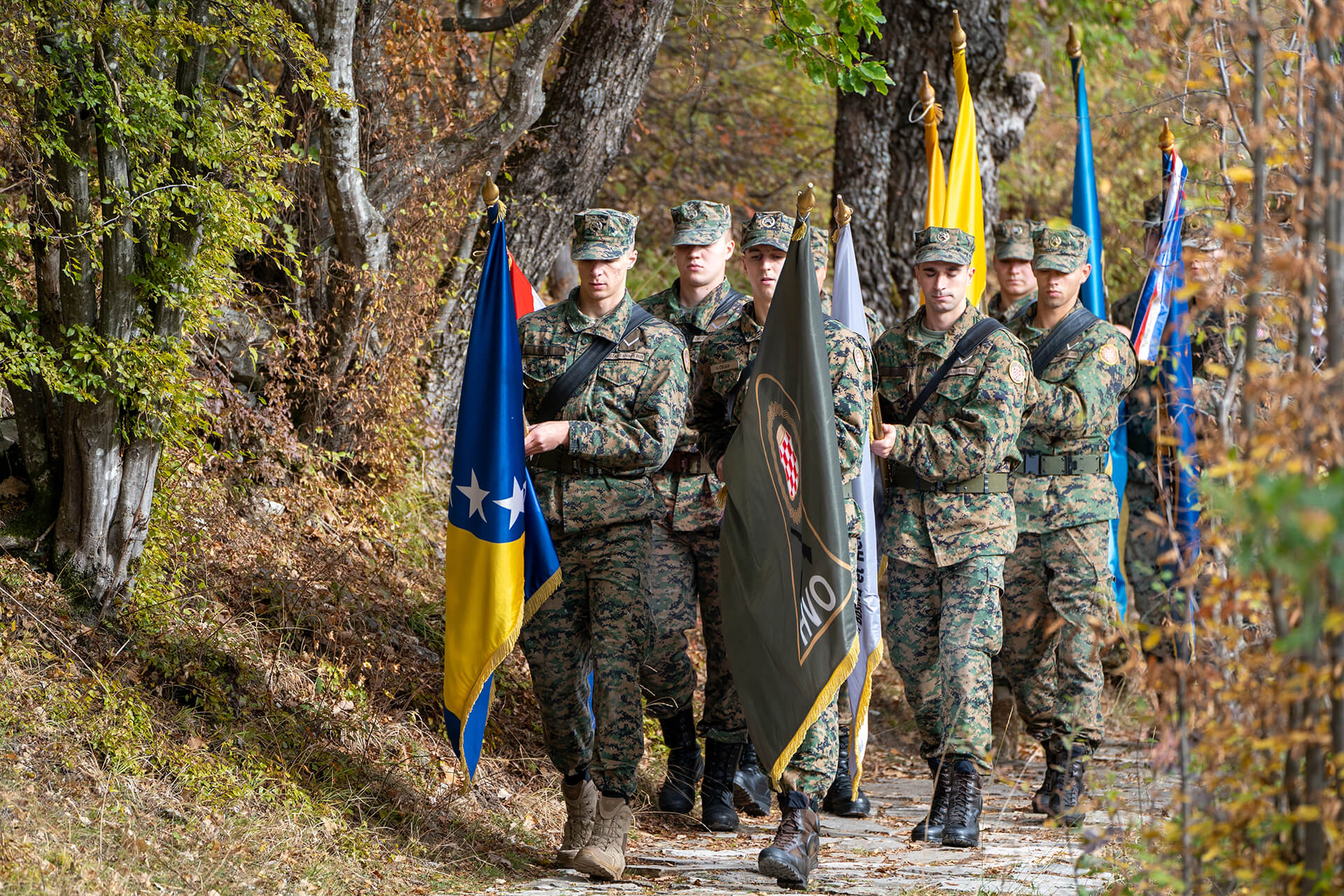
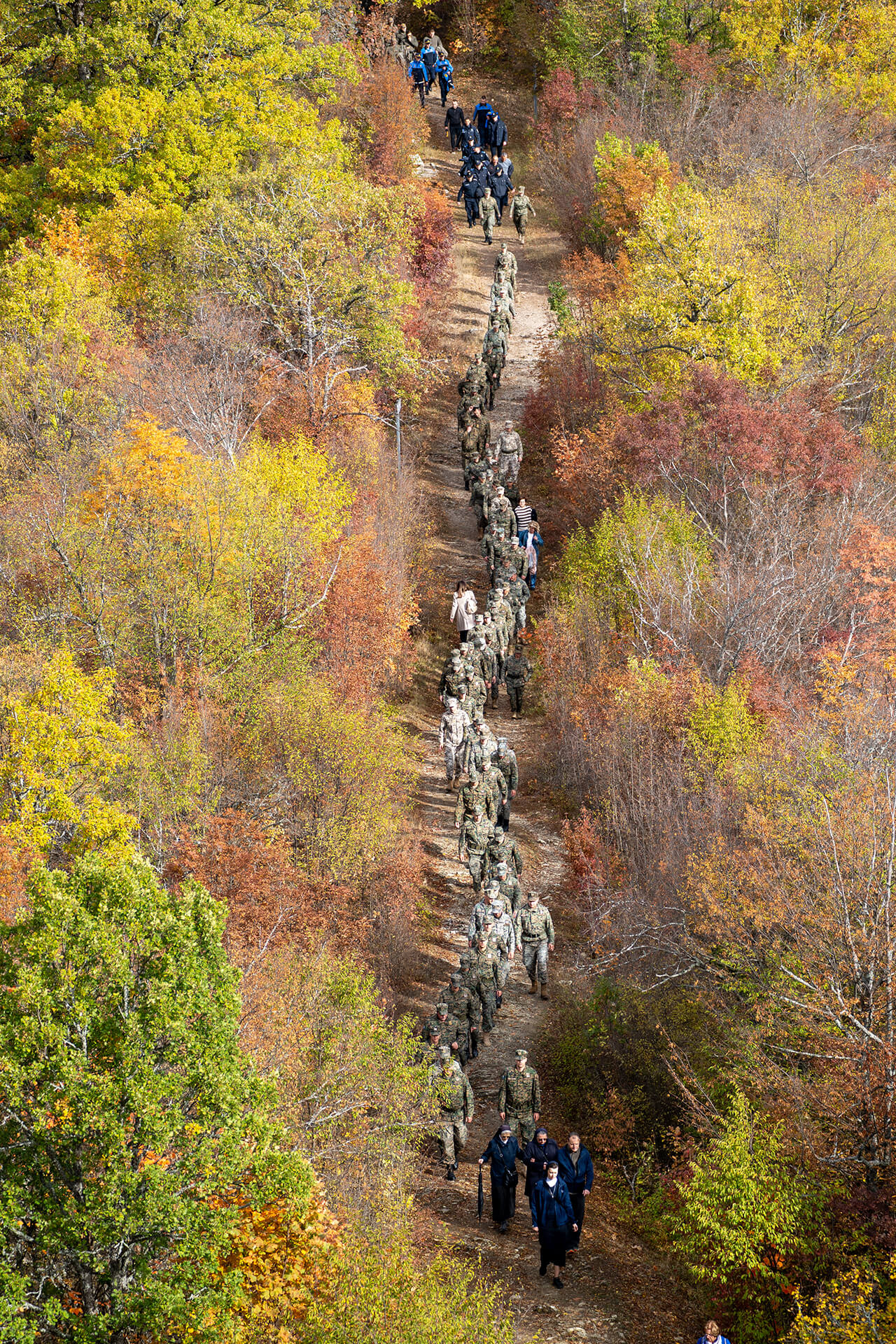
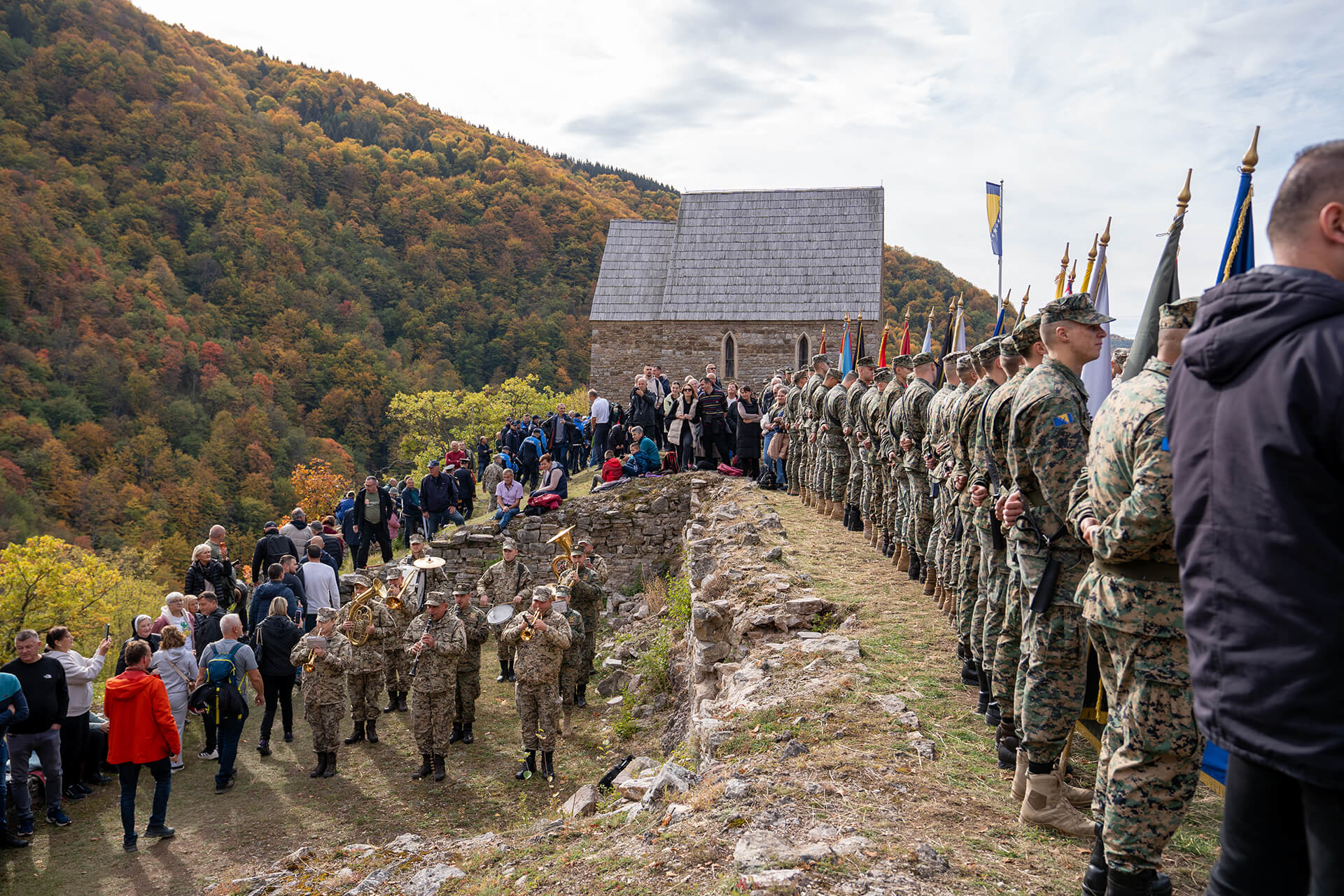
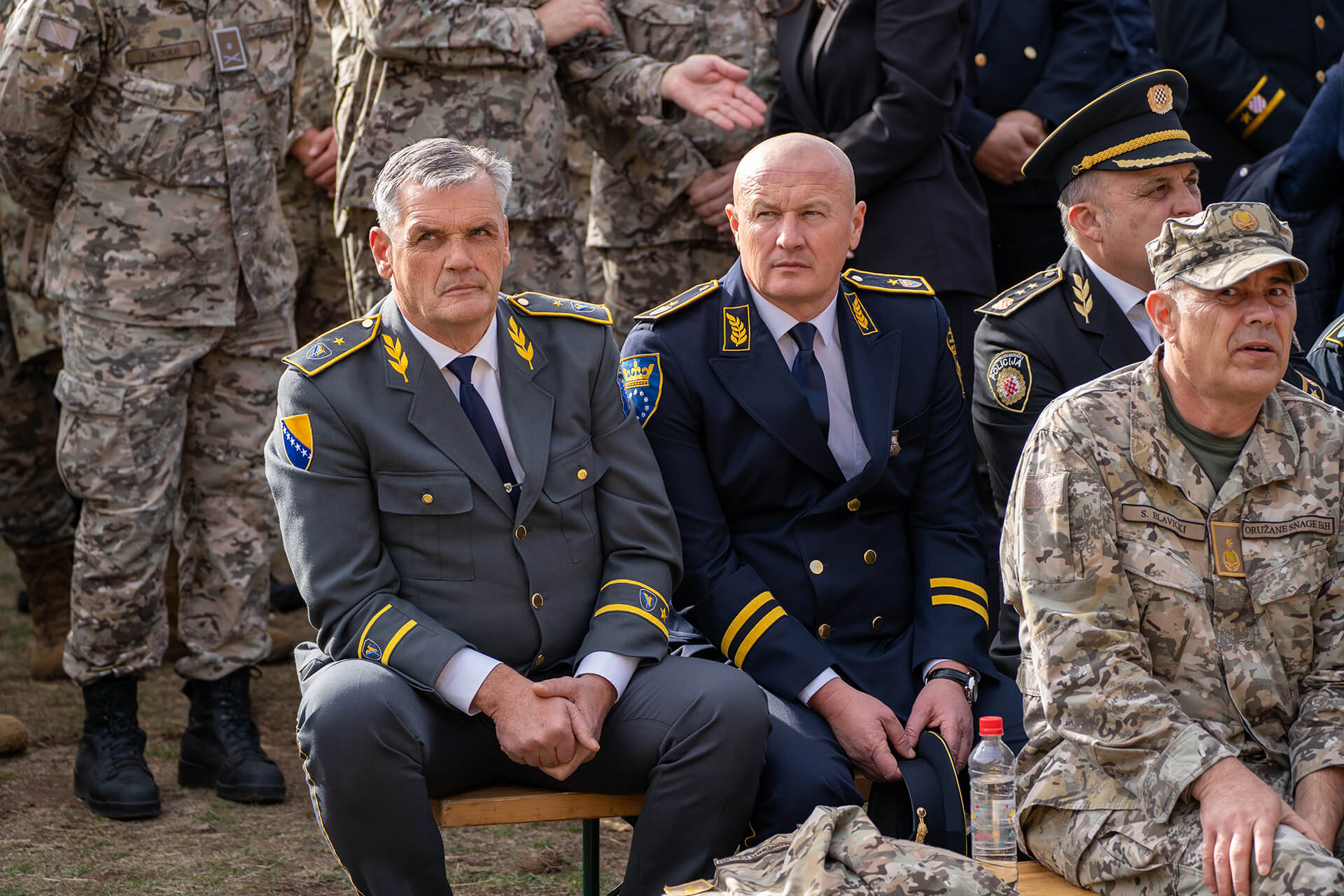
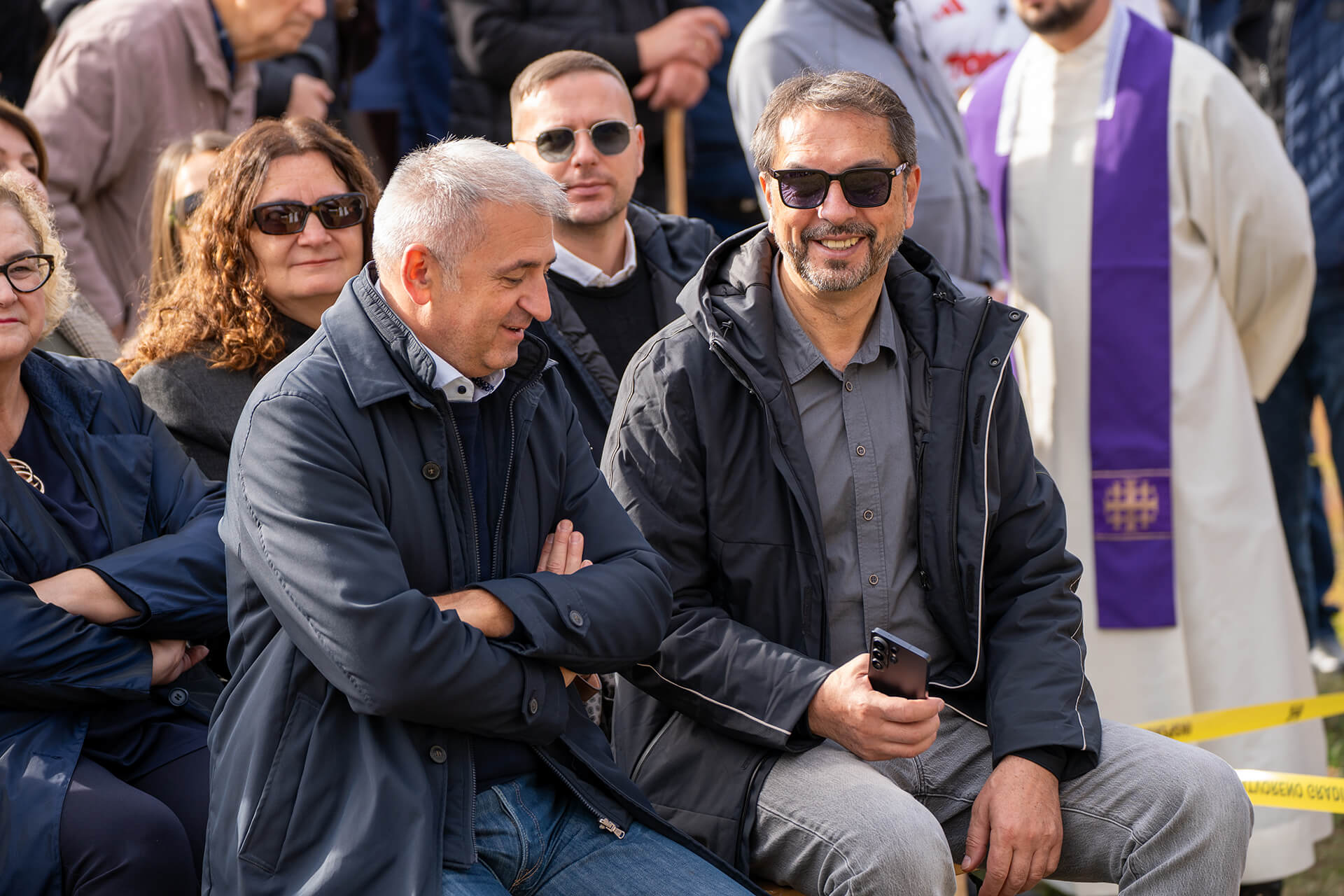
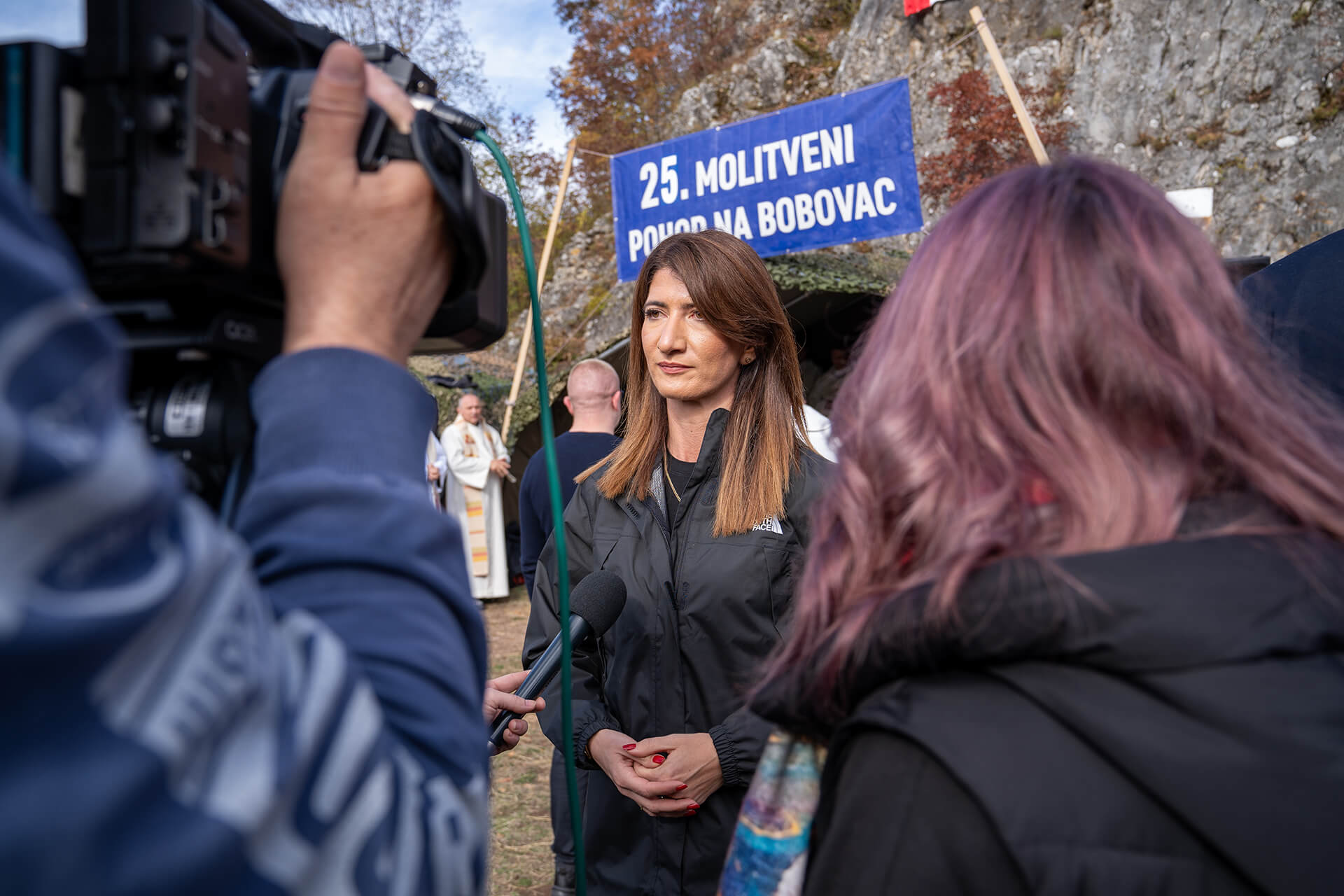
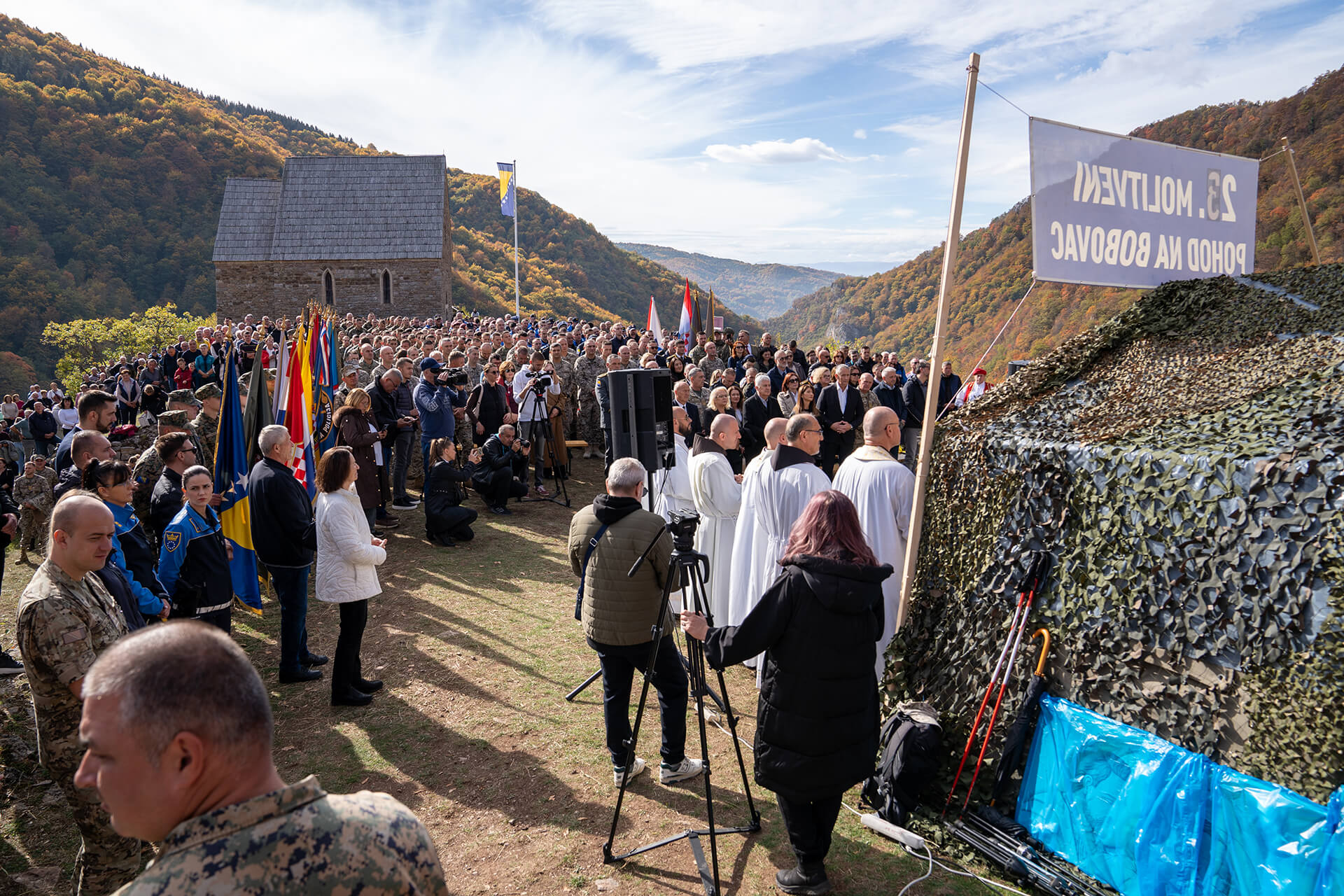
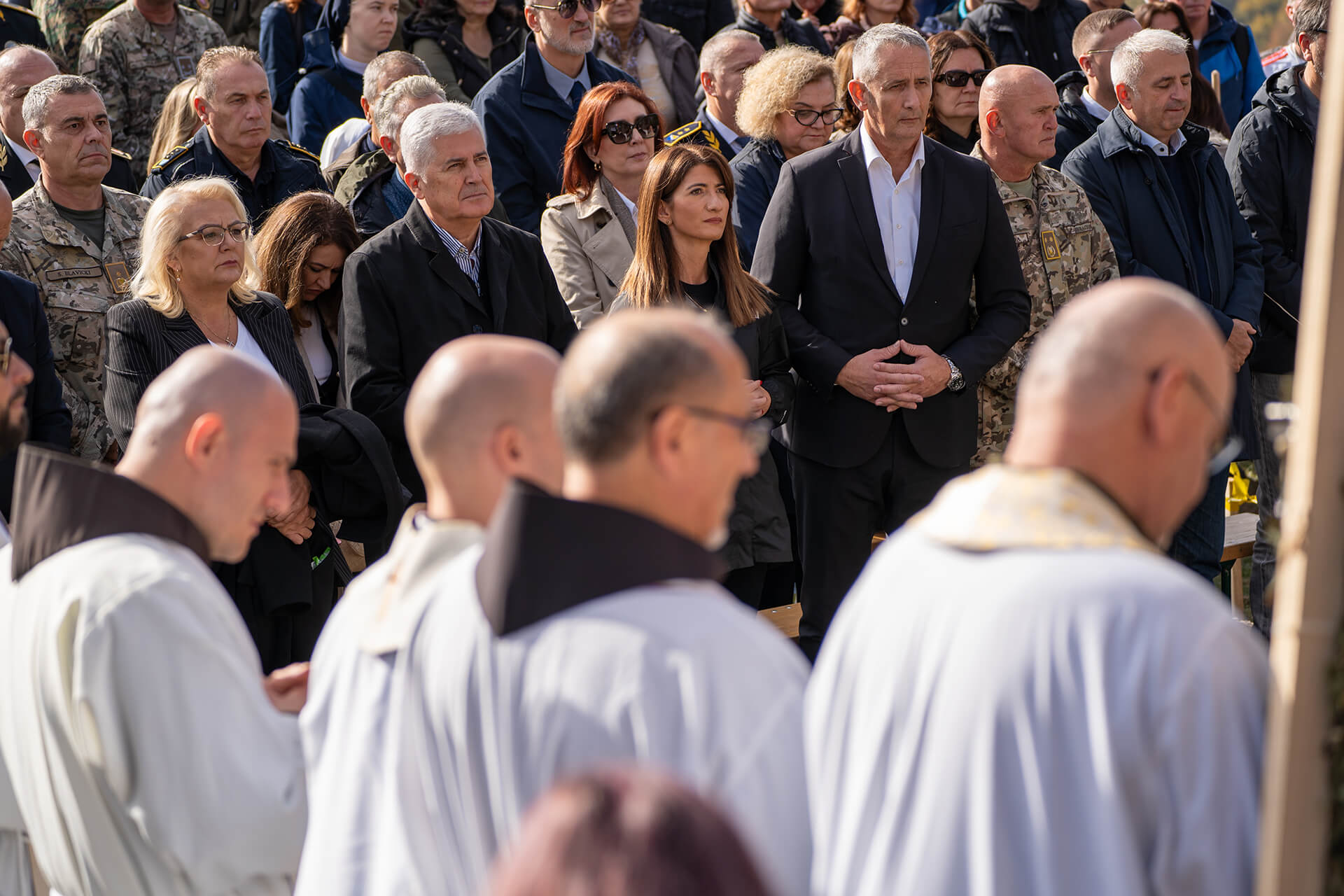
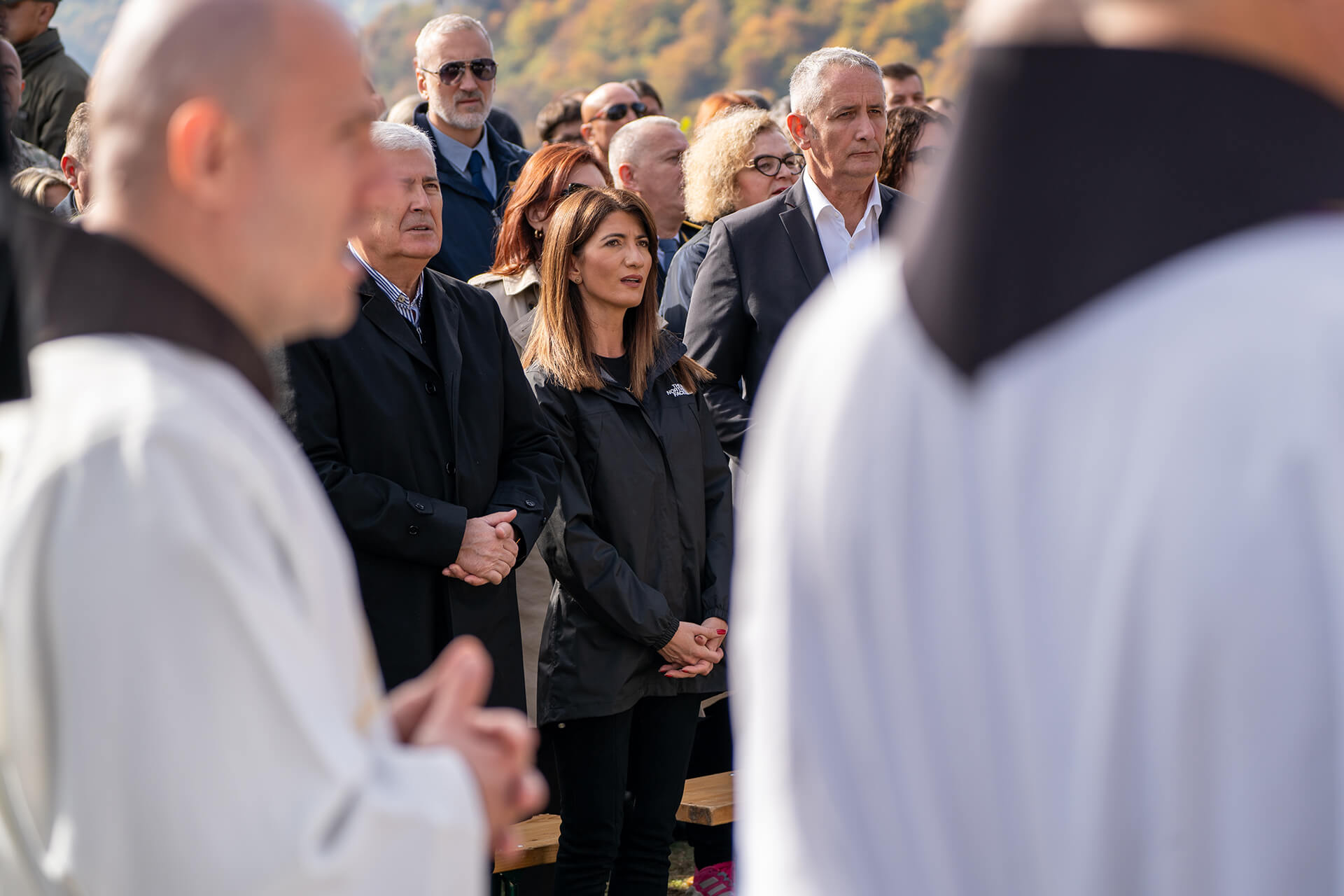
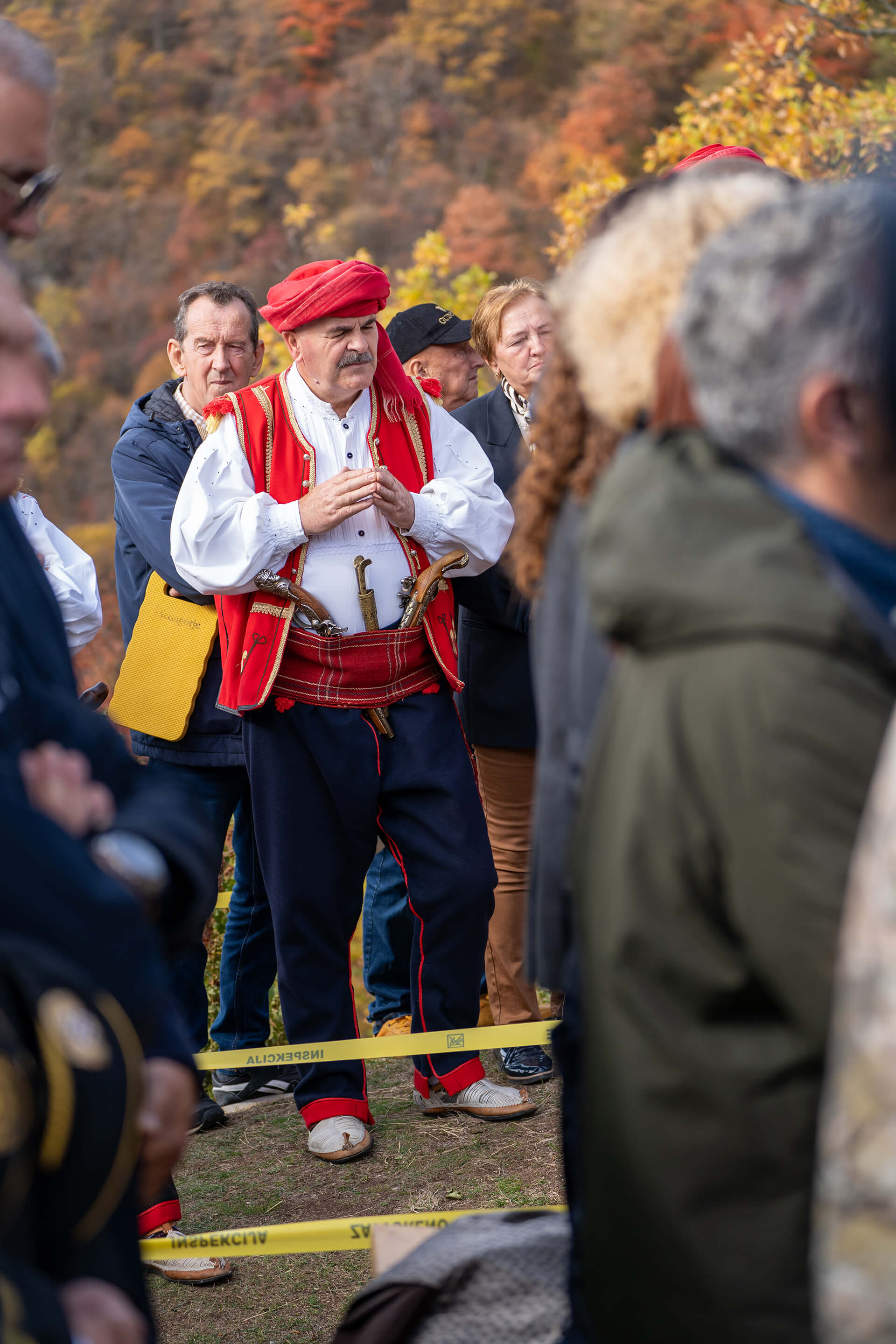
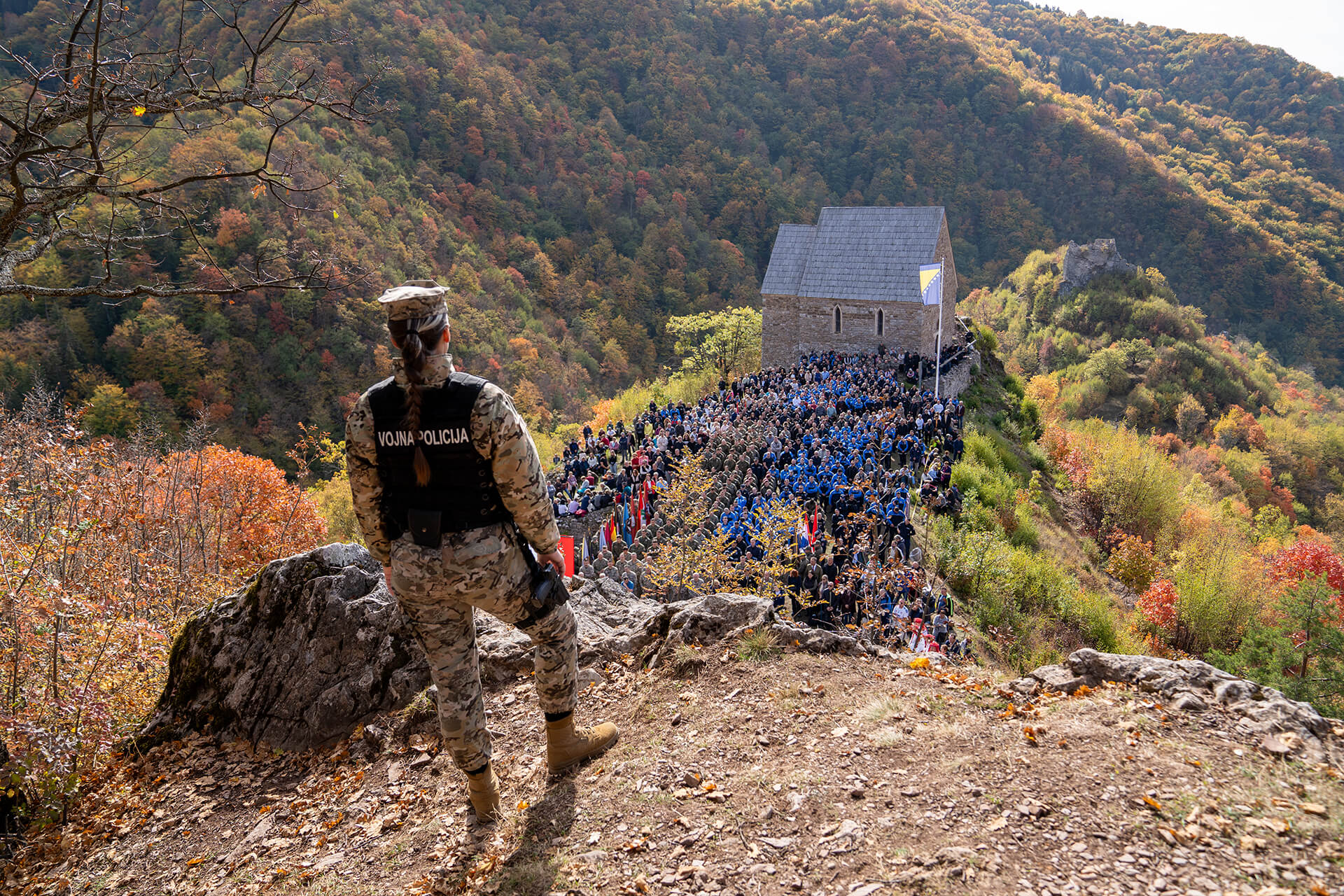
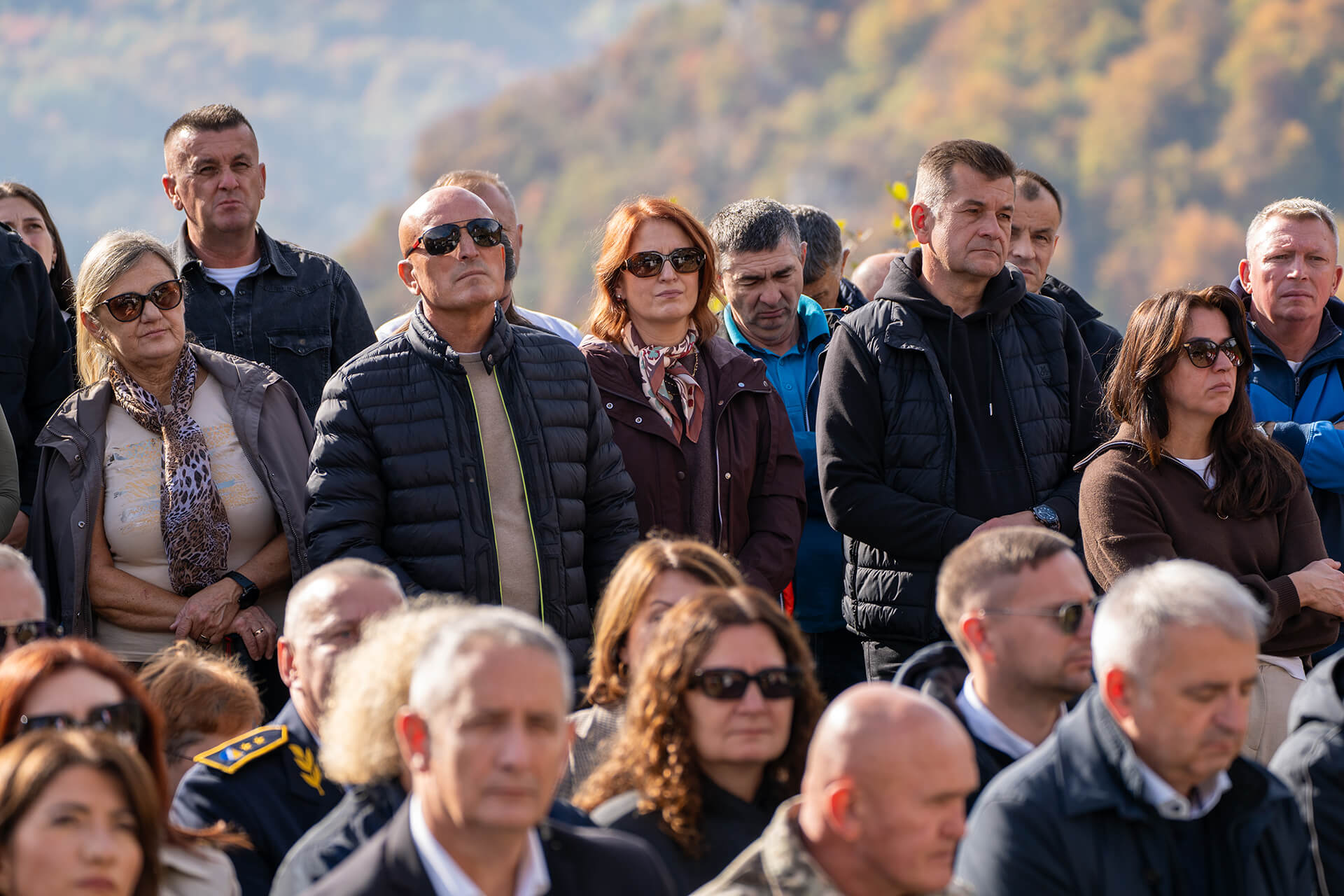
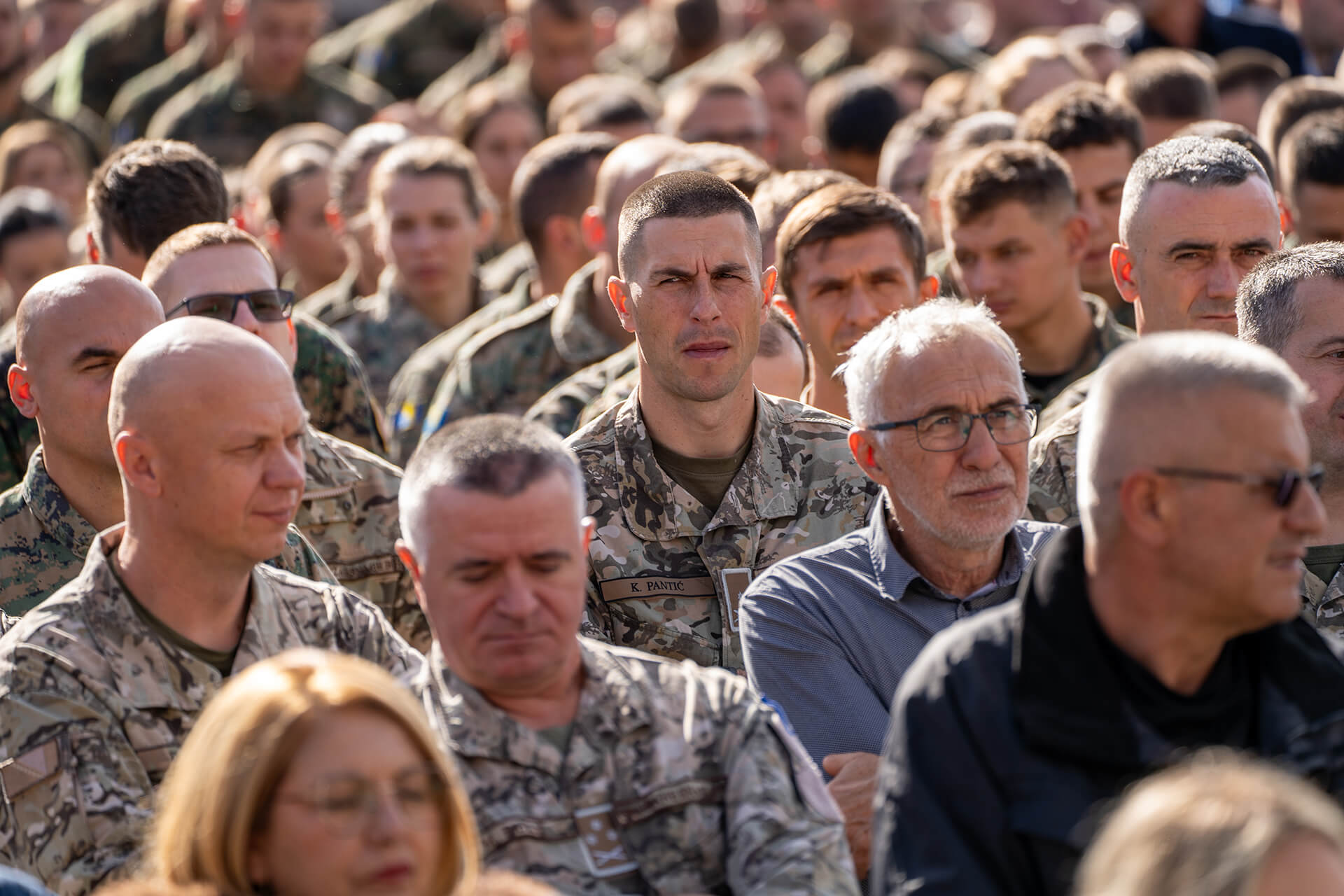
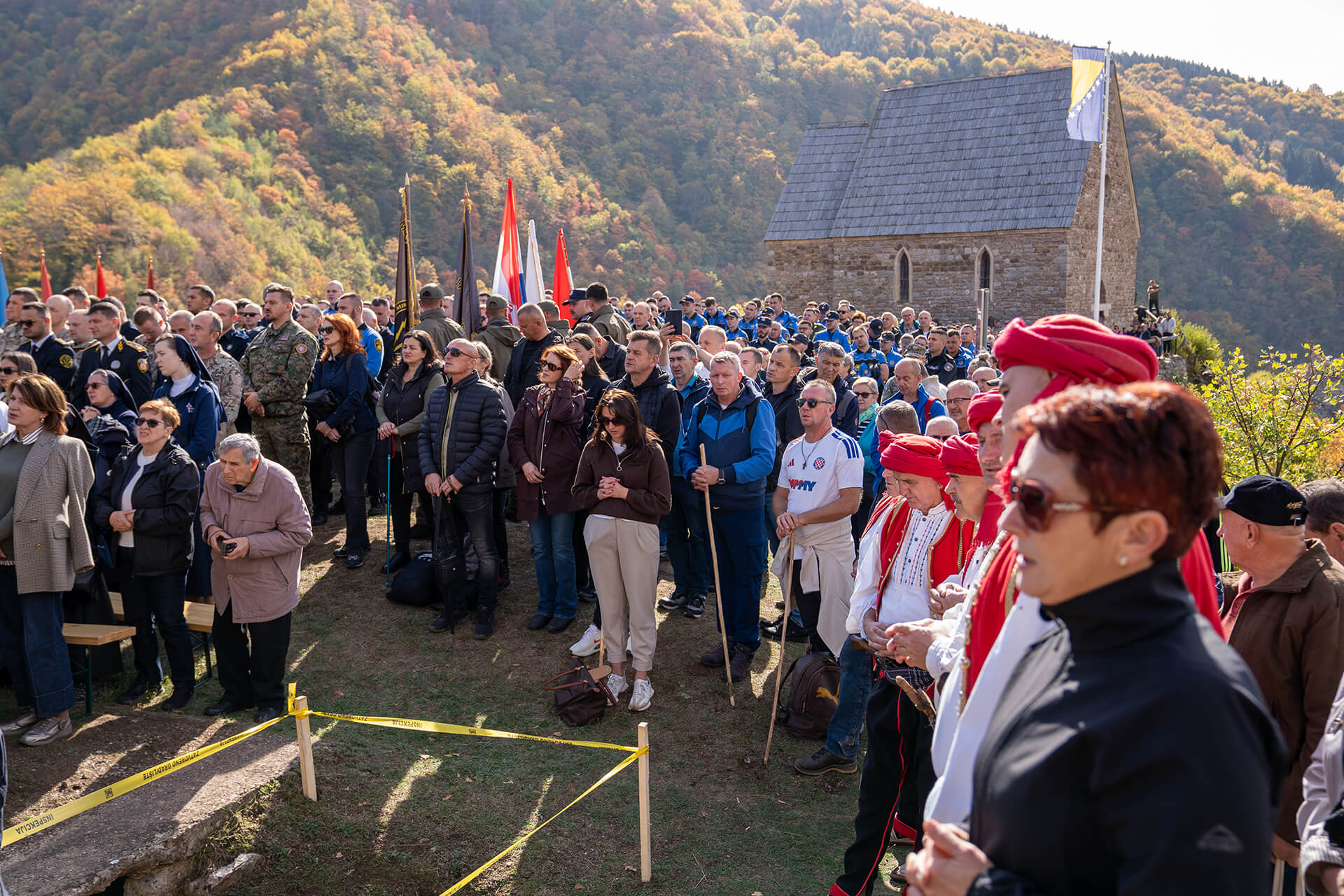
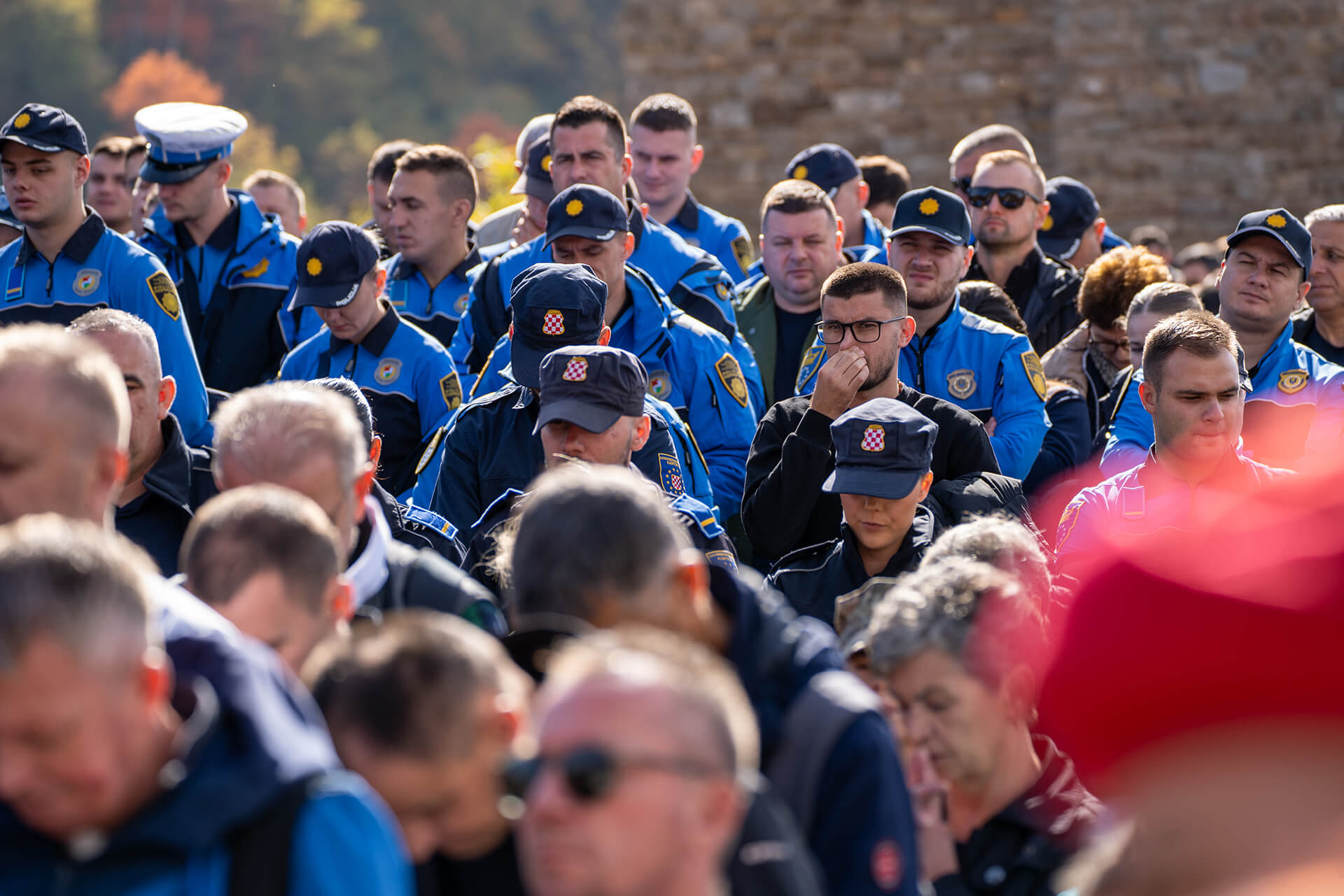
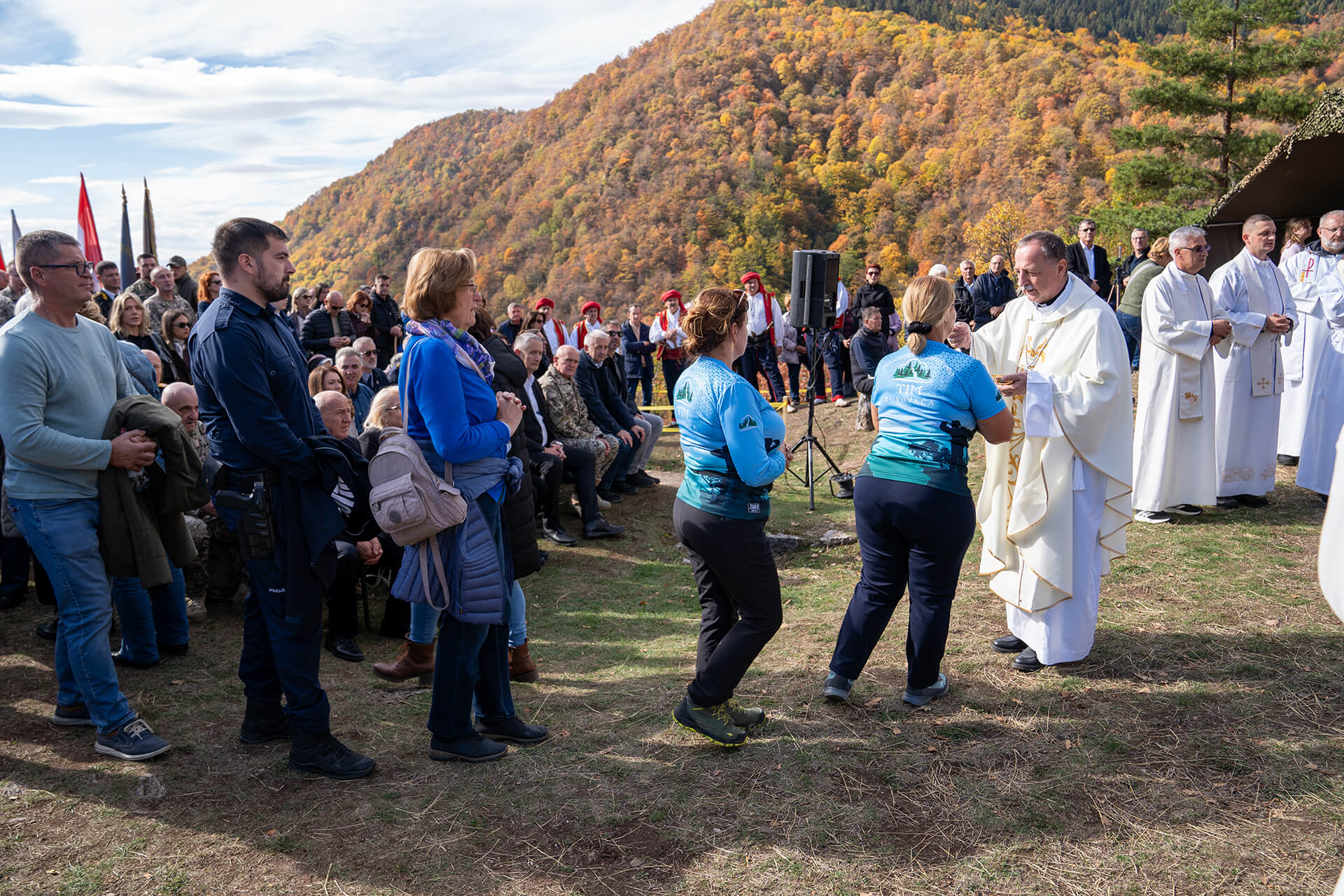
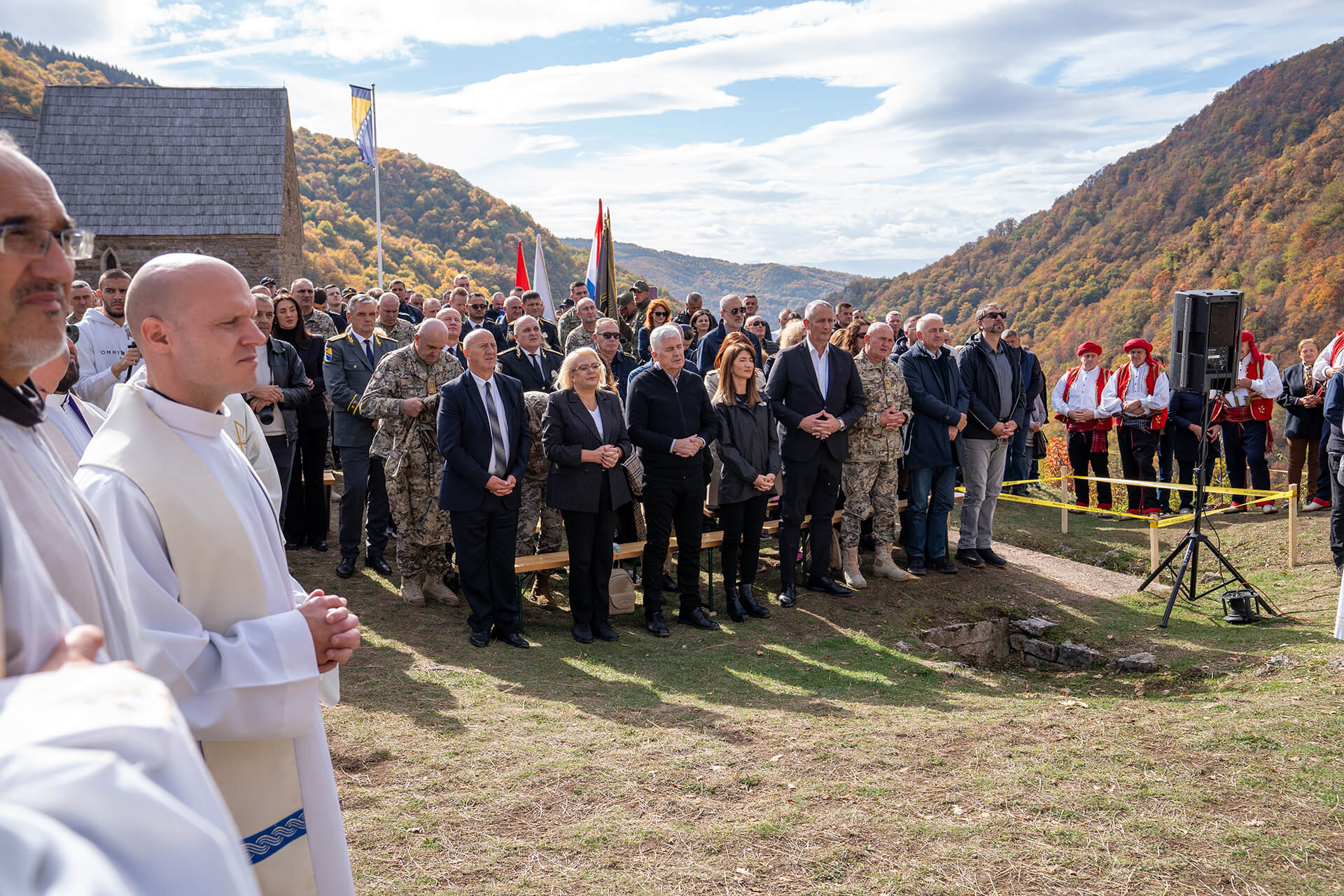
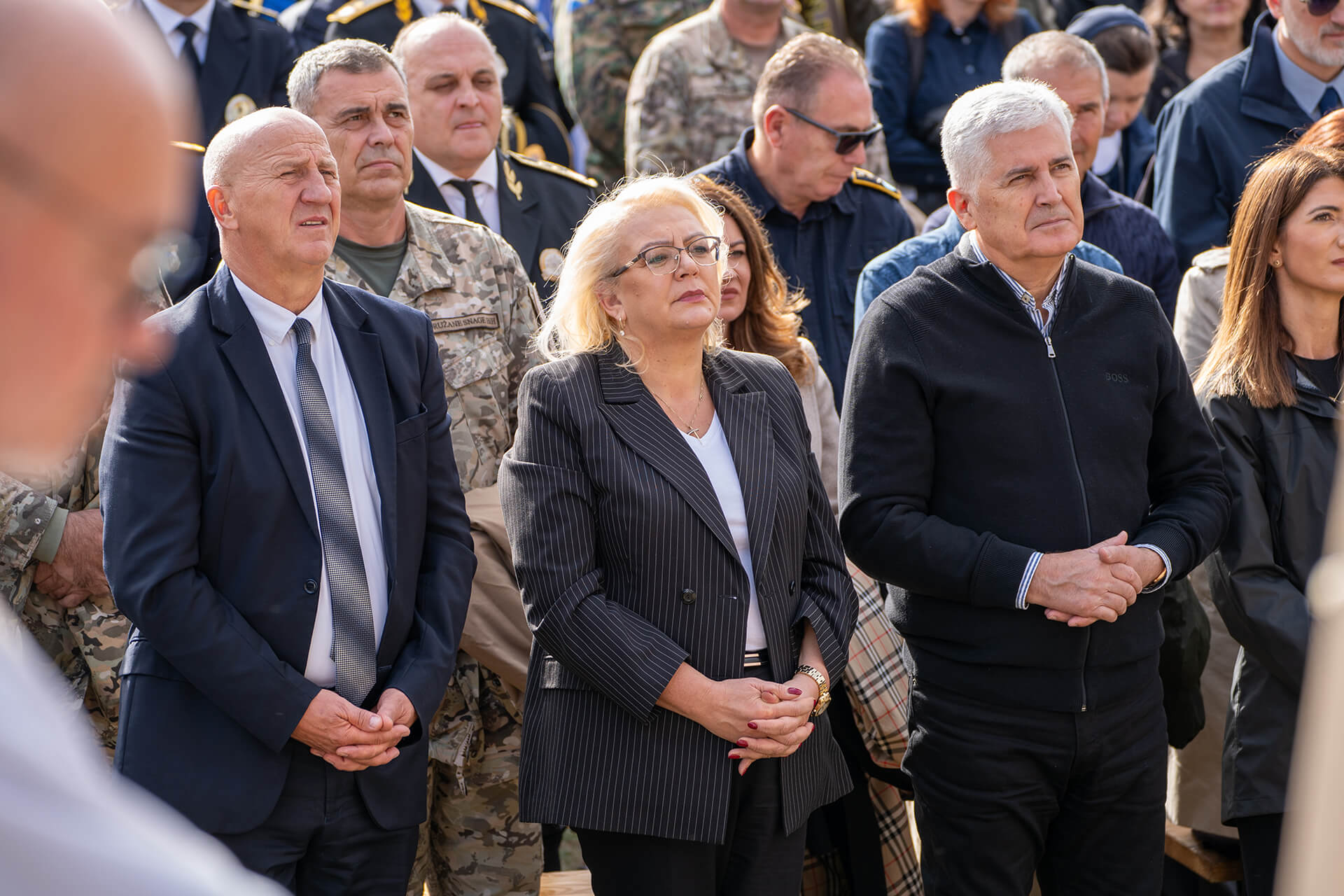
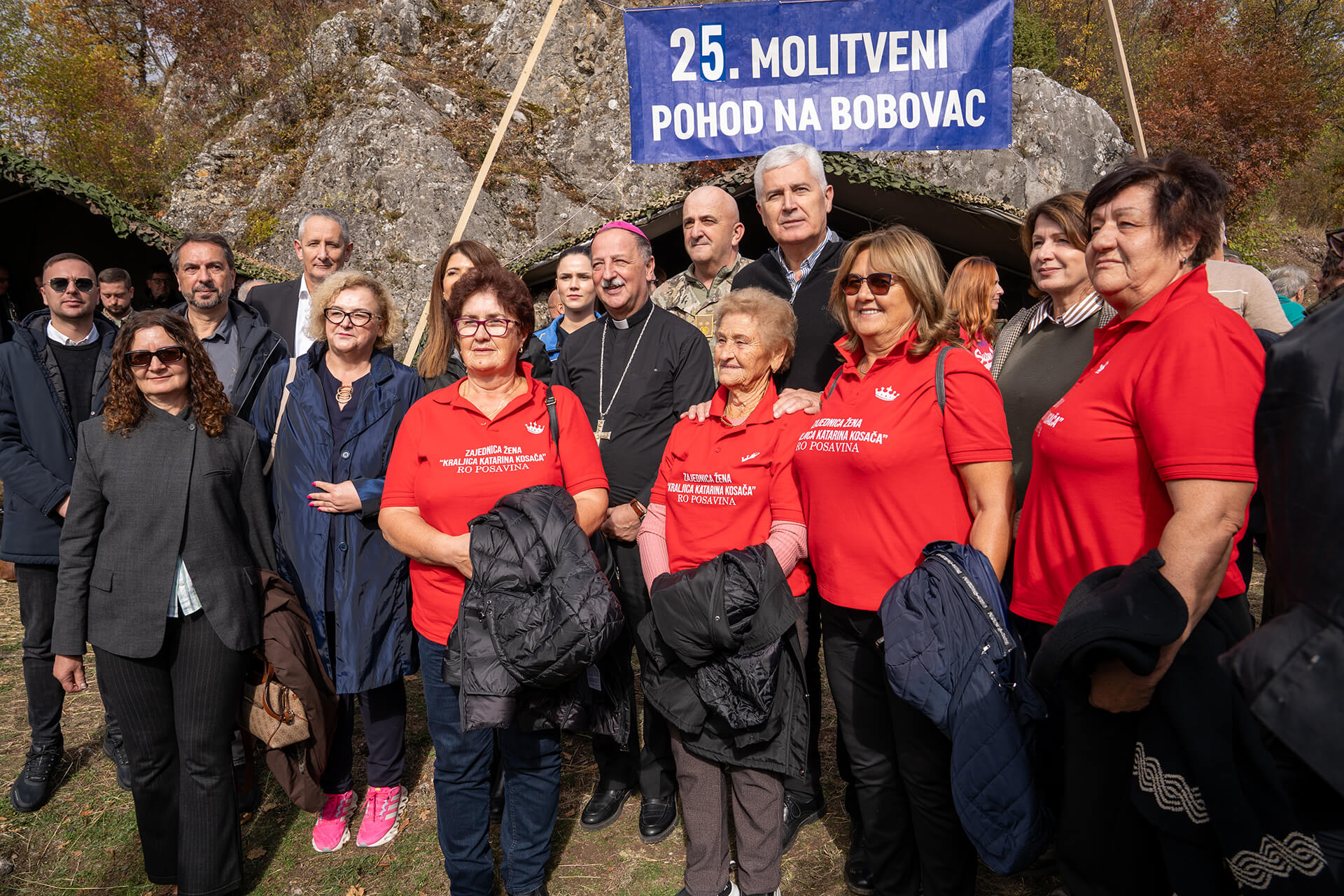
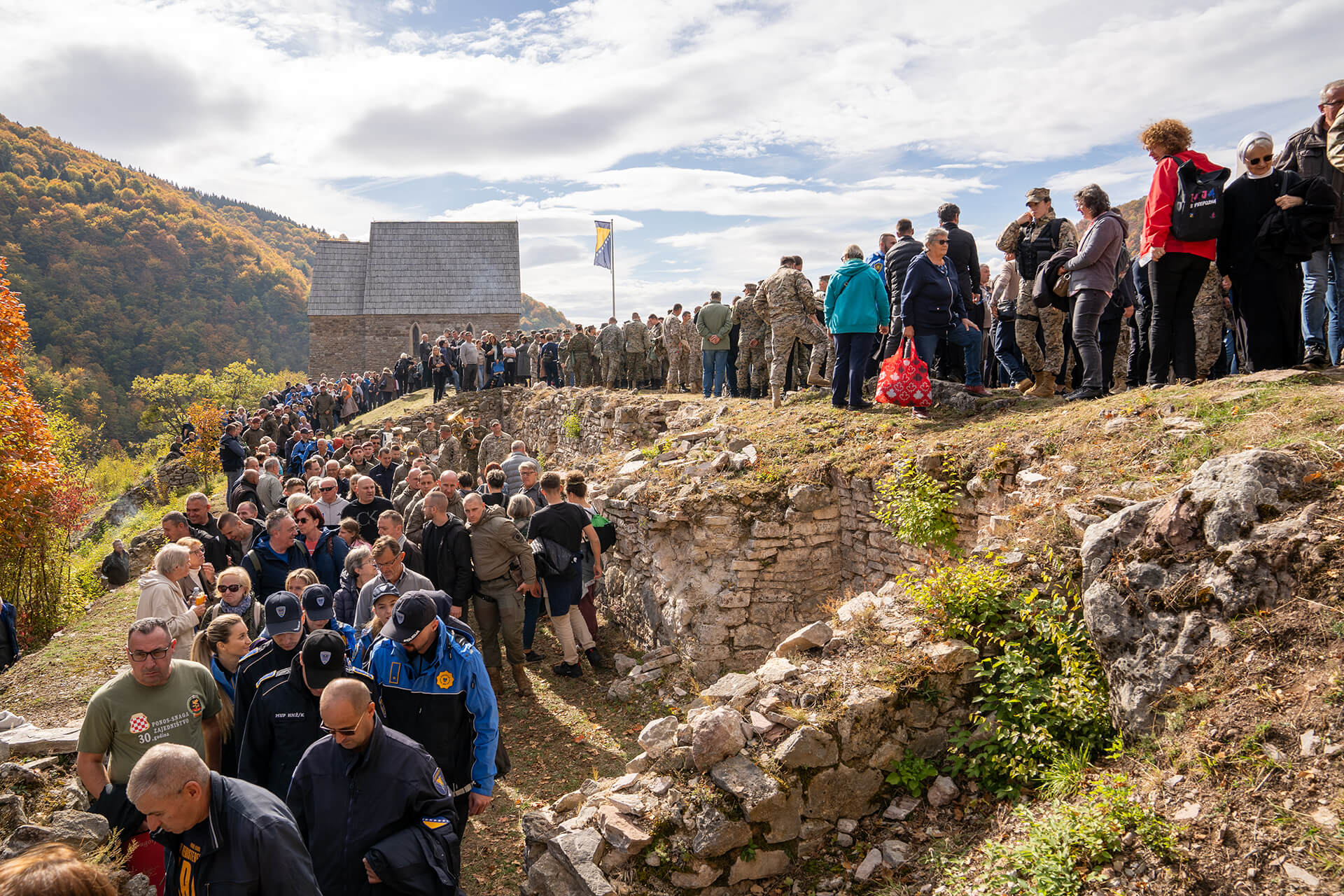
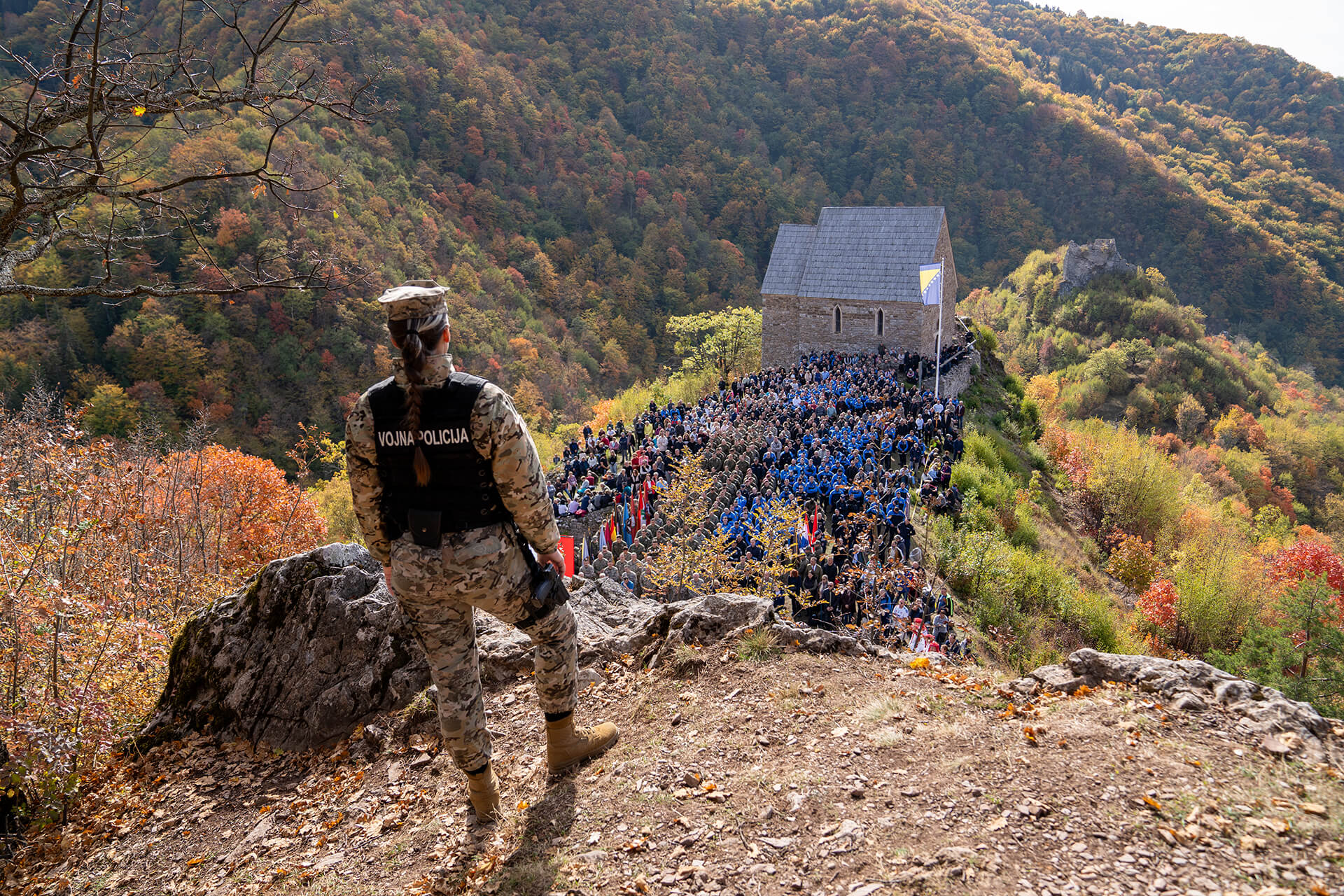
A large number of the faithful participated, filling the plateau at Bobovac; they arrived in a procession, praying throughout the entire journey. Among those present were representatives of the Croat political sphere in BiH: Dragan Čović, President of the HDZ BiH and the Croatian National Assembly; Darijana Filipović, a newly elected member of the Presidency of BiH; Lidija Bradara, President of the Federation of BiH; and Marinko Čavara, Deputy Speaker of the House of Representatives of the Parliamentary Assembly of Bosnia and Herzegovina. Also in attendance were Slaven Galić, Deputy Minister of Defence of BiH; Ivica Bošnjak, Deputy Minister of Security of BiH; and Boris Mrnjavac, a delegate in the House of Peoples of the Parliamentary Assembly of BiH.
Praying for the Homeland
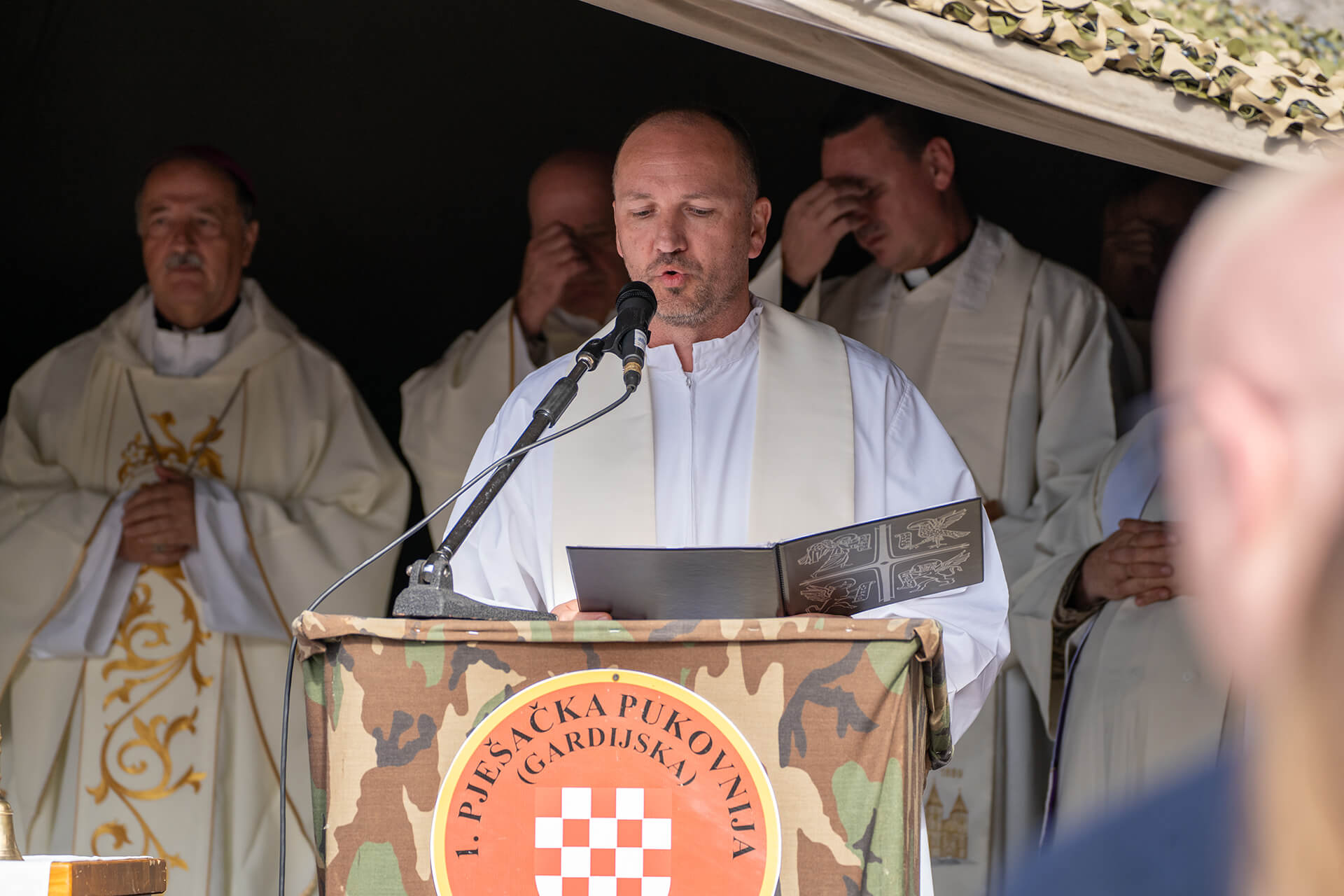
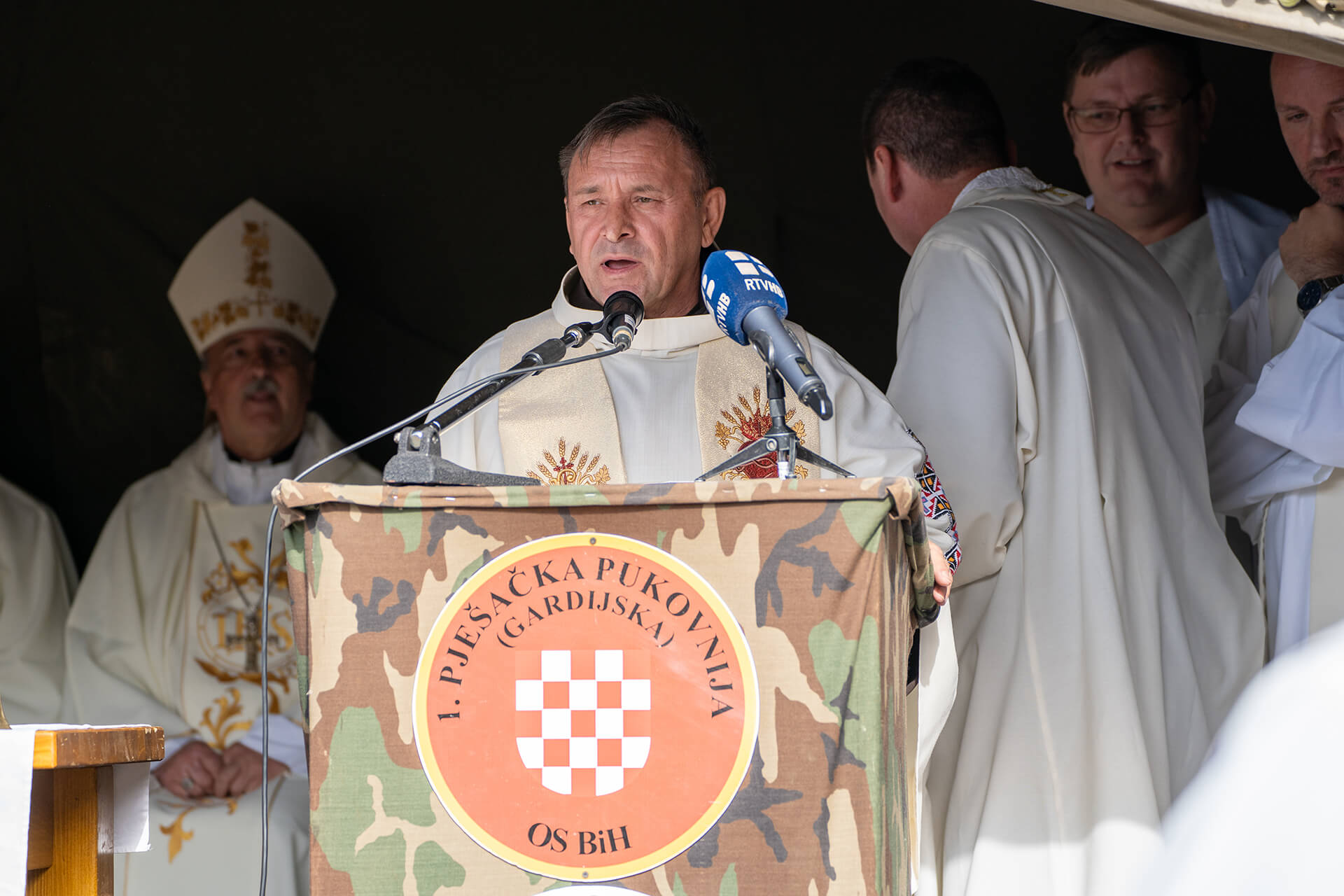
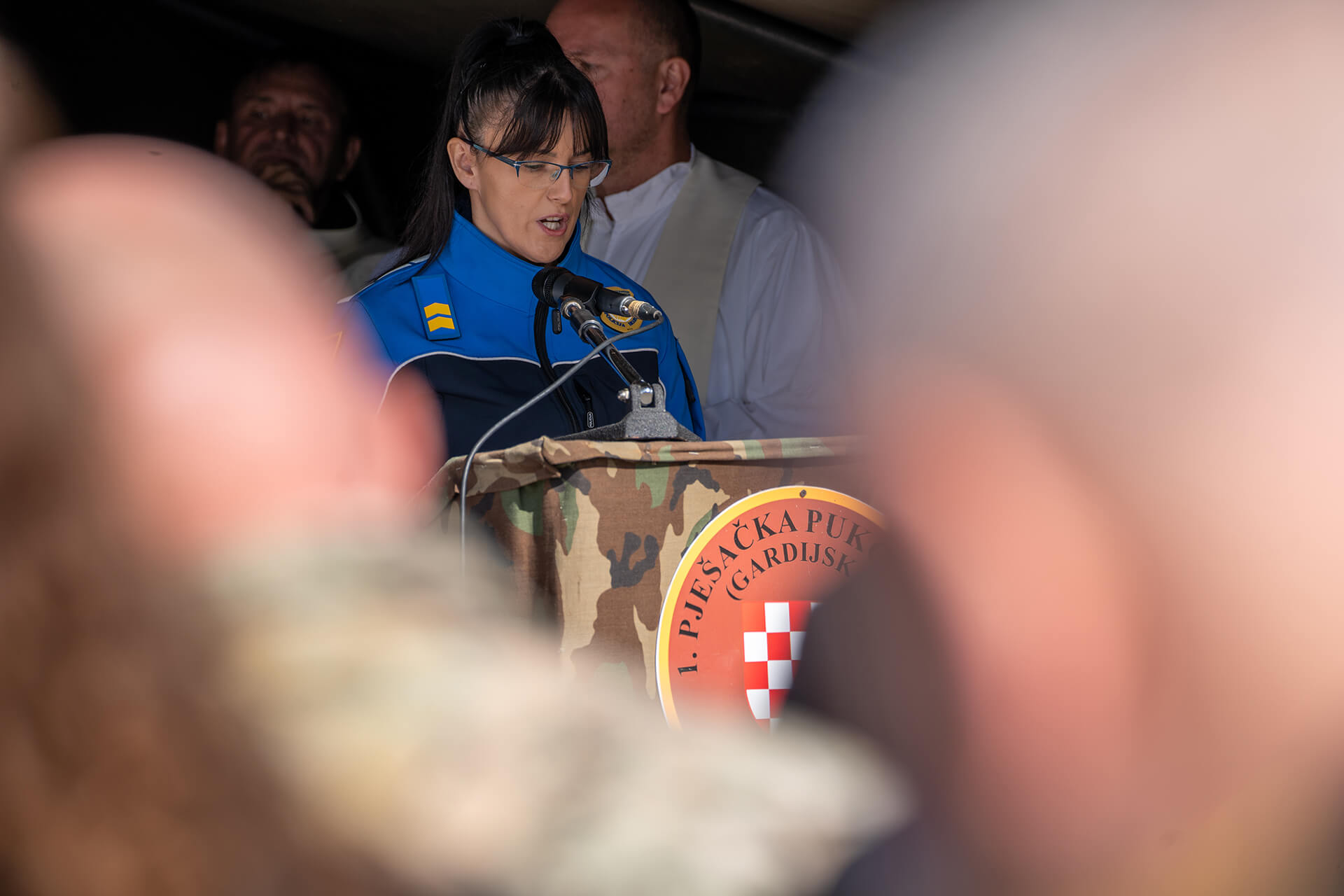
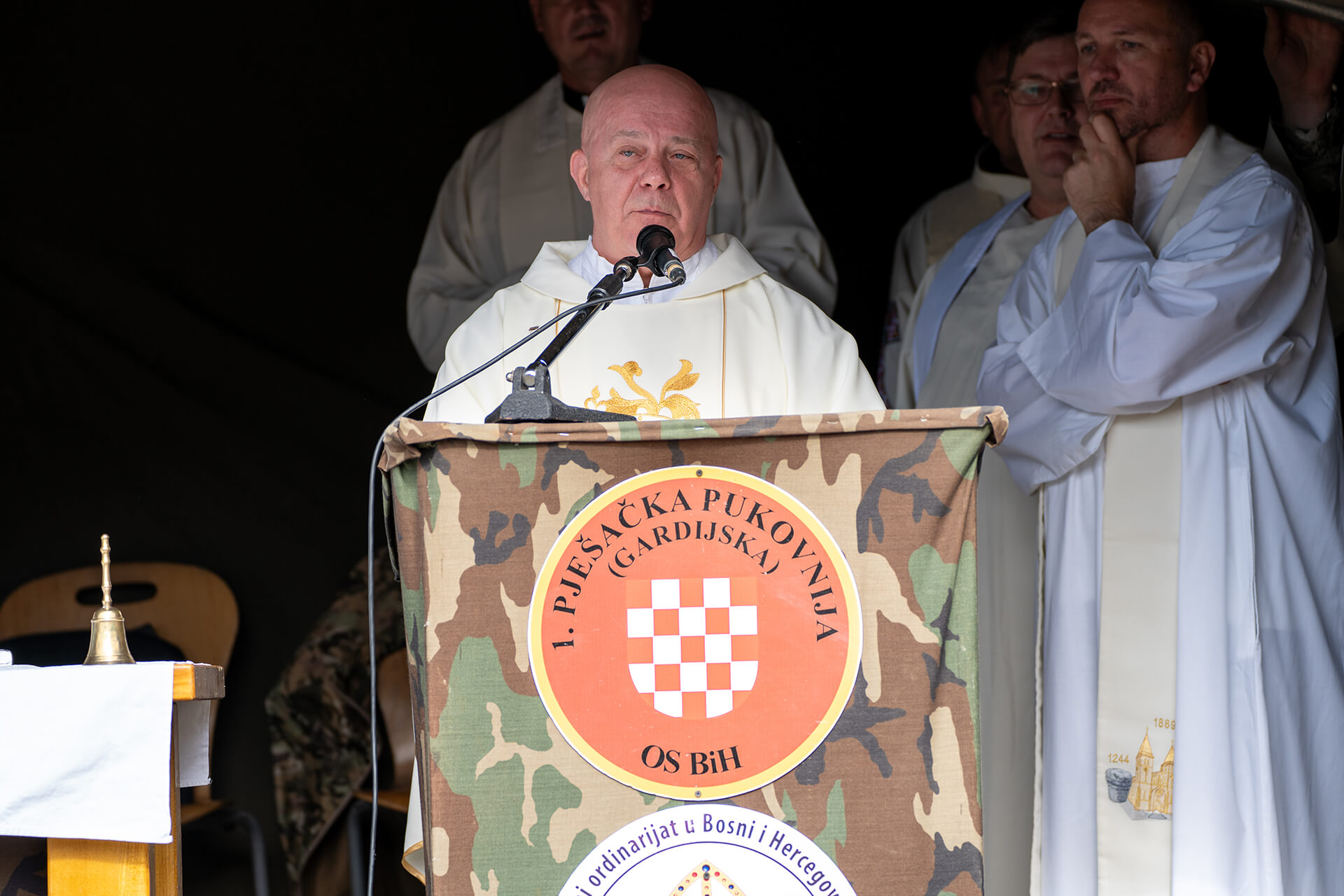
At the beginning of the Holy Mass, Bishop Miro—as he himself noted—had a surprise in store; He entrusted the sermon to a former schoolmate—a native of Čatići, OFM Anto Radoš—who currently provides spiritual care for pilgrims from Italy in Međugorje and participates in the sacramental life of the local parish.
At the beginning of his sermon, OFM Anto spoke about Queen Katarina, whose life was marked by love for her homeland, her family, and her faith, but also by severe trials, loss, and exile. He noted that the pilgrims had arrived at the sacred site of Bobovac from various regions and with diverse life experiences; yet, he said, we are united by a common desire: to pray for peace, for our peoples, for our families, and for the future of new generations.
"Today, we are here to pray for our homeland. But before we voice our prayers, let us pause for a moment. Let us listen to this stone, this earth, and this silence. For history is not merely what is recorded in books; history is also human destiny. History consists of mothers who mourned their children, fathers who toiled for their families, and people who departed without knowing if they would ever return. History also encompasses those who, despite everything, believed that goodness, faith, and love would have the final word." He emphasized that this is precisely why we are at Bobovac today—a place that is not merely an archaeological site, but a site of memory—a place that invites us to ask ourselves not only who lived here, but also what kind of people we ought to be today, in light of the heritage we have inherited.
History Must Not Be a Weapon
"For the Homeland is not merely the land we have inherited; the Homeland is also the responsibility we leave to those who come after us", said the preacher, explaining that Queen Katarina was, in fact, a woman who never forgot her country.
Furthermore, speaking on the historical significance of Bobovac as a medieval royal city, the preacher noted that its walls belong to a past that we must study, preserve, and pass on to future generations. "Today, people of diverse experiences and perspectives gather before these walls, united by at least one common desire: that Bosnia and Herzegovina may be a land where one can live with dignity, in freedom, and in peace. Therefore, we need not interpret every event from the past in the exact same way to agree that history must never be used as a weapon against our neighbours. We do not have to renounce our own faith, identity, or family memories in order to respect those of others", stated OFM Anto, adding that loving what is one's own does not mean despising what belongs to others.
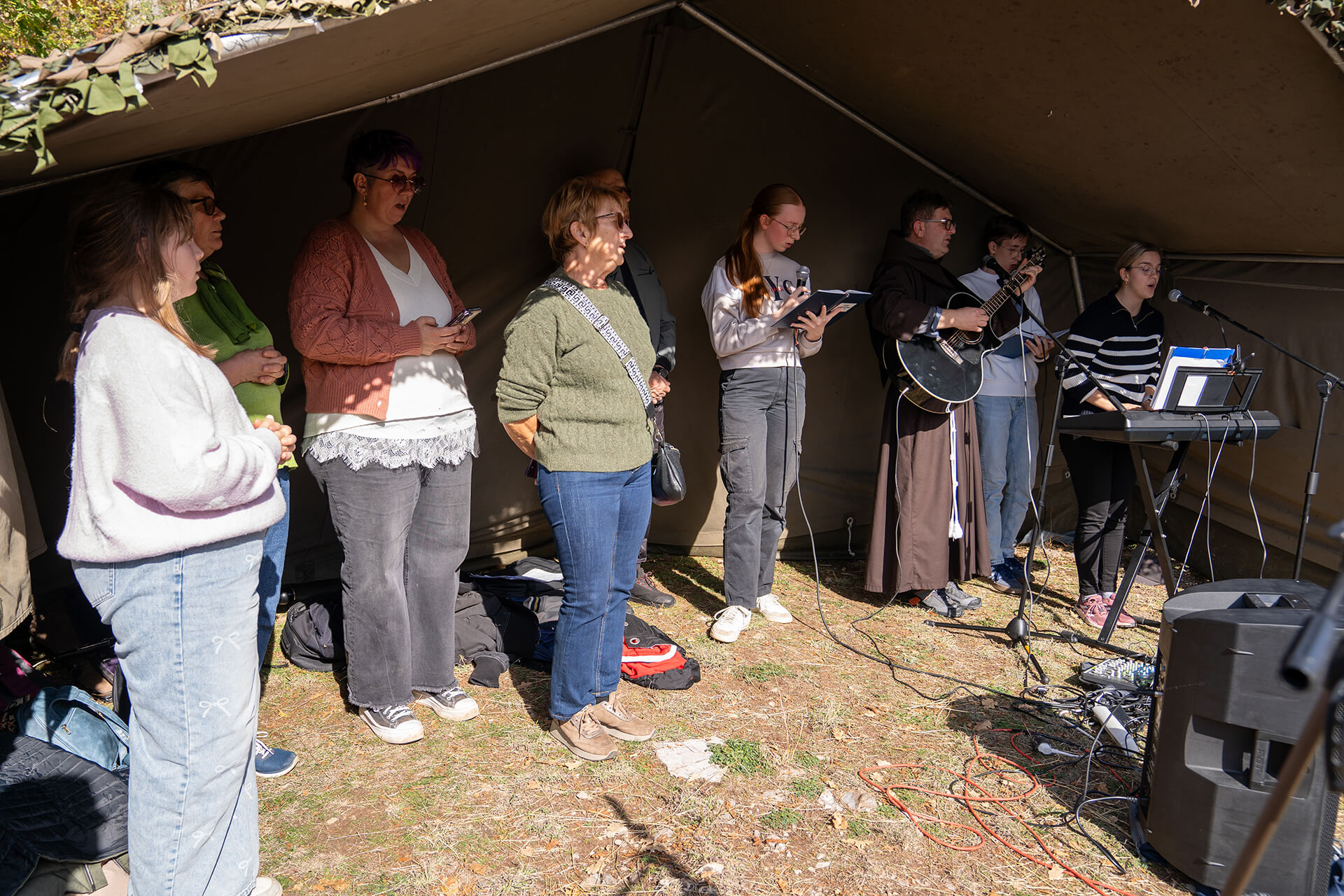
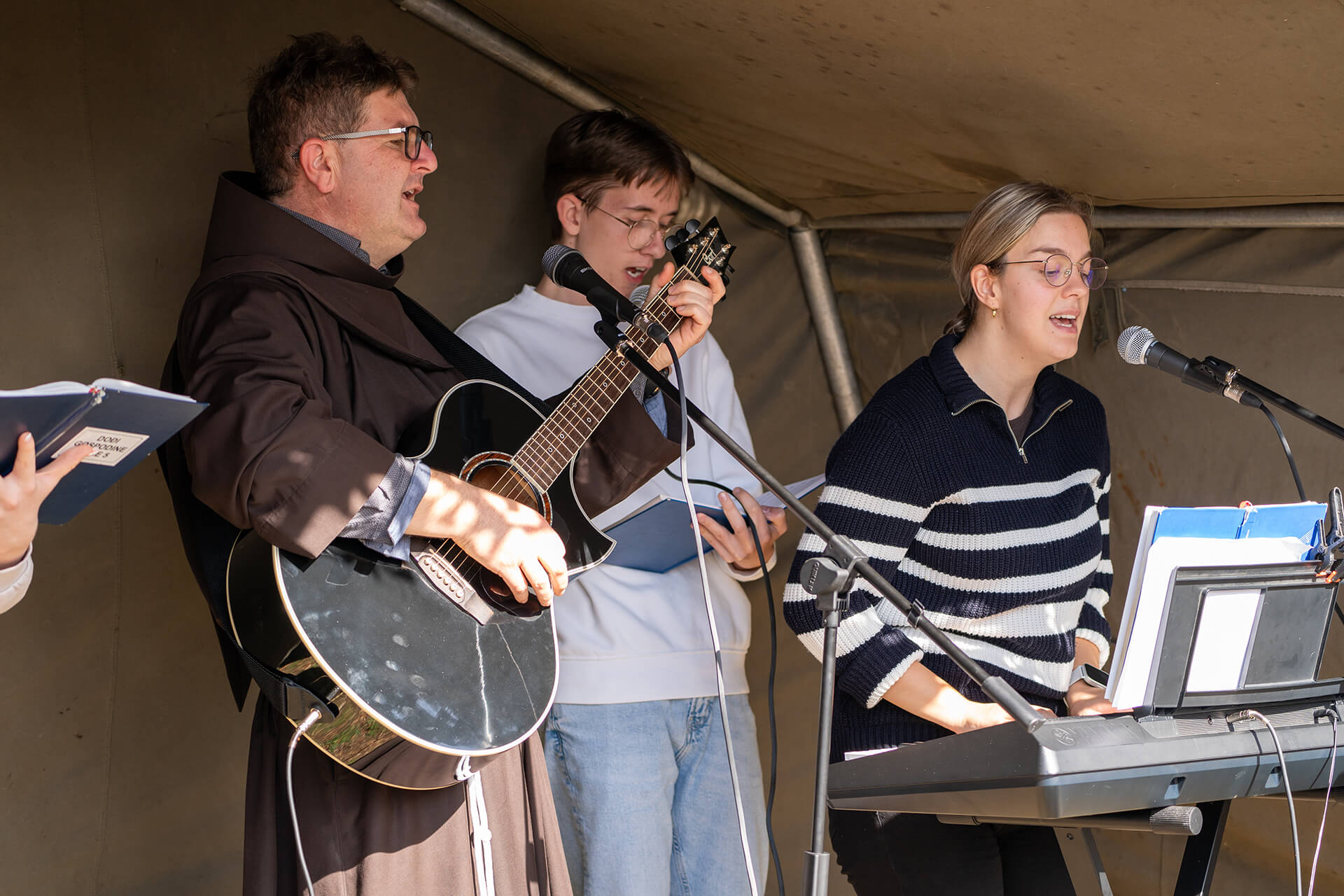
The Holy Mass was accompanied by the harmonious singing of young musicians from the Vareš branch of the Franciscan Youth (Frama), under the direction of their parish priest, OFM Leon Pendić.
Traditional Gift-Giving
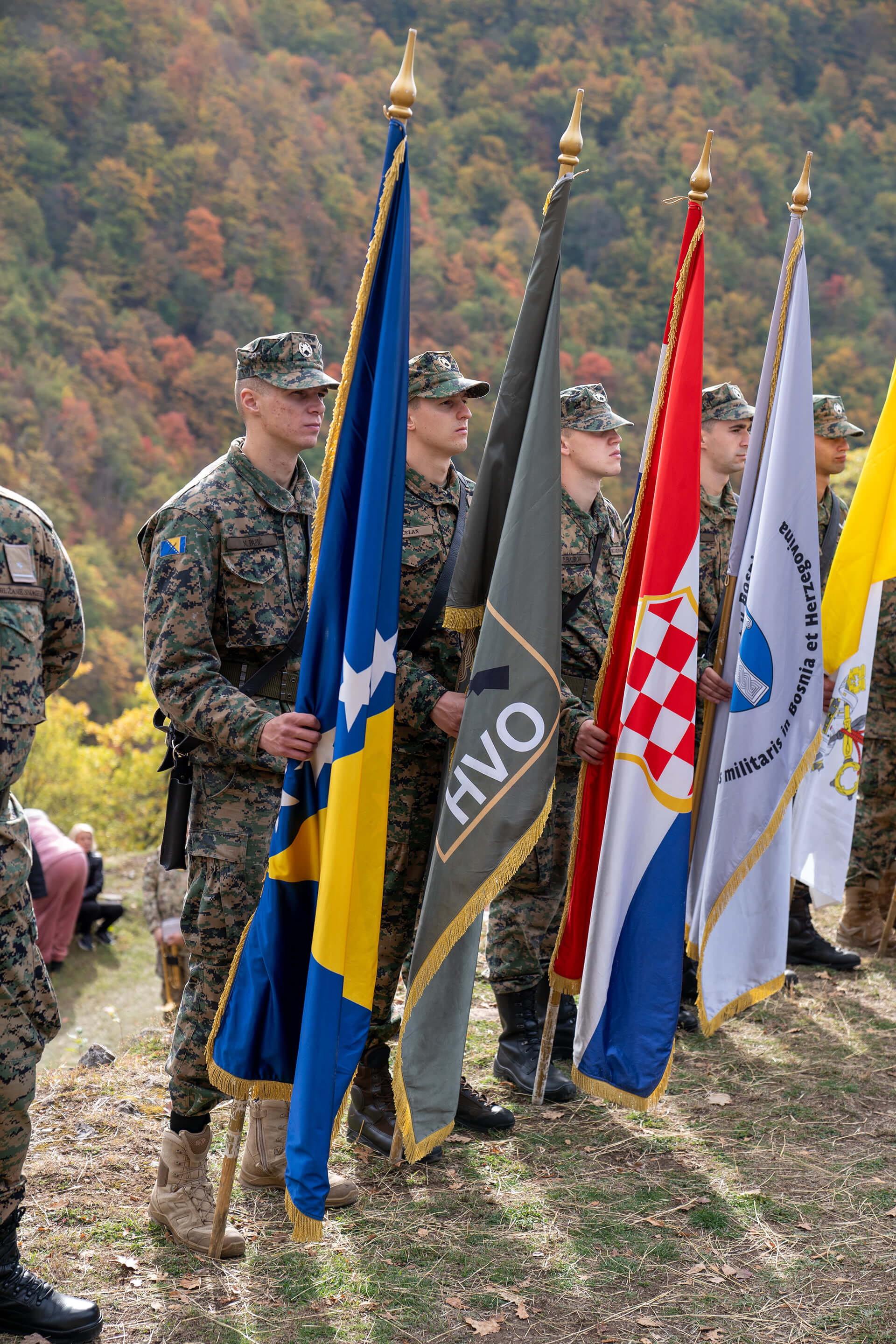
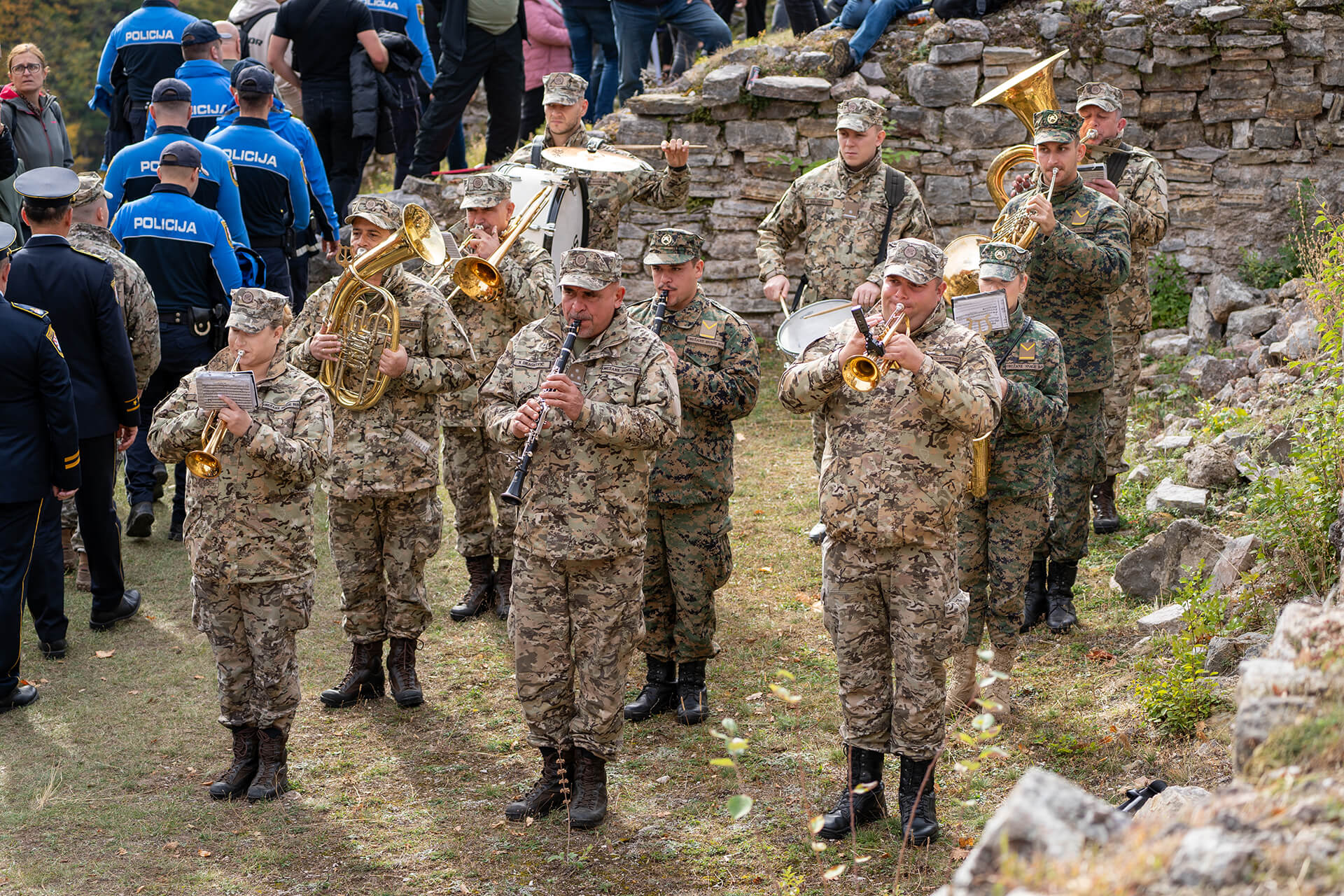
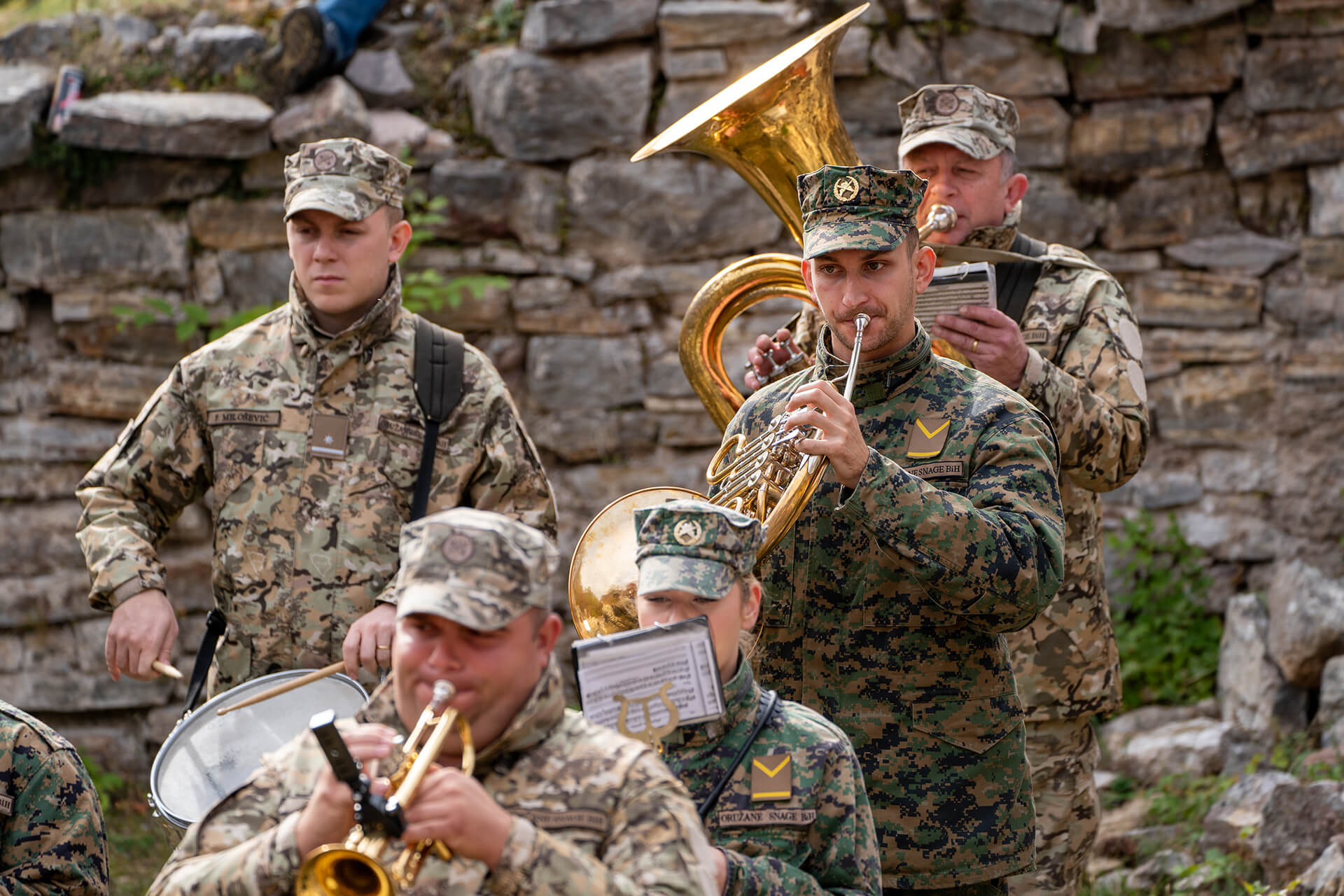
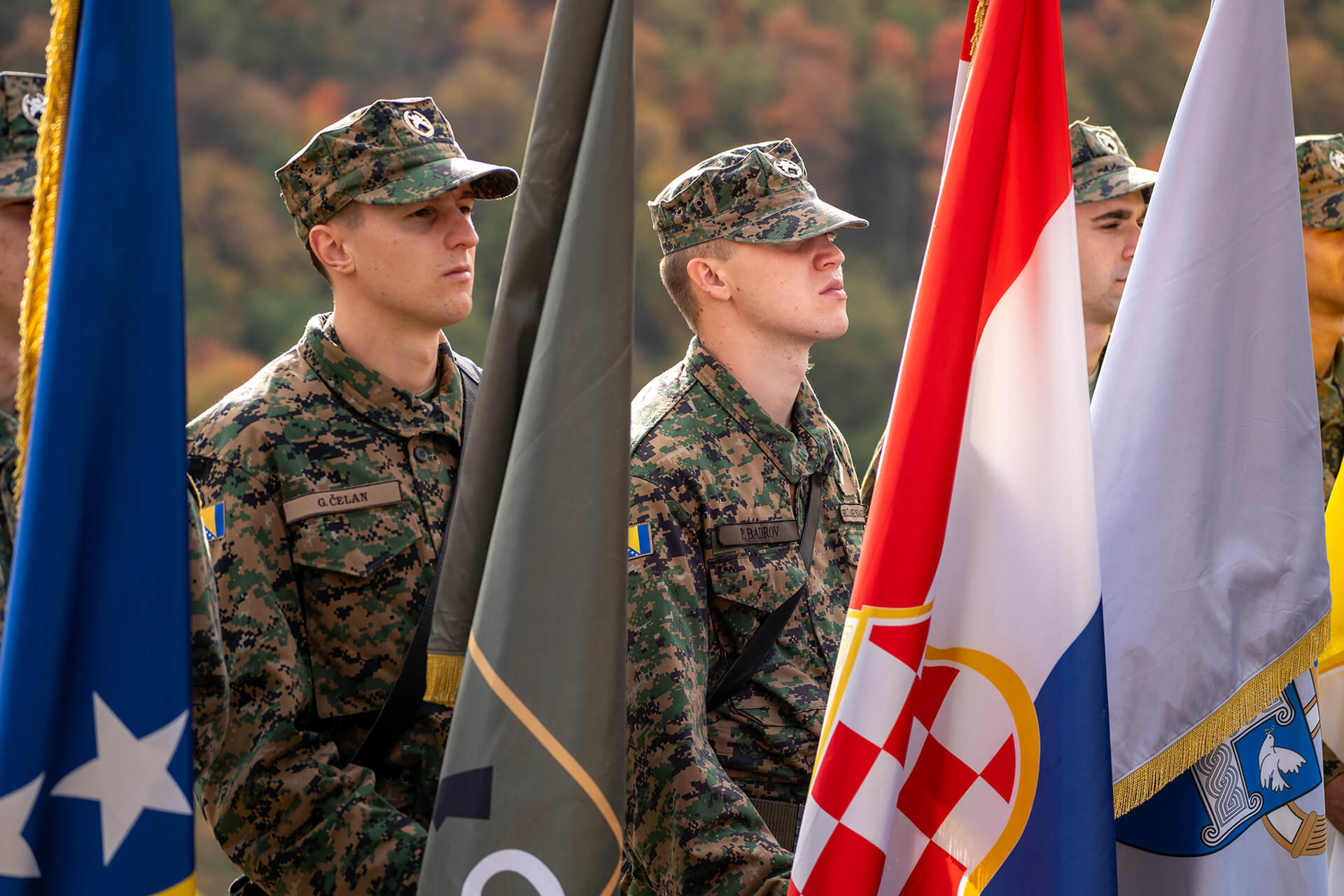
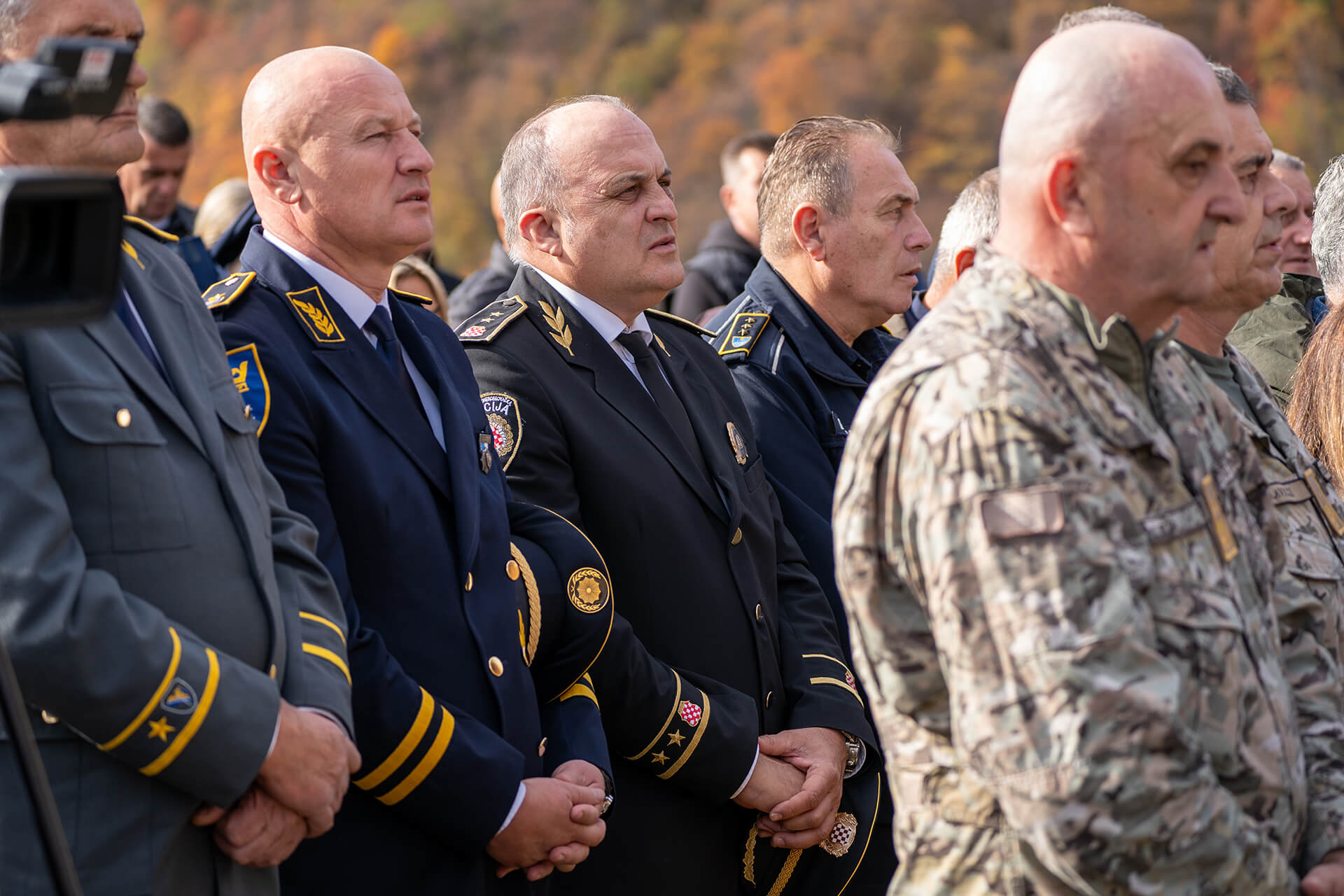
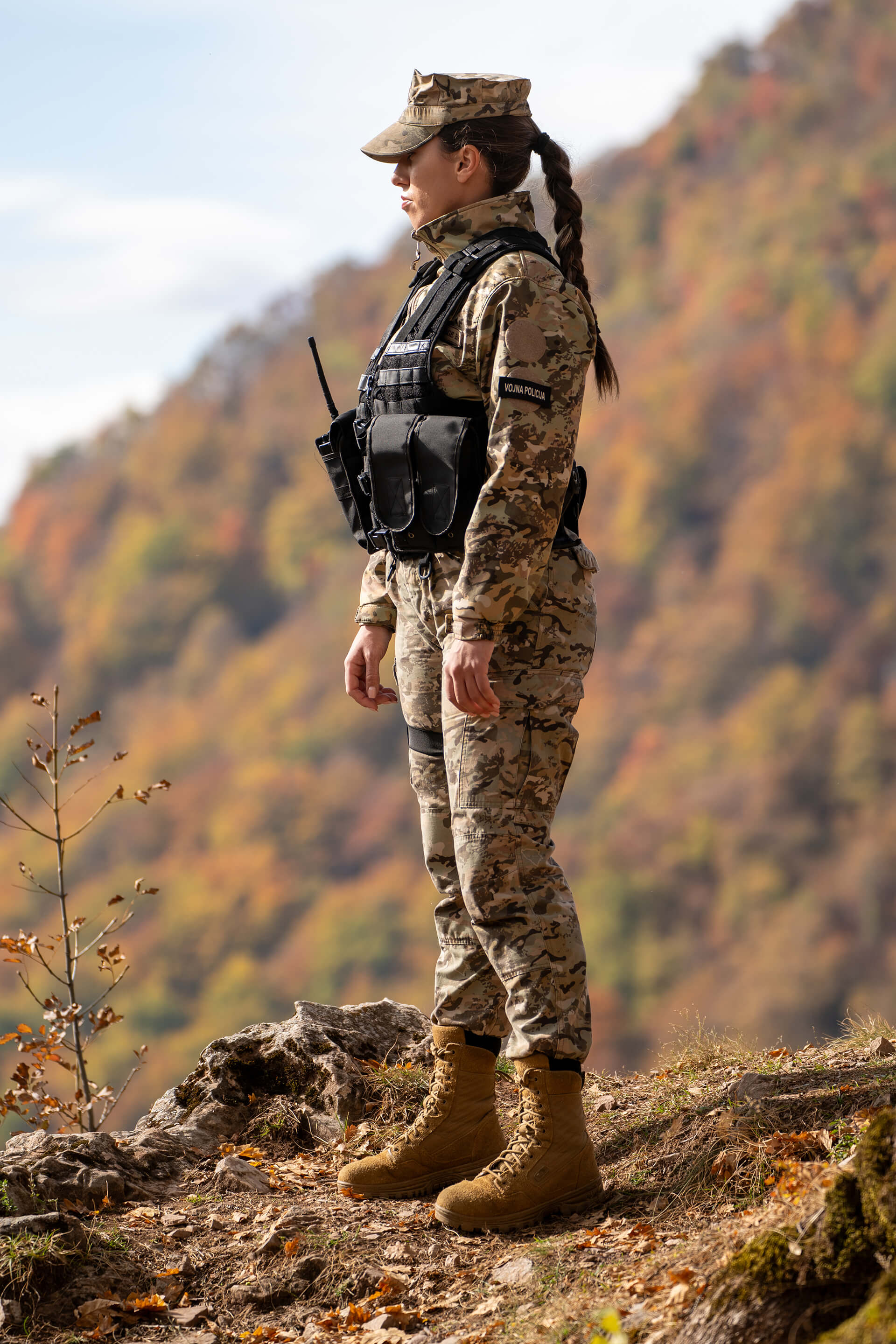
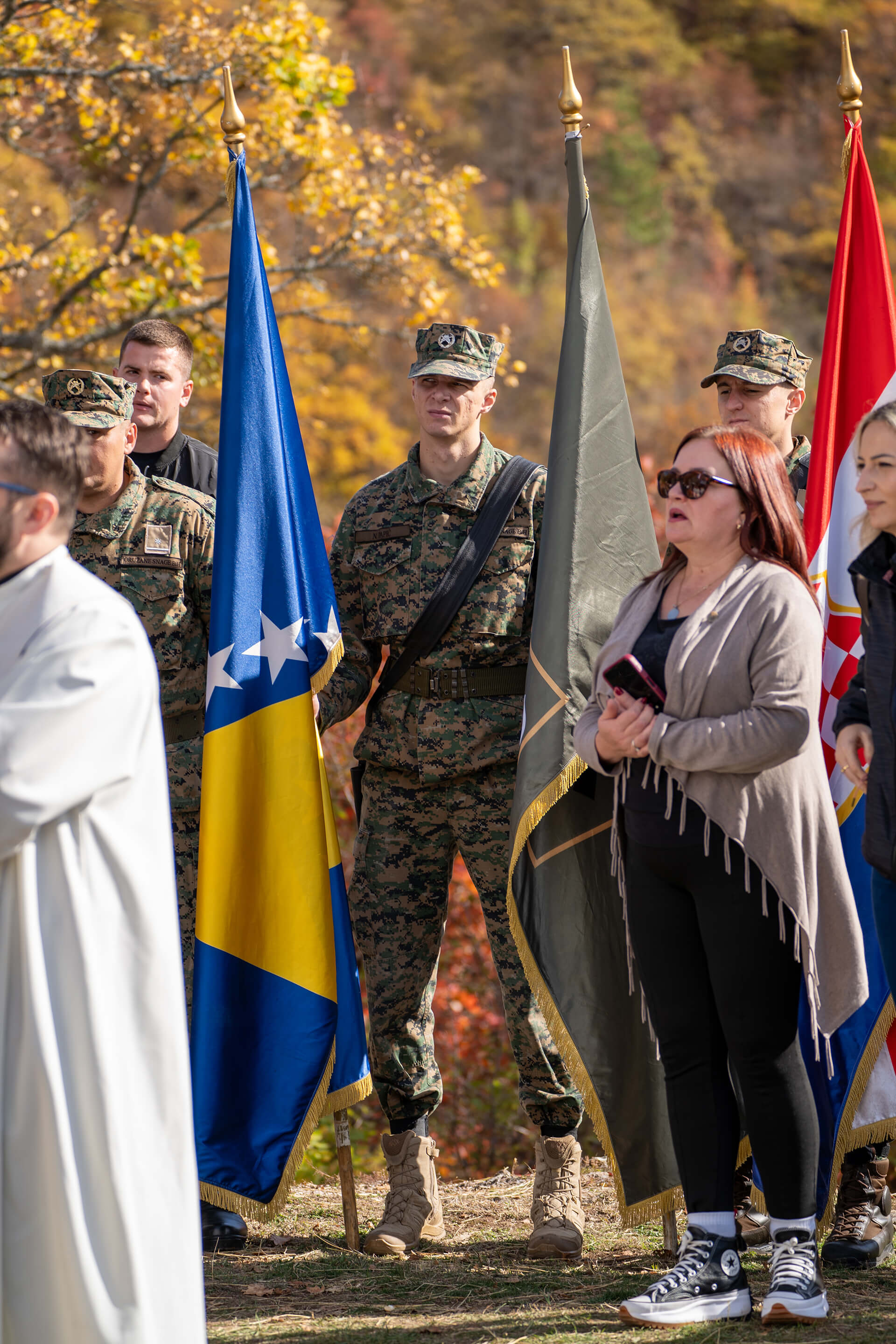
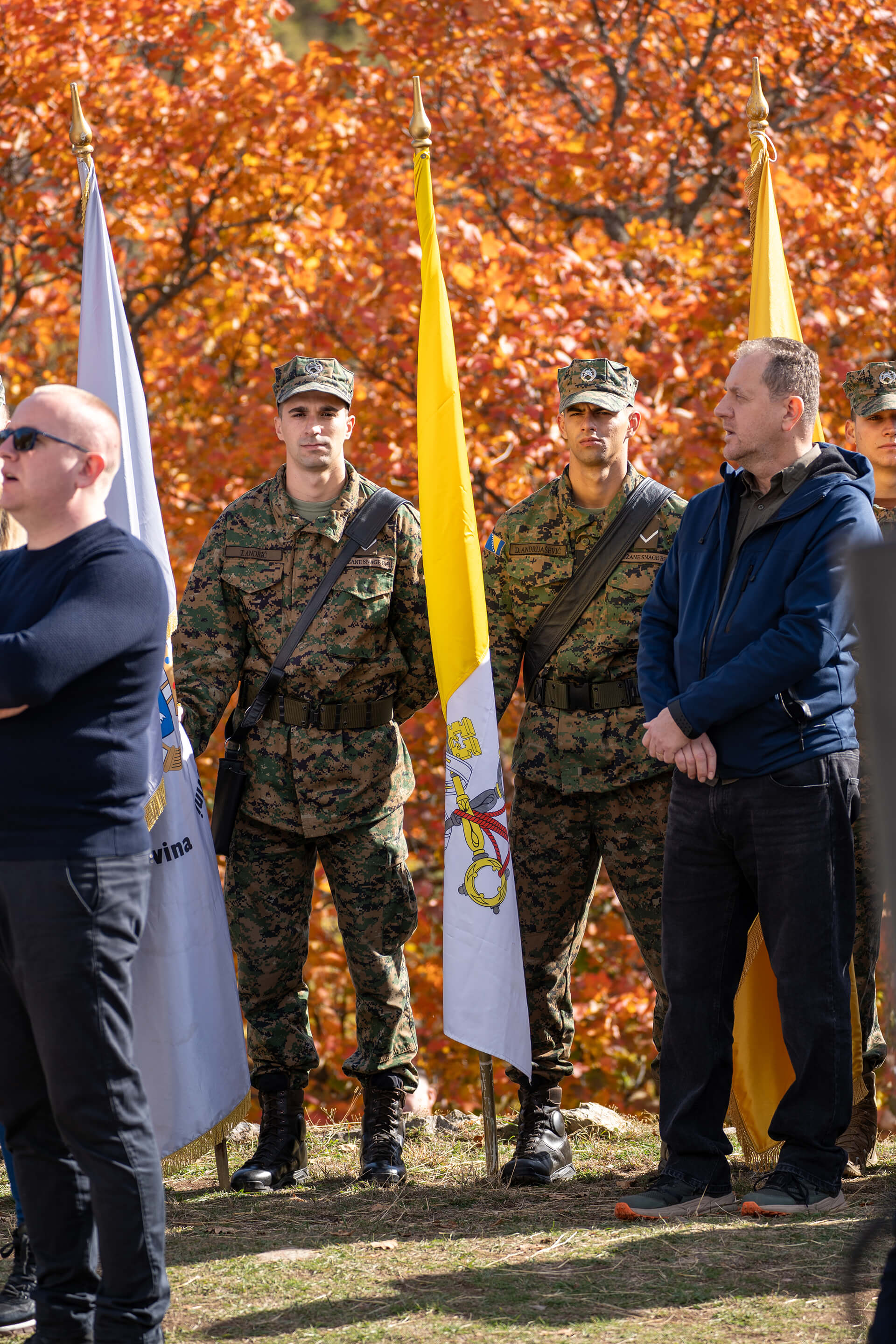
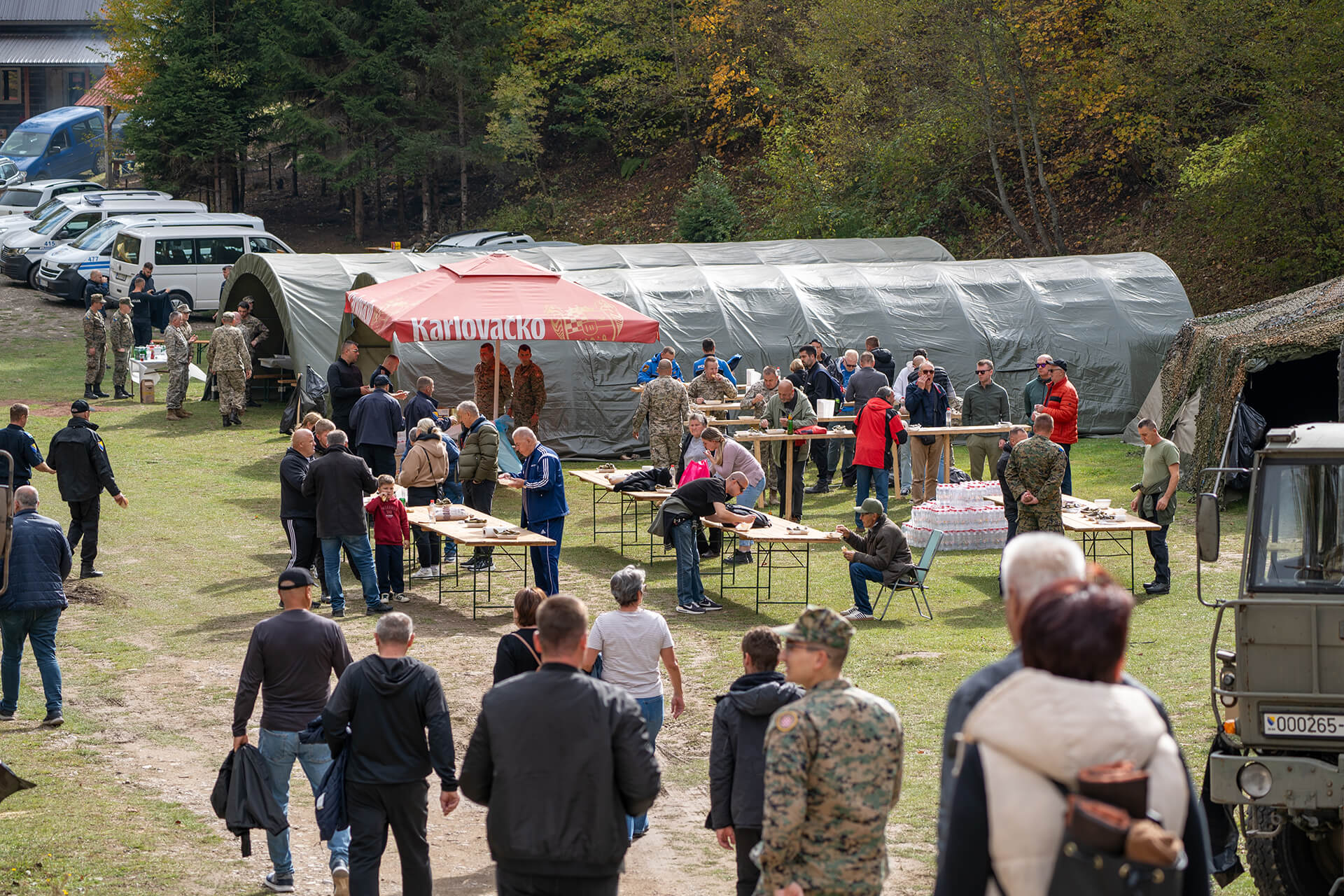
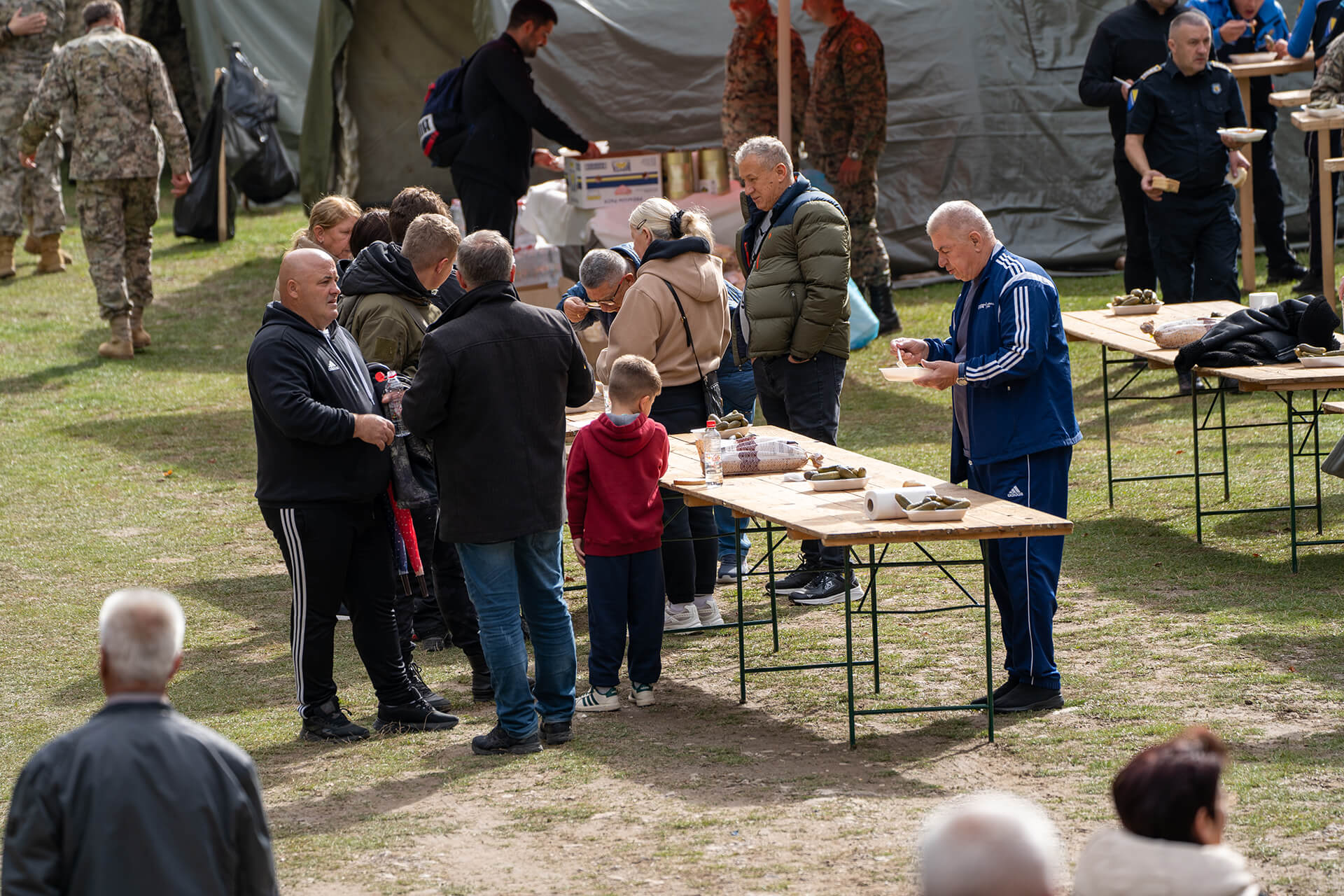
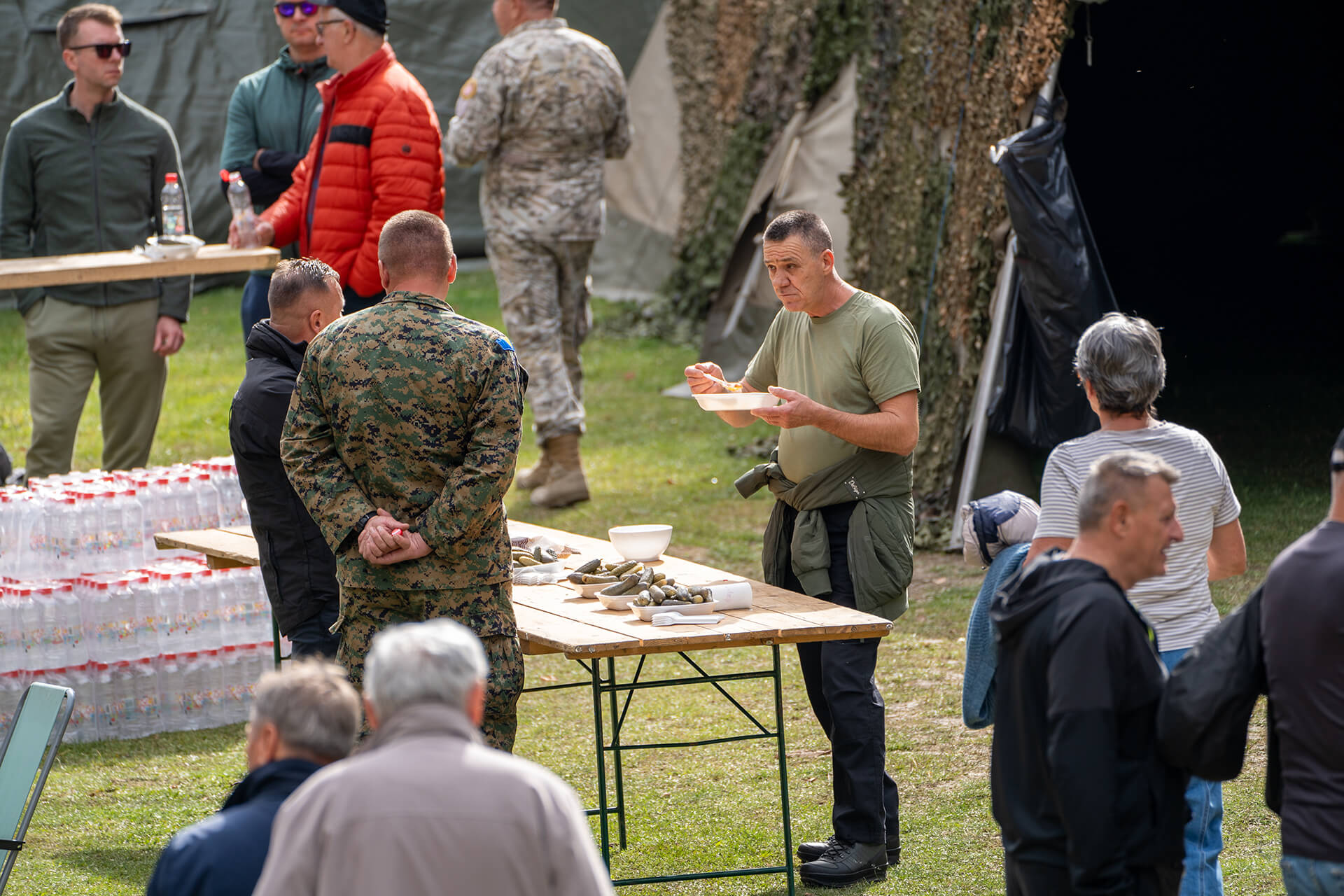
At the conclusion of the Eucharistic celebration, Msgr. Čuturić expressed his gratitude to those present, especially to the members of the Armed Forces of Bosnia and Herzegovina—specifically the 2nd Infantry Battalion of the 5th Infantry Brigade of Kiseljak — who for many years have assisted with the organization and logistics, ensuring the Holy Mass could be celebrated with due reverence, and who traditionally prepare a meal—military-style bean stew—for all participants afterward.
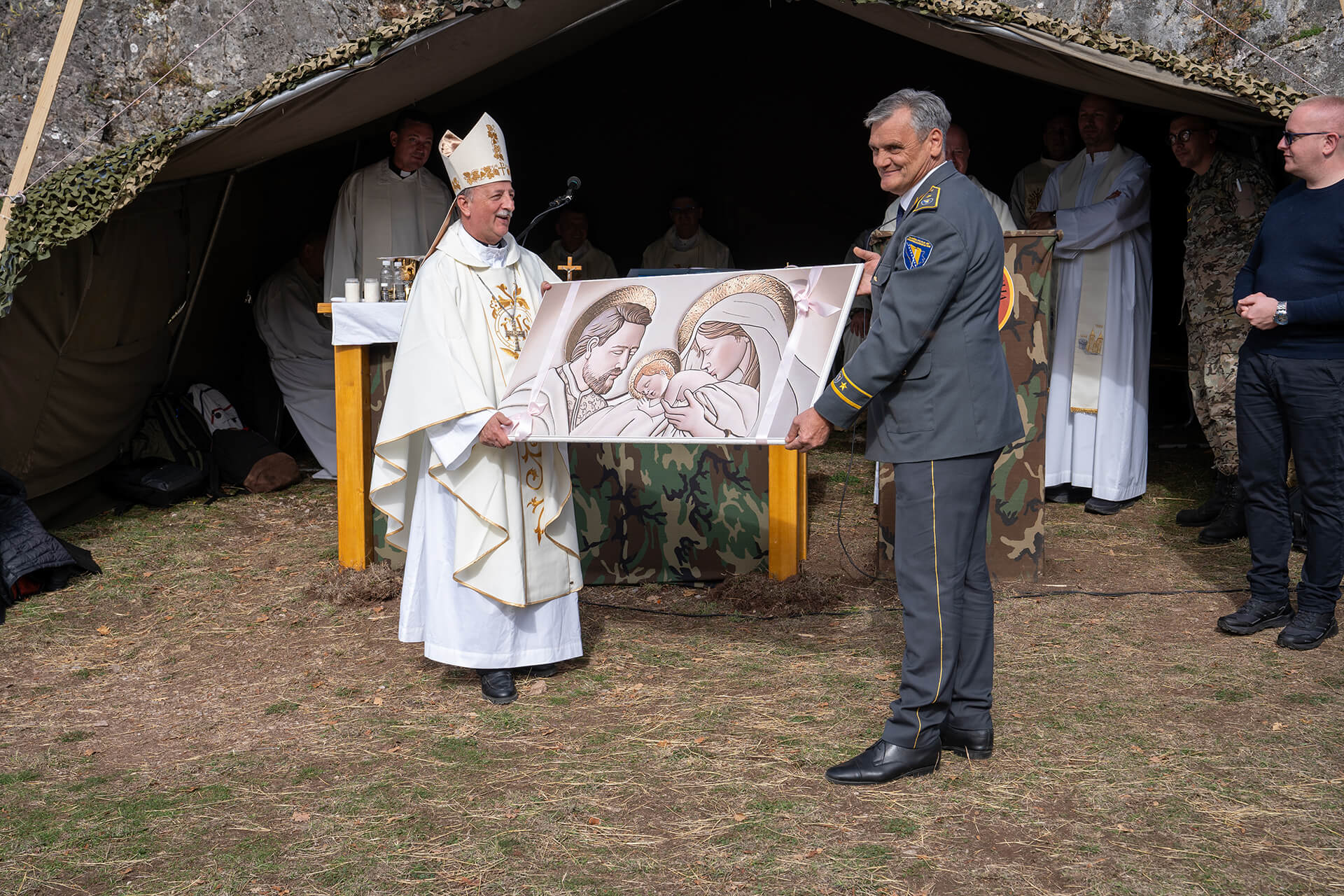
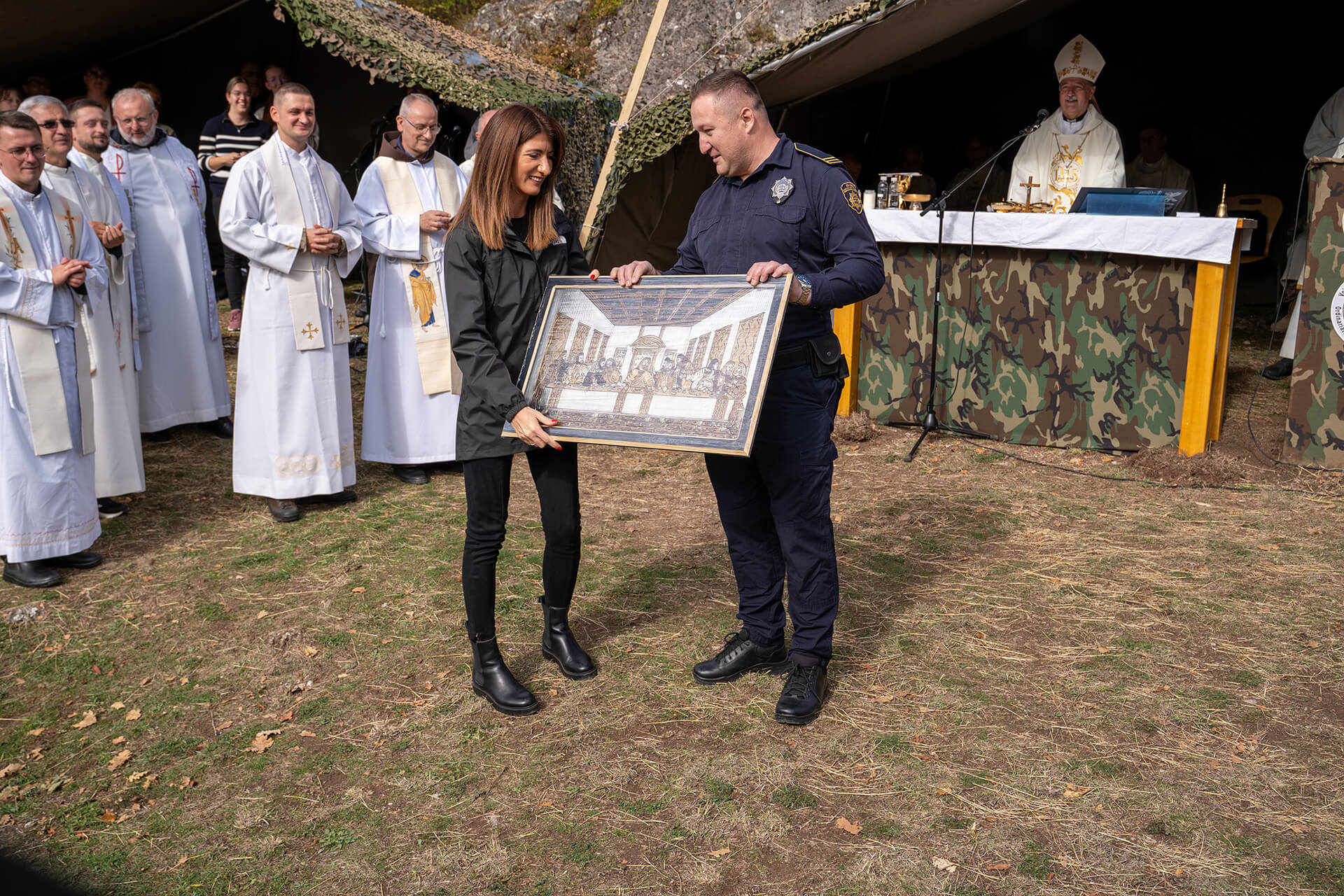
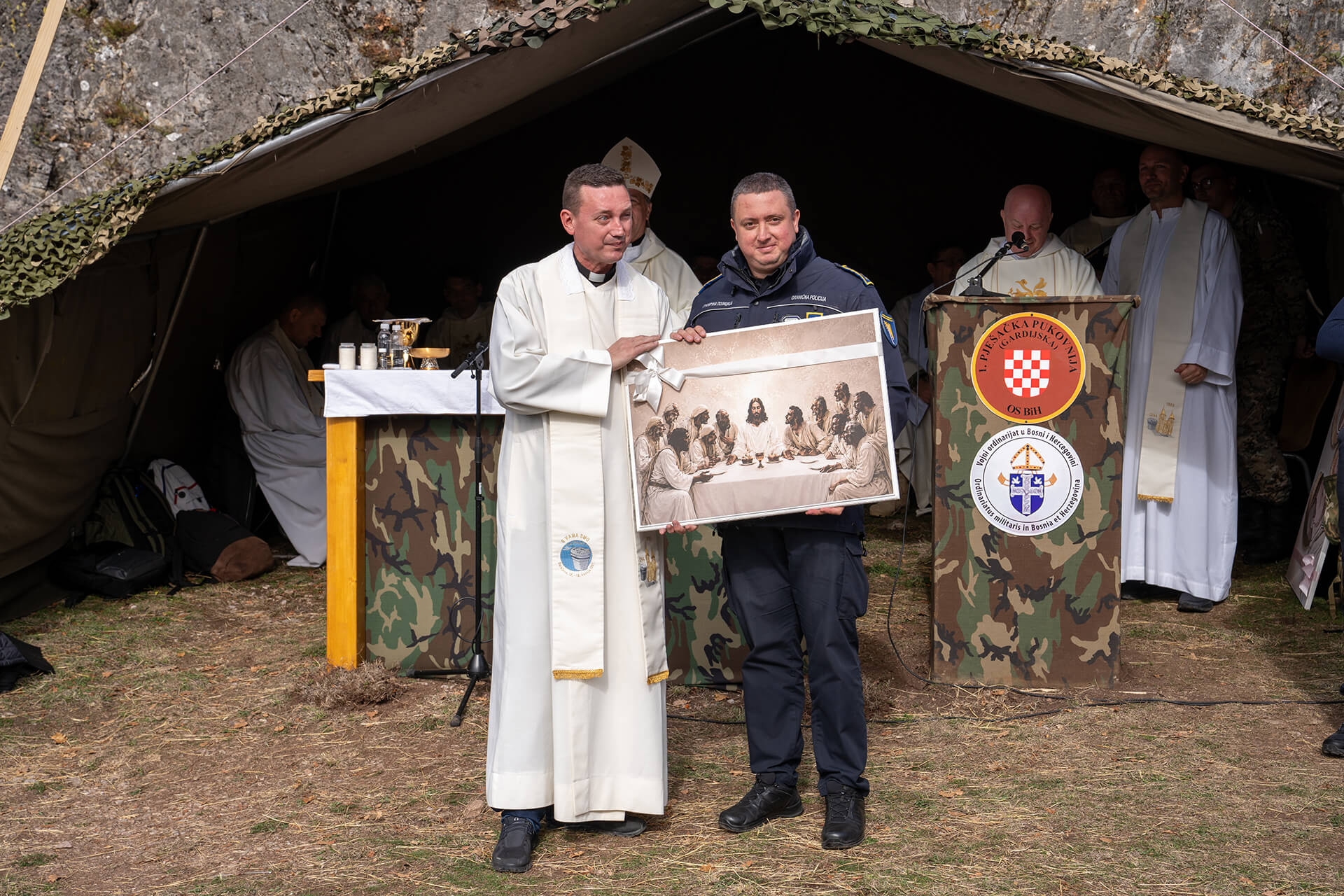
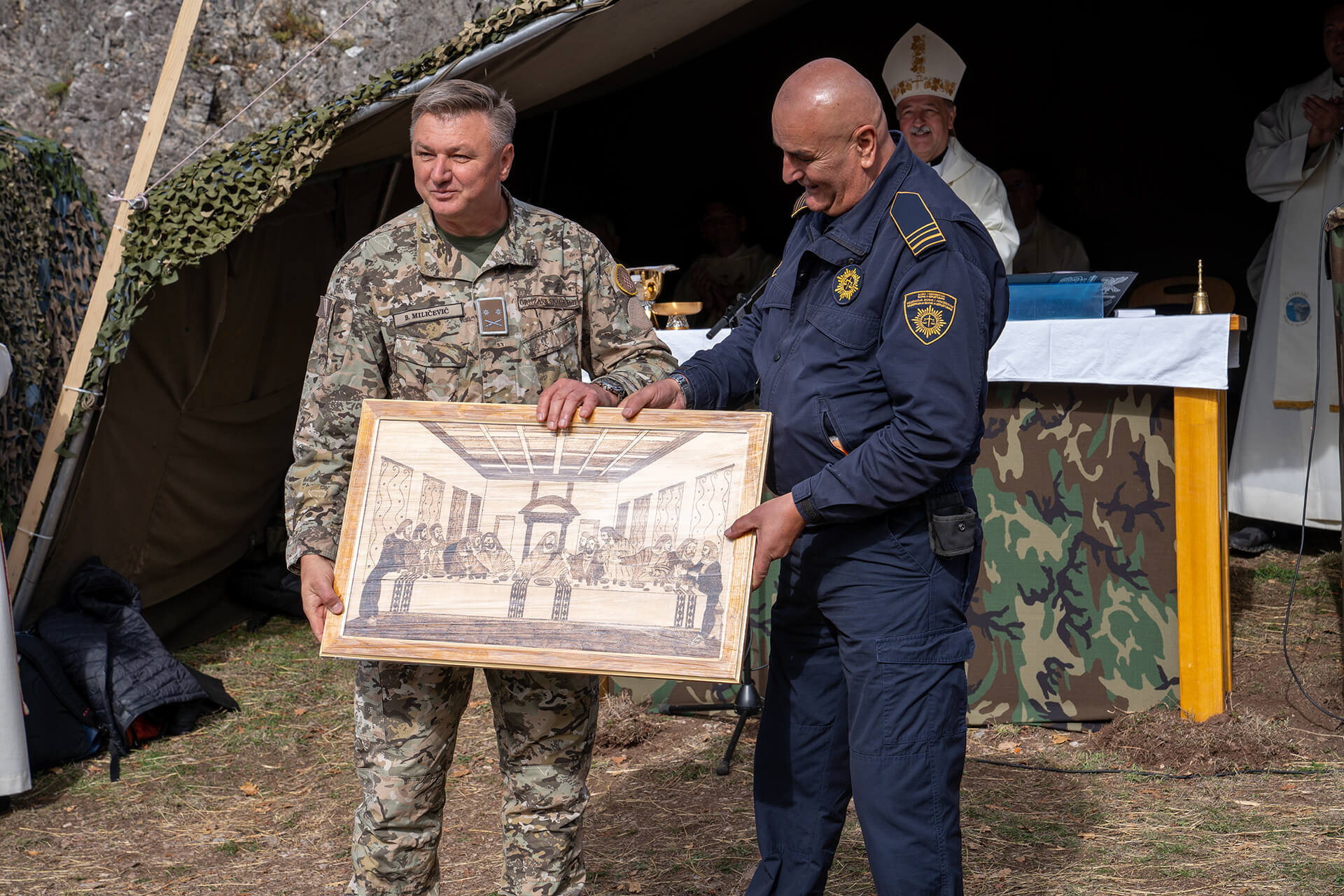
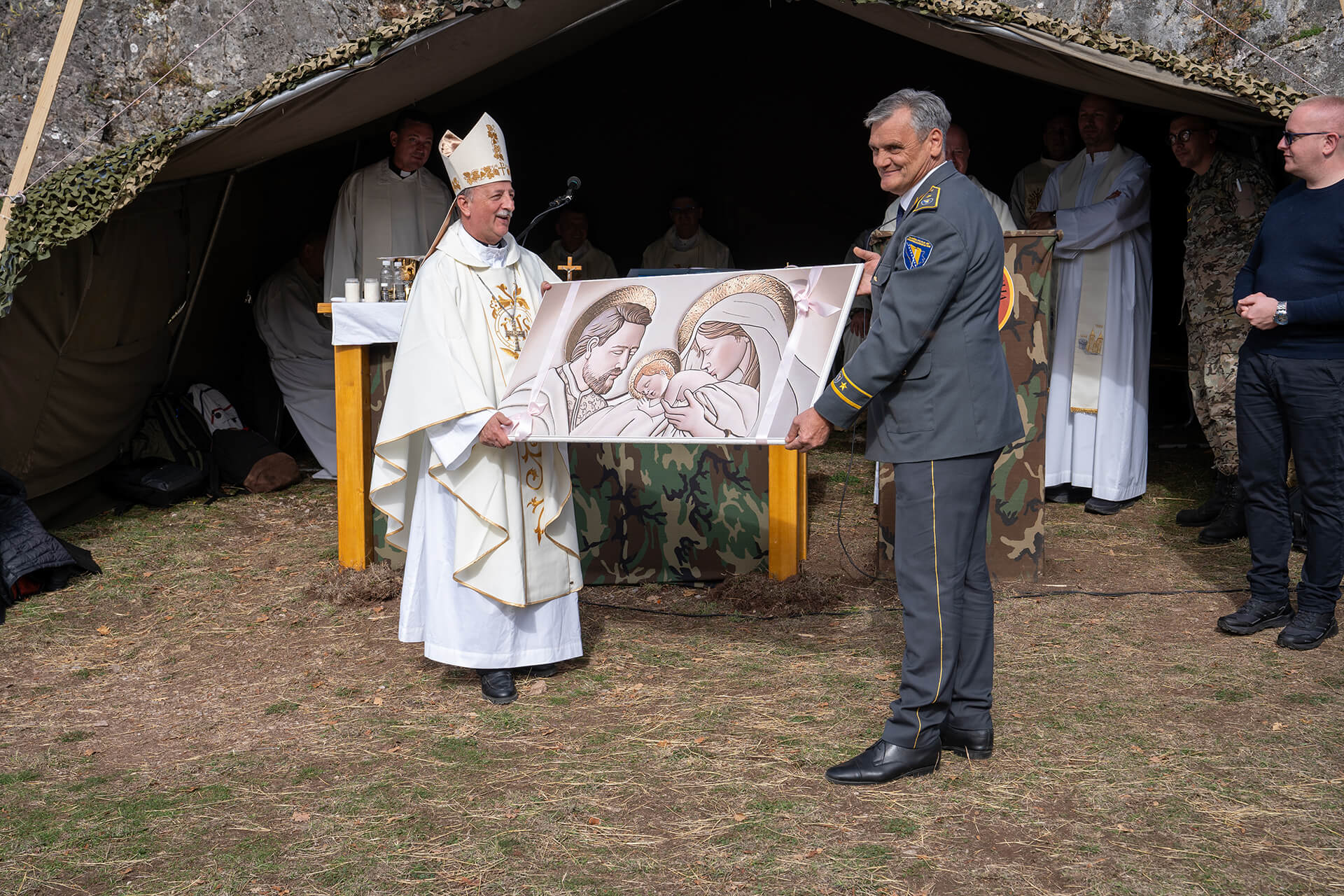
Following this, on behalf of the Border Police of BiH, Josip Šako presented Bishop Miro with a commemorative gift: a painting. Additionally, Slaven Tadić from the Zenica Penitentiary presented paintings to Darijan Filipović and Colonel Boro Miličević—whose unit, under his command, has for years taken charge of organizing the Day of Prayer. The parish priest of Goražde, the Very Reverend Josip Tadić, was also presented with a painting.
Finally, the community of the faithful, led by the Military Bishop, recited the traditional Prayer for the Homeland.
Cardinal Puljić’s Initiative
It should also be noted that the Day of Prayer for the Homeland, organized by the Vrhbosna Archdiocese, along with a pilgrimage to Bobovac by Catholics from the Ministry of Defence, the Armed Forces, and the police forces of Bosnia and Herzegovina, is traditionally held on the Saturday closest to the anniversary of the death of the penultimate Bosnian queen, Katarina Kosača-Kotromanić, who passed away in Rome in 1478.
The initiative for the Day of Prayer at Bobovac was launched in 2002 by the then-Archbishop Metropolitan of Vrhbosna, Cardinal Vinko Puljić, to commemorate the death of the Bosnian queen Katarina Kosača. The goal was to unite in prayer—for personal needs, for one’s own people, and for the homeland of Bosnia and Herzegovina—as well as for all the people and ethnic groups living within it. Since 2002, the faithful of the Vrhbosna Archdiocese have made pilgrimages to Bobovac, and two years later, members of the Armed Forces and police forces of Bosnia and Herzegovina joined them.
Historical records indicate that Bobovac was the most important and best-fortified town in medieval Bosnia. It was built on a rocky outcrop on the southern slopes of the Dragovski and Mijakovski Poljice massif, southwest of Vareš. It was located near the villages of Mijakovići and Dragovići, in the municipality of Vareš. The town was conquered by the Ottomans on May 21st 1463, and they maintained a presence there until 1626, when it was abandoned as it no longer held any strategic importance.