Christmas Mass in Sarajevo Cathedral
The Incarnation is the bridge through which God is in constant communication with man
ned, 28. prosinca 2025. 15:21
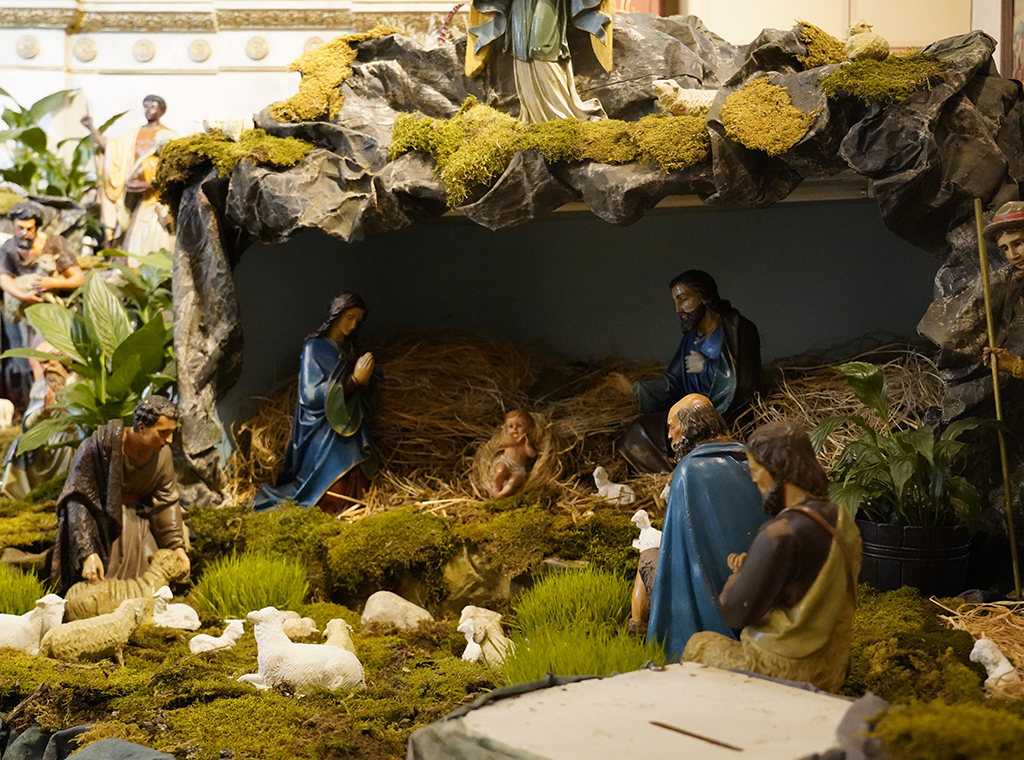
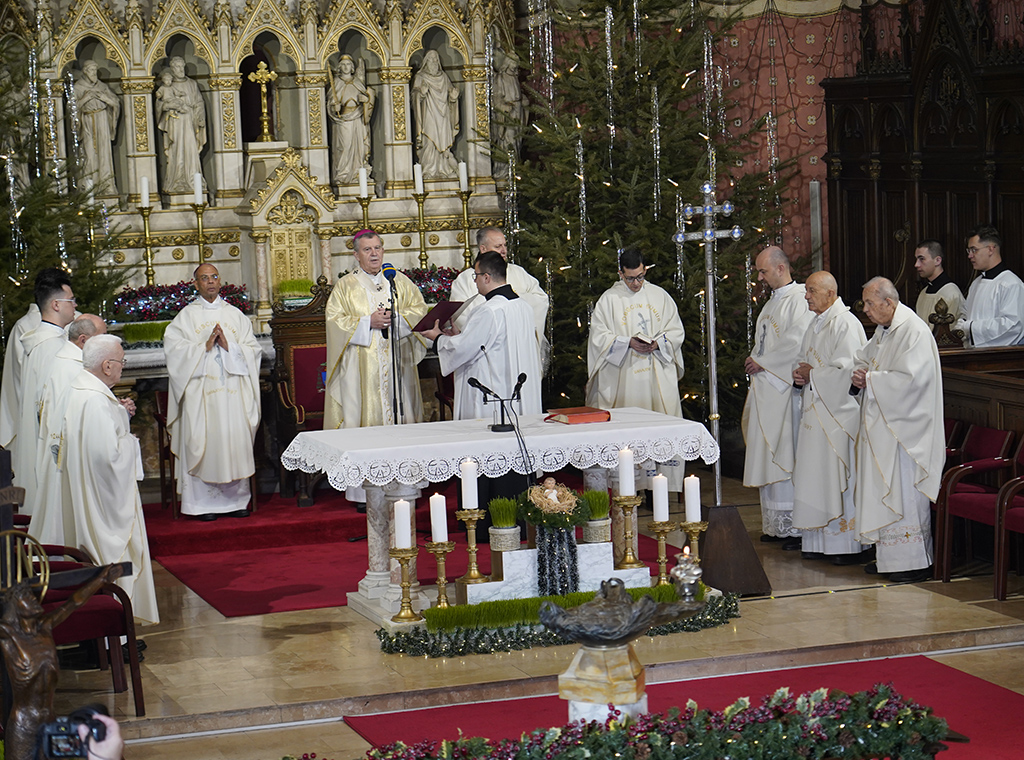
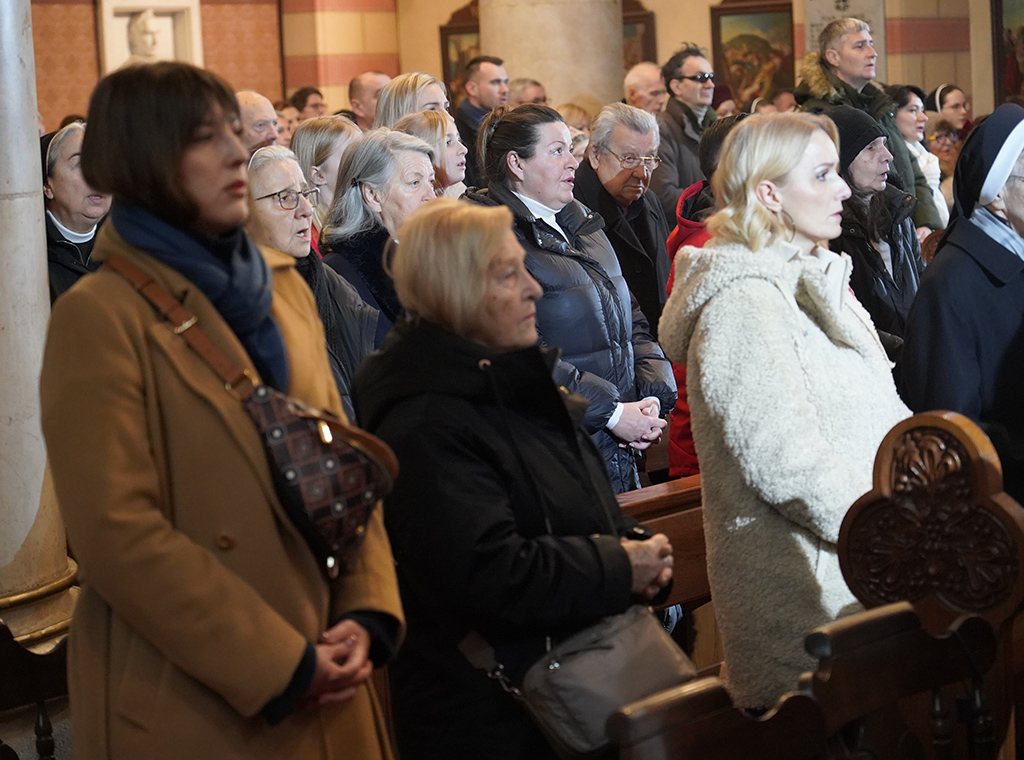
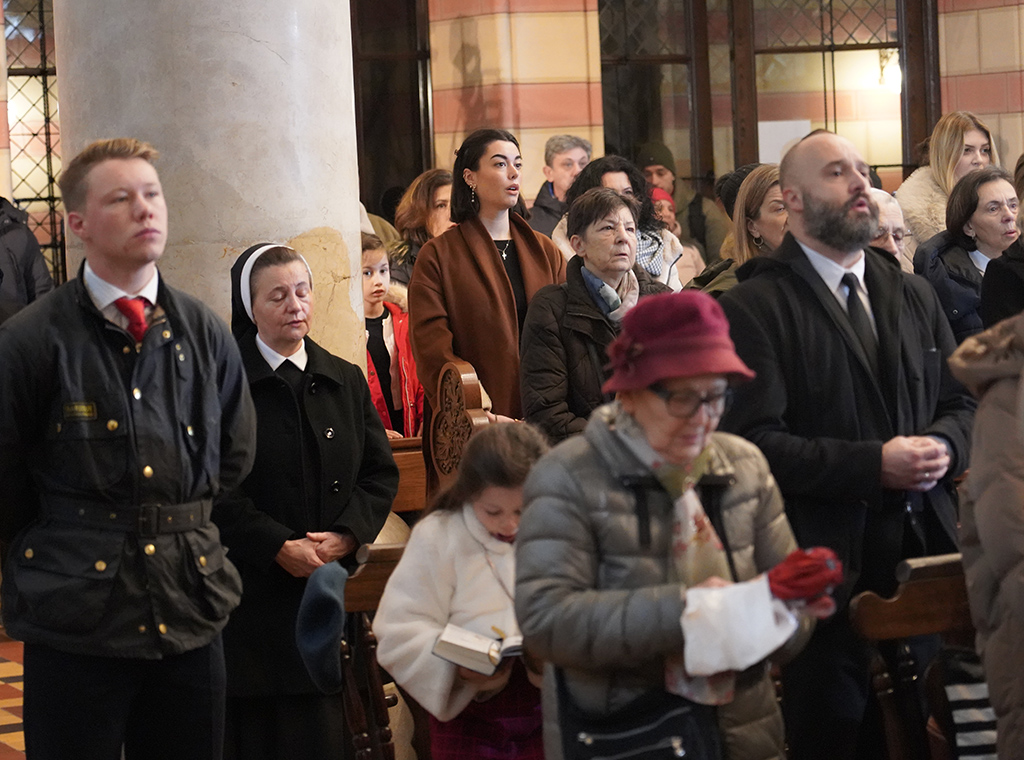
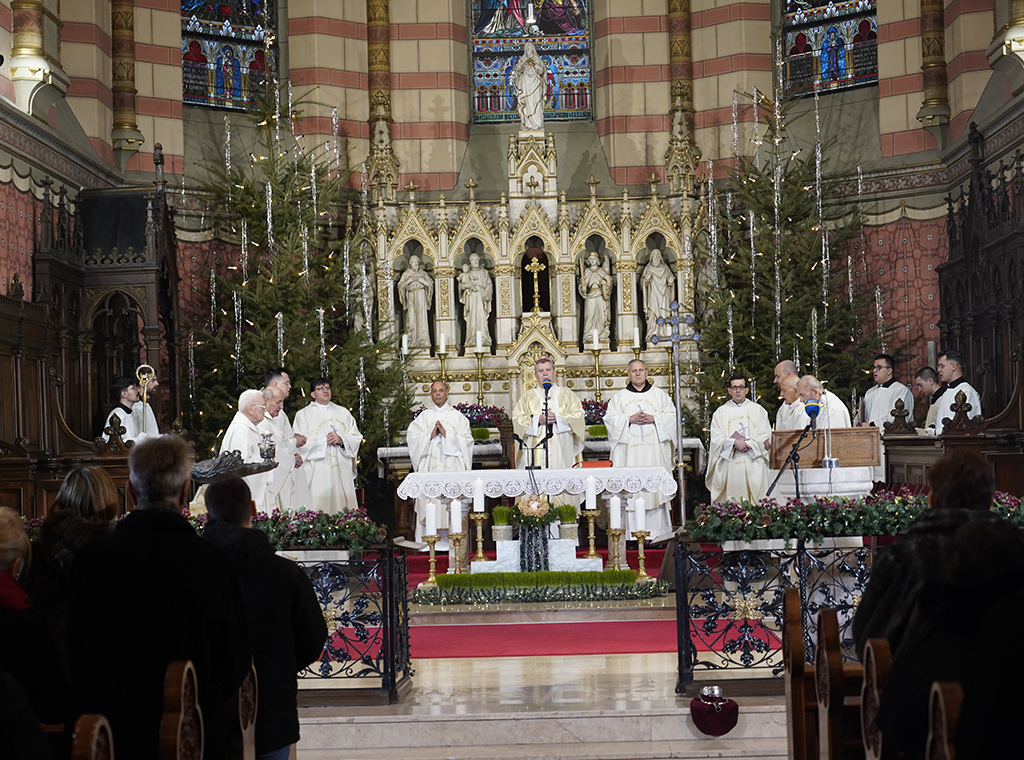
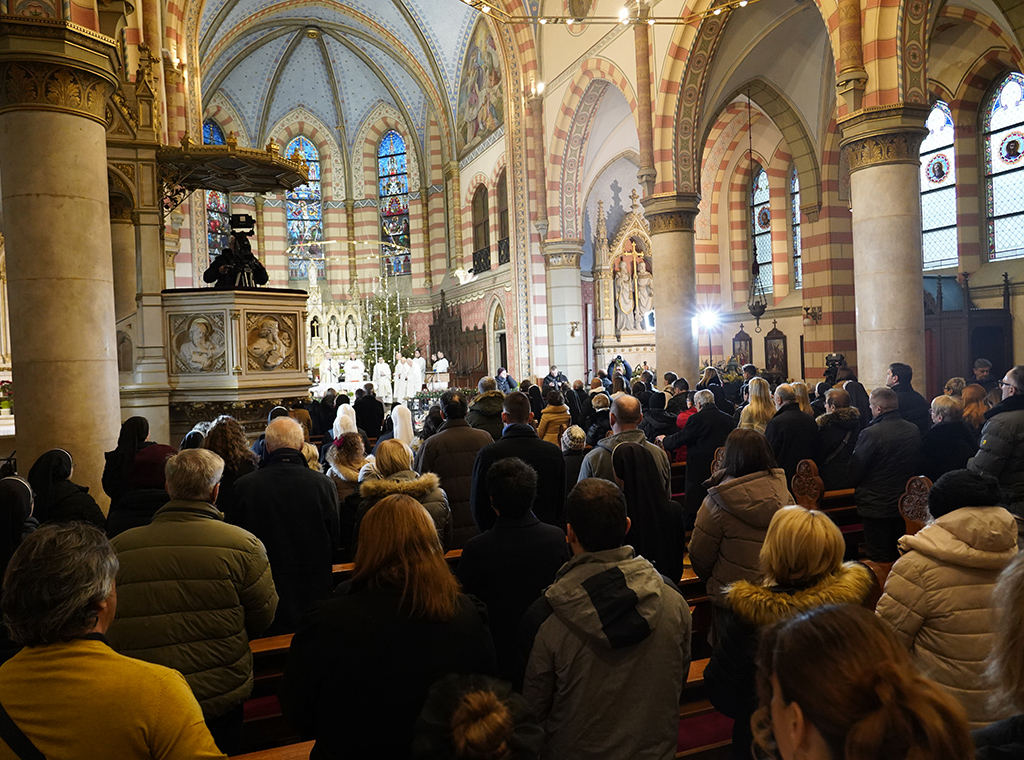
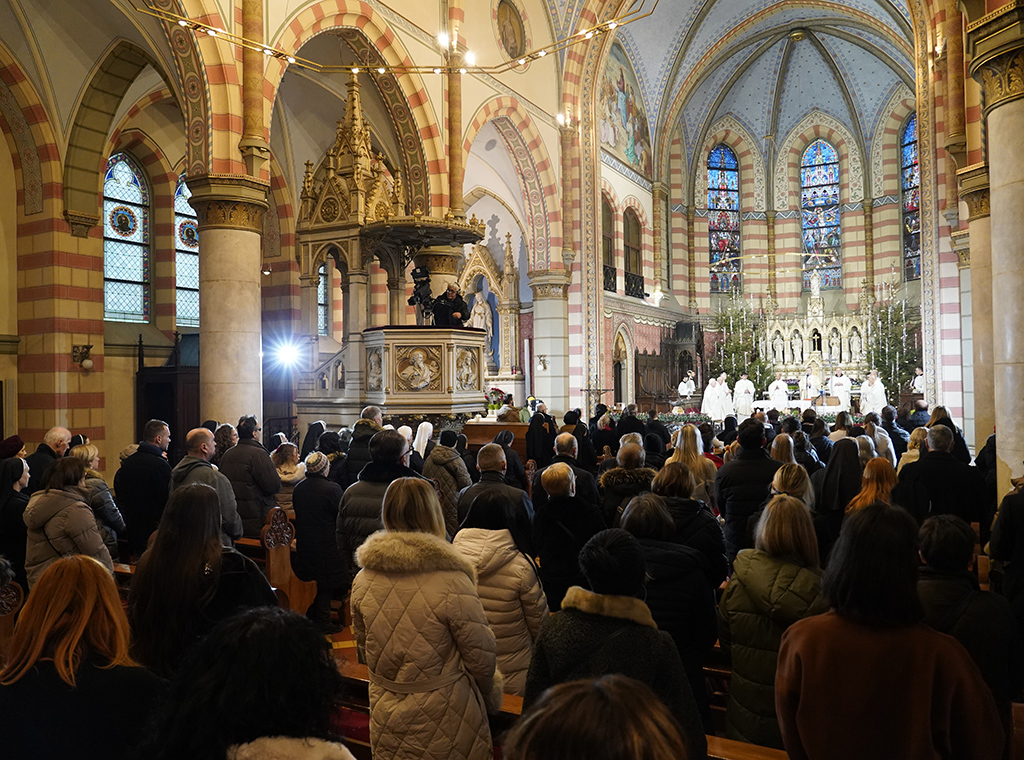
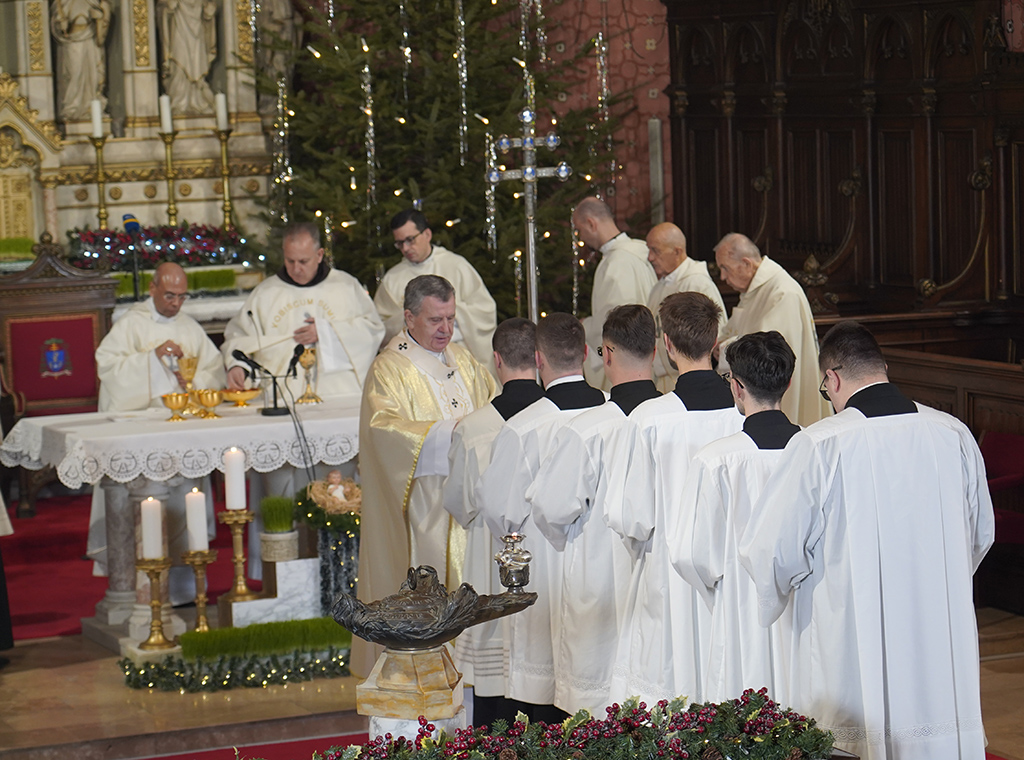
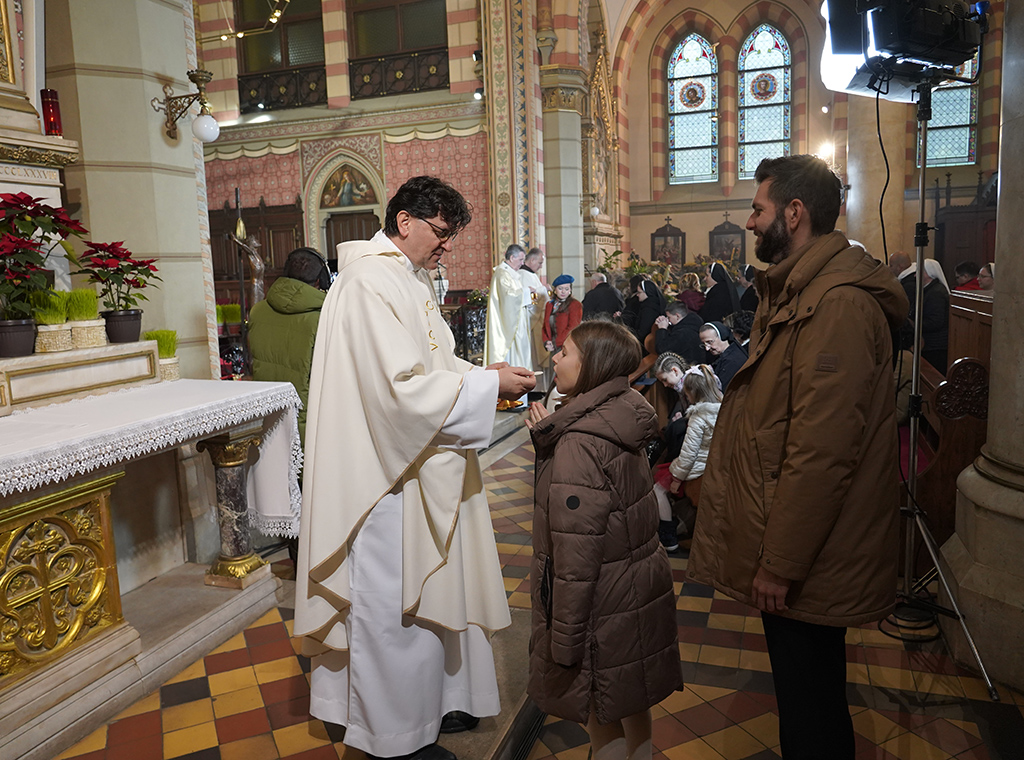
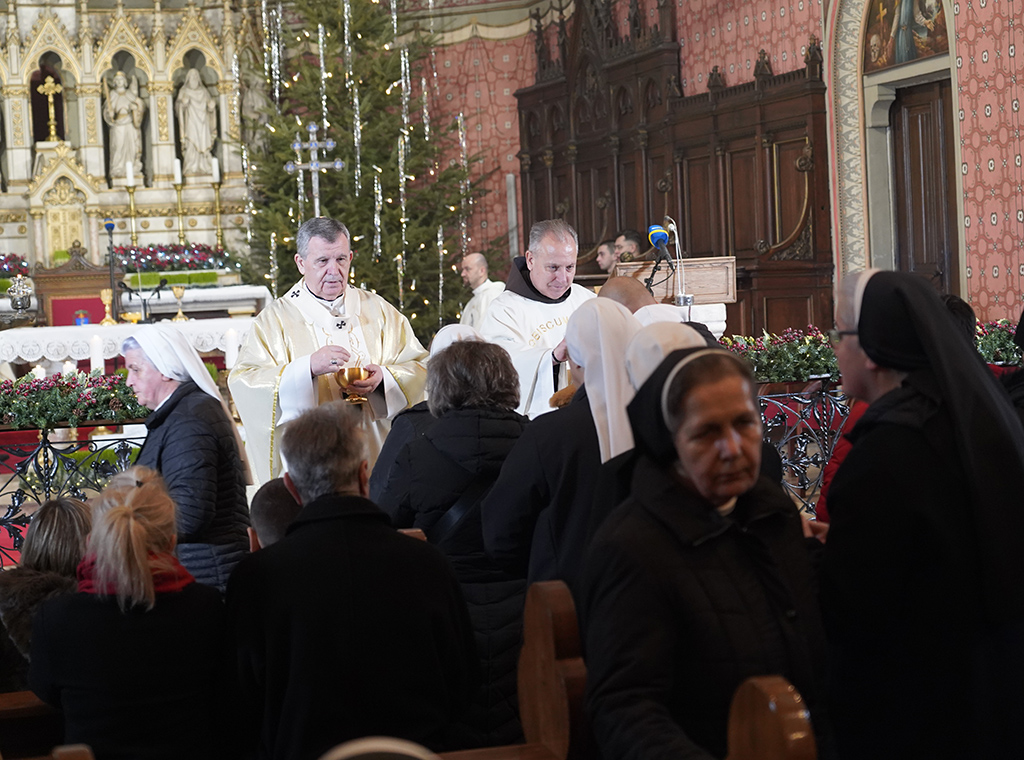
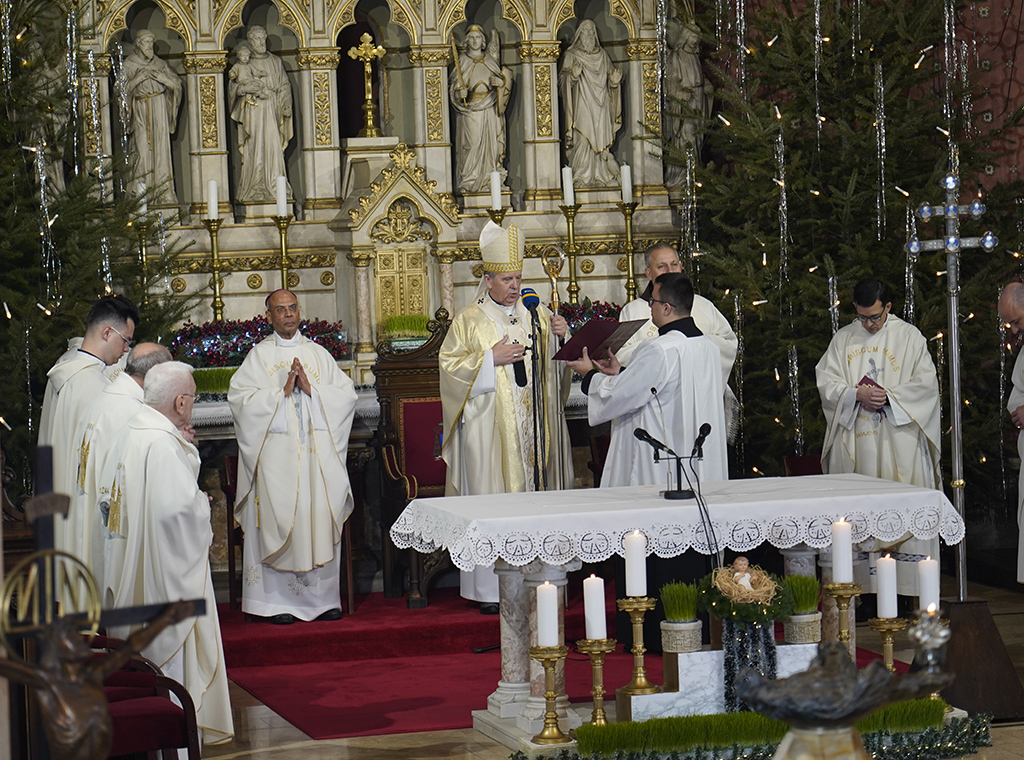
On the feast of Christmas, on Thursday, December 25th, Archbishop of Vrhbosna Msgr. Tomo Vukšić led a solemn Eucharistic celebration in the Cathedral of the Sacred Heart of Jesus.
.JPG)
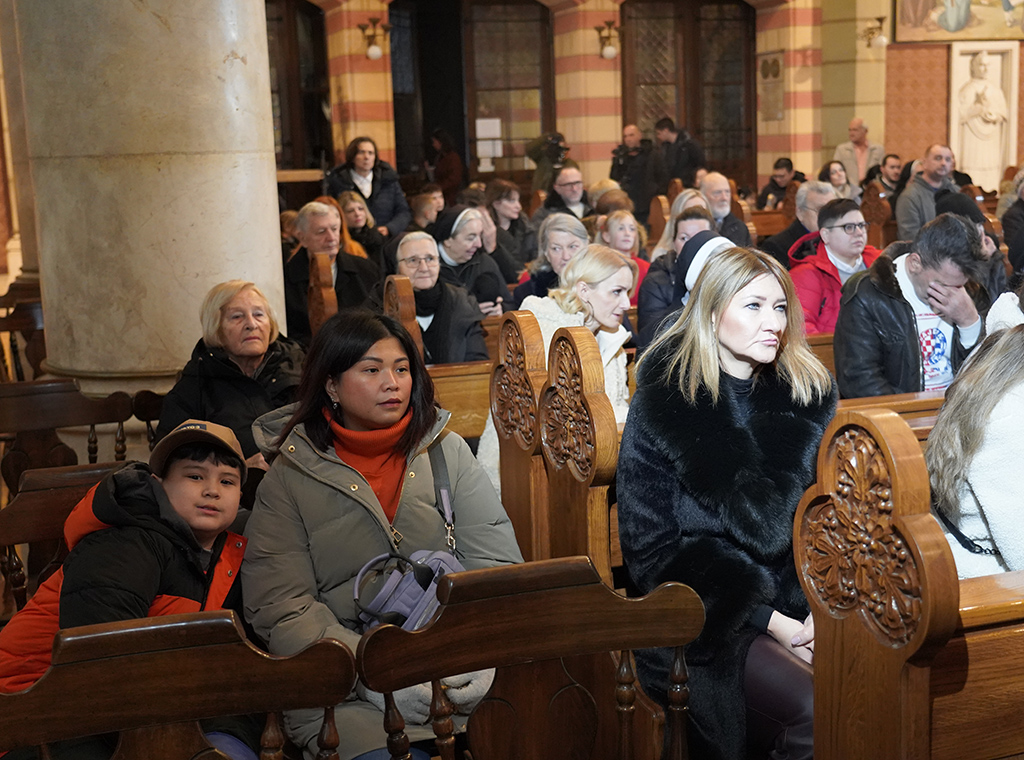
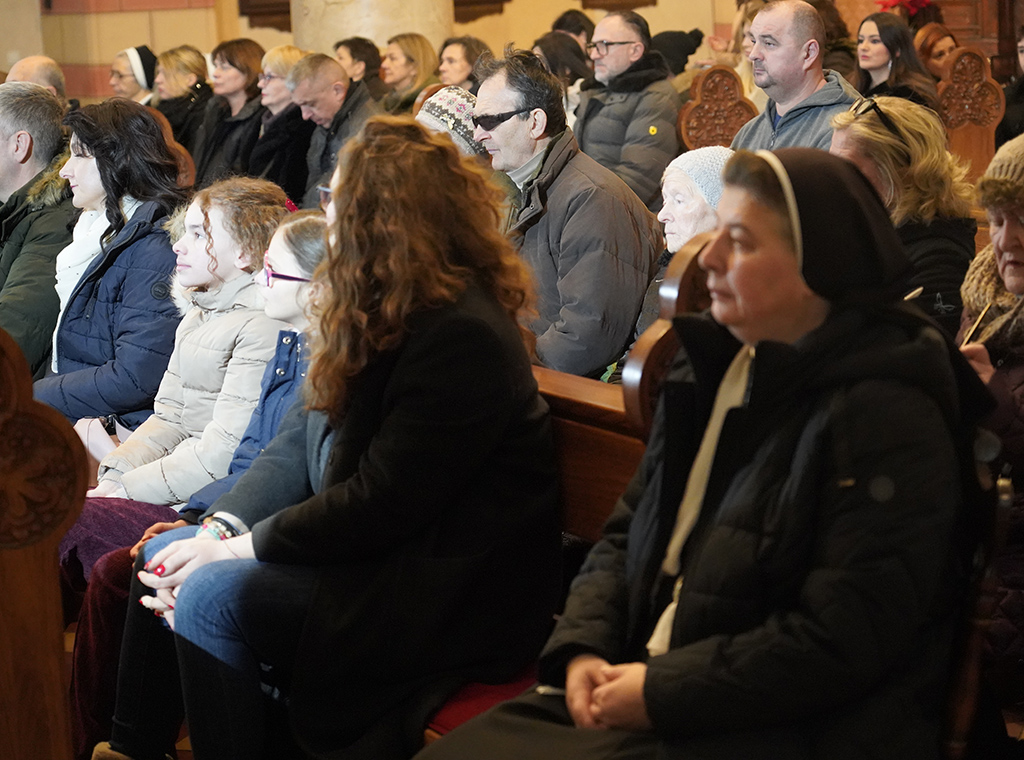
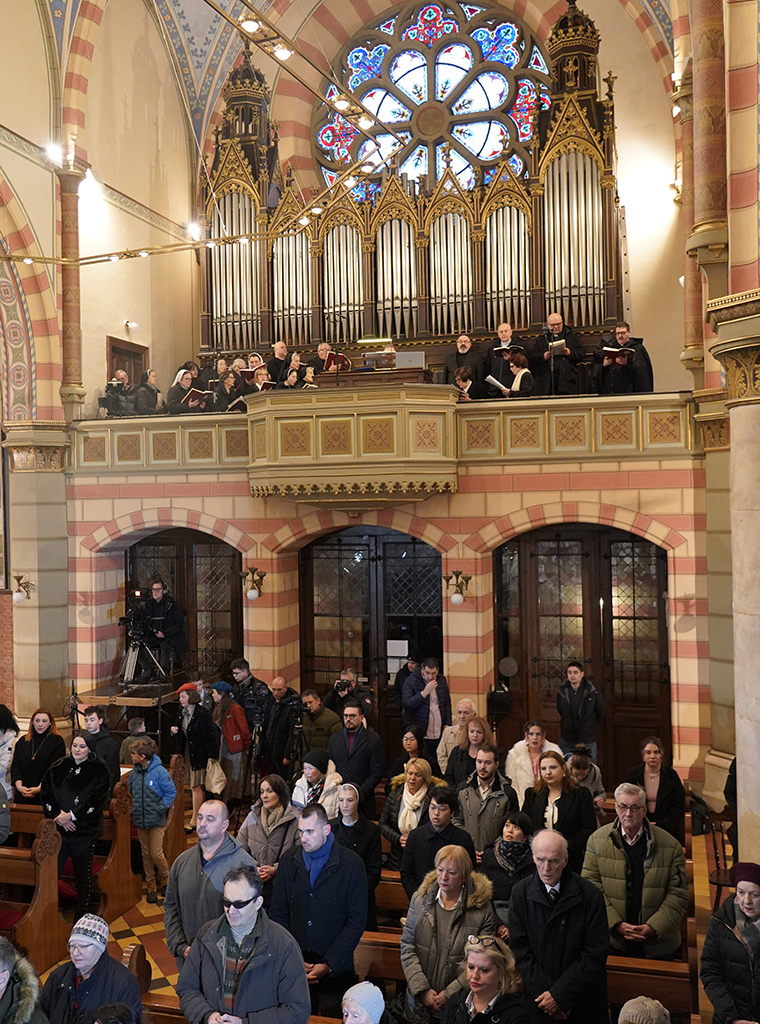
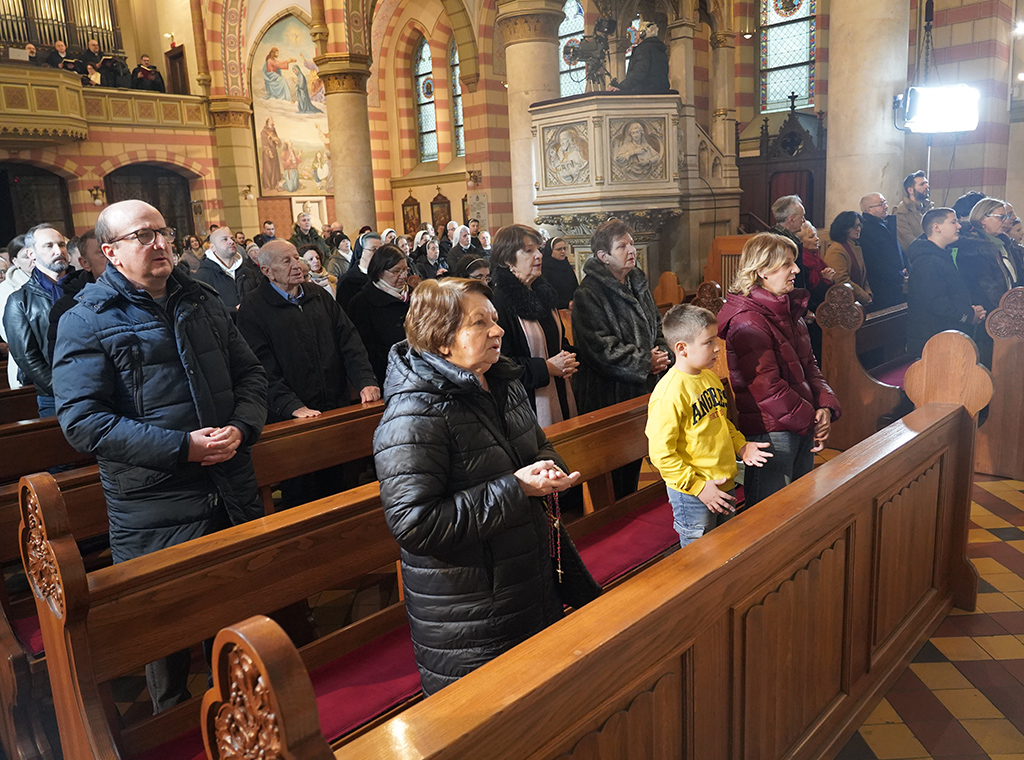
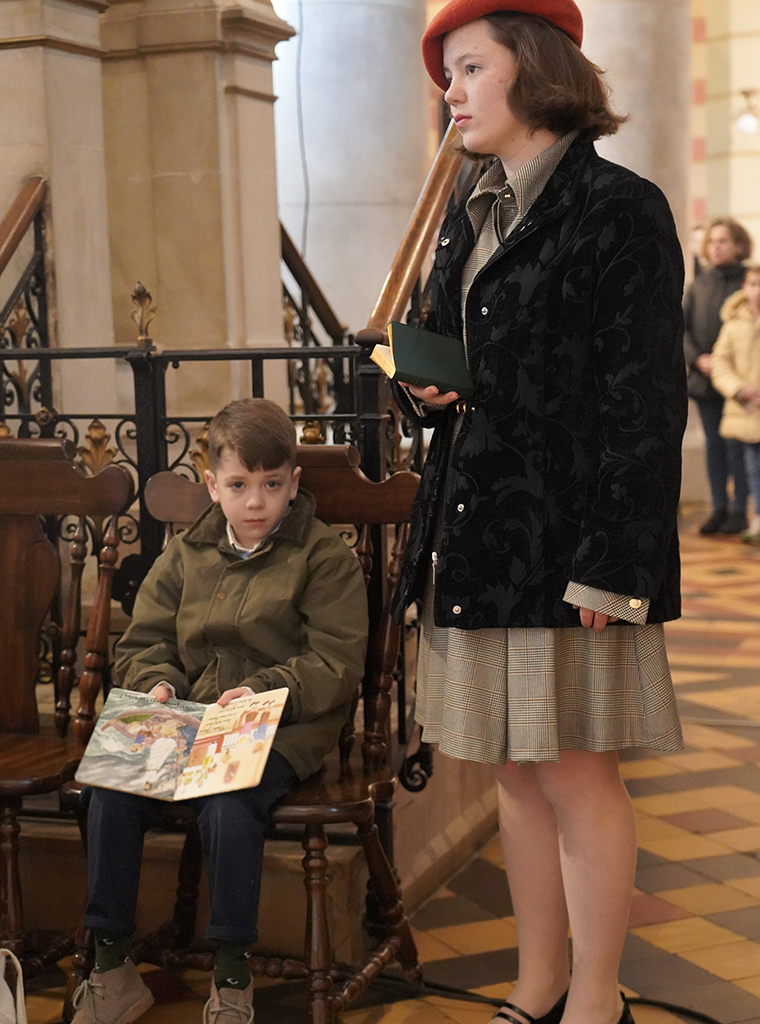
The Holy Mass, which was attended by numerous faithful from the city of Sarajevo, about 10 priests concelebrated, including: the Apostolic Nuncio in Bosnia and Herzegovina, Archbishop Francis Assisi Chullikatt, and the Provincial of the Franciscan Province of Bosna Srebrena, OFM Zdravko Dadić.
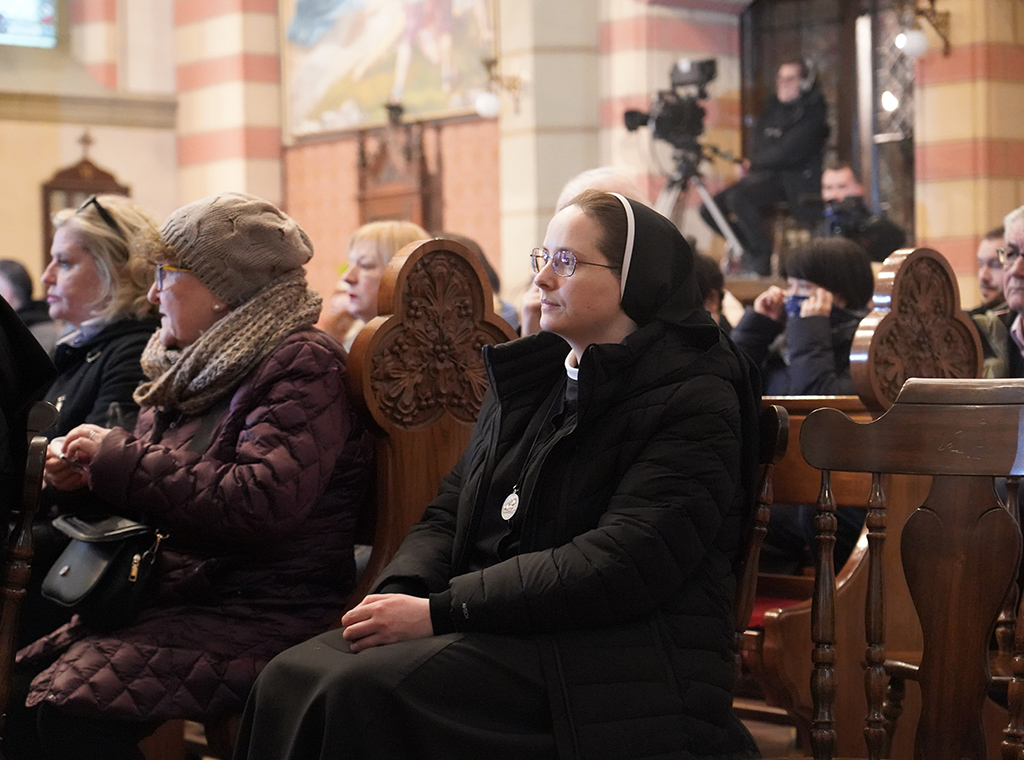
At the beginning, Archbishop Vukšić greeted those present in the Stadler building, those who followed the Holy Mass on the BHT1 television program, and sent a Christmas greeting.
May the world become a better place
He pointed out that this is a feast commemorating the birth of Christ the Lord, but also a feast that is remembered as the beginning of a better world when the second person of the Holy Trinity came to earth so that people could become better. "Let us pray to the dear God to enlighten us so that each of us, like every creature of God, may become an instrument of His love, friendship and goodness on earth. May this world become a better place to live day by day through such action and Christian behaviour", said the archbishop, asking "may God's mercy forgive us our weaknesses so that we may celebrate this Eucharistic celebration in a worthy manner."
The content of Christmas told in different ways
In his homily, Archbishop Tomo first explained that the feast of Christmas is for Christians a joyful proclamation of peace to the whole world, because in Jesus Christ God himself embraced human nature. He added that His descent among men is a call to every man to weave within himself a particle of divine goodness and thus become like his Creator, using the term “deified”. Msgr. Vukšić encouraged those present to strive for holiness that makes them similar to God.
Referring to the birth of Jesus, he added that believers profess faith in the miraculous moment in which Eternity stepped into the transience of time, not abandoning its divinity, but nobly imbuing human history with hope and meaning. "Thus, Jesus is, to put it figuratively, a concrete bridge that connects the shores of God and man, heaven and earth. Or, to put it somewhat abstractly, He is the link in which the material and the spiritual, the timeless and the temporal, the eternal and the transitory, the visible and the invisible, meet", said the archbishop, and then reflected on the Holy Mass readings which, in addition to expressing the truth about the birth of Jesus Christ, the God-man and saviour of the world, eloquently demonstrate that the content of Christmas can be narrated in different ways and that different vocabulary can be used, depending on the culture and way of thinking of those to whom that content is announced and interpreted.
He pointed out that at the beginning of the Epistle to the Hebrews, which was written to the early Christians who had converted from the Jewish faith and who had grown up in Jewish culture and faith and retained that way of thinking, the holy writer interprets the content of Christmas starting from God's presence among the chosen people as described in the Old Testament and addresses them in words that are easily understandable to them, reminding them that the Lord has been present in their history for many centuries.
He then mentioned the beginning of the Gospel of John, which also describes the content of the Christmas event, but does so in its own way and with a completely different vocabulary. "The reason for such behaviour is that the Christians addressed by this holy writer are converts who were very much influenced by Greek culture, language, and way of thinking. They lived in a different cultural circle and were influenced by the philosophical thinking of the time about the Logos, or the Word of God. Aware of the circumstances of the different culture and way of thinking of the people he addresses, the holy writer of the introduction to the Gospel of John uses a different vocabulary, appropriate to the listening and understanding abilities of those to whom he writes", said Msgr. Vukšić, adding that after John proclaims in a few words three basic truths about God the Logos, the Word of God, he announces its incarnation in Jesus Christ by stating that this Word of God "became flesh and dwelt among us."
Words are bridges
"As Christian believers, we are called children of God, and we are. We also confess this fundamental truth of our faith every time we say the basic Christian prayer and call God: Our Father. That is, if God is the father of men, then men are his children. But man is truly a child of God to the extent that he truly receives, knows, and applies the teaching of Jesus, to the extent that he allows the Light to truly illuminate his life paths, and to the extent that men, themselves enlightened by the teaching of Christ and guided by his example, help to enlighten every man in the world with that same teaching and example", continued the preacher, adding that the incarnation of Jesus and Christmas are the bridge through which God is in constant communication with man.
"Just as the words we speak are bridges between us humans, so the Word of God is a permanent bridge between God and man, which unites, connects and through which they communicate: through Christ, with Christ and in Christ", he added, explaining that through Christ, God came among people, and they are expected to accept and apply his teaching of love for every person as their own.
"Therefore, every Christian prays to the Lord to give him wisdom so that he may always be morally in the state of a child of God and to have the courage to build bridges of friendship towards others, between those who do not understand each other, do not trust each other, who hate each other or are in conflict with each other, bridges of understanding between generations, cultures, peoples and countries, bridges of solidarity towards the forgotten, closeness towards the disappointed", he said, and finally made people aware that the birth of Jesus is the beginning of a better world and "our divine rebirth" and asked the Lord "to bless us and all others with us on this path."
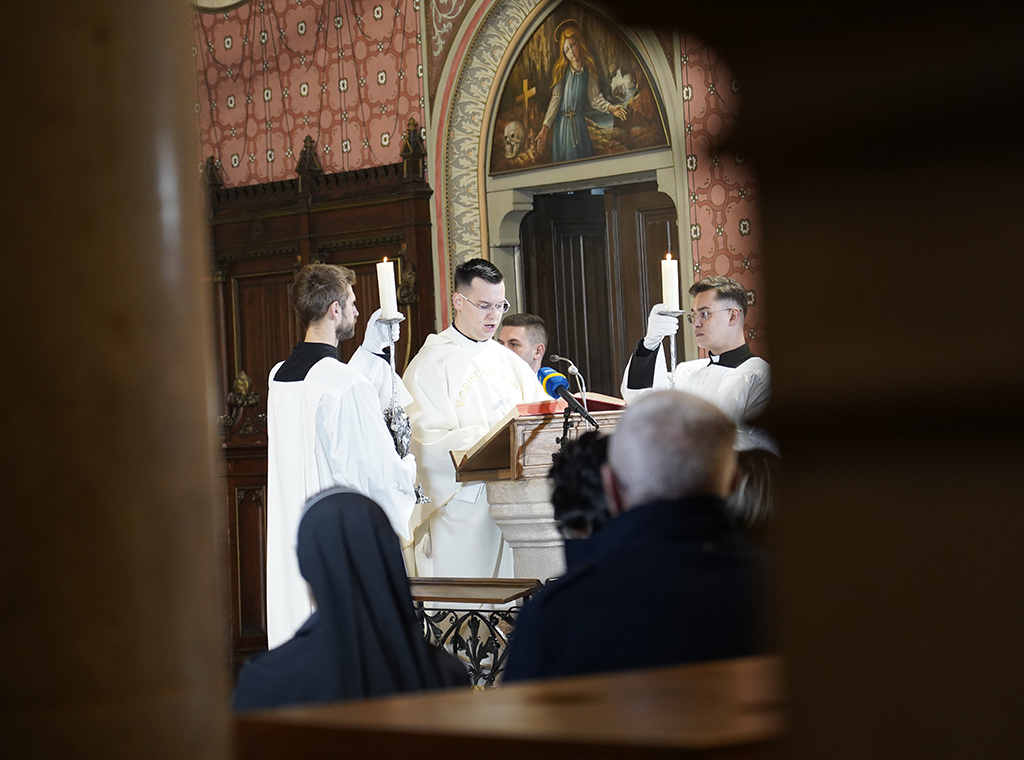
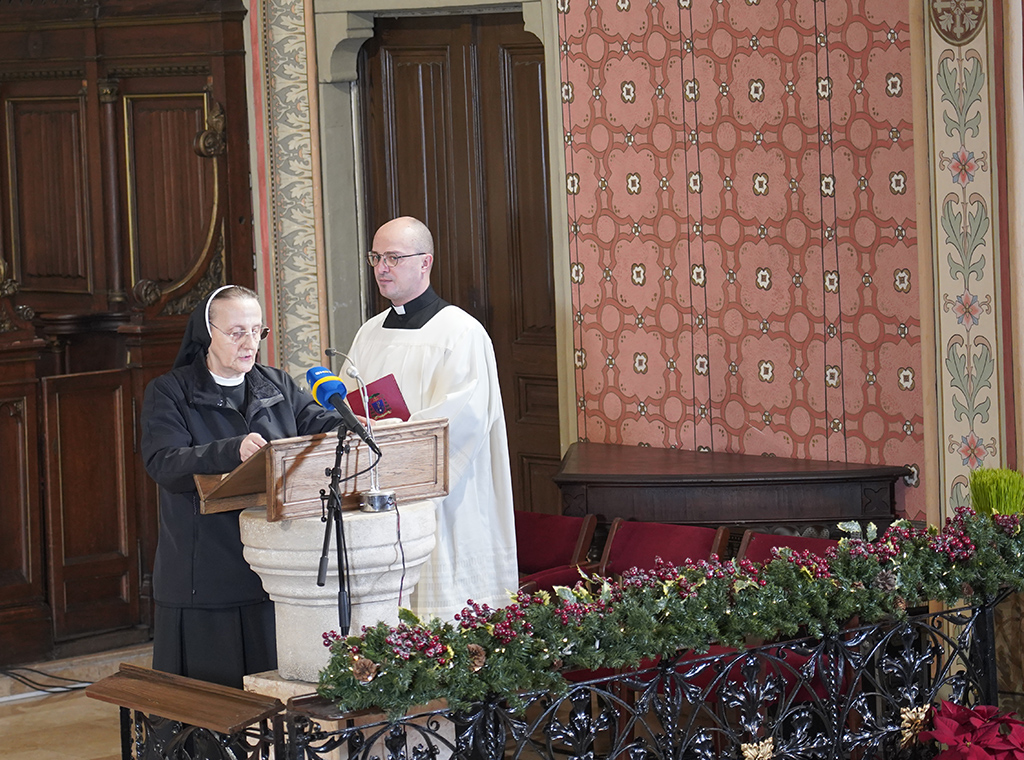
The liturgical celebration was animated by the Cathedral Mixed Choir Josip Stadler under the direction of the regens chori of the cathedral, Rev. Marko Stanušić, while the liturgy was led by the master of ceremonies, the rector of the Vrhbosna Theological Seminary, whose theologians assisted at the altar, Rev. Ivan Rako.
Since we are still in the Jubilee Year 2025, at the end, Archbishop Vukšić granted, to all who fulfilled the conditions, a plenary indulgence with his pastoral blessing.