
Formation of candidates for readers and acolytes of the Bishop’s conference of Bosnia and Herzegovina has begun
ned, 18. siječnja 2026. 08:08
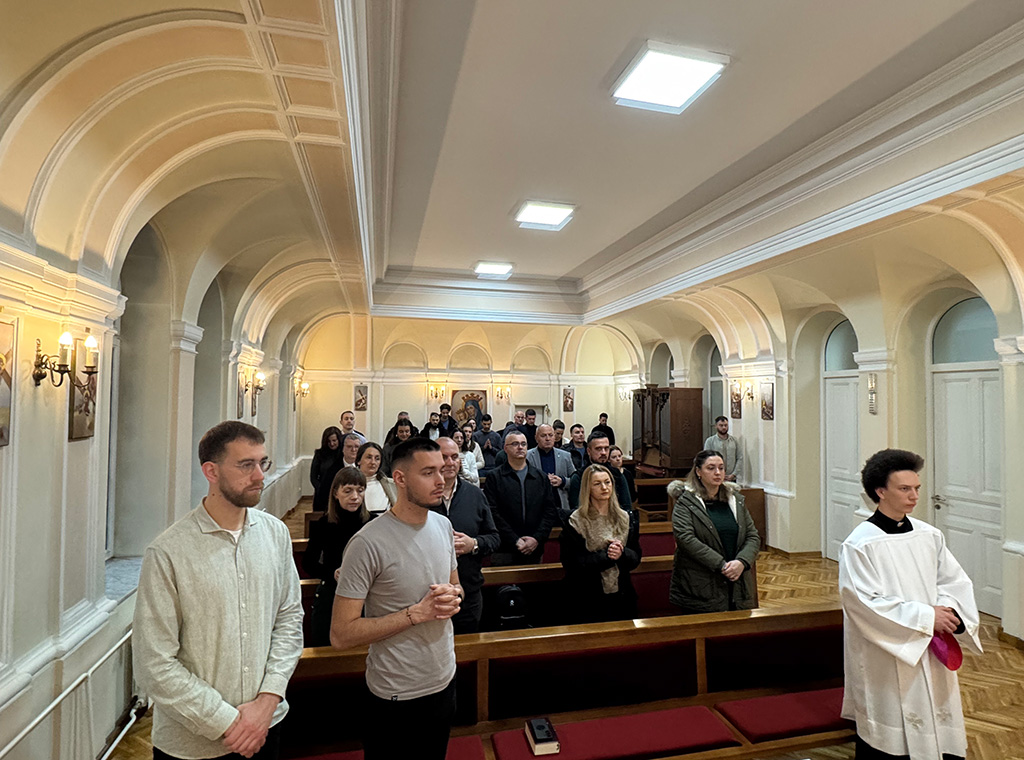
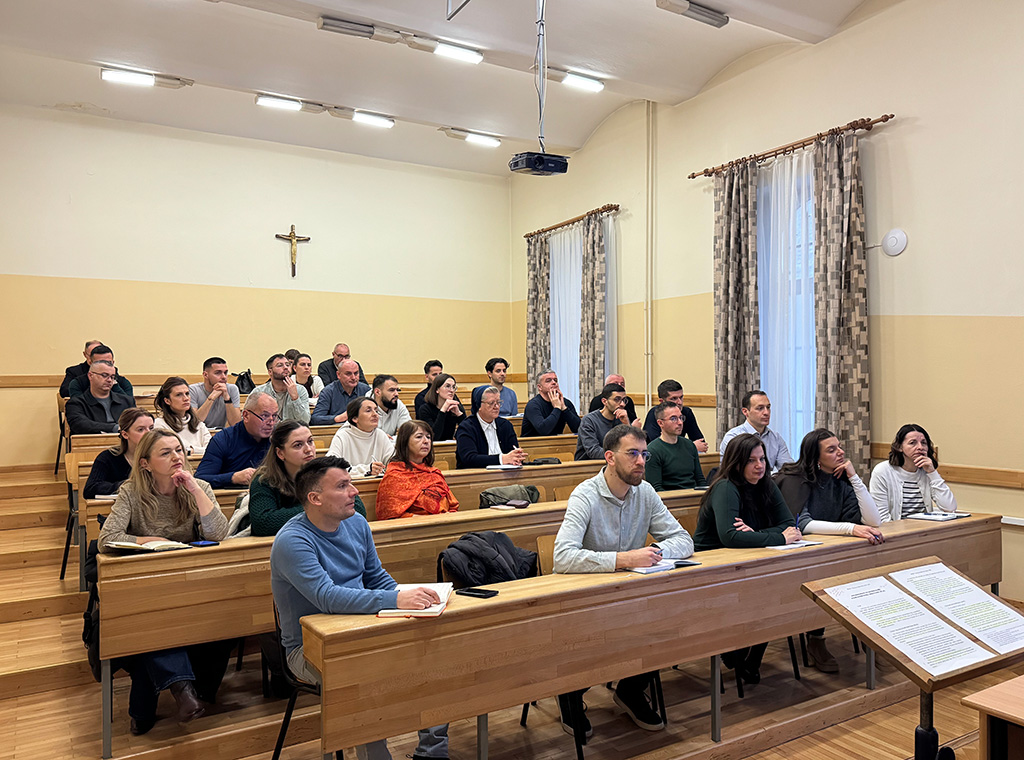
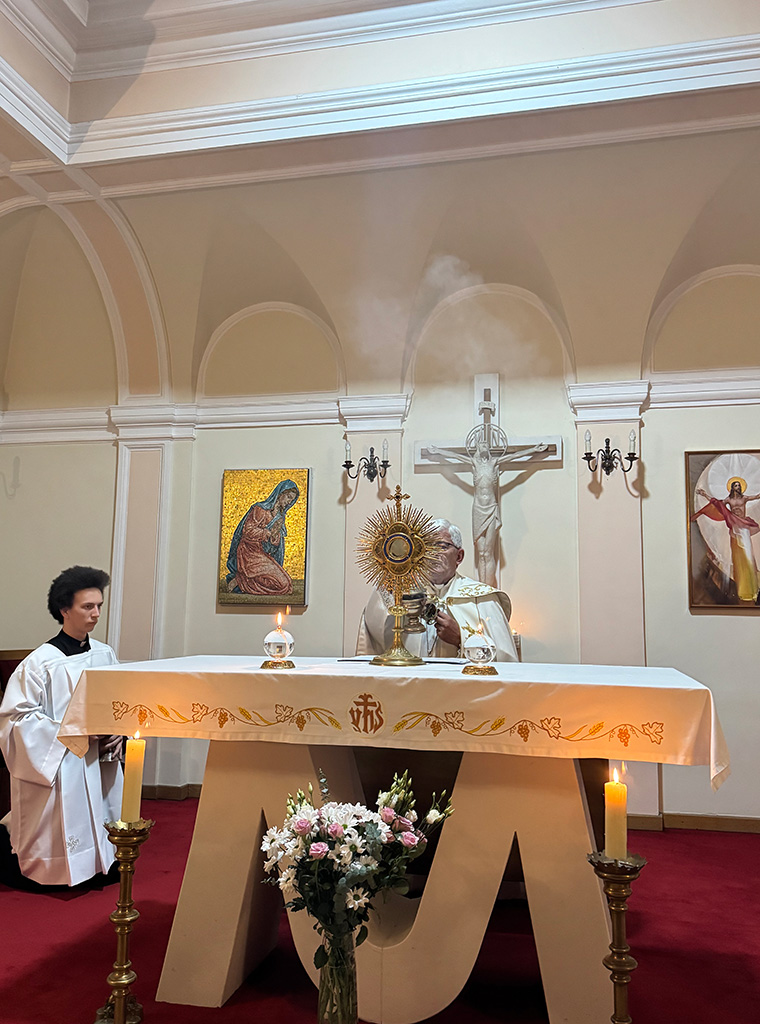
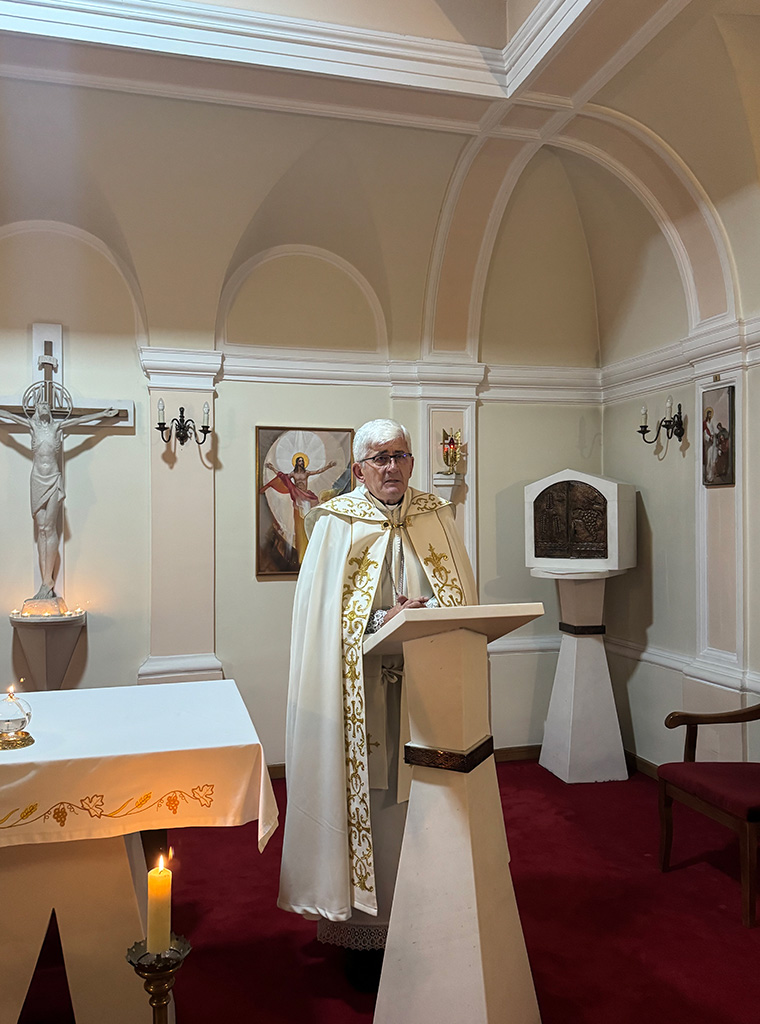
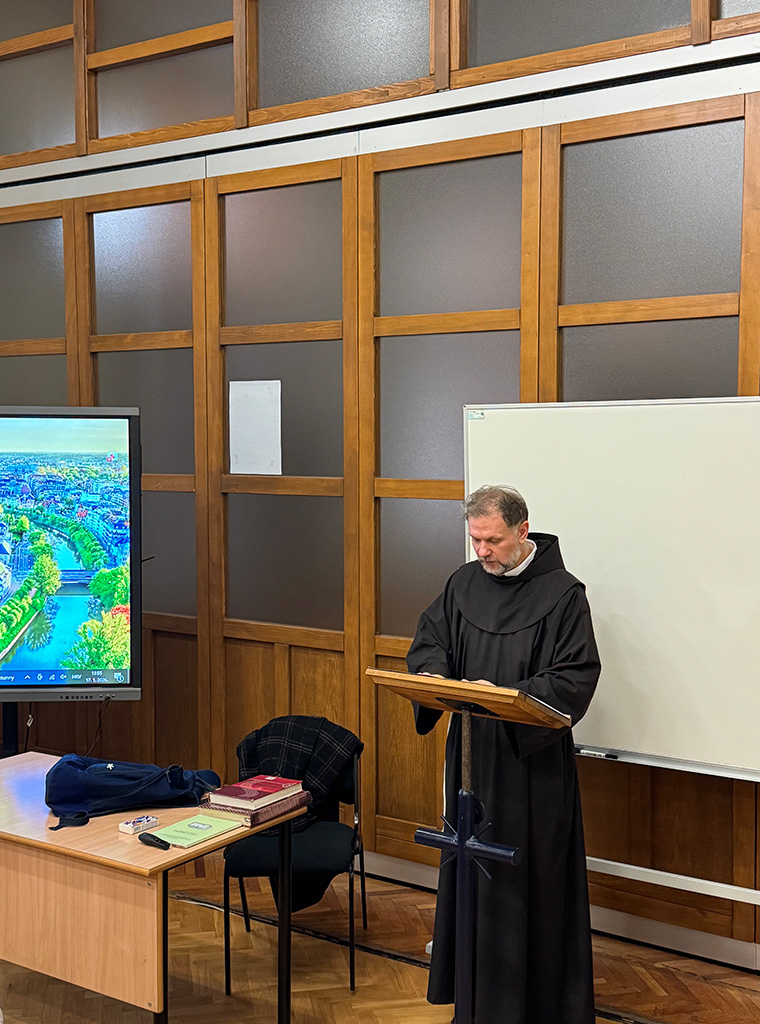
On January 16th, the first two-day meeting of the first cycle of formation of candidates for readers and acolytes began in the premises of the Vrhbosna Theological Seminary, attended by 34 candidates.

Implementing the provisions of the moto propria Spiritus Domini of Pope Francis of January 10th 2021, according to which lay people of appropriate age and virtue can be permanently assigned the ministry of readers and acolytes, the bishops of the Bishops' Conference of Bosnia and Herzegovina adopted a Note on the ministries of readers and acolytes, as well as guidelines for practice and their appointment to ministry. The bishops of the Bosnian Catholic Church see the ministries of readers and acolytes as an opportunity to renew church ministries to better demonstrate the involvement of everyone in the evangelizing work of the Church.
Presentation of the program
After the bishops adopted the proposed formation program and approved the start of its implementation in their area, on January 16th, the first two-day meeting of the first cycle of formation of candidates for readers and acolytes began in the premises of the Vrhbosna Theological Seminary, attended by 34 candidates (14 women and 20 men), of whom 19 were proposed for acolyte and 15 for lectorate. According to their archdiocesan centres, 15 candidates come from the Mostar-Duvno Diocese, 14 from the Vrhbosna Archdiocese, 2 from the Trebinje-Mrkan
Diocese, 2 from the Banja Luka Diocese and one from the Military Ordinariate of BiH.
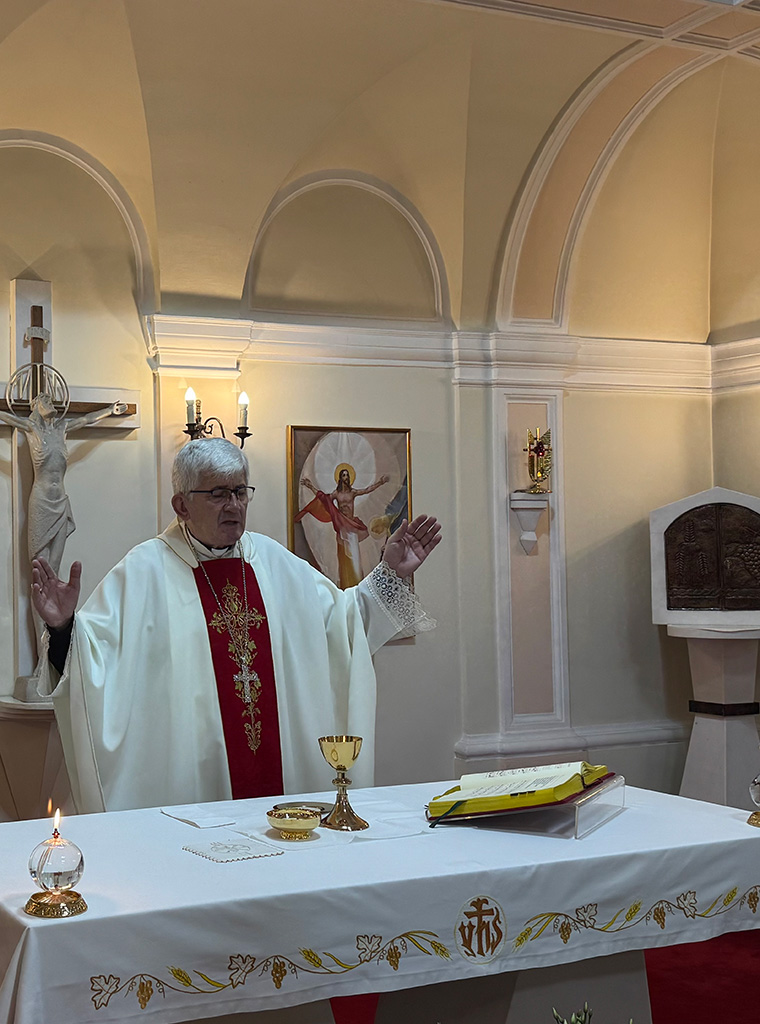
At the first cycle of formation, on behalf of the BK BiH, the candidates were greeted by the Bishop of Banja Luka, Msgr. Željko Majić, who stayed with them and prayed. He encouraged them on their formative journey and wished them blessings and encouraged them to be open in the process of formation in order to be credible bearers of the ministries to which their bishops will appoint them after the necessary discernment.
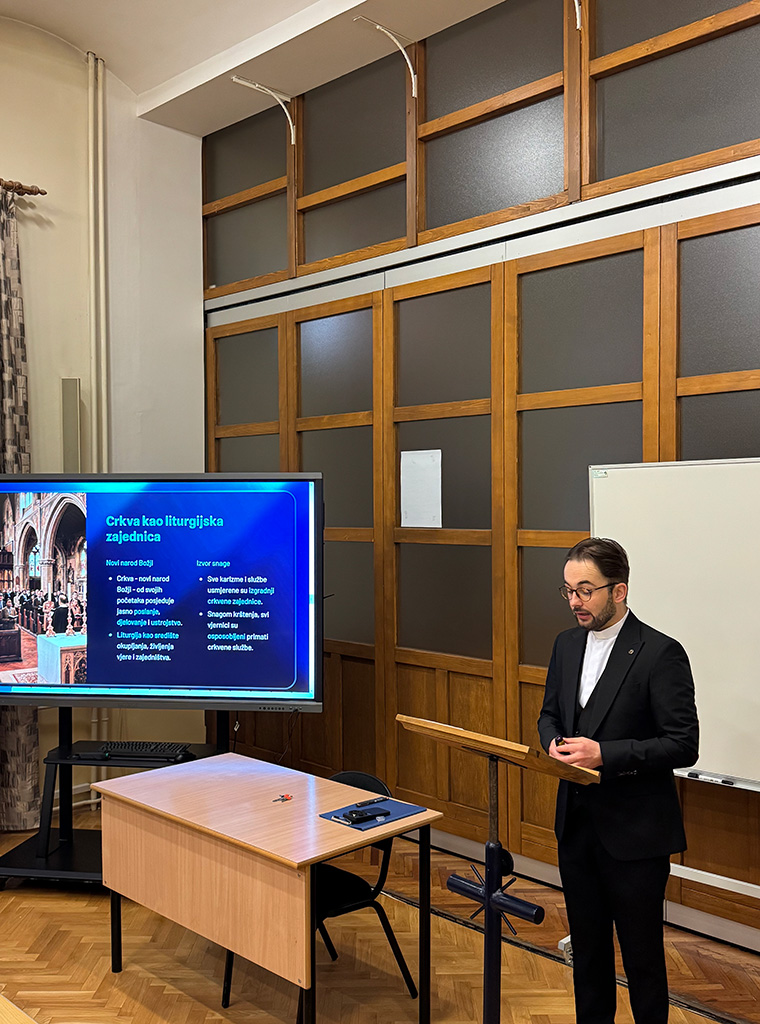
At the beginning of the first formation meeting, the professor of fundamental theology at the Catholic Faculty of Theology of the University of Sarajevo and the formation moderator, Dr. Rev. Hrvoje Kalem, presented the program and course of formation to the candidates and introduced them to the content and process of its implementation.
Comprehensive formation
In order to be assigned to the aforementioned ministries, candidates, according to the New Supplementary Provision of the BK BiH, in addition to other prescribed conditions, must also possess appropriate formation. The goal of formation is to familiarize candidates with the importance of being appointed to church ministries in the time in which the Church finds itself, to learn about their origin, history and development. During the formation process, which includes six two-day meetings, candidates will be helped to recognize the call for the corresponding ministries and encouraged in their desire to serve in local Churches. During the formation, they will acquire knowledge about the tasks of readers and acolytes and how they are practically carried out in specific liturgical circumstances. The essential content of the formation of candidates for readers and acolytes concerns the spiritual-theological, sacramental, biblical-liturgical, historical-ecclesiastical-legal and rhetorical dimensions. It consists of theoretical teaching, reflection, instructions and practical exercises, spiritual content, encouragement, rhetorical exercises, consultations and personal and group discussions. The formation is conceived as information about the identity and tasks of readers and acolytes and as a spiritual-theological formation of persons who have been recognized by their communities as suitable for this ministry.
The program of formation of candidates for the lectorate and acolyte is carried out through four modules:
1) a historical-legal module that will emphasize the historical development of the services of readers and acolytes, as well as their legal regulations and theological foundation;
2) a biblical-theological module that aims to explain the importance of the word of God in the life of the community and individuals for personal spiritual growth and proclamation in the community, and to point out the importance of biblical and Eucharistic spirituality for readers and acolytes and encourage them to personal spiritual growth;
3) a liturgical-practical module that will train candidates for active service in the liturgy of the Church, and practically teach them about the importance and influence of liturgical rites on the faithful life of the community. Through this module, participants will develop a basic understanding of liturgical symbols and liturgical practice;
4) a communication-rhetorical module that will help candidates acquire technical and interpretive skills for reading biblical texts. Experts from the aforementioned fields as well as experts from spiritual and pastoral practice participate in the formation.
The first cycle of formation for 34 candidates will end on March 28th, and parish priests will be informed about new cycles and the time of formation in a timely manner.

.jpg&w=420&h=235&zc=1&hash=8979a7fb41970e40e9ab904ce5ae0d0e)

.jpg&w=420&h=235&zc=1&hash=6fa2ac5871e71da00635f983489ad887)
.jpg&w=420&h=235&zc=1&hash=c9b93ea24d984092be7aa05378fb14e7)