
Sarajevo
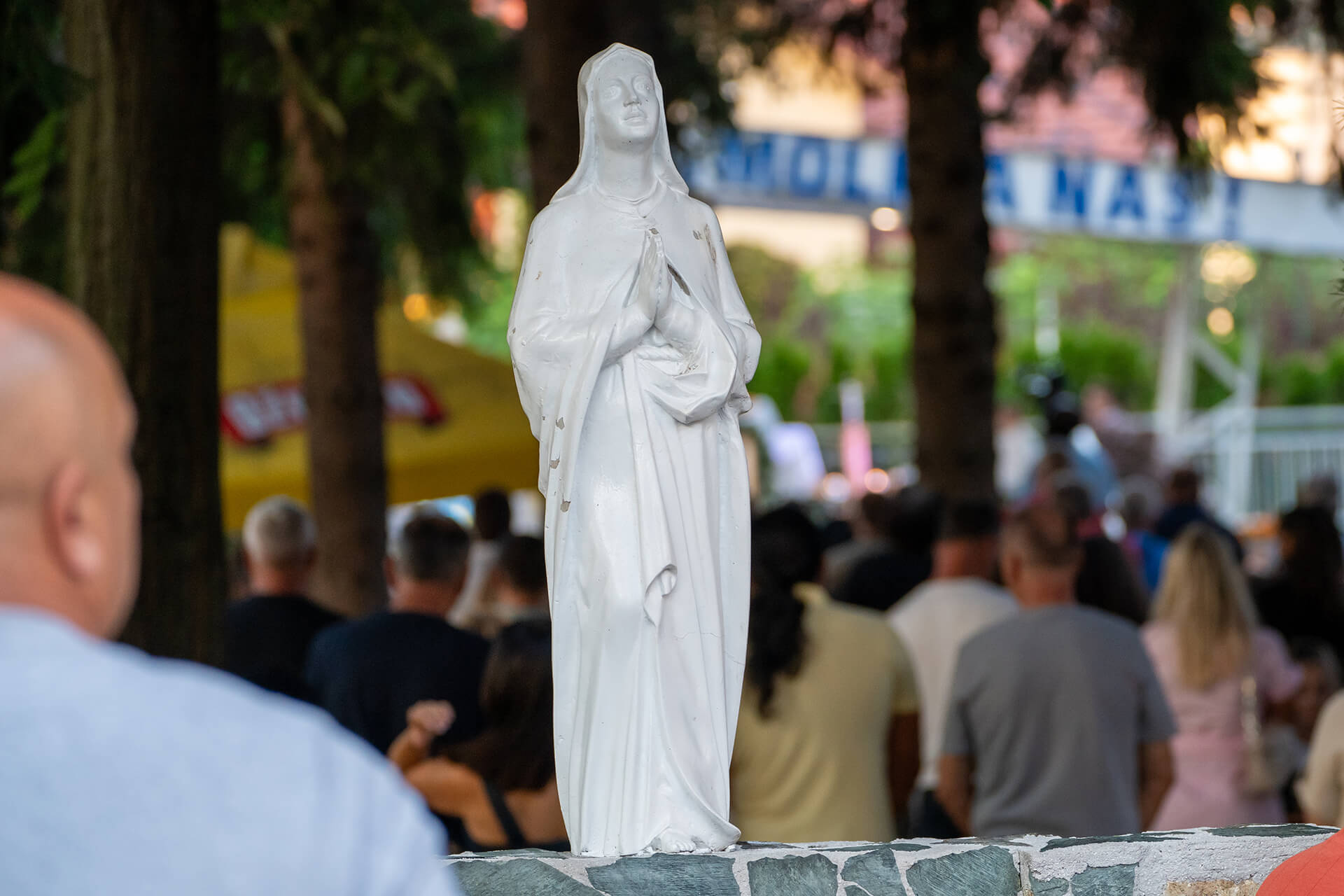
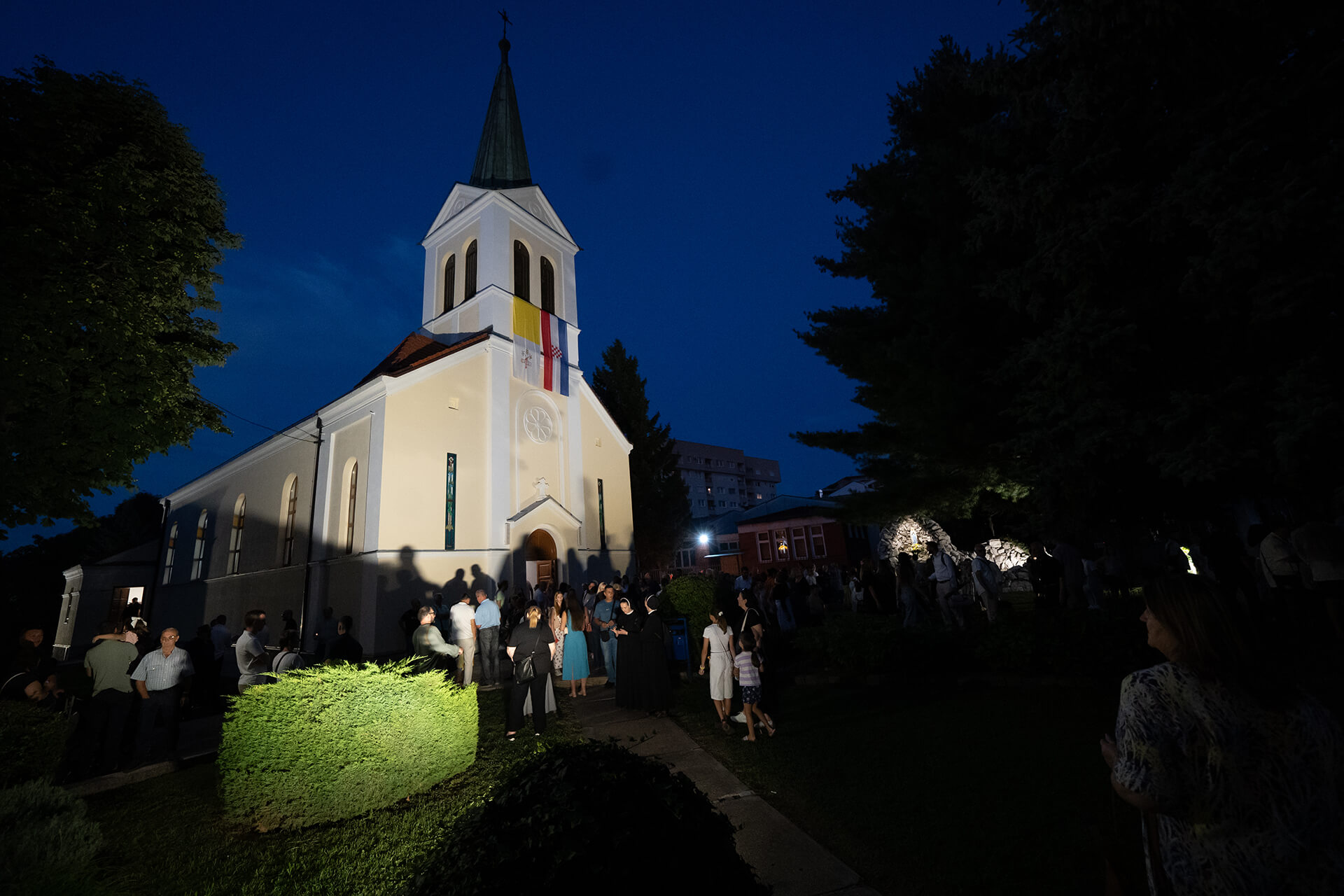
The Assumption of the Blessed Virgin Mary was solemnly celebrated in Stup
Believing in God like the Blessed Virgin Mary
ned, 17. kolovoza 2025. 22:21
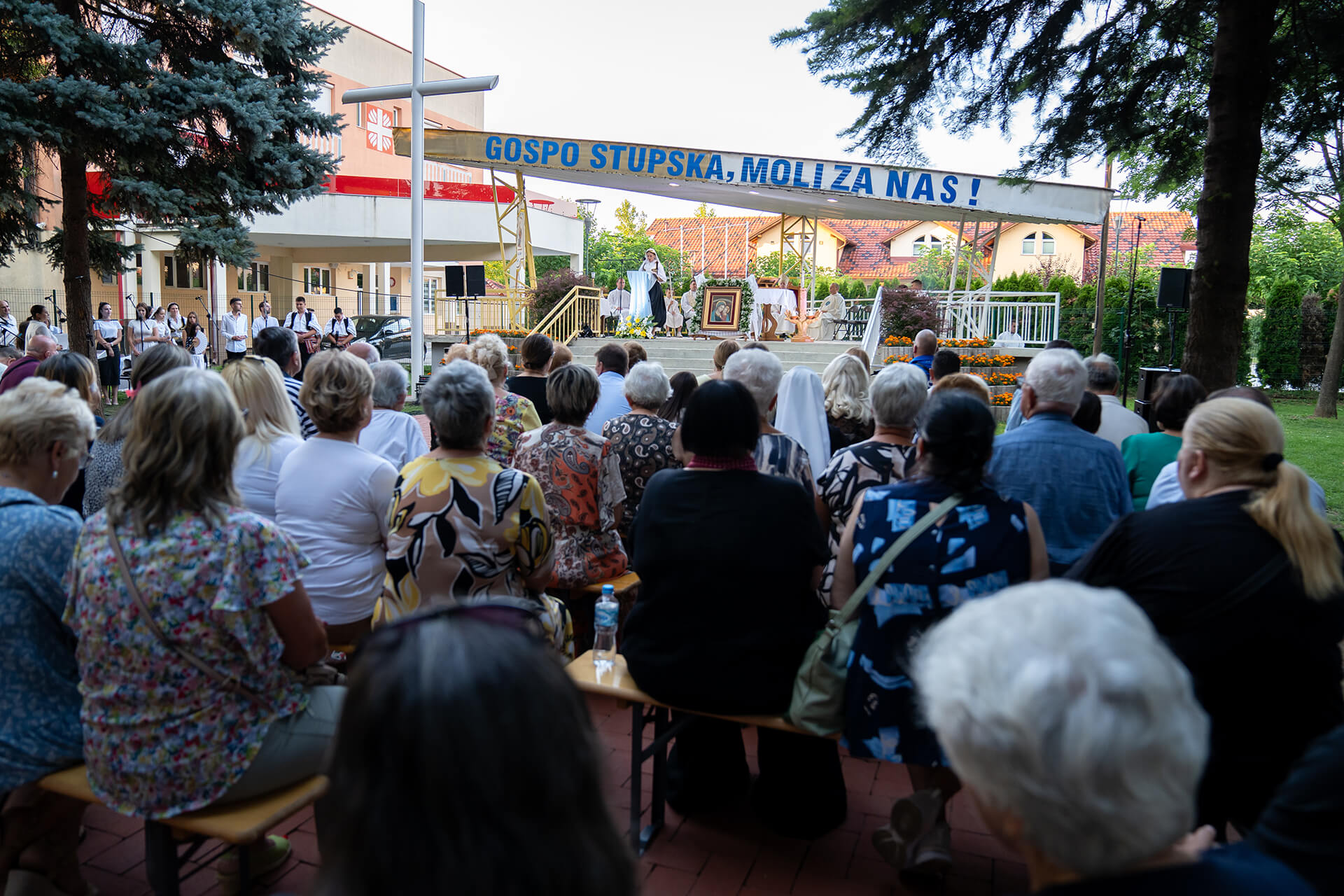
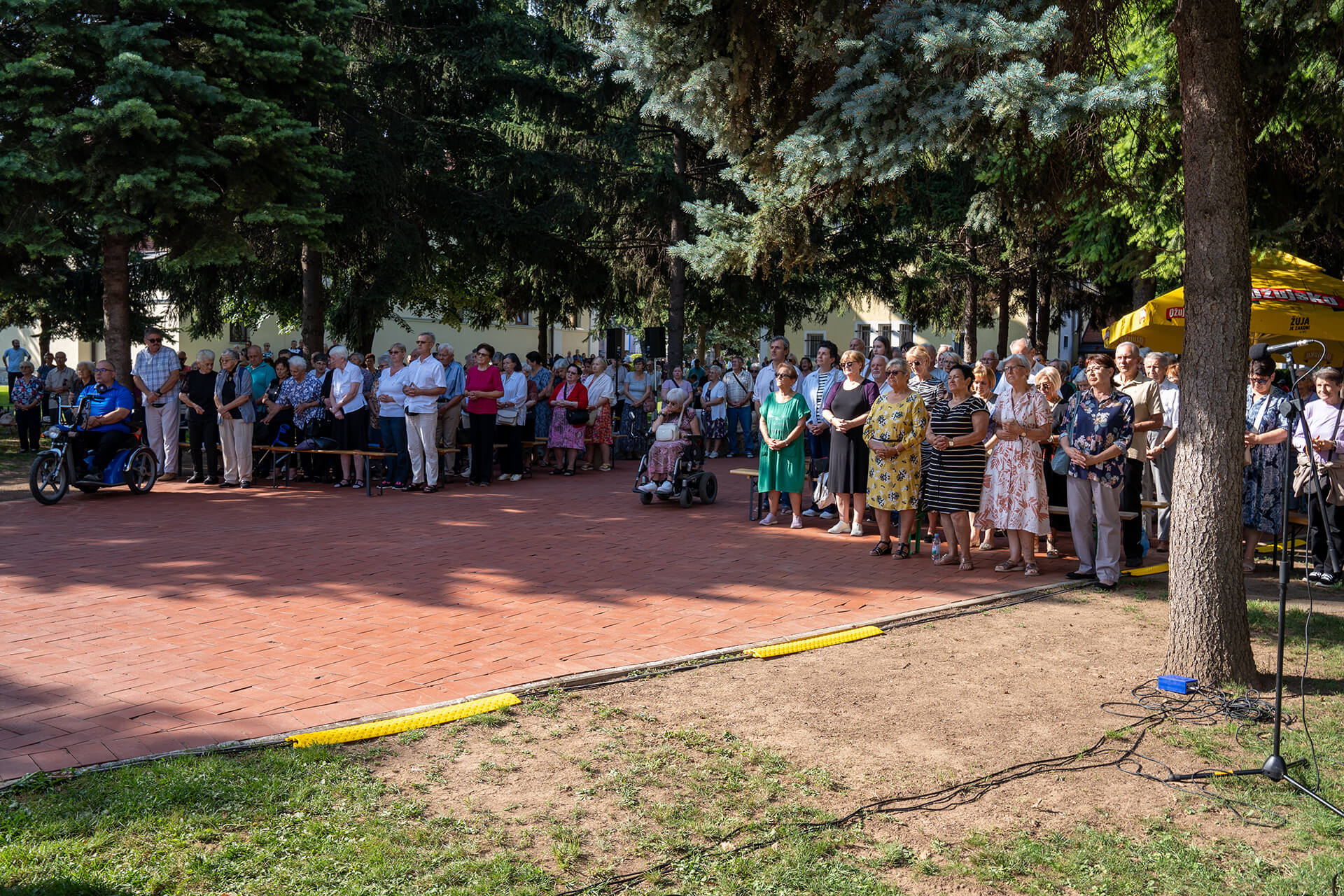
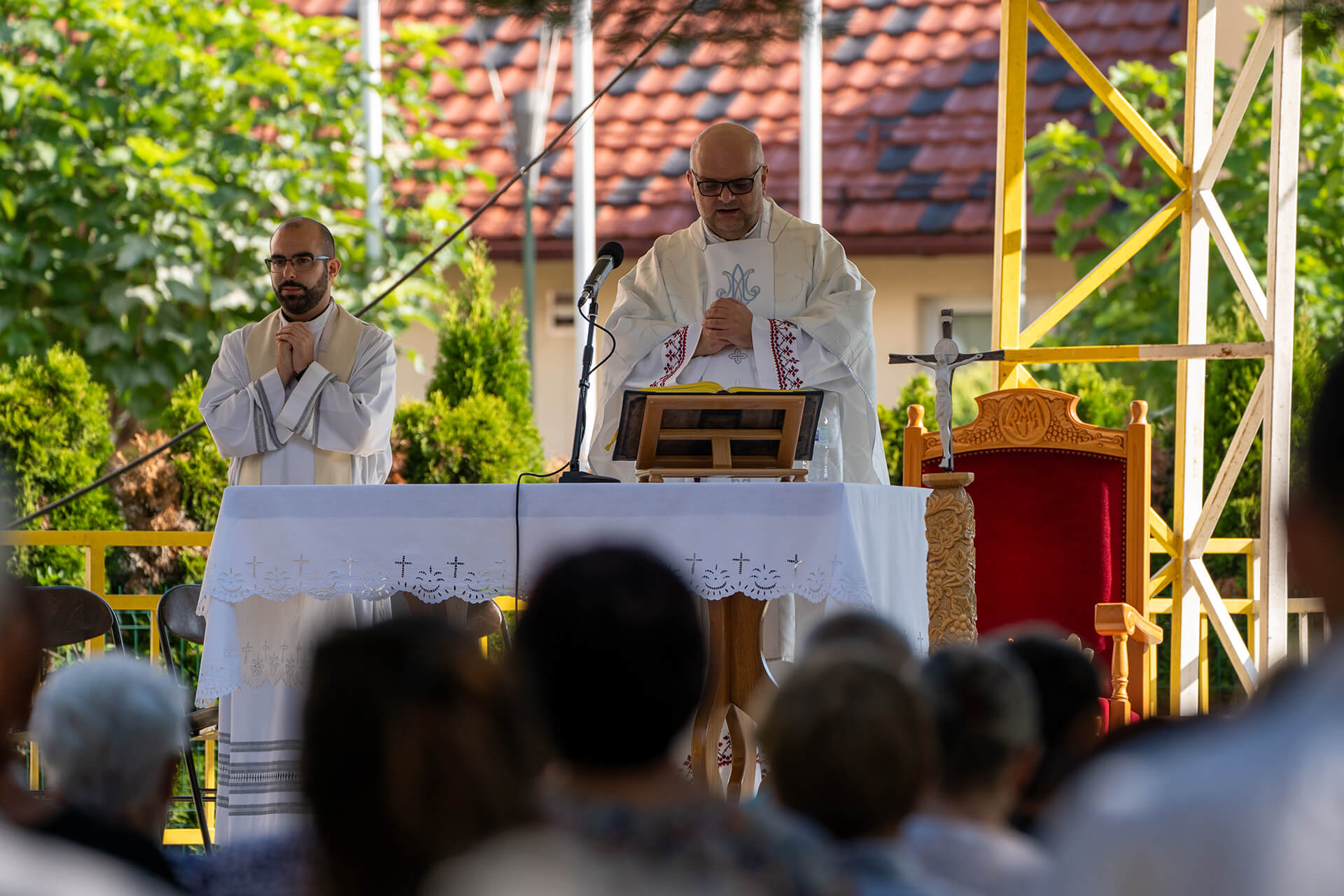
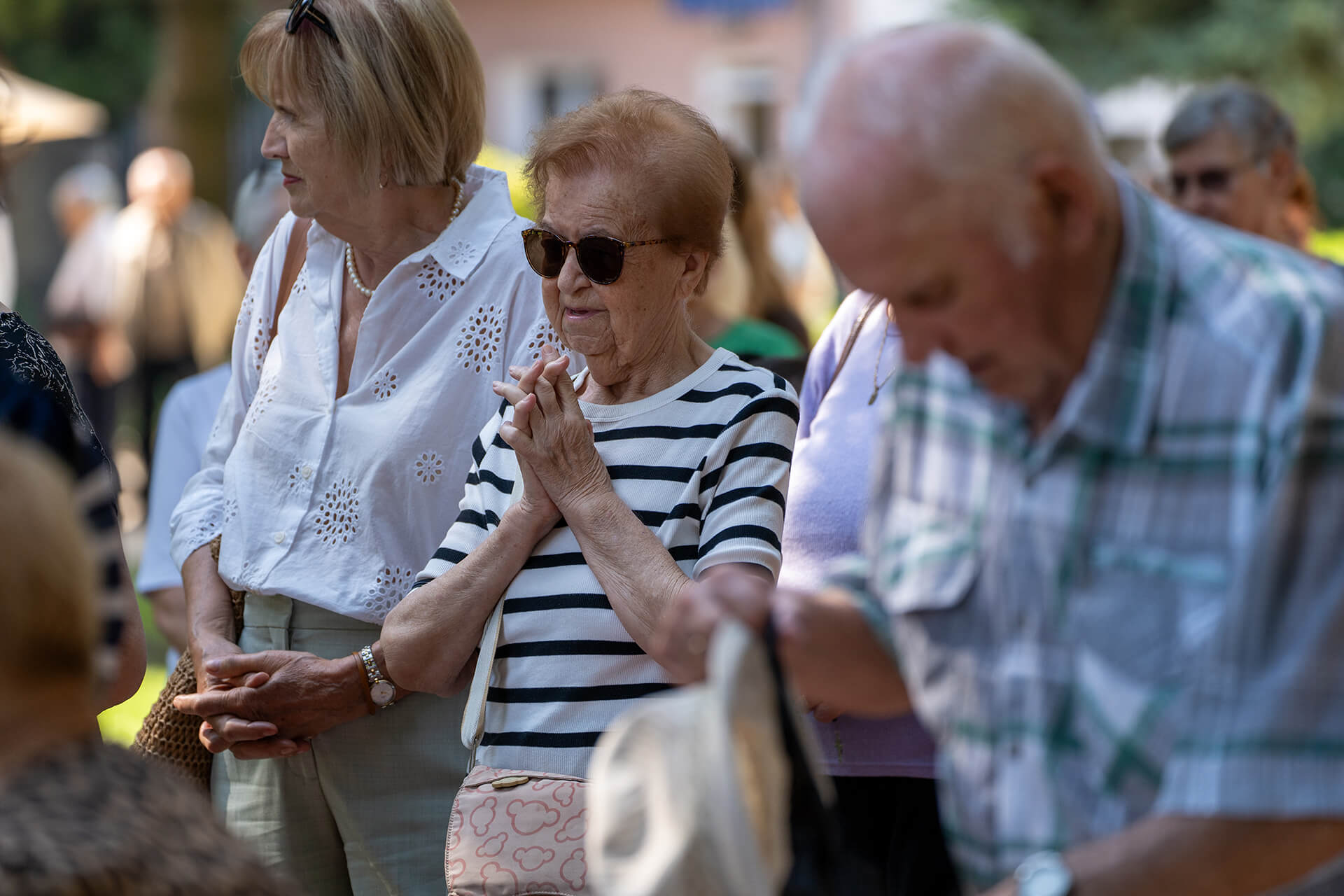
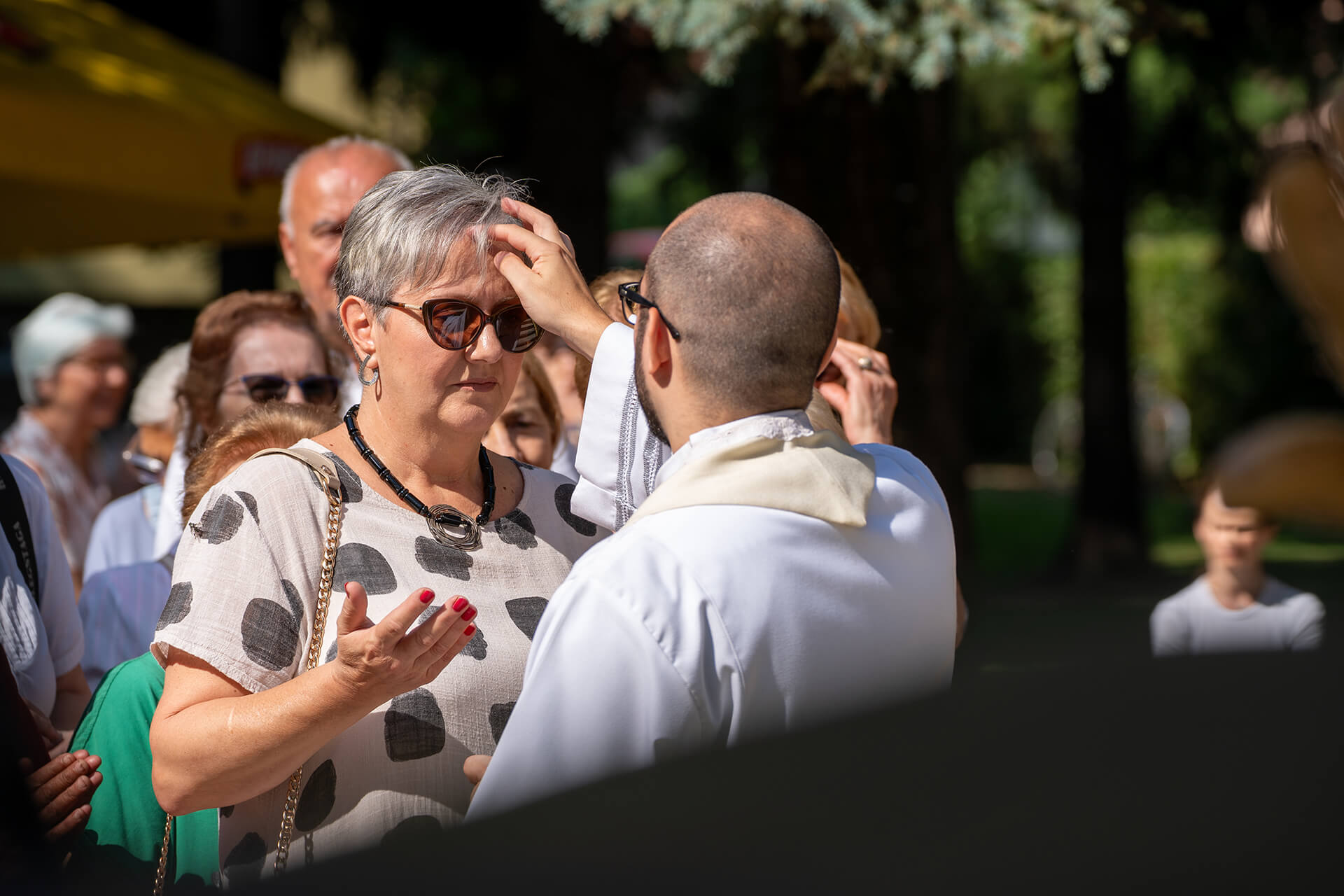
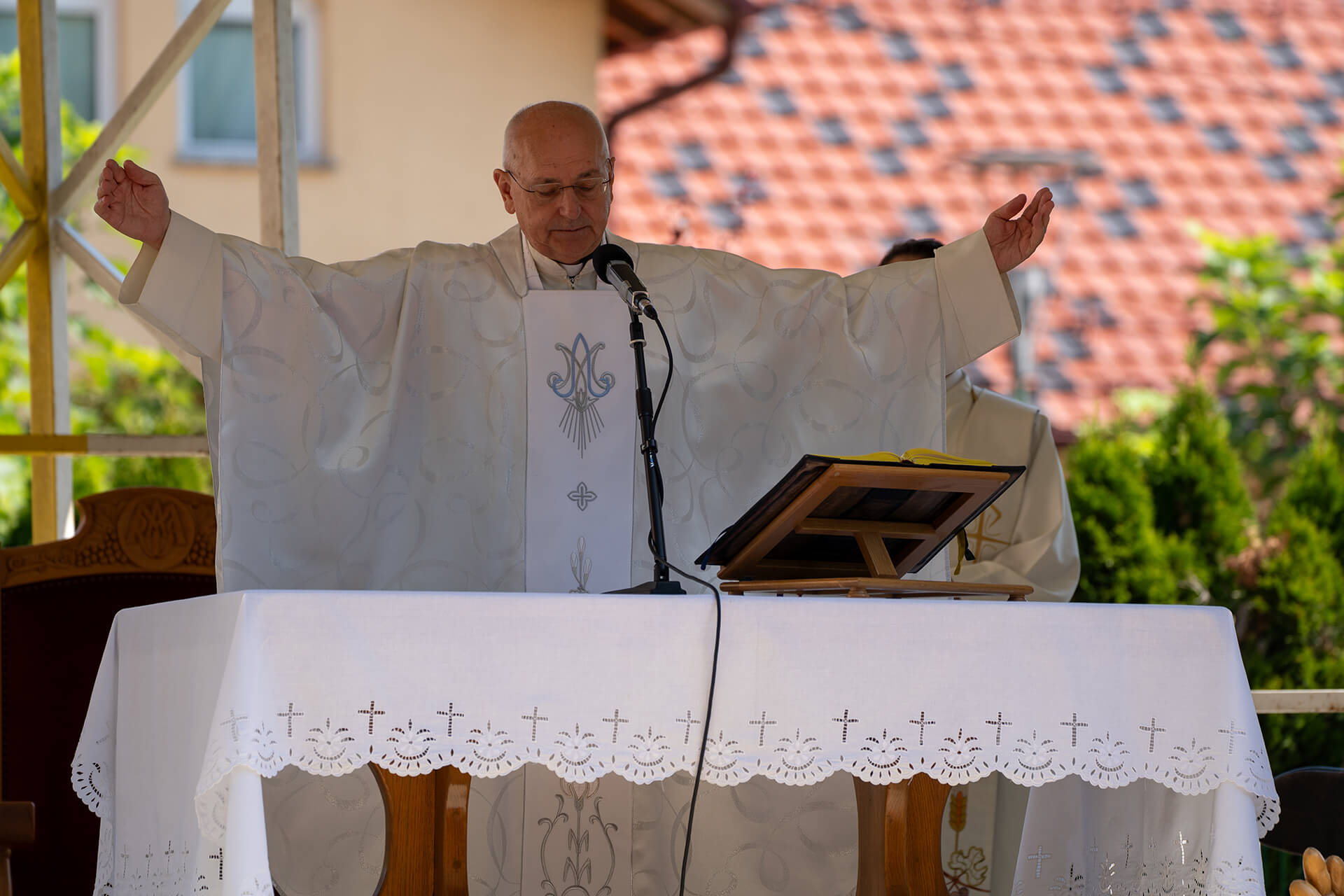
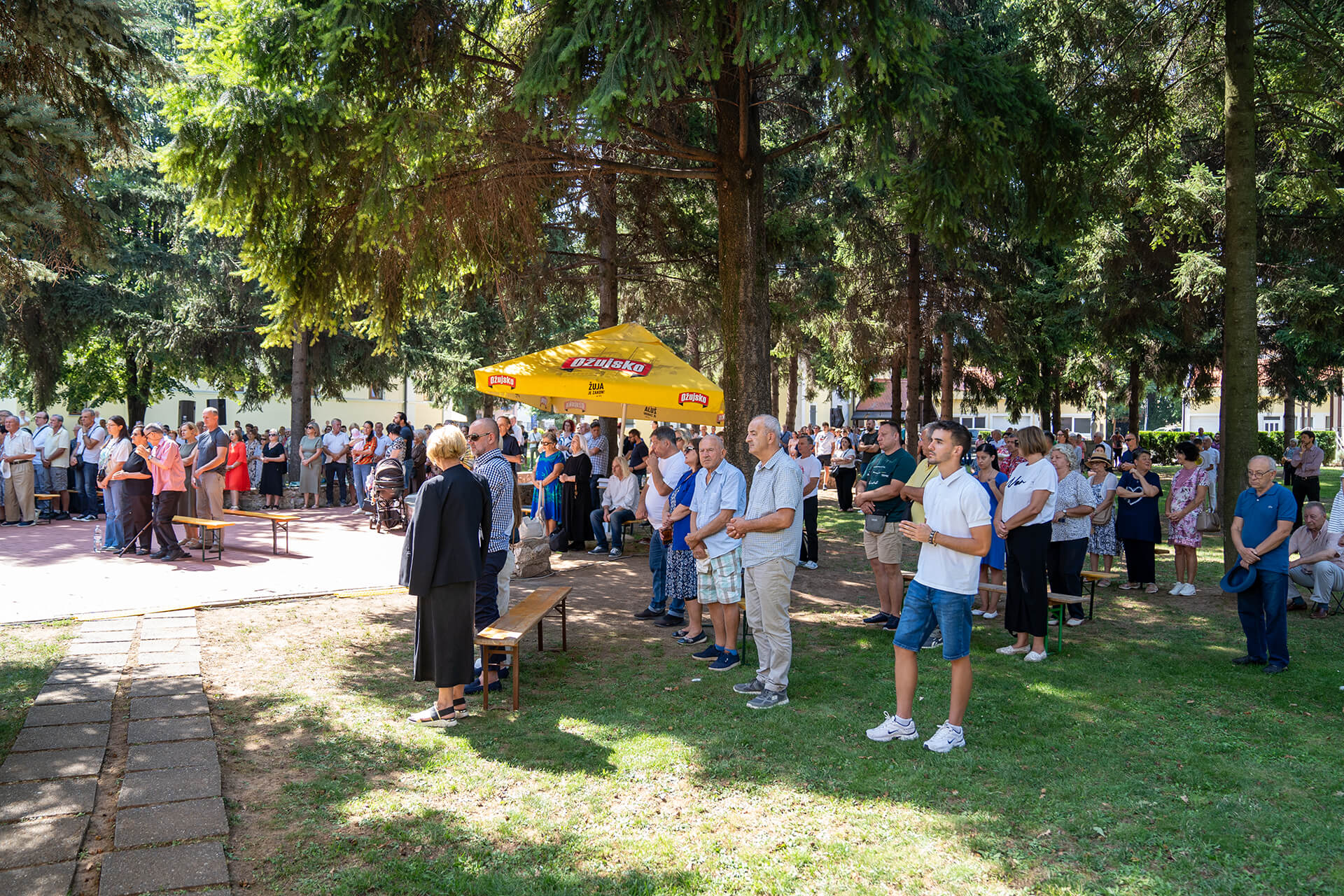
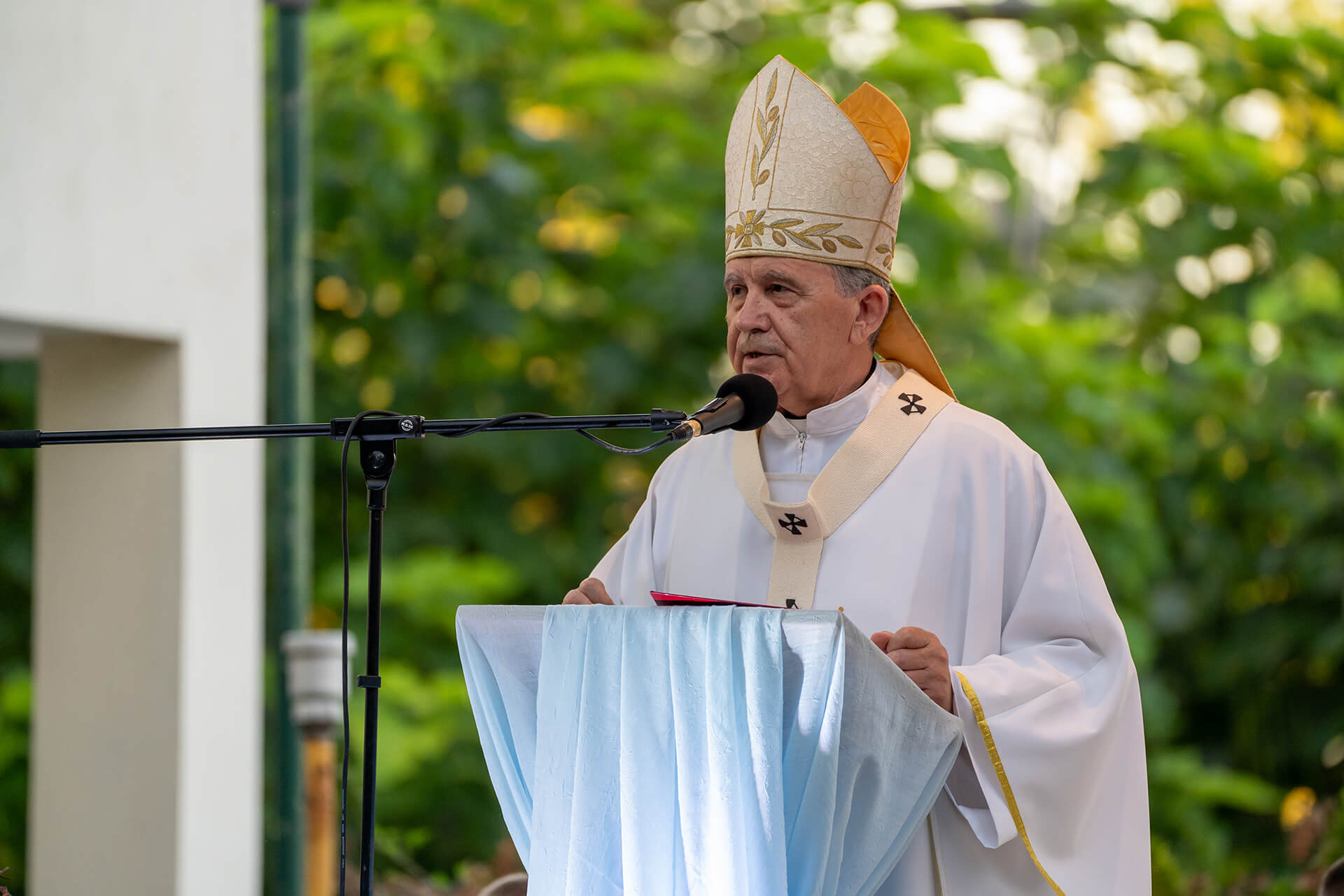
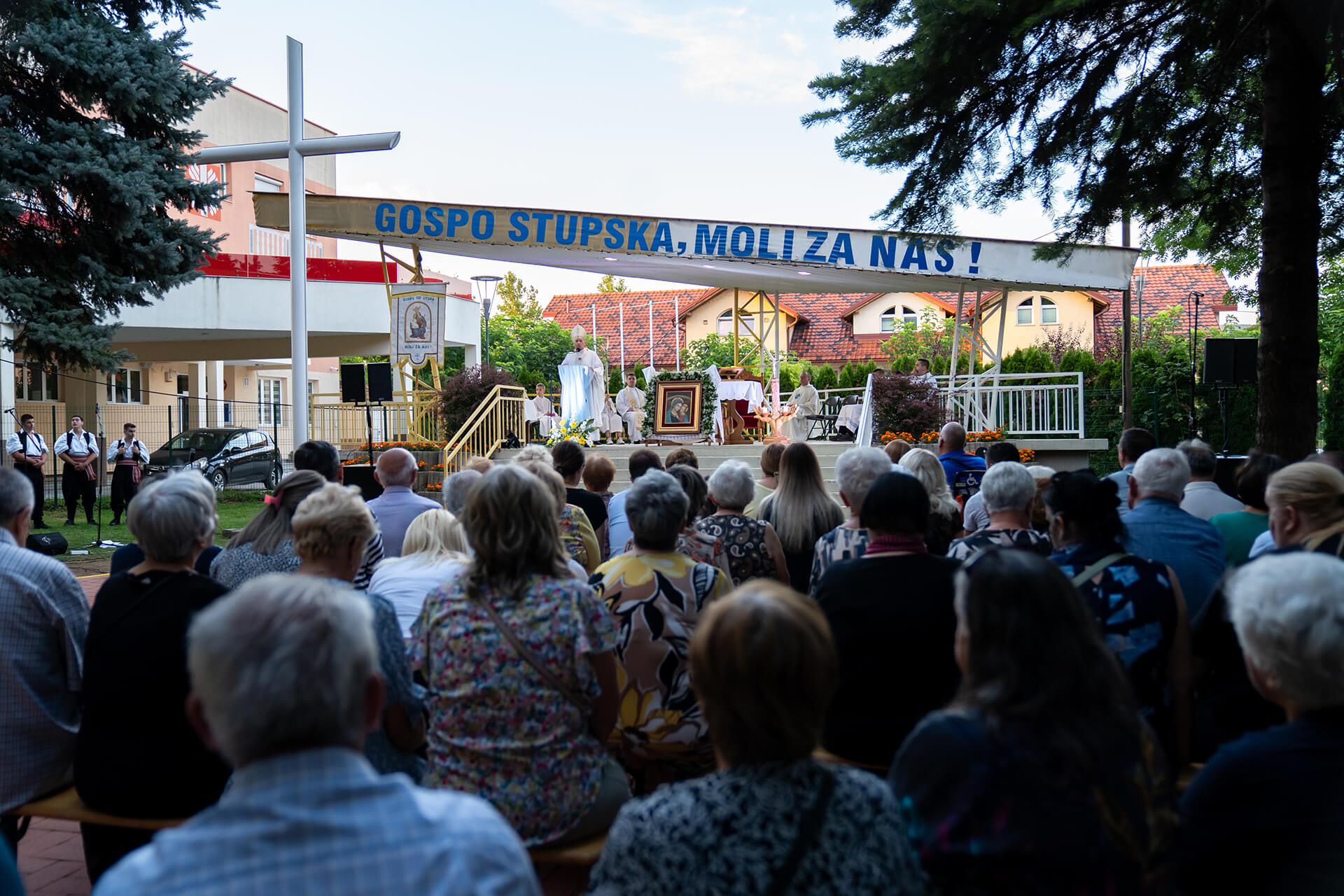
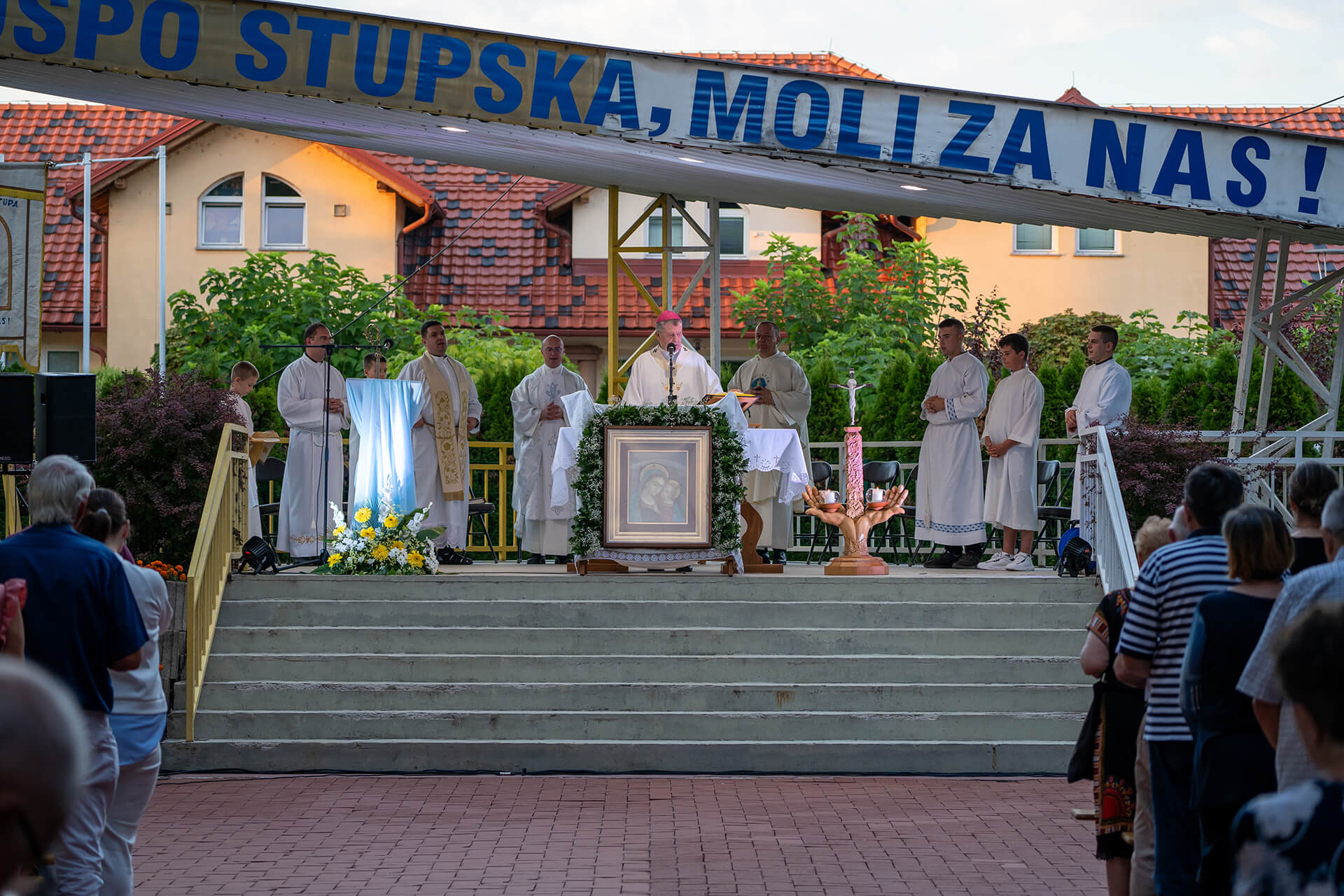
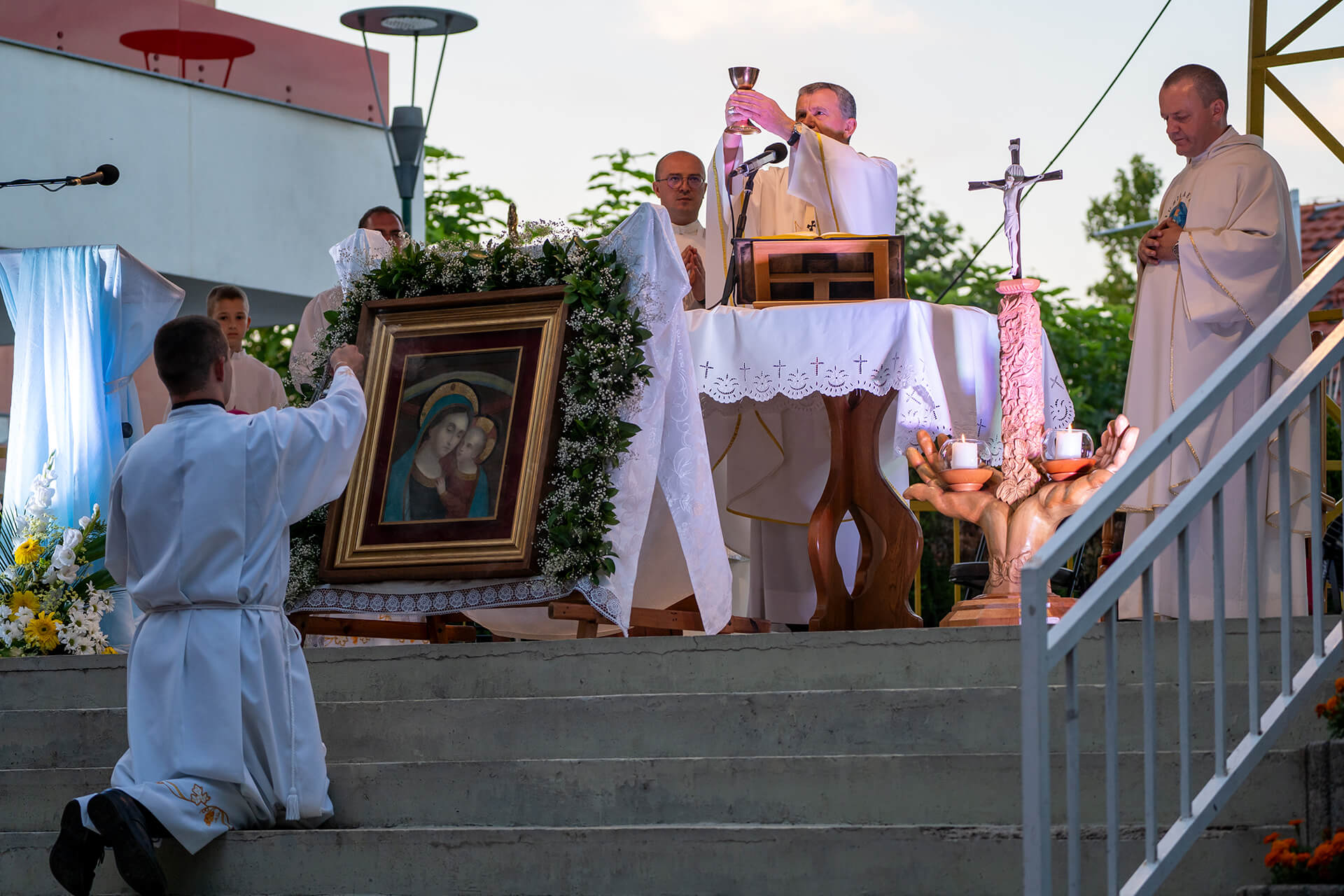
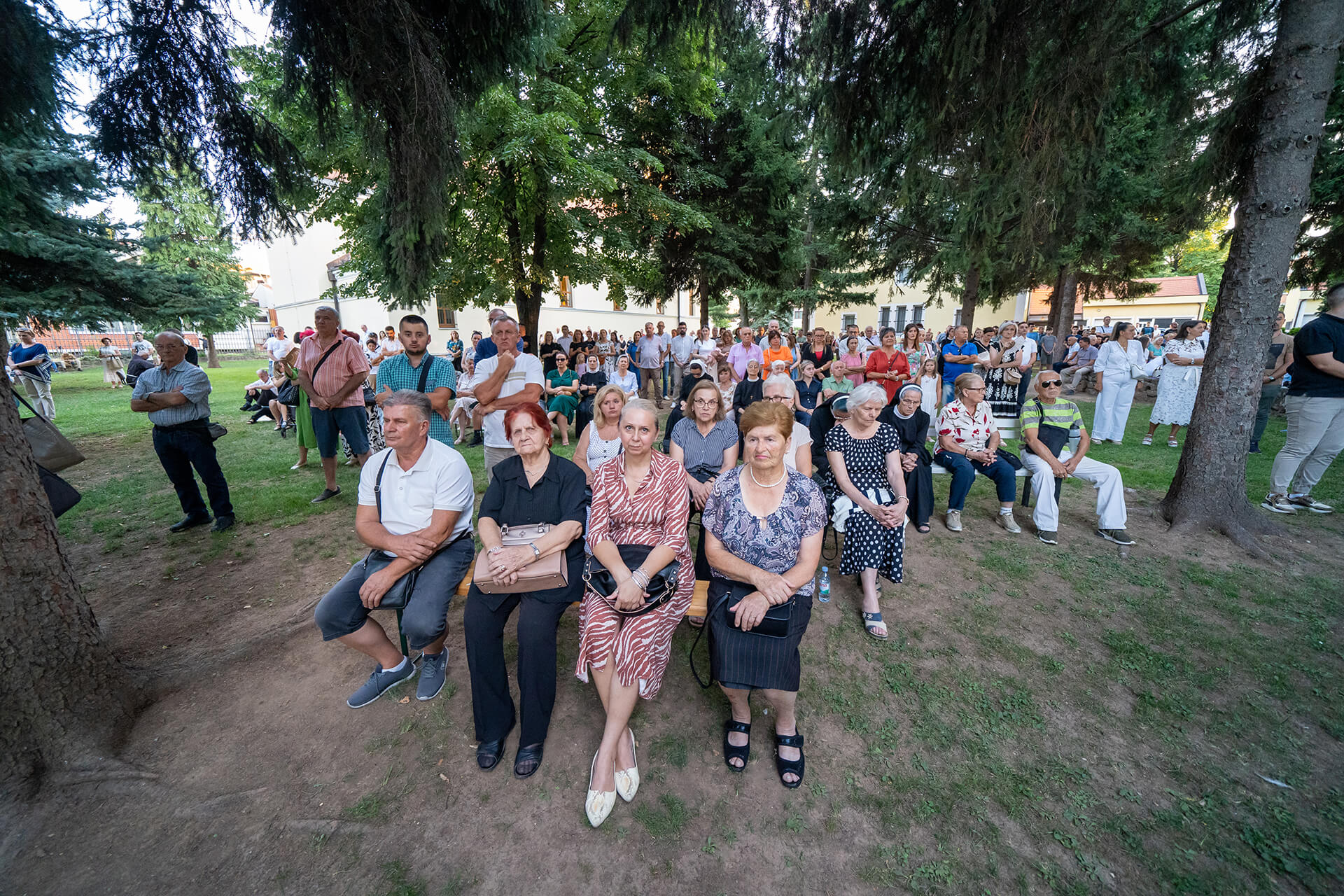
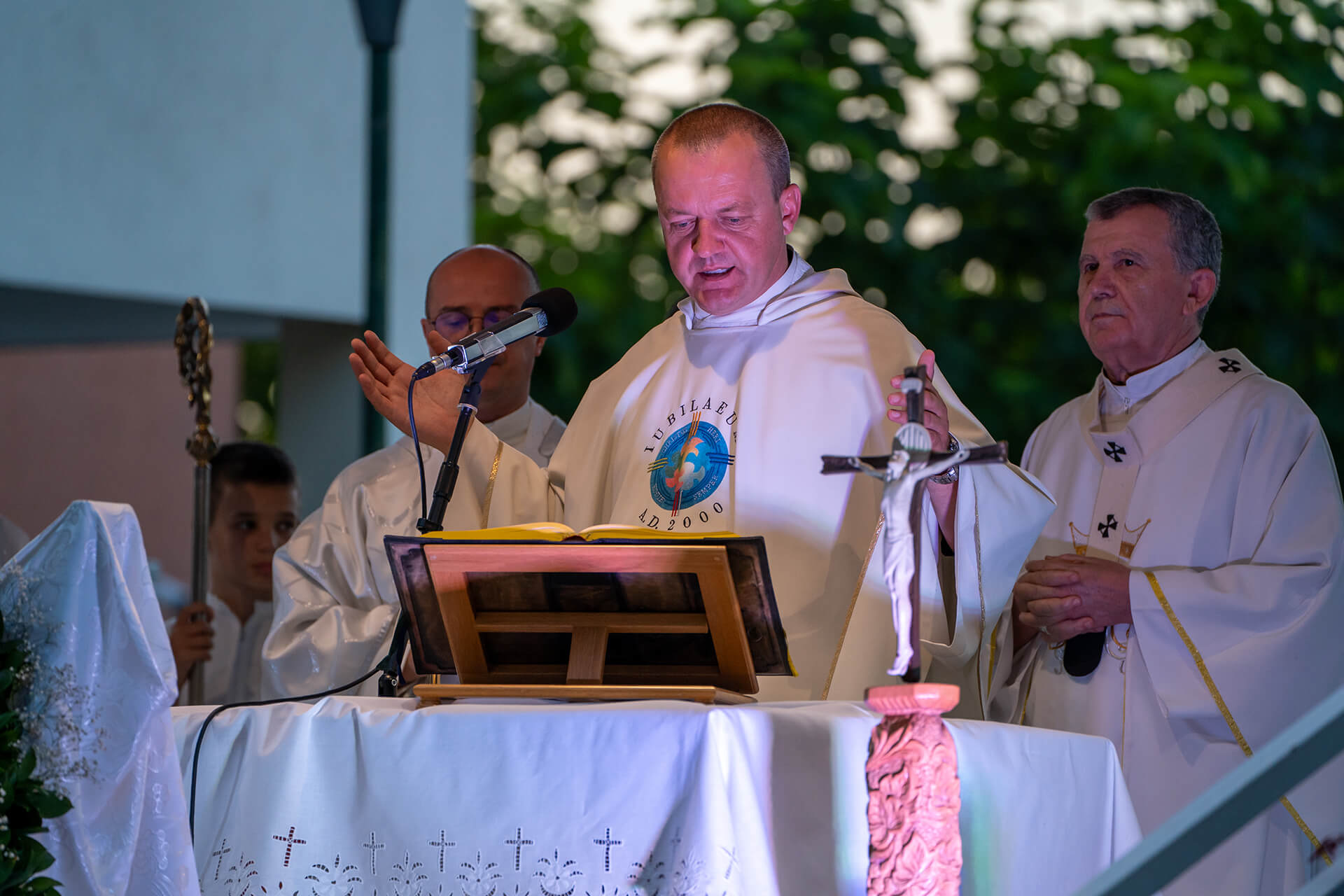
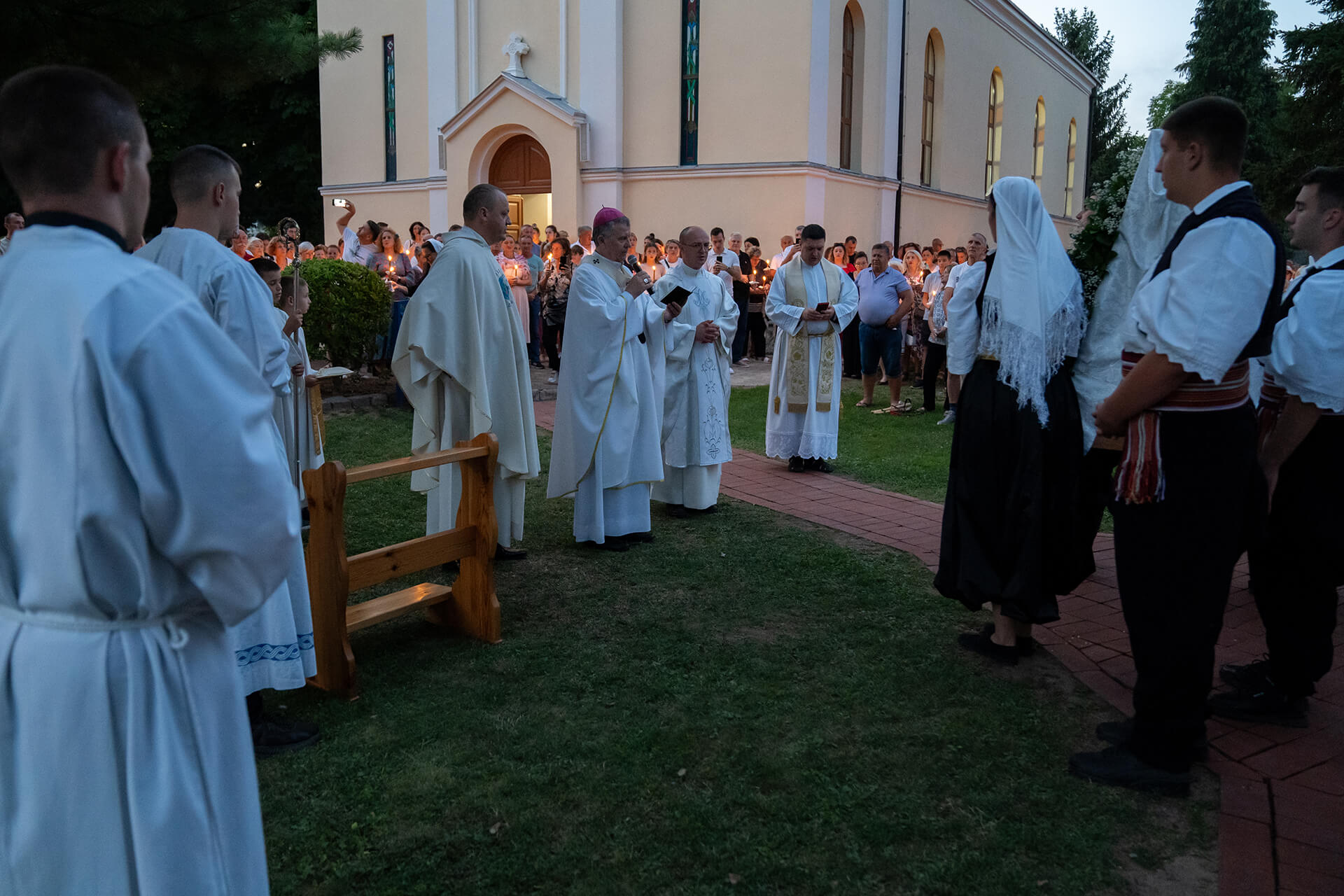
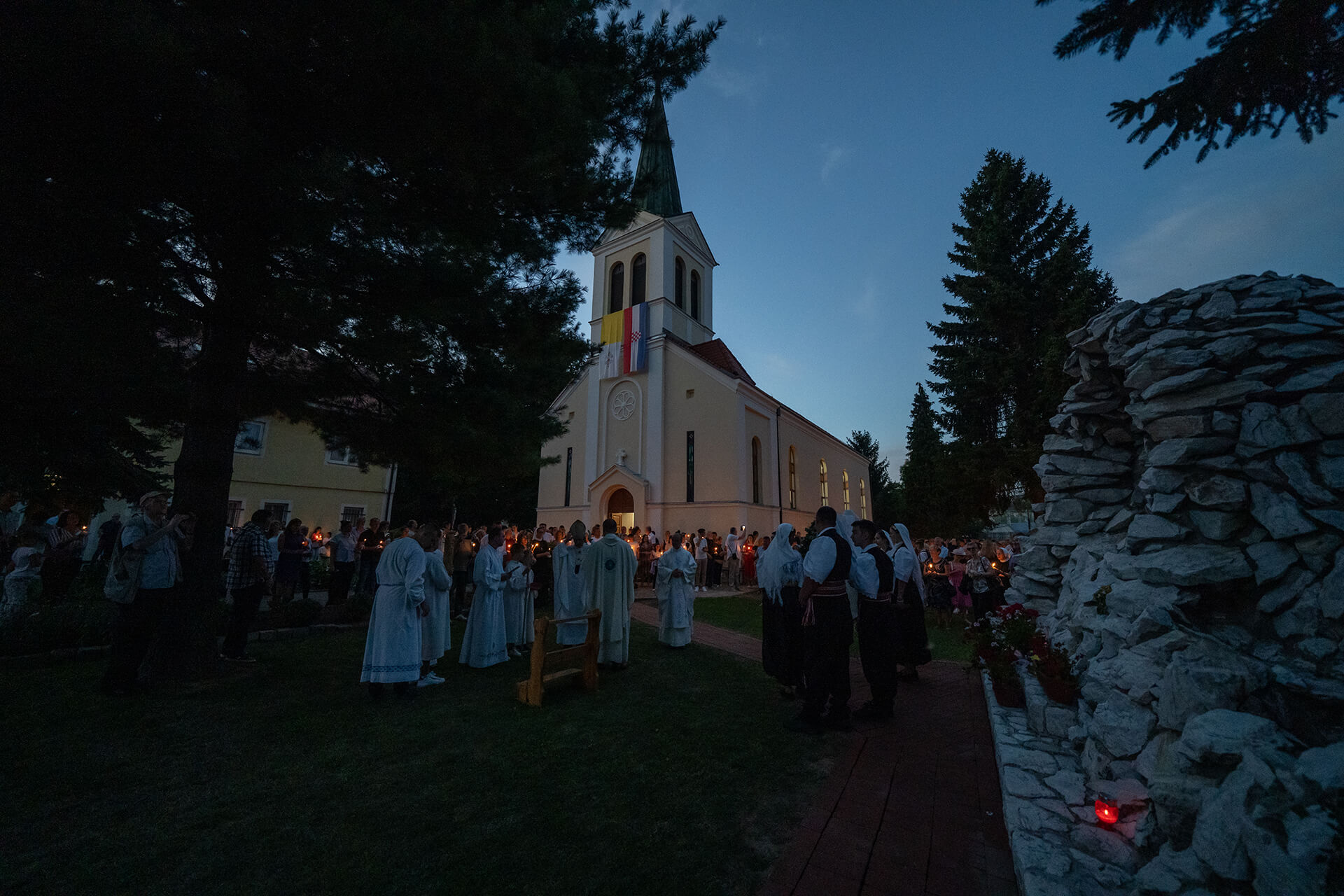
The Eucharistic celebration on Friday, August 15th, in the evening hours on the feast of the Assumption of the Blessed Virgin Mary in the Sarajevo settlement of Stup – the parish and shrine of the same name, was led over by Archbishop of Vrhbosna Msgr. Tomo Vukšić.

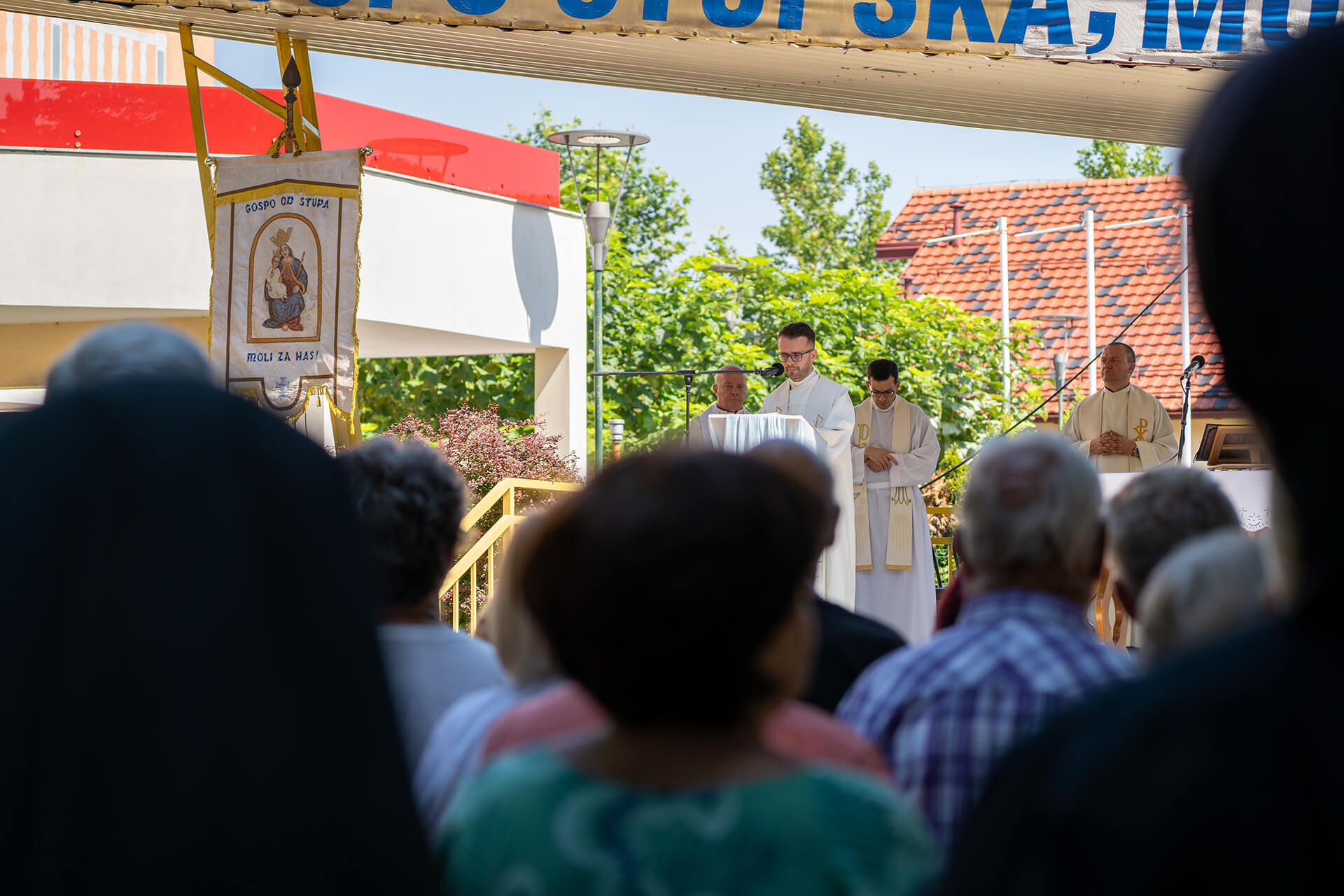
Several priests concelebrated with him, including the host, the parish priest of Stup, the custodian of the shrine and the dean of Sarajevo, Rev. Miroslav Ćavar, as well as the rector of the Vrhbosna Theological Seminary, Rev. Ivan Rako.
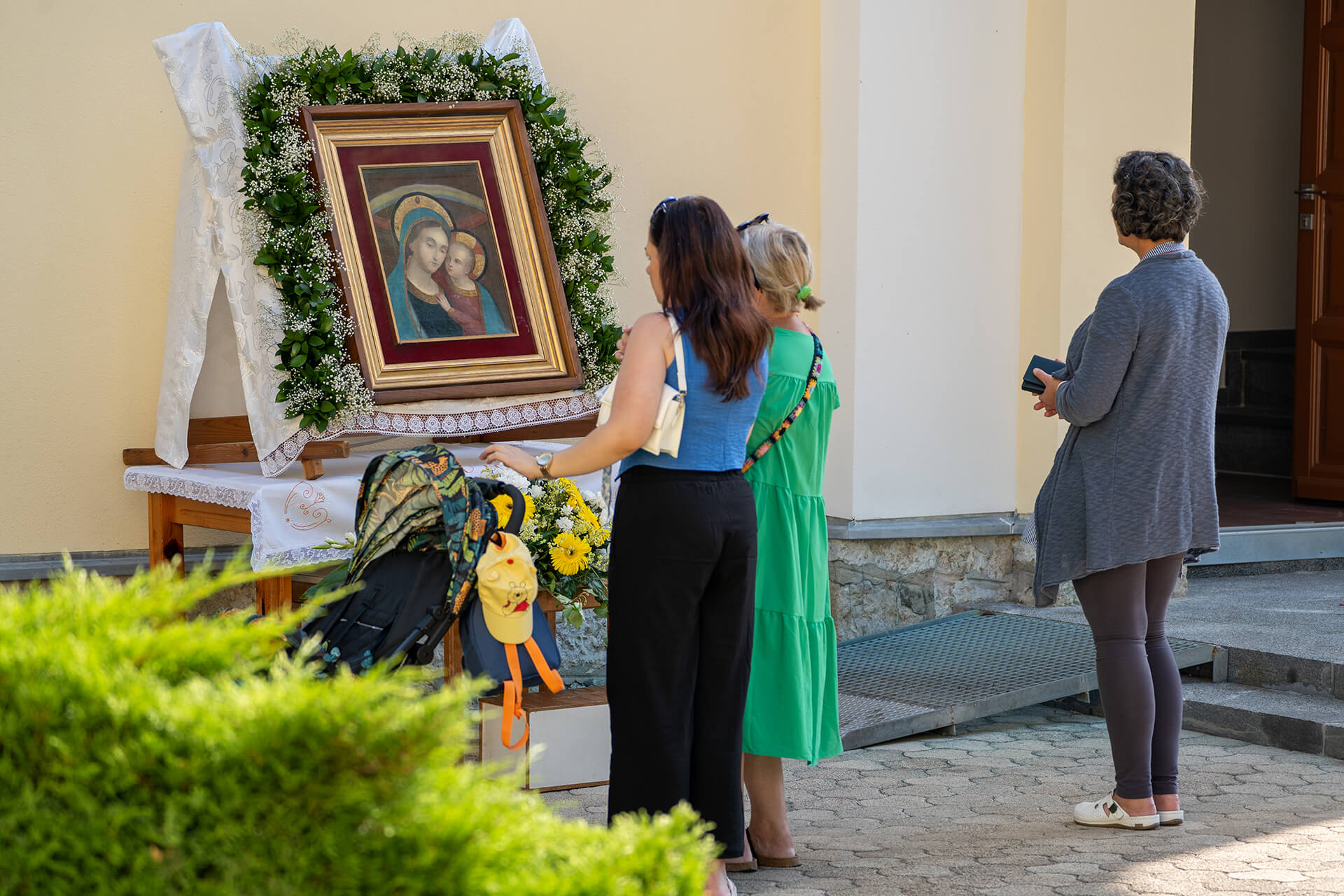
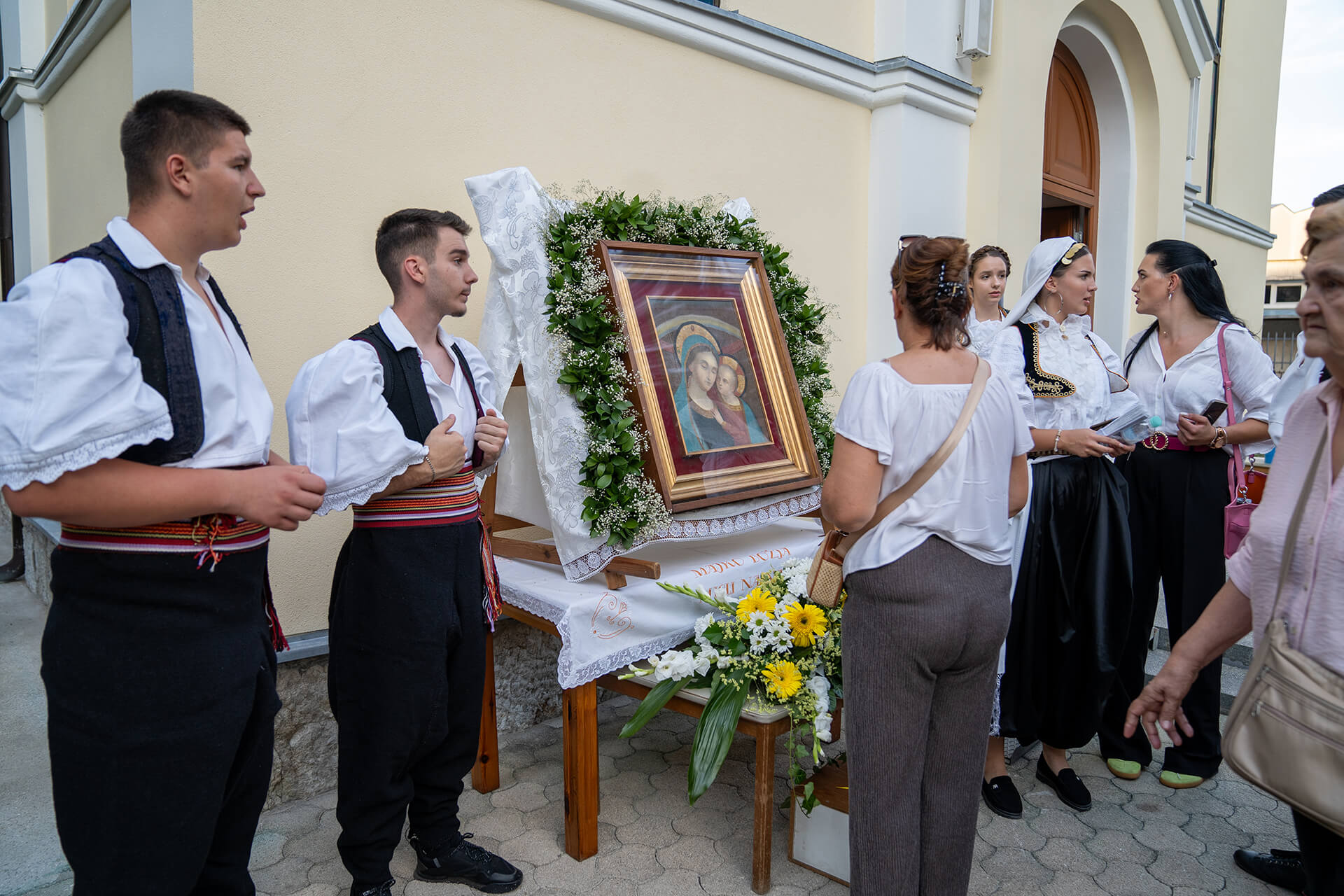
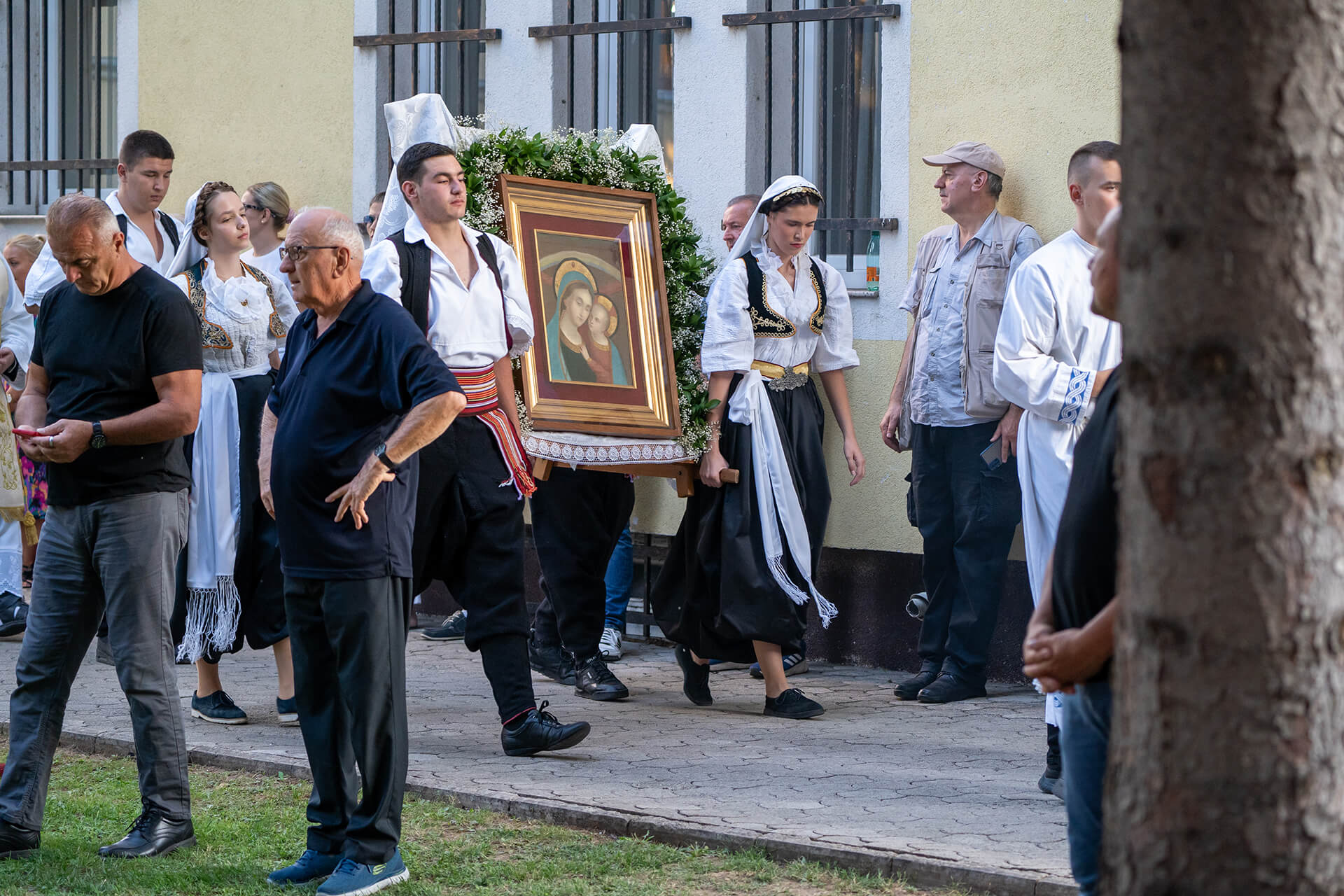
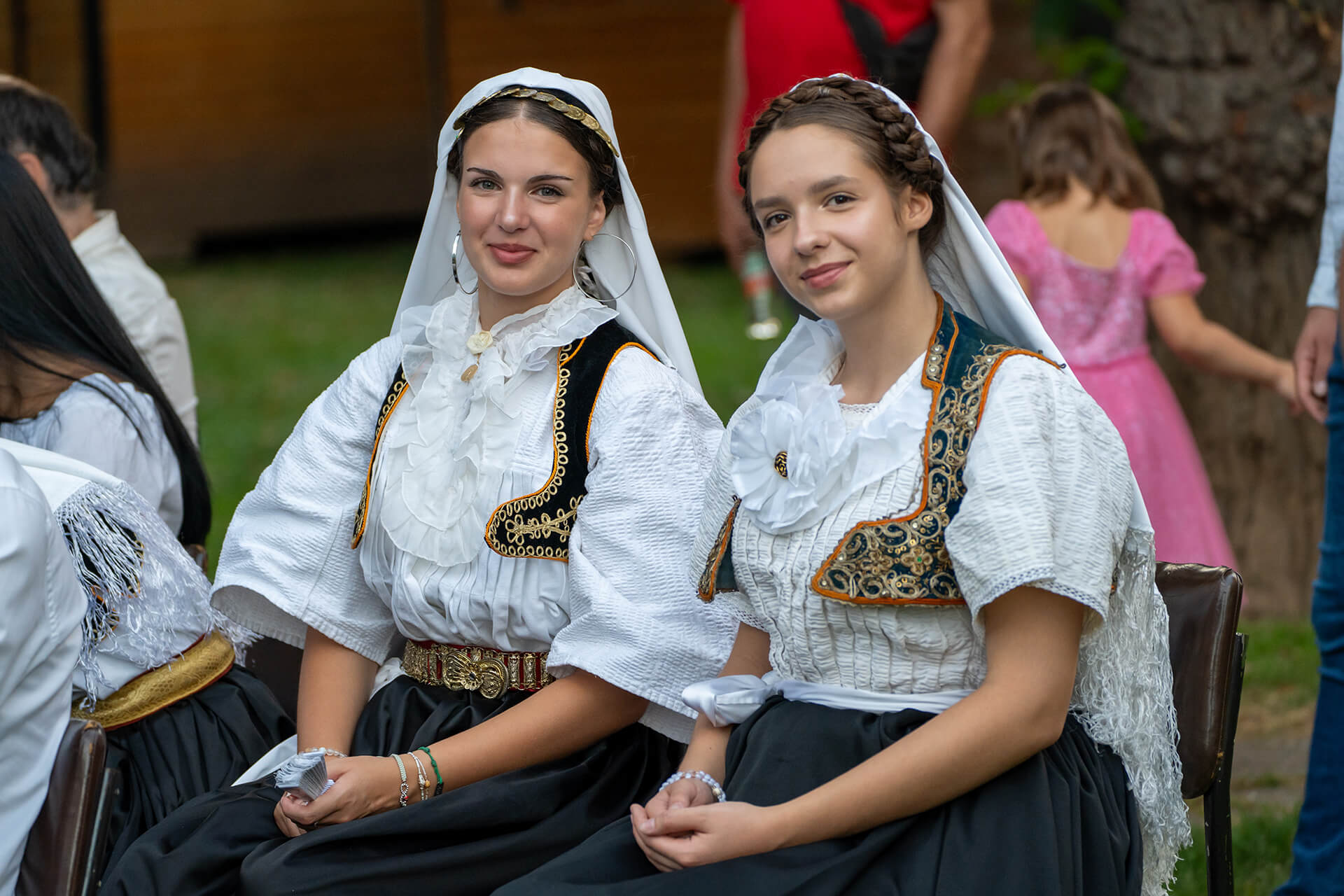
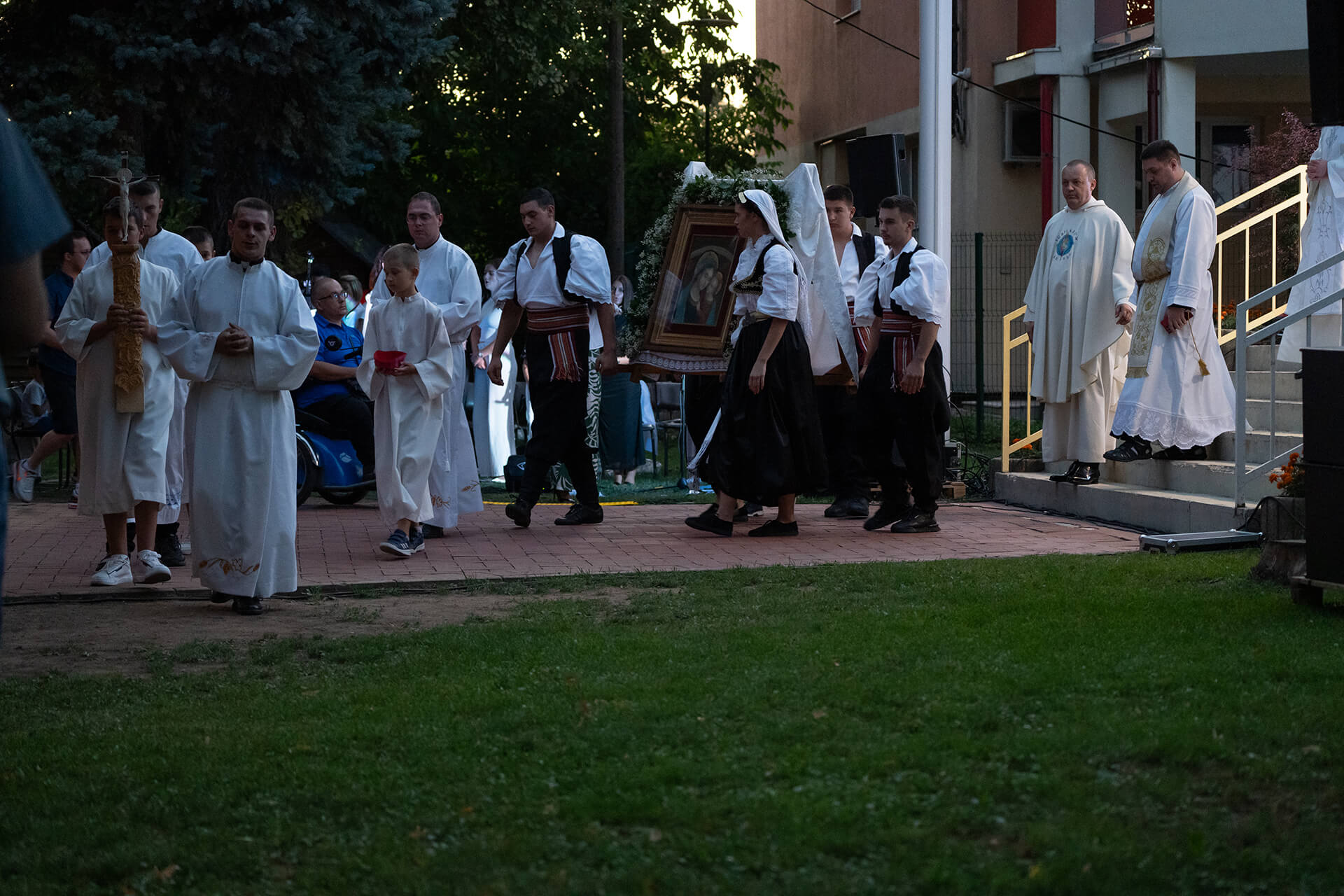
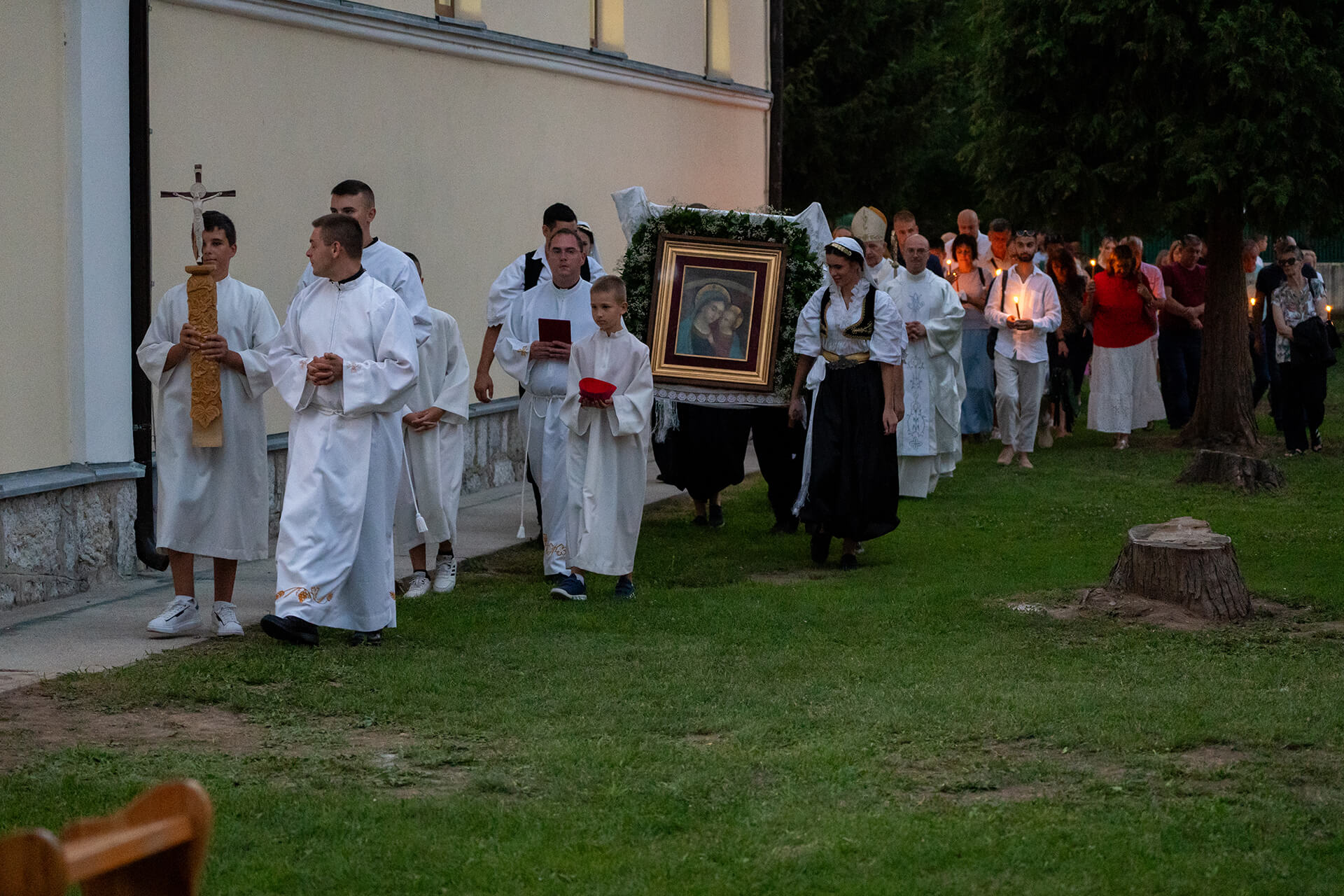
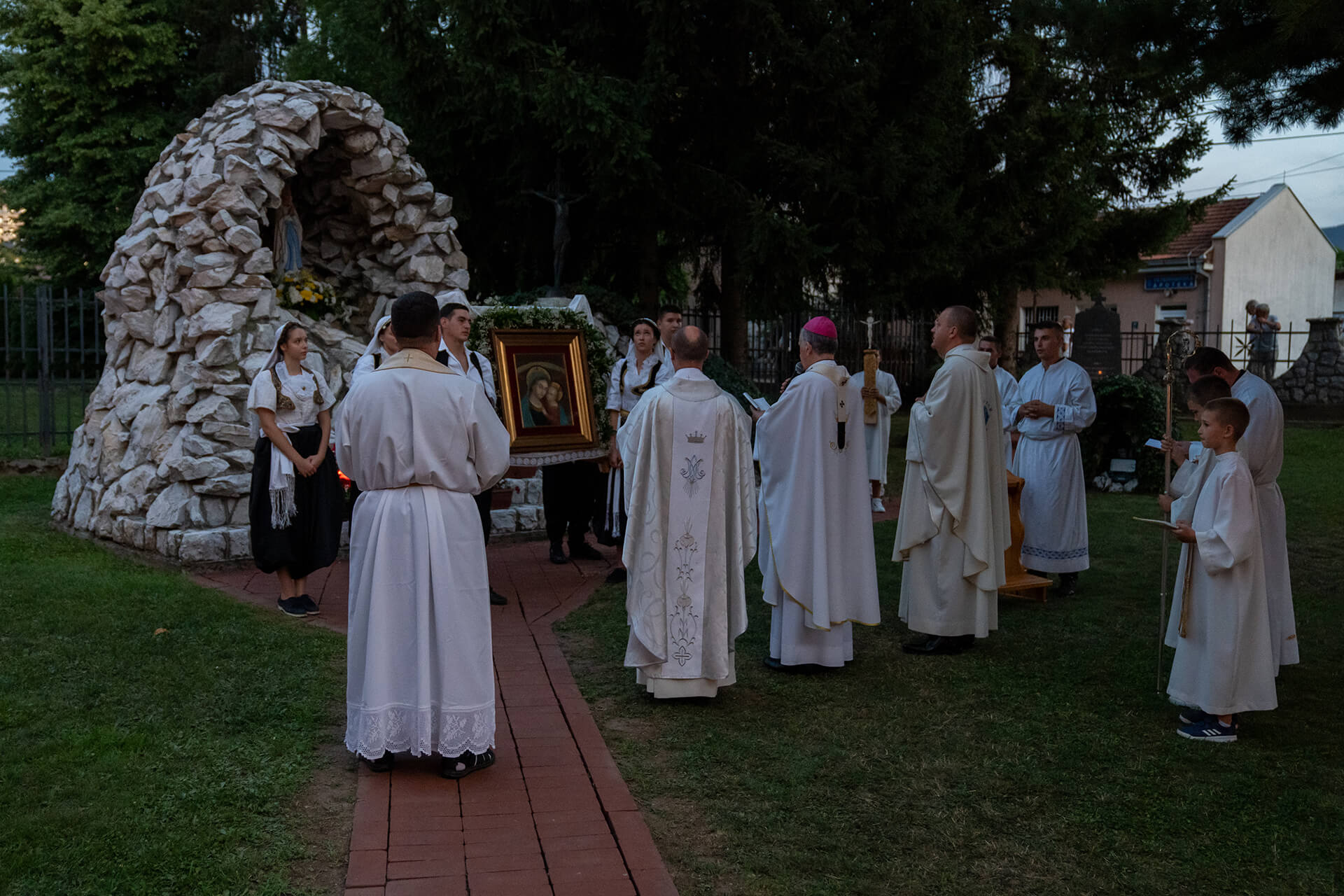
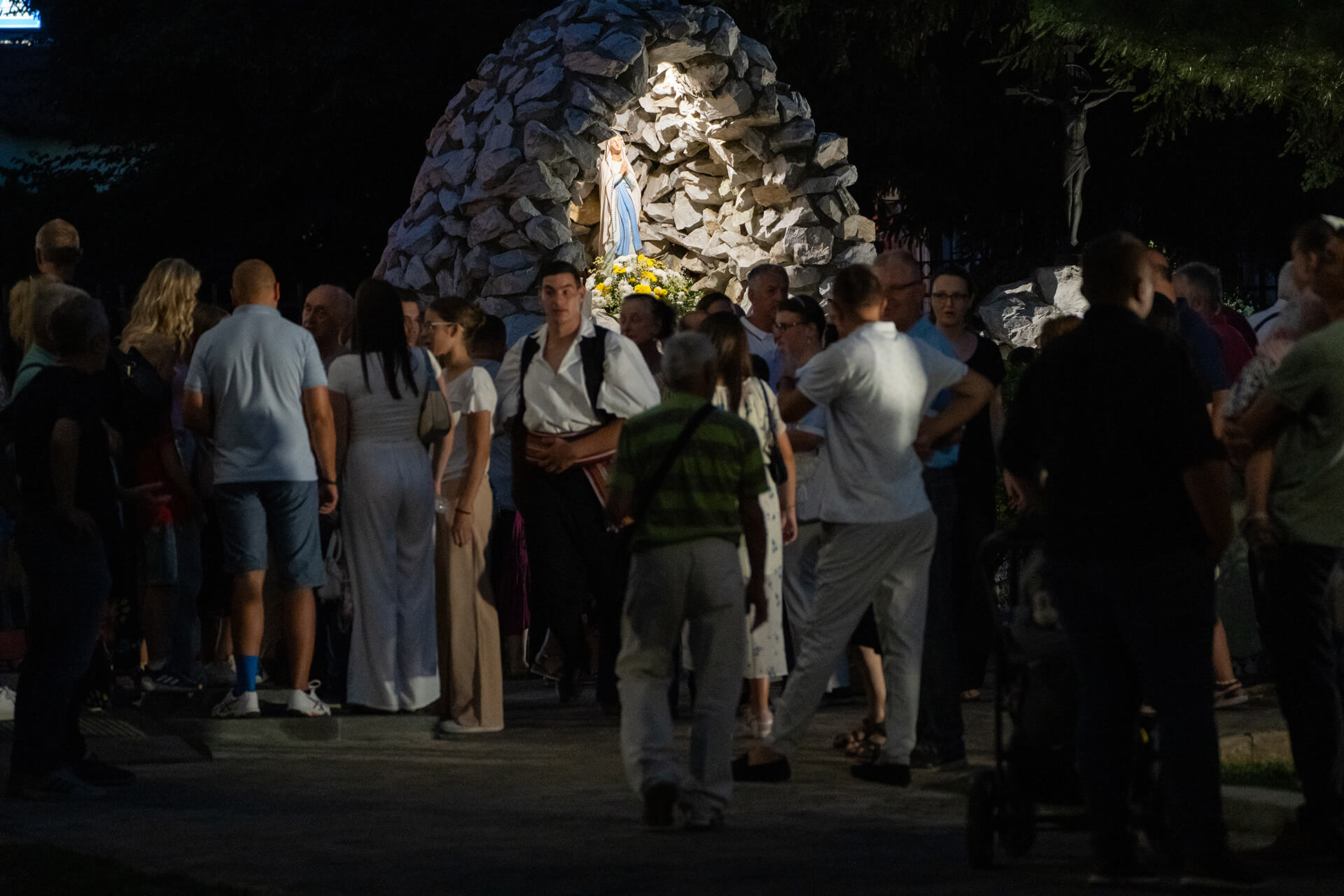
The Holy Mass celebration, traditionally, began with an introductory procession with a votive image of Our Lady, which was carried from the church to the outer altar by young people in folk attire.
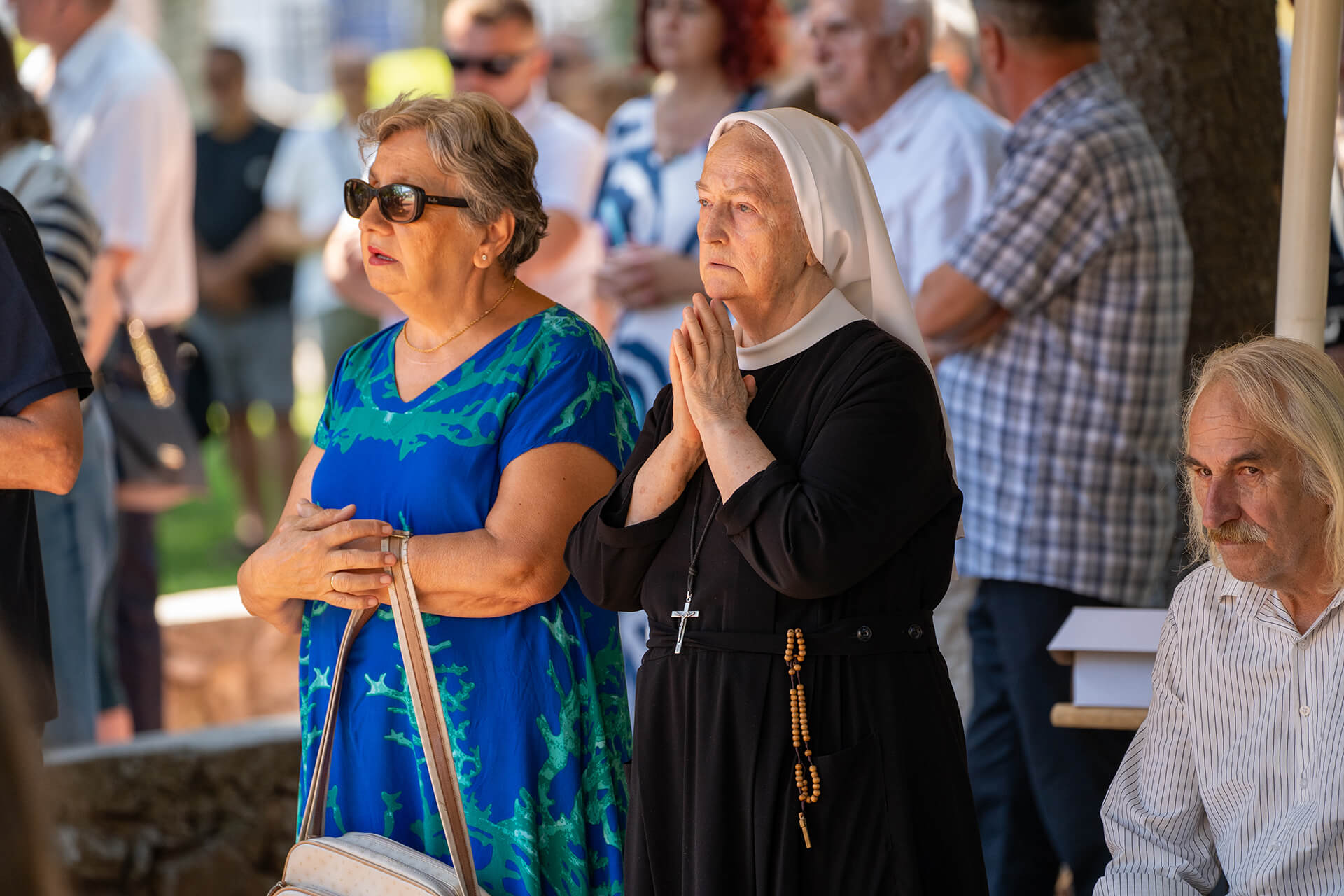
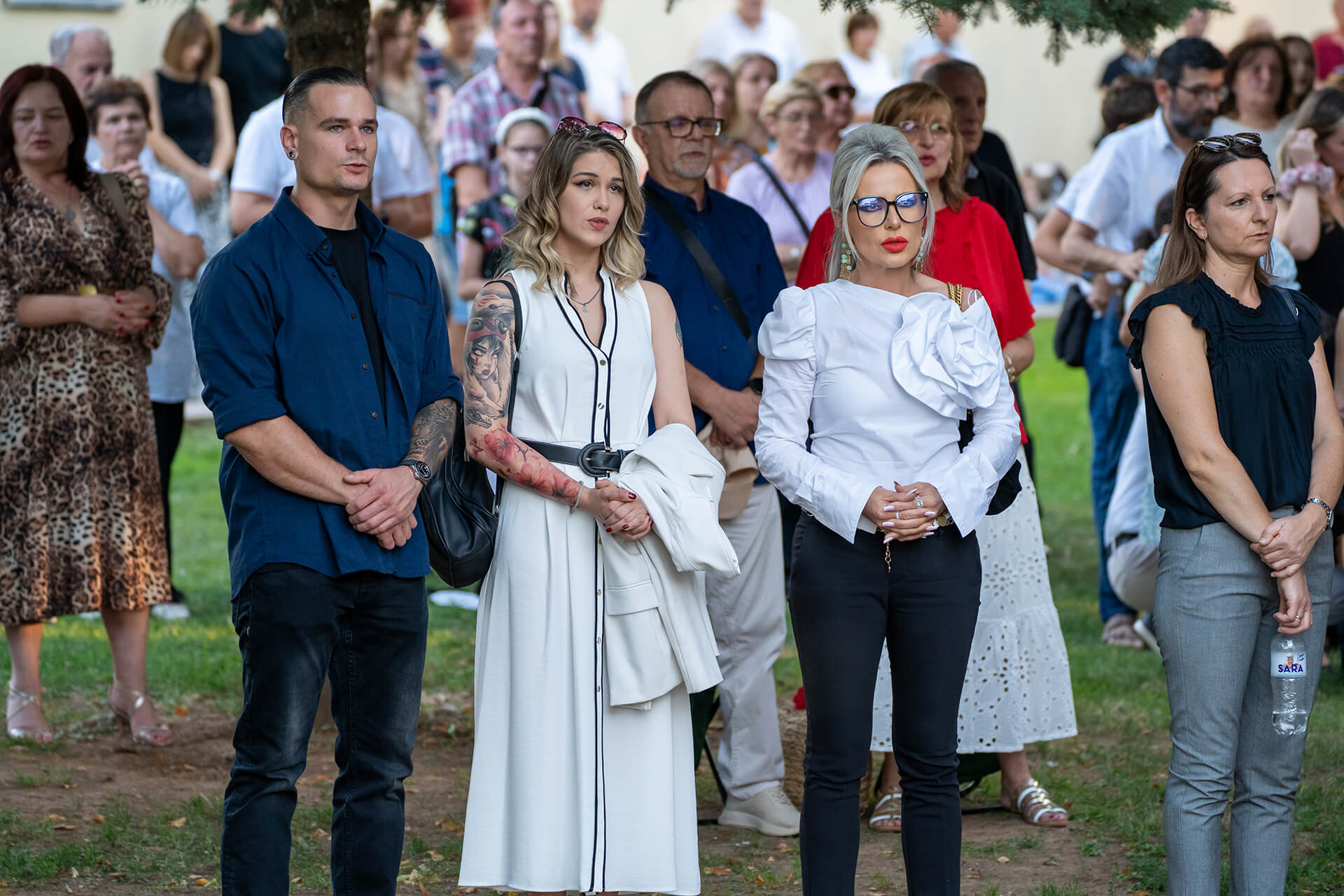
Archbishop Tomo then greeted the faithful and pilgrims present, wishing that Our Lady would recommend all the intercessions, invocations and prayers that the faithful had brought to her Son. "Through her intercession, we ask God's mercy to forgive us all our weaknesses so that we may celebrate the Eucharist in a worthy manner", said Msgr. Vukšić, introducing the Holy Mass celebration.
At the beginning of the sermon, the archbishop made it clear that "we celebrate this holiday in the year 2025 since the birth of Jesus". Following this, he pointed out that every 25th year in the Catholic Church is a jubilee and further underlined that Christ is not only "our saviour, but through his resurrection he opened the gates of heaven to everyone".
"Precisely because he opened the gates of heaven with his resurrection, Christ the Lord is in the Holy Scripture, in addition to his name and his role as our saviour, symbolically called 'the gate', that is, 'the gates of heaven', the gate through which one passes from this form of life to eternal life precisely through his resurrection. This is the reason why at the beginning of each of these jubilee years the Holy Father opens the holy gates, not because those two pieces of wood or some metal that are the physical gates were holy themselves, but because Jesus is symbolically called 'the gate'", said Msgr. Vukšić, who then interpreted that Christ was also called the "first of those who have fallen asleep", not by his falling asleep, but by his resurrection.

"What we ordinary people call death, the Holy Scriptures prefer to call it sleep. Death in many languages, including ours, usually indicates the end, the end of something, so in addition to the biological, life sense, the term death is also used to refer to many other things when one wants to indicate that the end of something has occurred (...) The term sleep carries with it, first of all, an indication of the temporary nature of what has happened, the temporary nature of sleep, namely, just as we all fall asleep every evening or at the moment when we are getting ready to go to rest, and we will do the same tonight, we will temporarily fall asleep in order to wake up again. Sleep in the Holy Scriptures is an image of the transition from this form of life to a new life", emphasized the Archbishop of Vrhbosna, making us aware that entering that darkness of the tunnel, into that temporary state of absence, is painful, and added, "but if we know that there is an exit on the other side to the sun and the continuation of life, then even that entry into the tunnel on our own journey that we call death becomes less painful, less traumatic, less a departure, and much more a temporary absence from the life of this form”.
He further explained how the new form of life that we accept as the truth of our own faith and only through our own faith can we interpret and to some extent understand. "We believe that Christ the Lord is risen, we believe that the Blessed Virgin Mary was taken up body and soul to heaven, we believe that after the resurrection of Christ and the Assumption of Our Lady, we who are on this path towards our own ascension will one day also be taken up into eternity. Into an eternity that, unlike the divine one, has only one difference. The difference is that divine eternity has no beginning. Our eternity will have its beginning just as Our Lady's eternity had its beginning, which occurred at the moment she was taken up to heaven", said the archbishop, adding that for this to happen, "it is necessary to follow the example of the Blessed Virgin Mary taken up to heaven, and that is to be obedient to God and His Word.
"She believed not only that there is a God and that God is, but that what was announced to her would be. It is much more demanding, dear brothers and sisters, to believe in God than to believe that God exists. Applied Christianity is much more demanding than learned. A little intelligence is enough for learned, for applied, in addition to intelligence, a lot of effort, a lot of will, even a lot of stumbling and a lot of getting up to really achieve it is necessary", he said, explaining that Our Lady is an excellent indicator of applied Christianity.

"Being a servant of the Lord means just that. To make God's rules the rules of my life. For God's law to be the law that is in the first place for me and ahead of all other possible laws", added Archbishop Tomo, explaining that the content of the feast of the Assumption of the Blessed Virgin Mary is a picture of our future: "The content of this feast is our future. And this is the feast of our future."
In the end, he encouraged those present to make this the message of tonight as well, and explained that everyone is called to listen to the word of God, to be servants of that Word "because only to such people are the doors of heaven opened where Christ the Lord awaits".
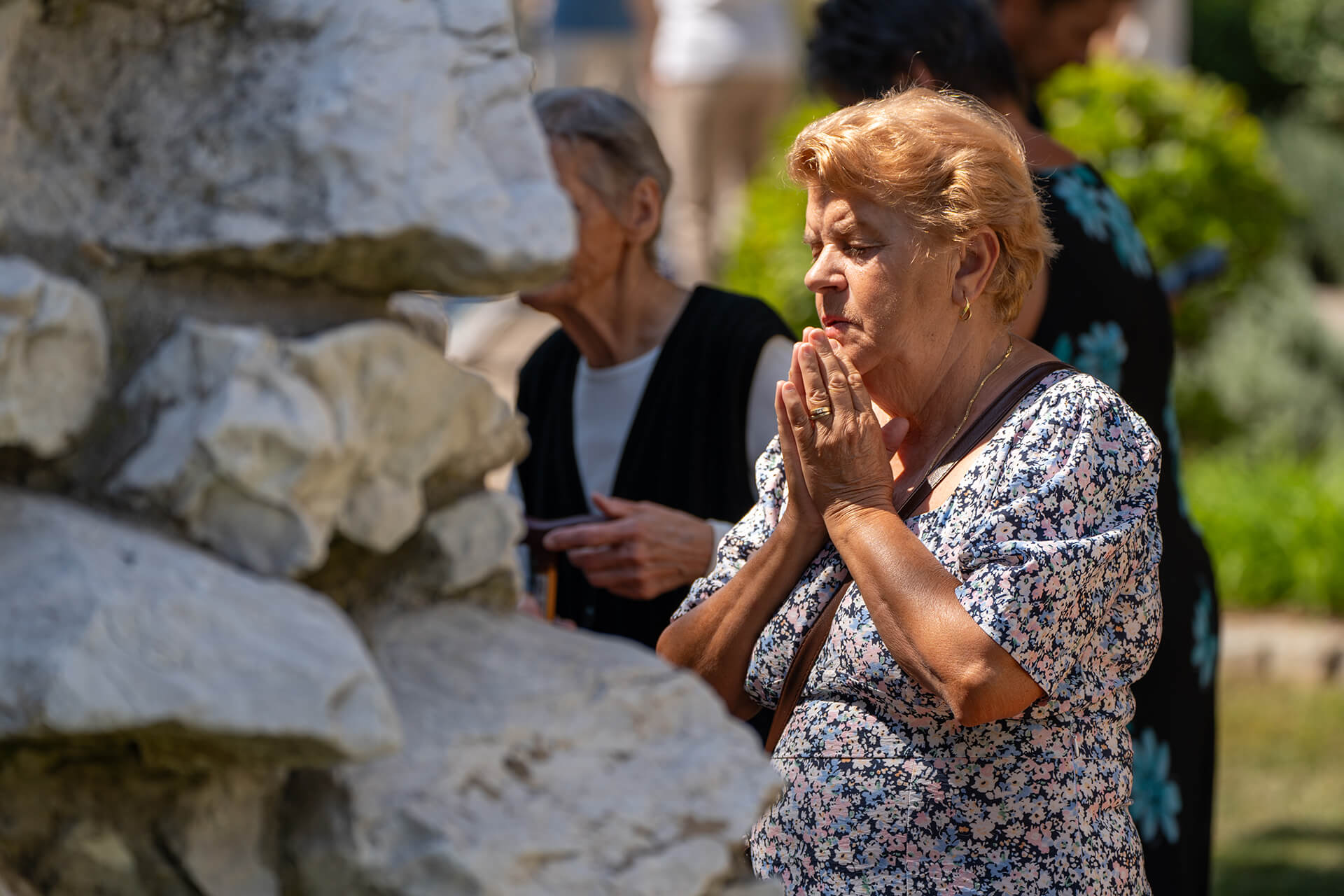
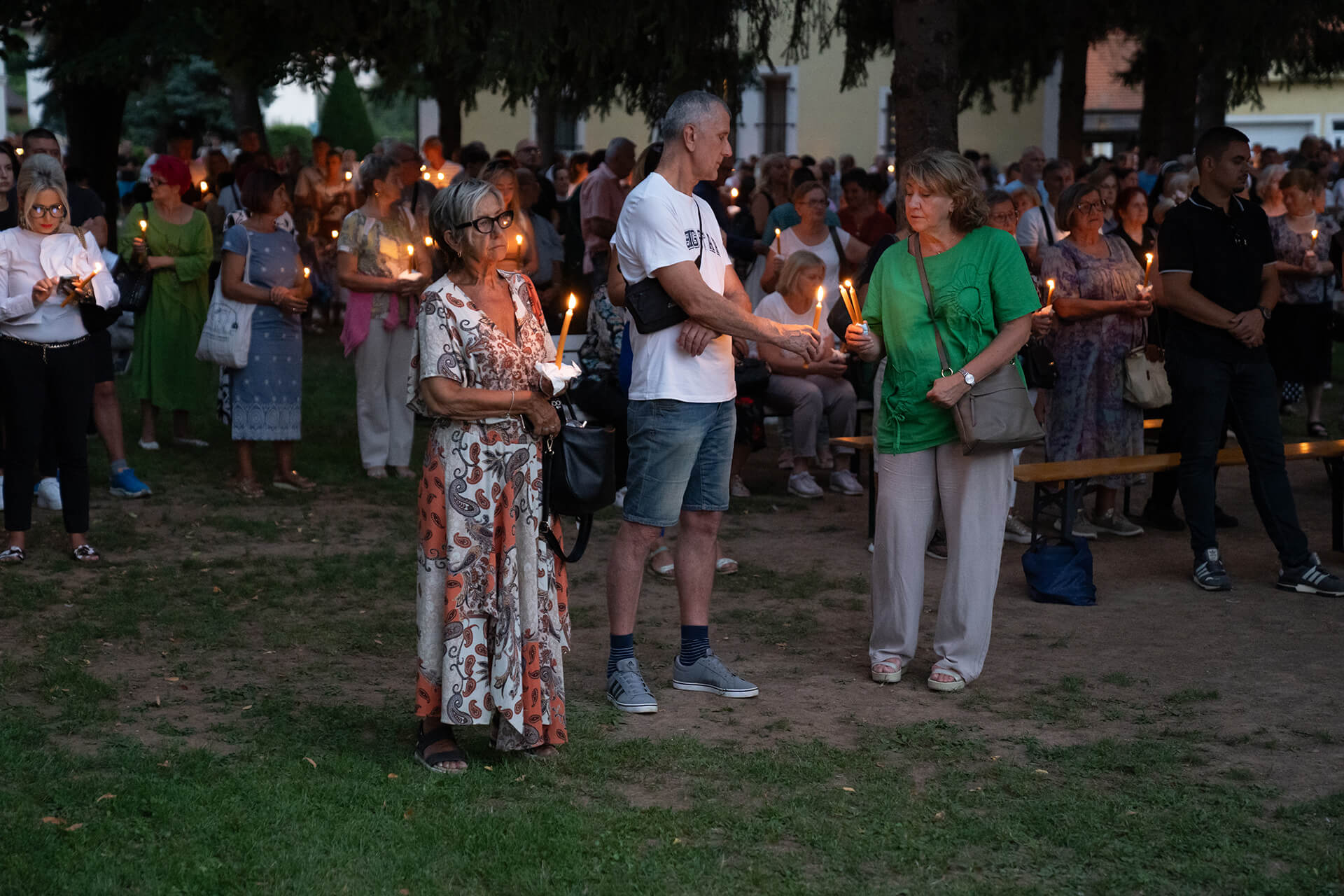
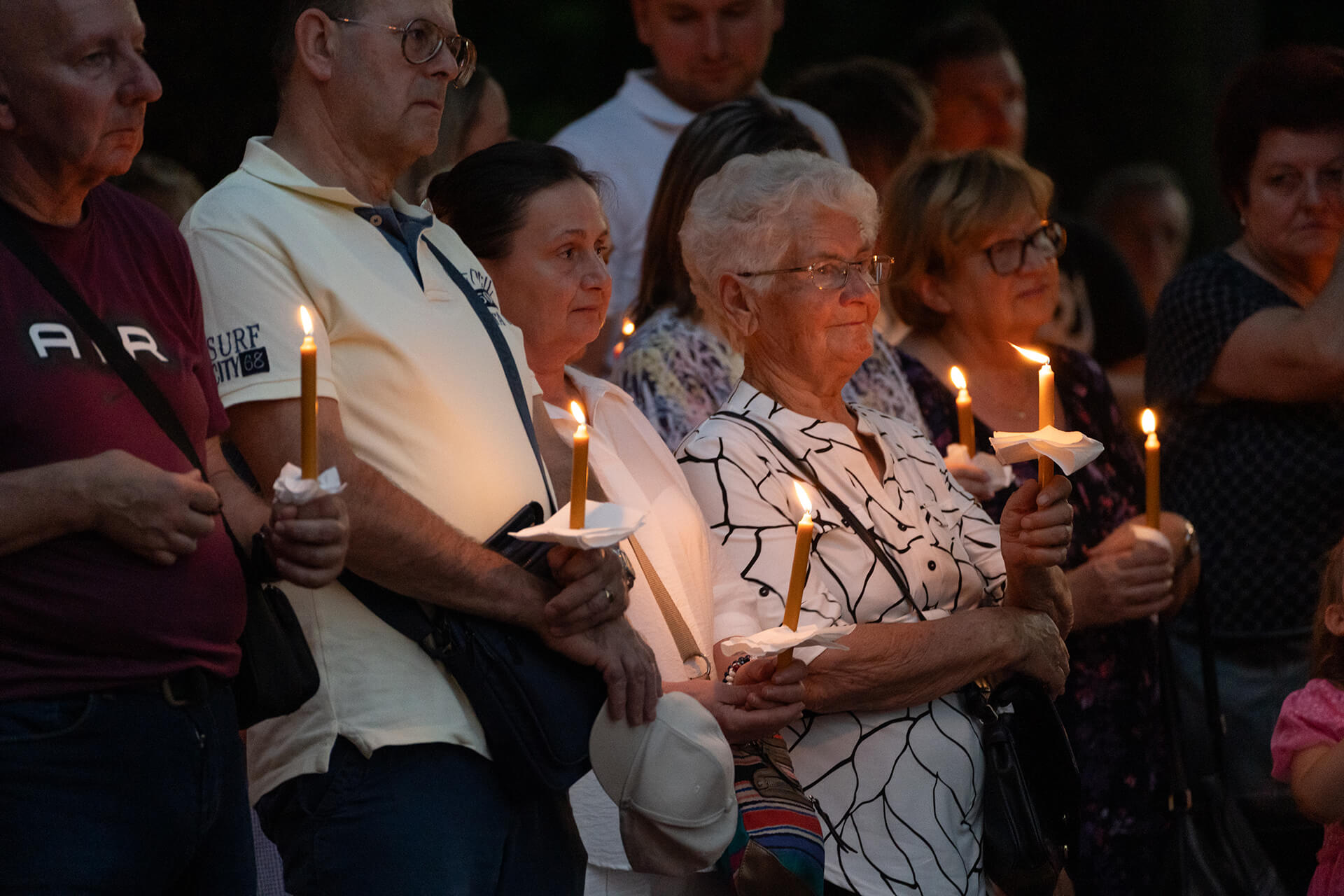
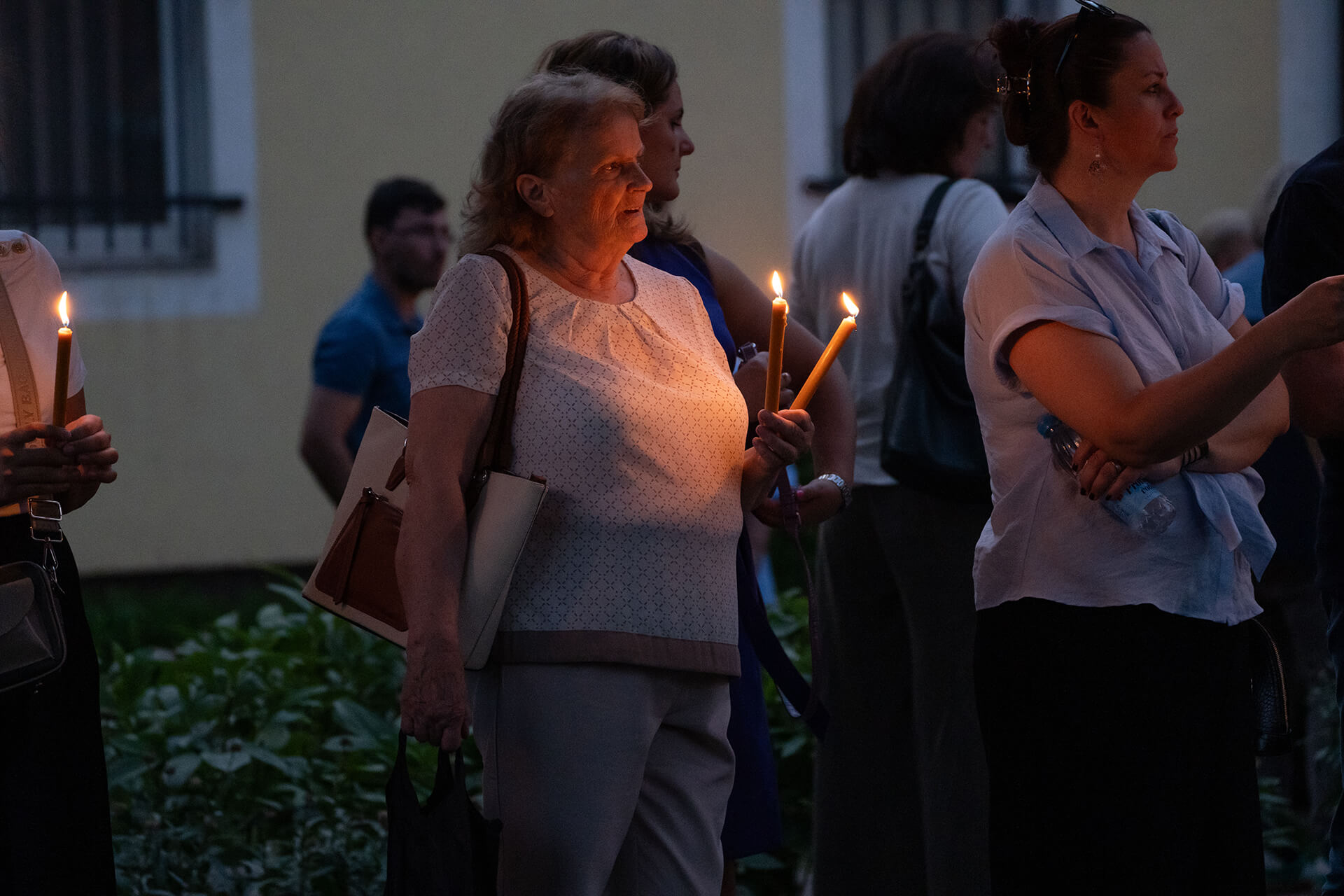
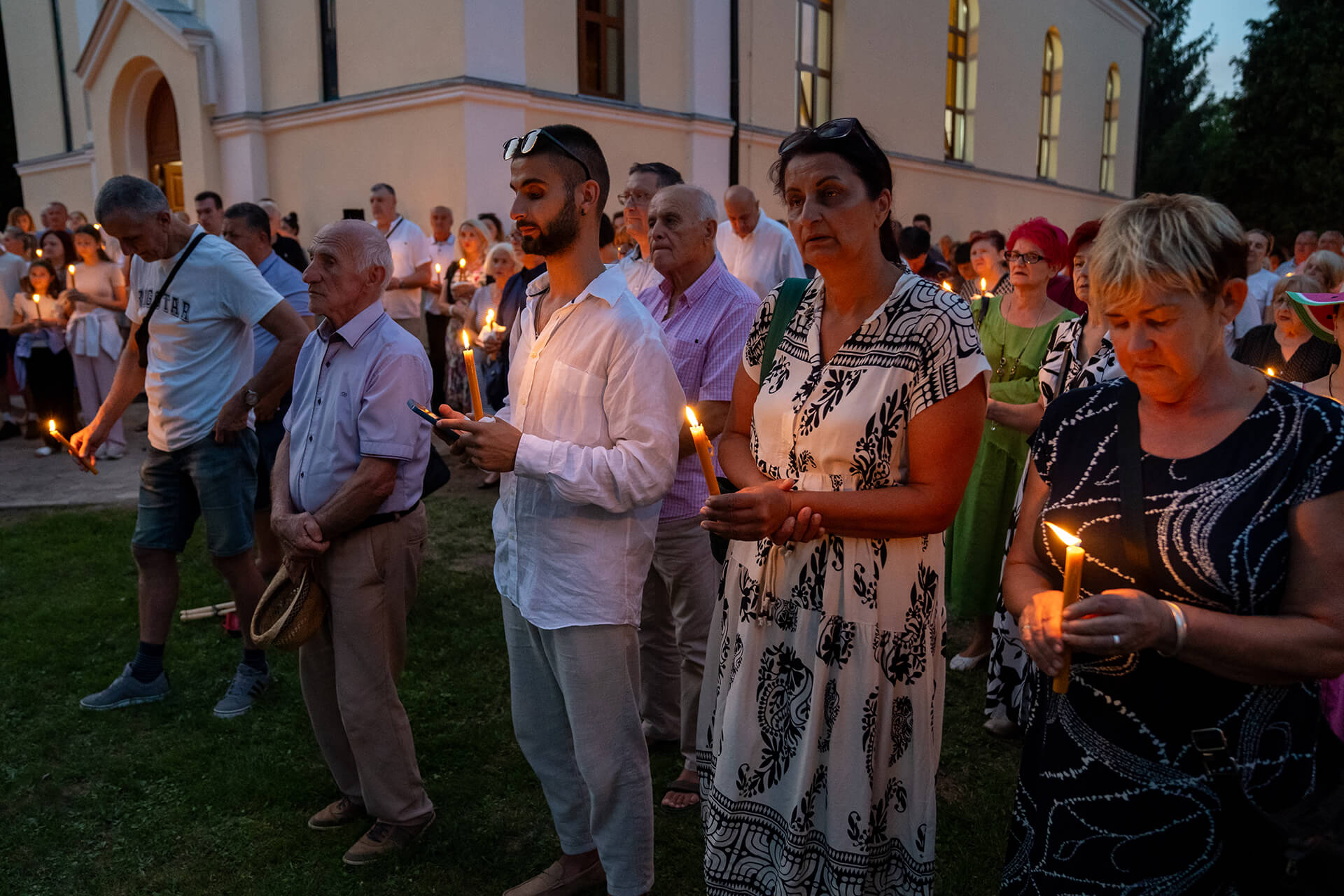
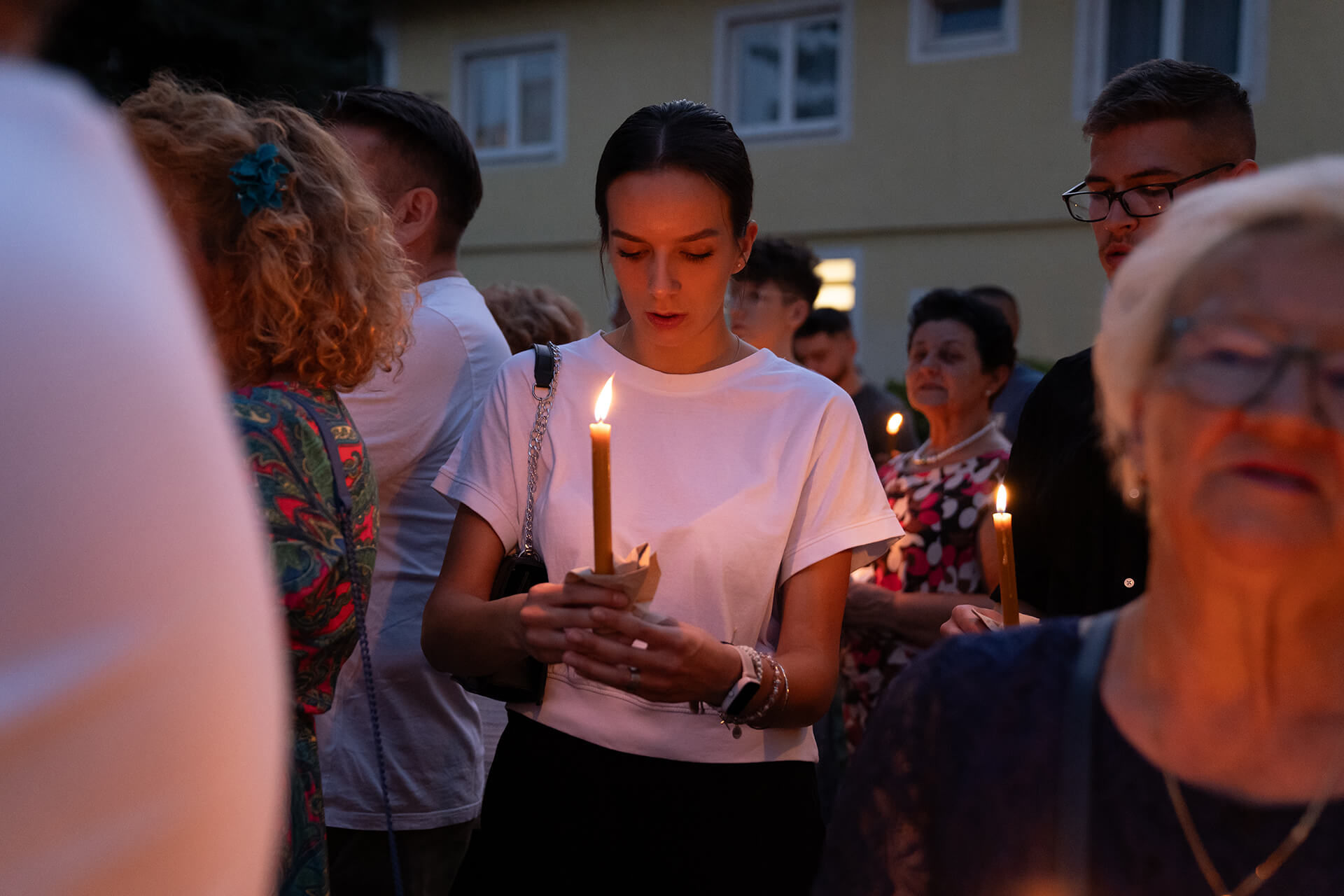
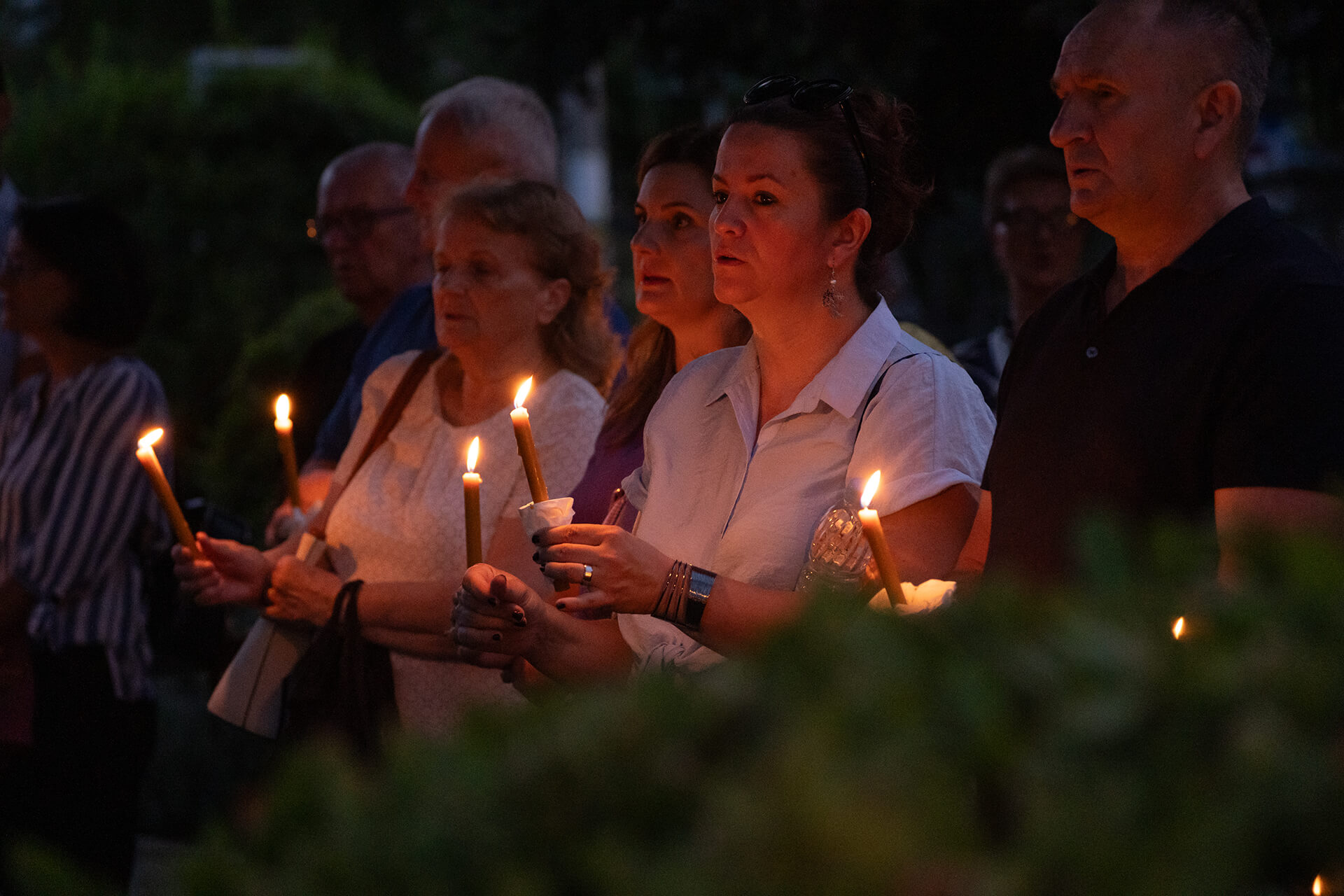
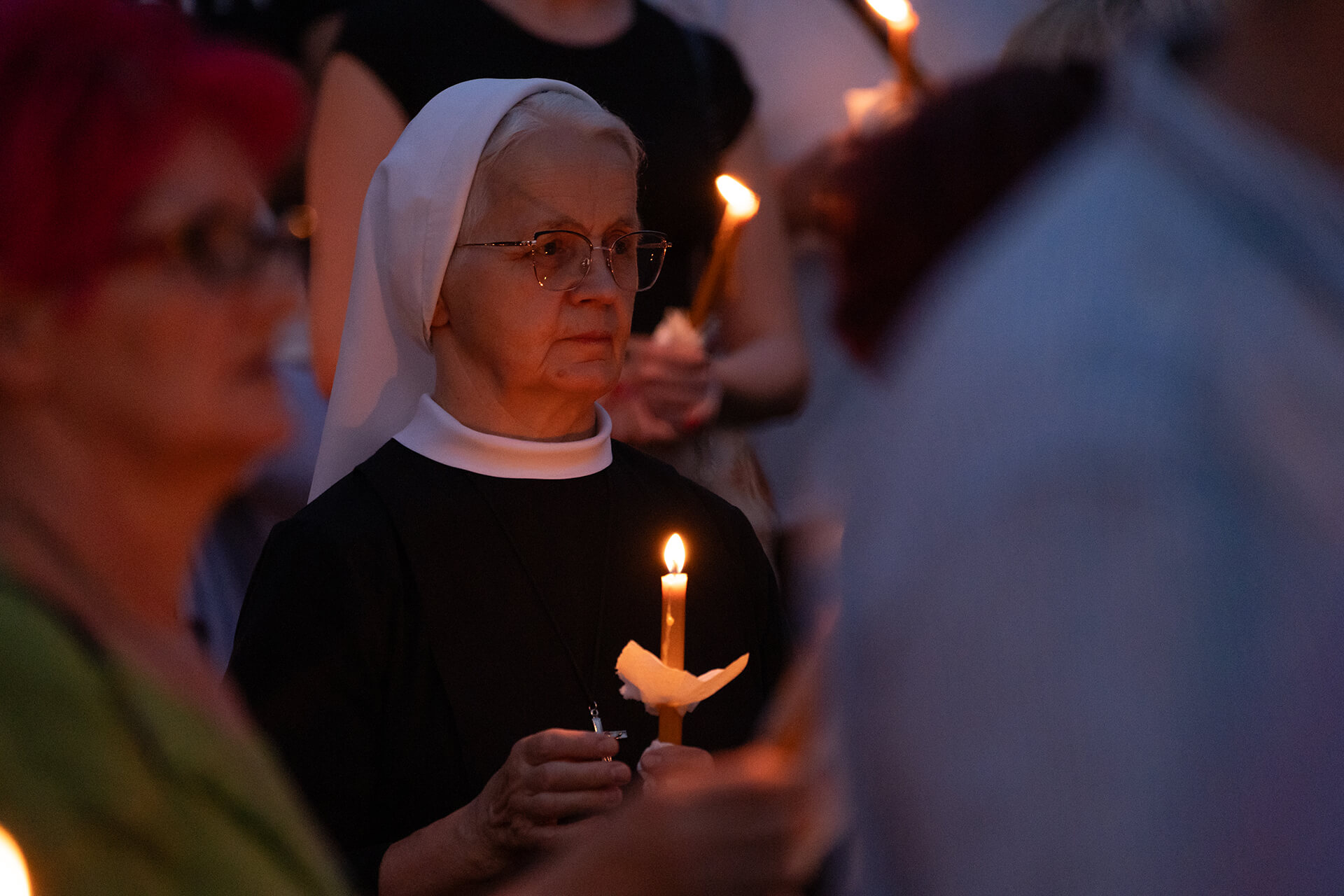
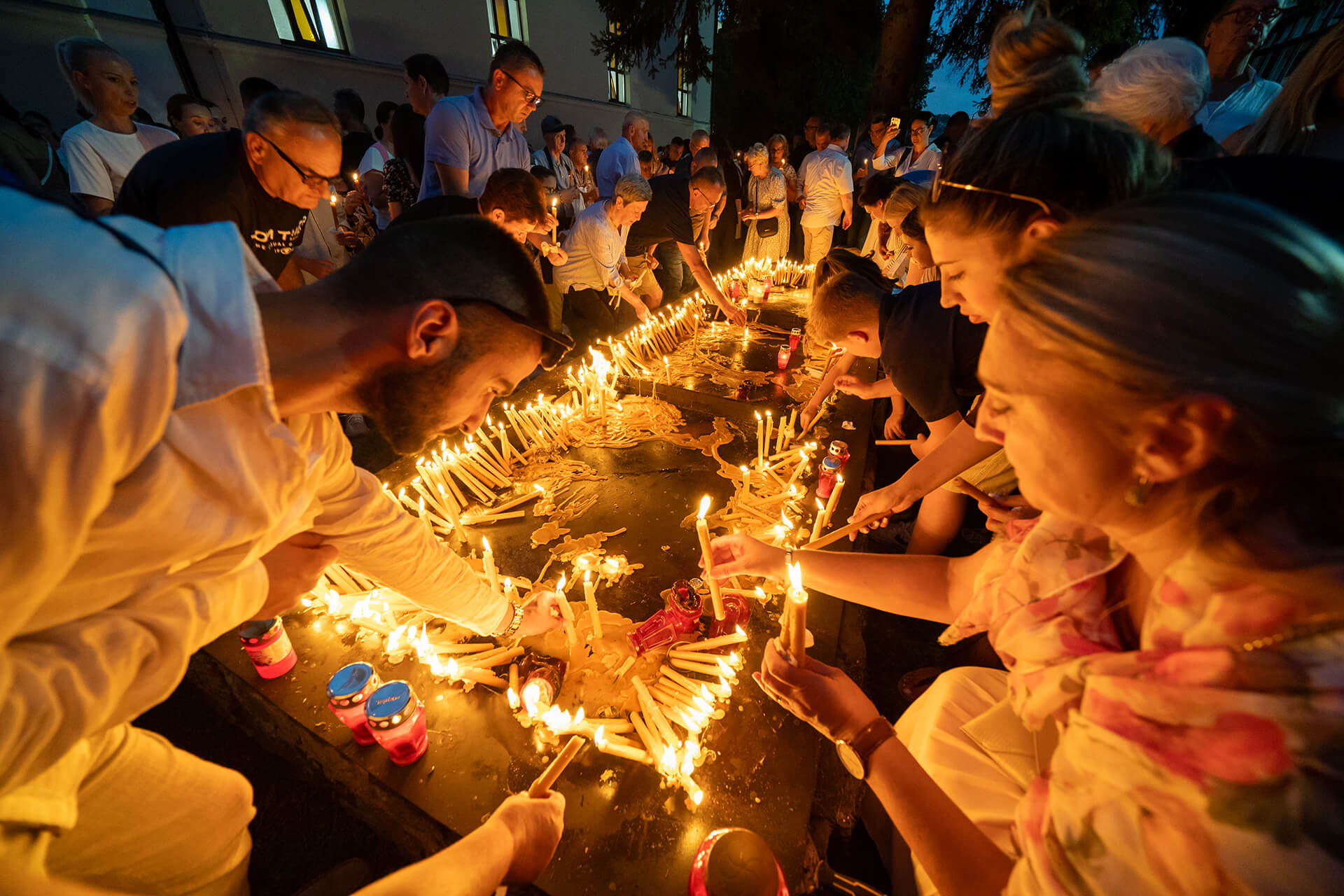
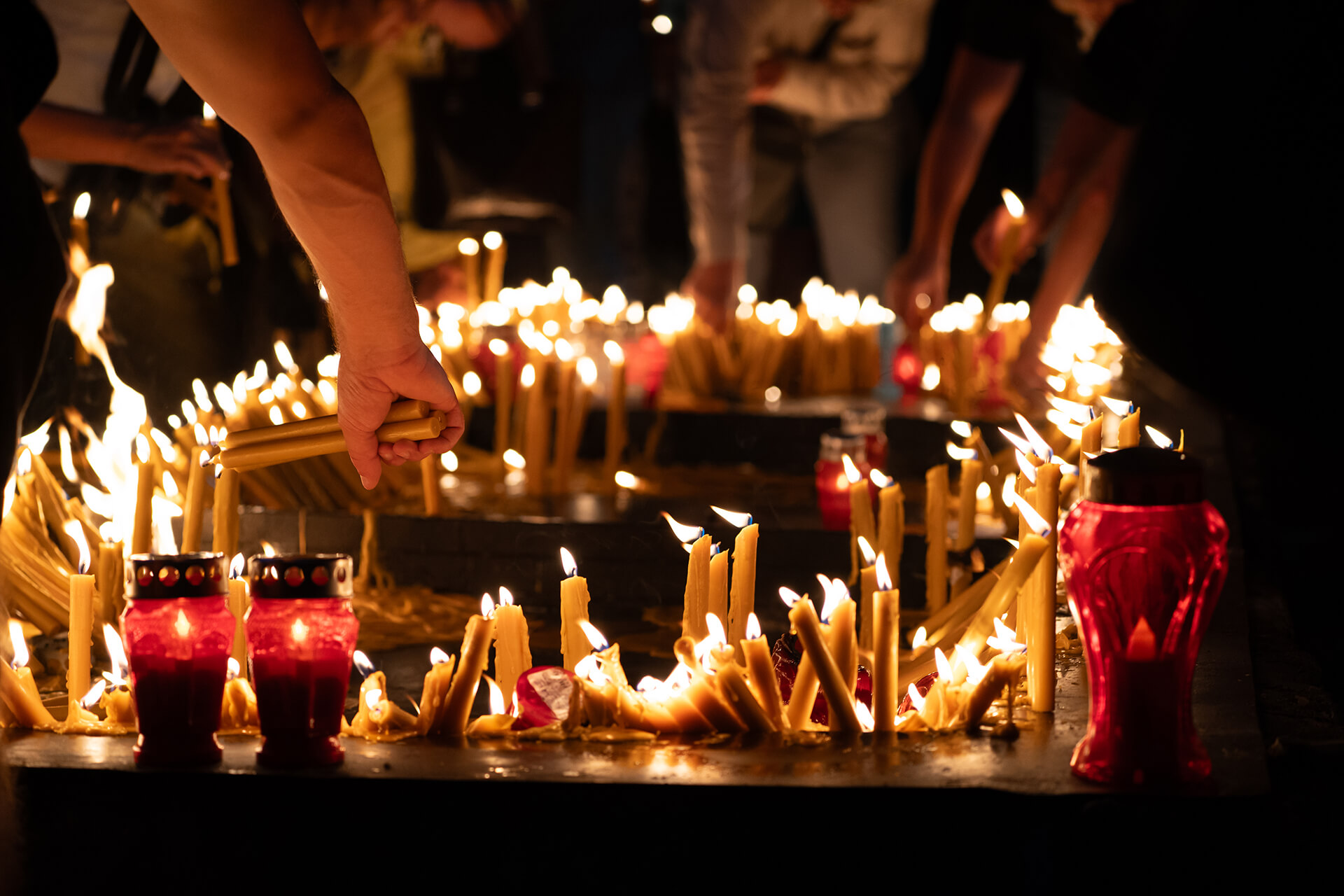
Towards the end of the Holy Mass, and after the thanksgiving and address by the Stup parish priest Ćavar, a procession with candles and a votive image was formed and, with singing, they headed towards the Cave of Our Lady, where litanies were prayed and the final blessing was distributed.
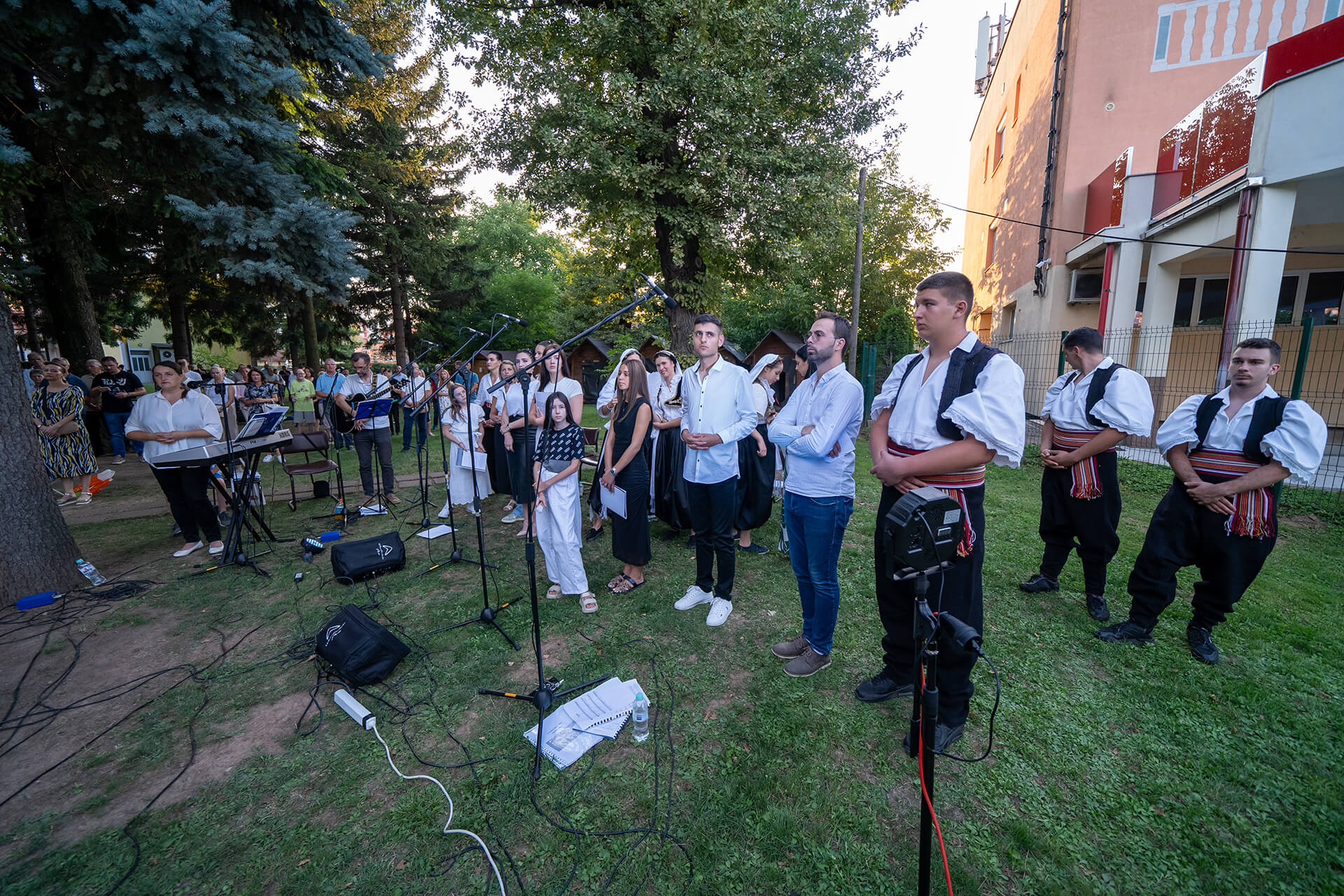
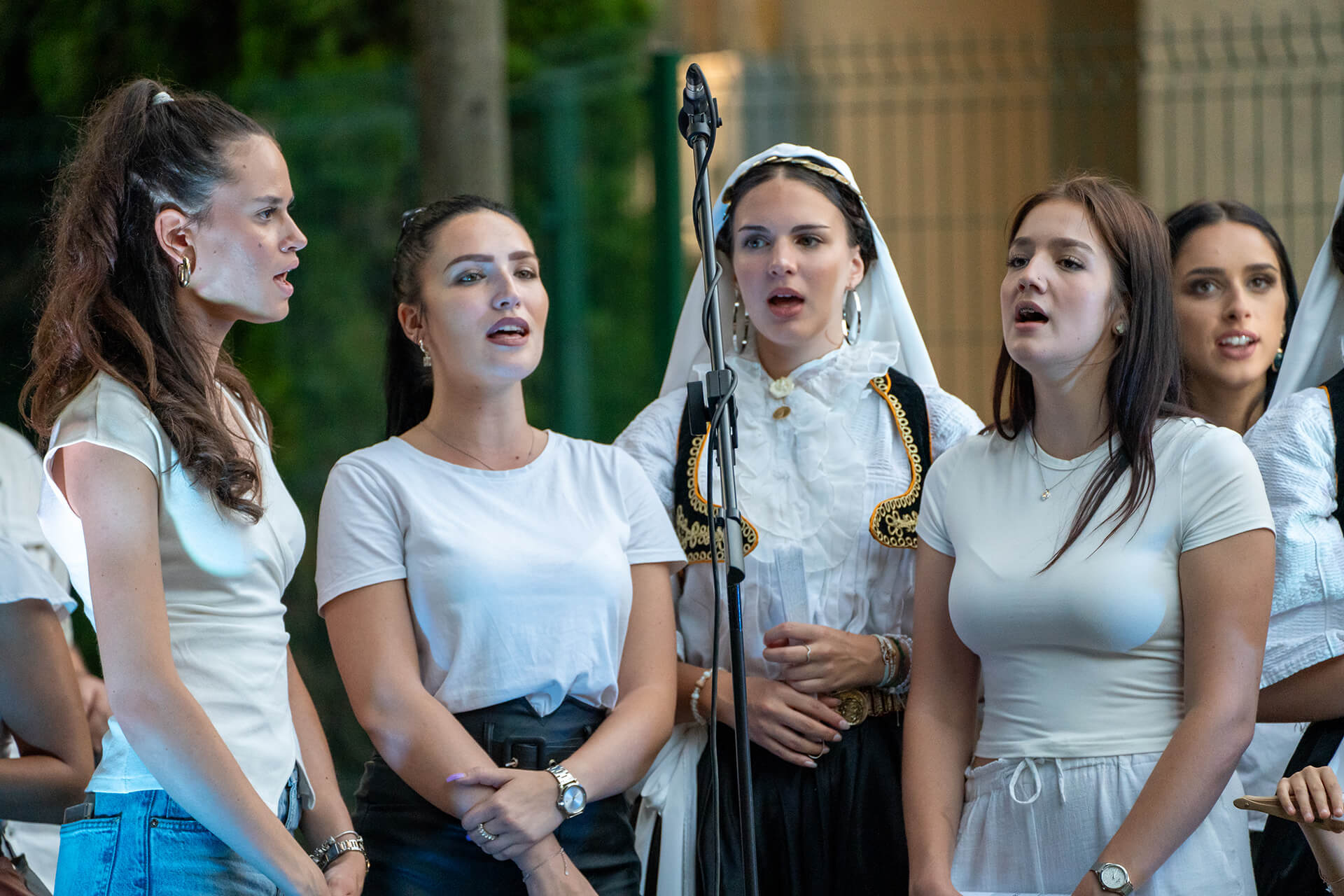
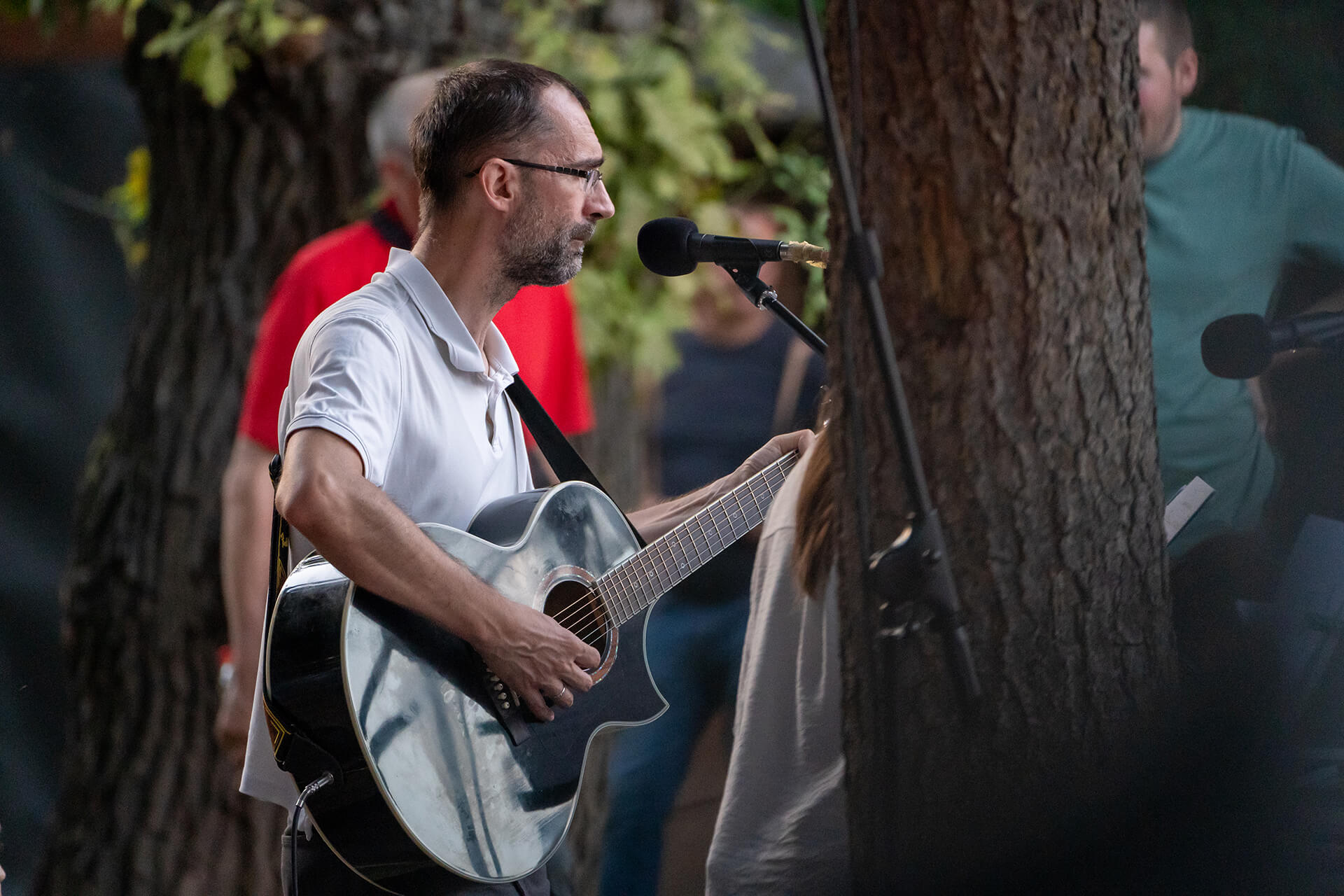
The Holy Mass was animated by the harmonious singing of the Stup parish youth choir.
Let us mention that this year the Stup community of believers prepared for the celebration of the patron saint with novena and triduum Holy Masses. On the patron saint's day itself, Eucharists were also celebrated at 7:00, 9:00 and 11:00 a.m.



























.jpg&w=420&h=235&zc=1&hash=bfa7d2c3c6d2fc4282187f8a3ace1b12)


