
The Vrhbosna Archdiocese's Catechetical Day was held
Christ is the teacher of all teachers of religion
pon, 01. rujna 2025. 09:38
The 29th Catechetical Day for teachers of religion working in the Vrhbosna Archdiocese, joined by catechists from the Banja Luka Diocese, was held on August 30th in the premises of the Sv. Josip Catholic School Centre in Sarajevo.
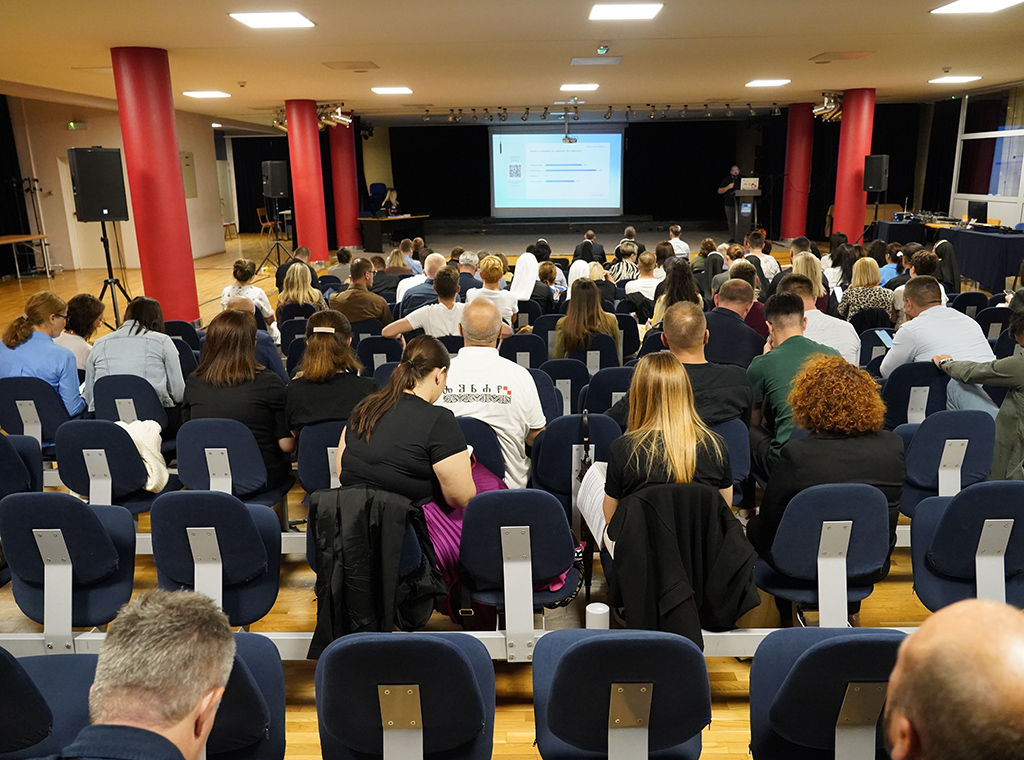
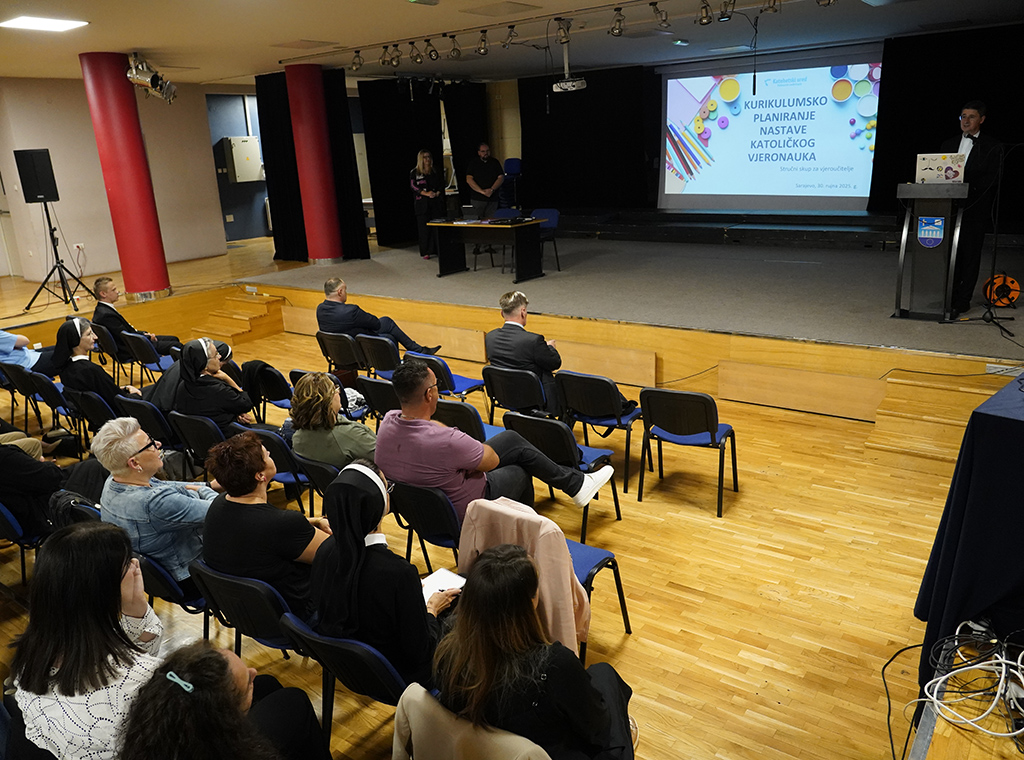
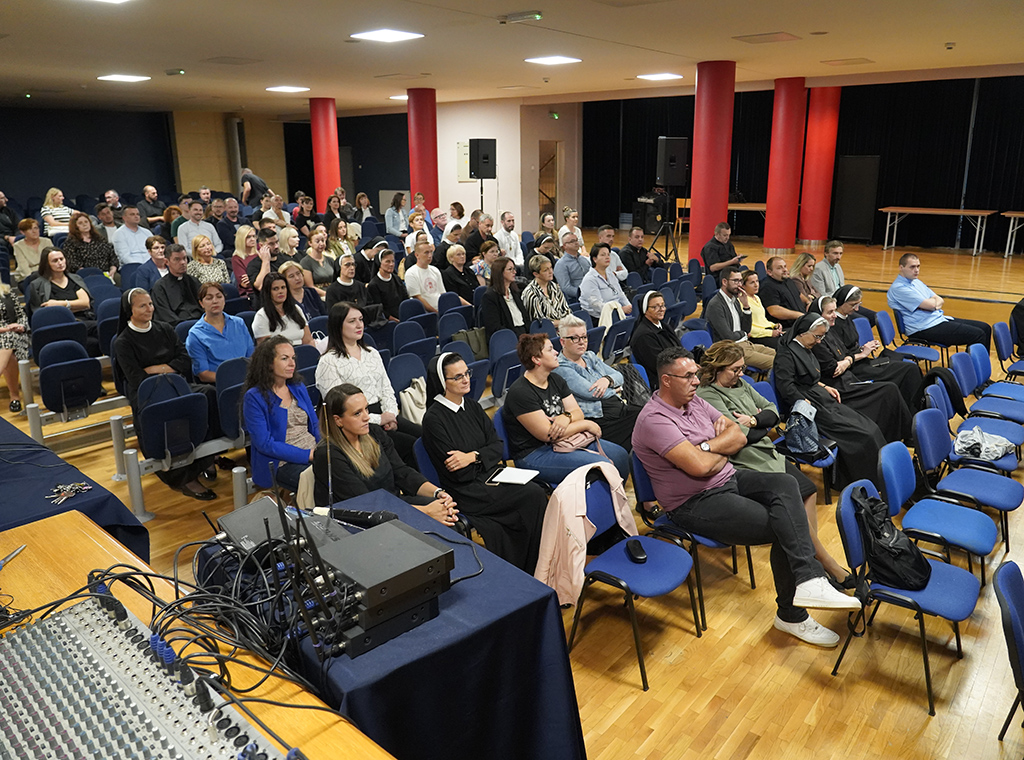
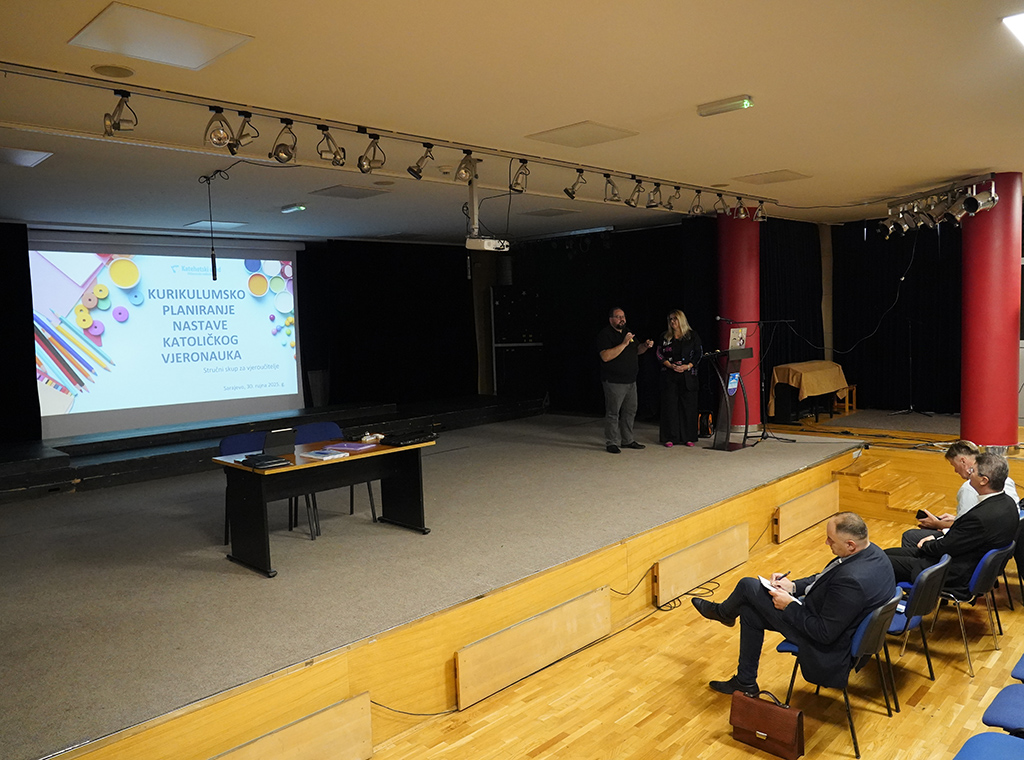
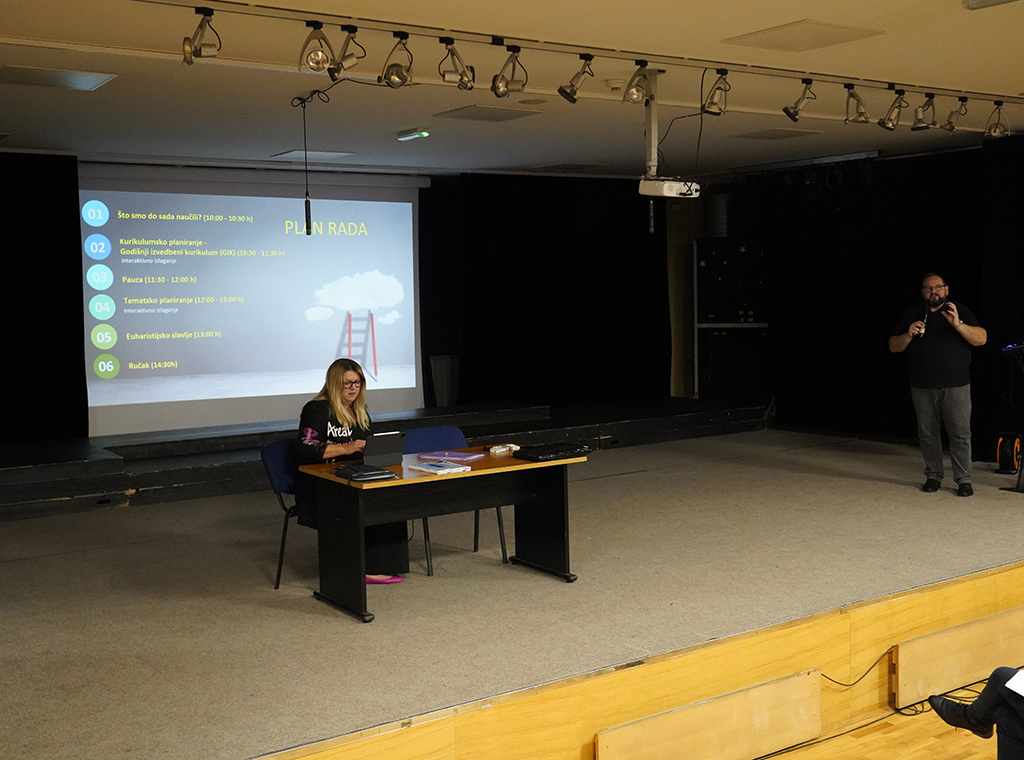
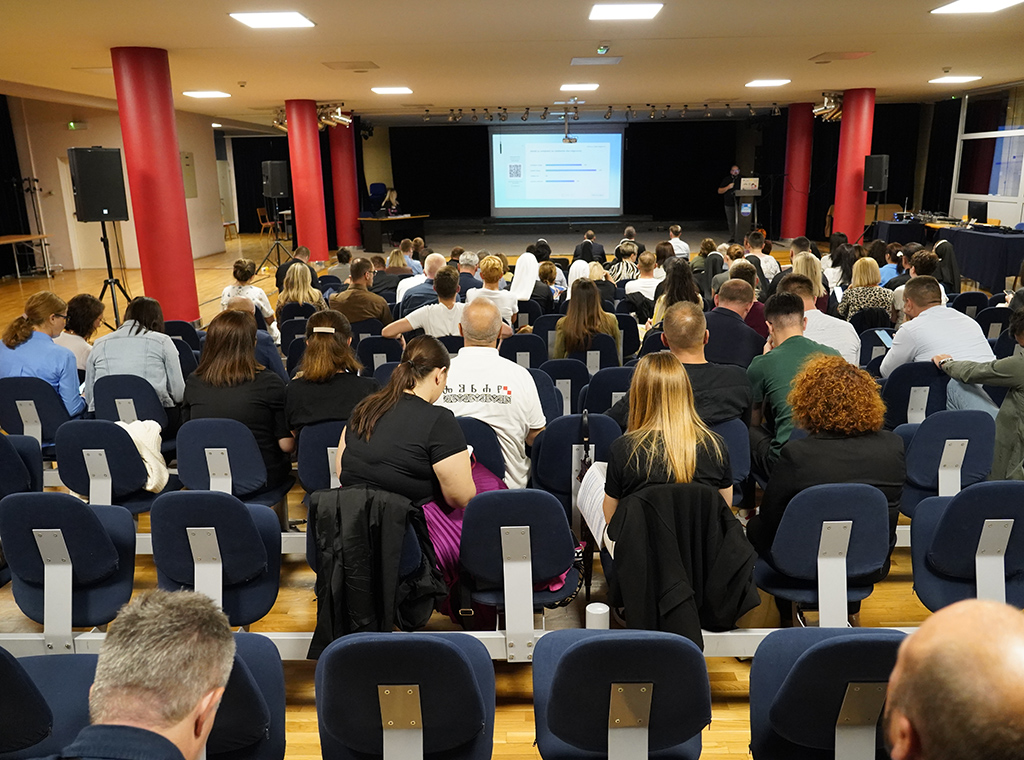
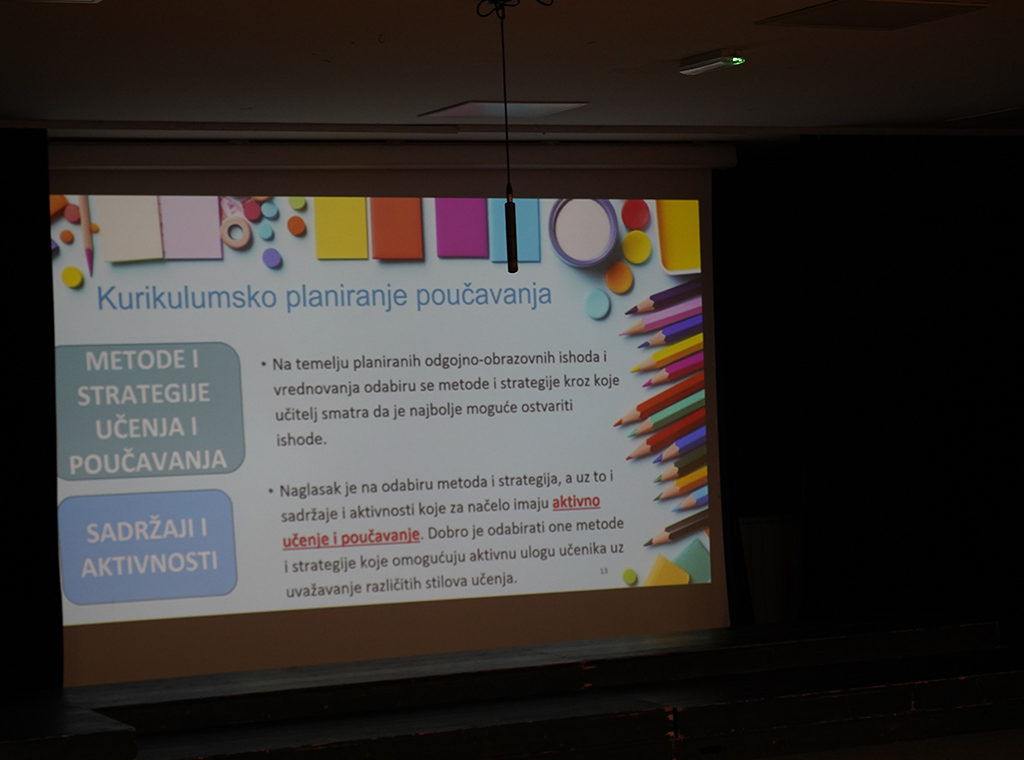
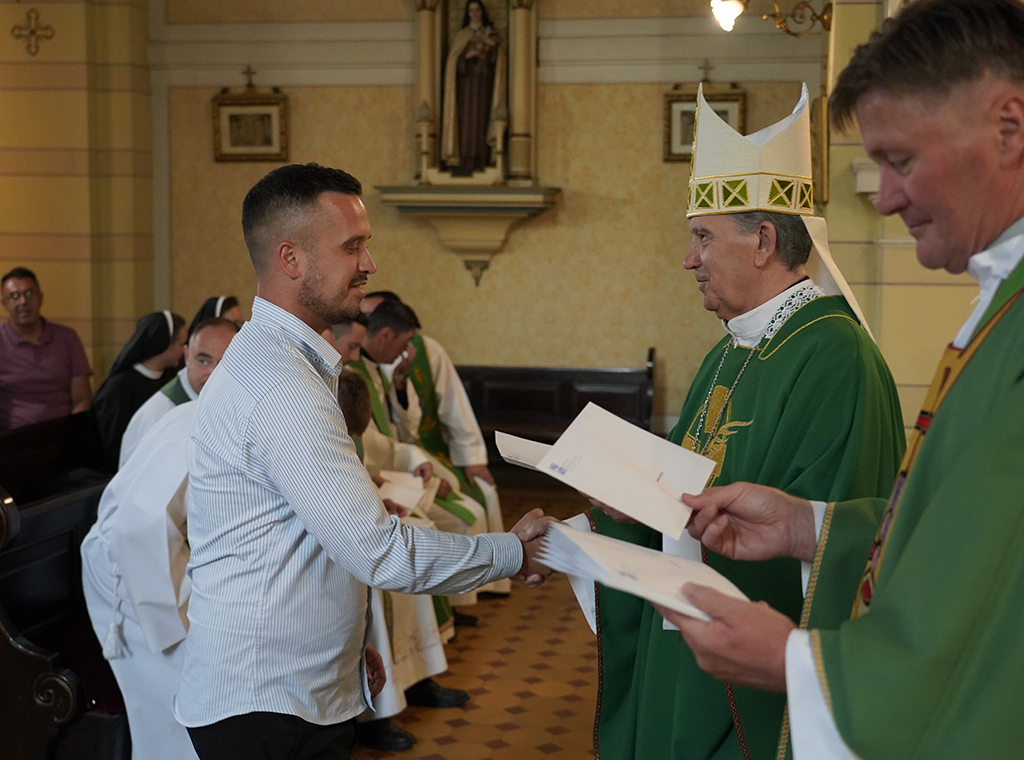
The regular annual seminar for Catholic teachers of religion in primary and secondary schools in the Vrhbosna Archdiocese and the Banja Luka Diocese, which brought together around 90 participants, consisted of two parts. First, an expert meeting for teachers of religion was held in the auditorium of the Centre under the title Curriculum Planning of Catholic Religious Education, and then the Archbishop of Vrhbosna, Msgr. Tomo Vukšić led the Holy Mass in the Church of the Queen of the Holy Rosary, which is part of the KŠC, and distributed canonical missions to 25 catechists.
The first part began with a prayer, after which the Vicar General of the Vrhbosna Archdiocese, Msgr. Slađan Ćosić, greeted those present on behalf of the absent Director of the Catechetical Office of the Bishops' Conference of Bosnia and Herzegovina and the Head of the Catechetical Office of the Archdiocese of Vrhbosna, Rev. Tomislav Mlakić.

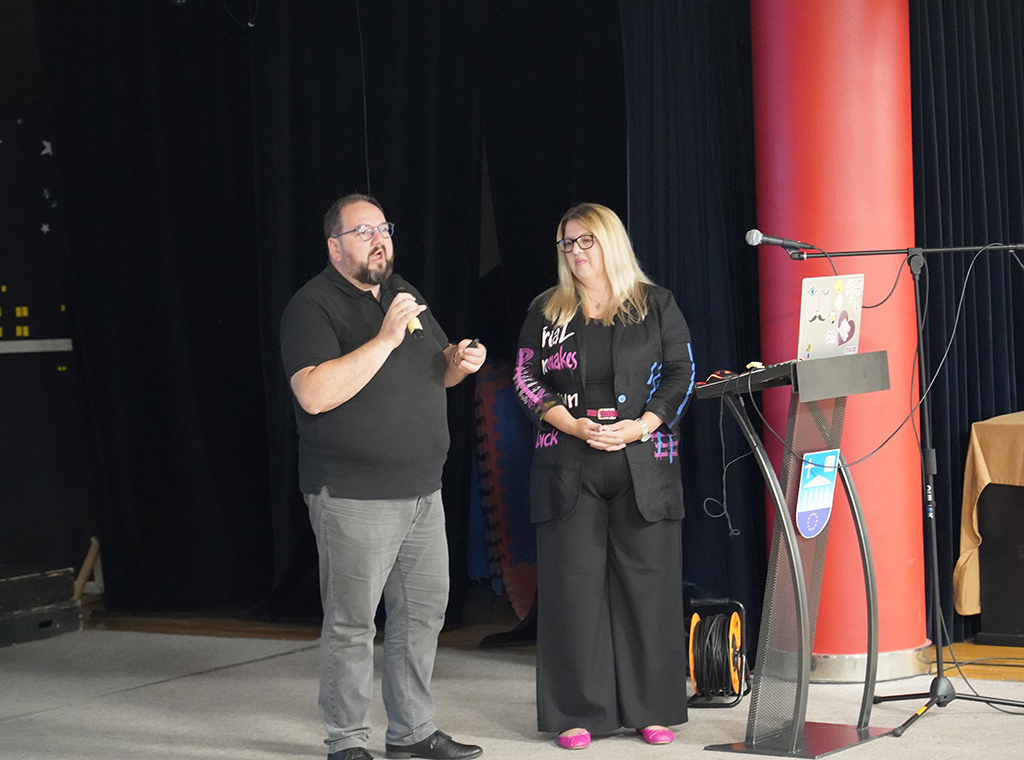
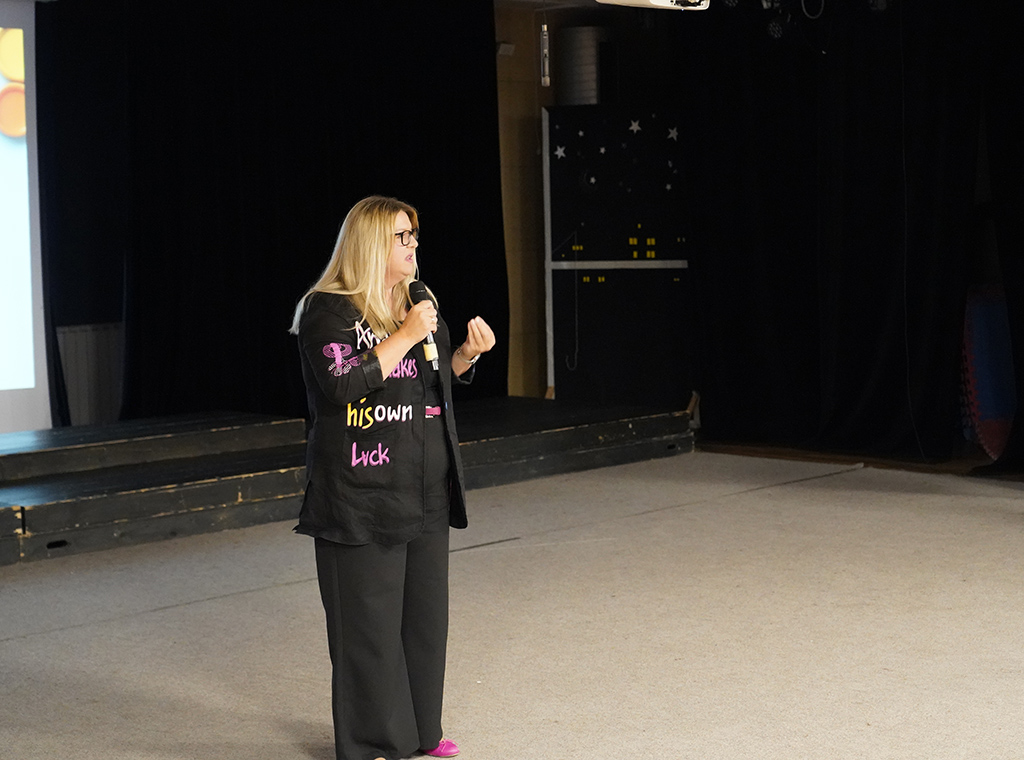
The moderator of the meeting was the Head of the Catechetical Office of the Diocese of Banja Luka, Rev. Marko Vidović, who first conveyed the greetings of the Bishop of Banja Luka, Msgr. Željko Majić. He noted that they had all previously started the curriculum reform together and that they were continuing with it, and he underlined that the plan had been started and was being completed. He noted that the biggest problem was the lack of new textbooks, and pointed out that it was a matter of technical nature and coordination. He then announced two lecturers from the Republic of Croatia, Ana Volf from Vinkovci and Ivan Mikolić from Virovitica, who, as graduate theologians, spoke on the topic of Curriculum Planning for Catholic Religious Education.
Lectures in the Spirit of Modern Times
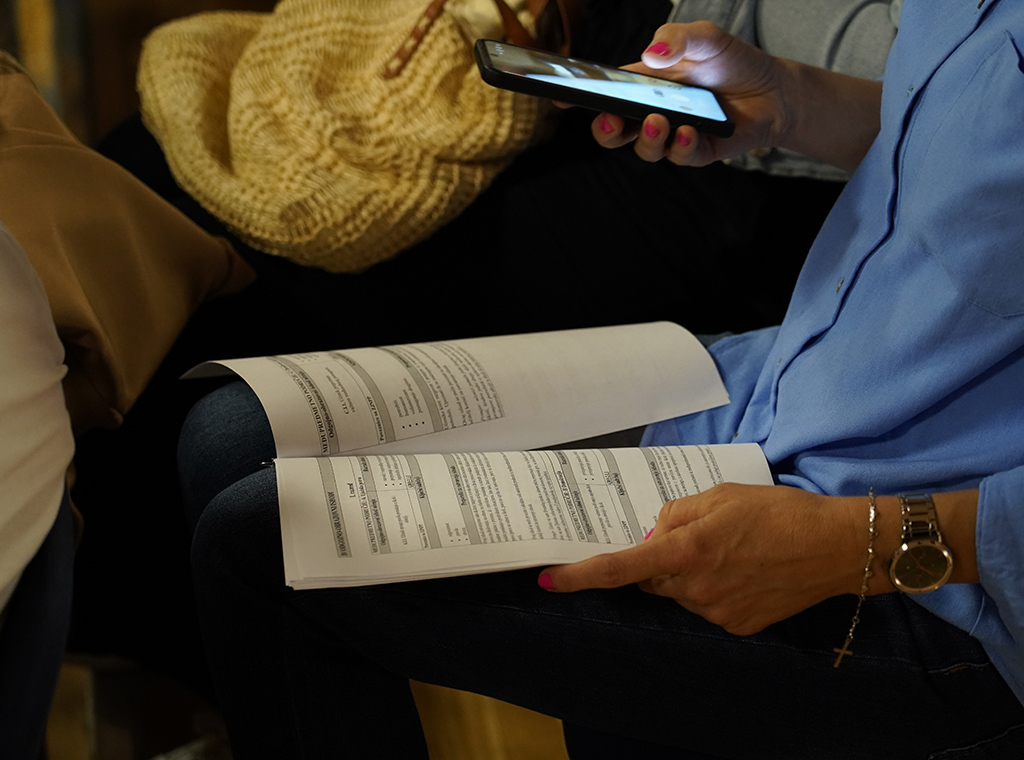
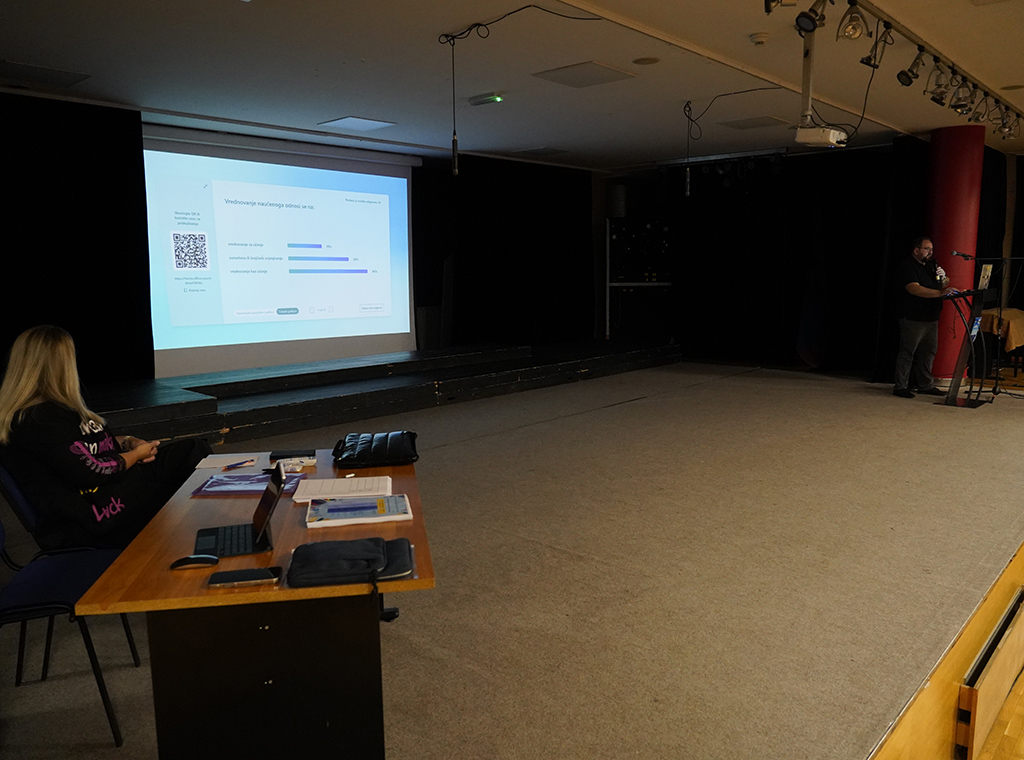
The lecture, unlike the classic ones, was conceived as an interactive dissemination of knowledge, using modern information and communication technologies. Thus, in addition to the appropriate presentation that accompanied the lecture, the participants, through the audience engagement platform, had the opportunity to respond to the lecturer's questions in real time during the presentation, as well as ask questions online and answer survey questions that then influenced the further course of the presentation. Participants had to register so that their engagement could be seen in real time, and the presentation also used the results of previous lectures that the duo had already given.
This modality of work, which we would say is absolutely suitable for the 21st century, favoured the active participation of those present and enabled a deeper acquisition of key pedagogical and catechetical competencies. The importance of a holistic approach to education was emphasized, where classical forms of teaching are complemented by digital tools, in order to create a more dynamic didactic environment. Among other things, it was stated that the GIK (Annual Outcome of the Curriculum) can be fluid in terms of achieving the assigned material in relation to the exact hour when it was supposed to be taught, and that good teaching requires, in addition to preparation, communication adapted to the age of the students. Those present concluded that the integration of technology into school lectures is an indispensable element of modern curricular development, all with the aim of more efficient evangelization in the 21st century.
Eucharistic celebration
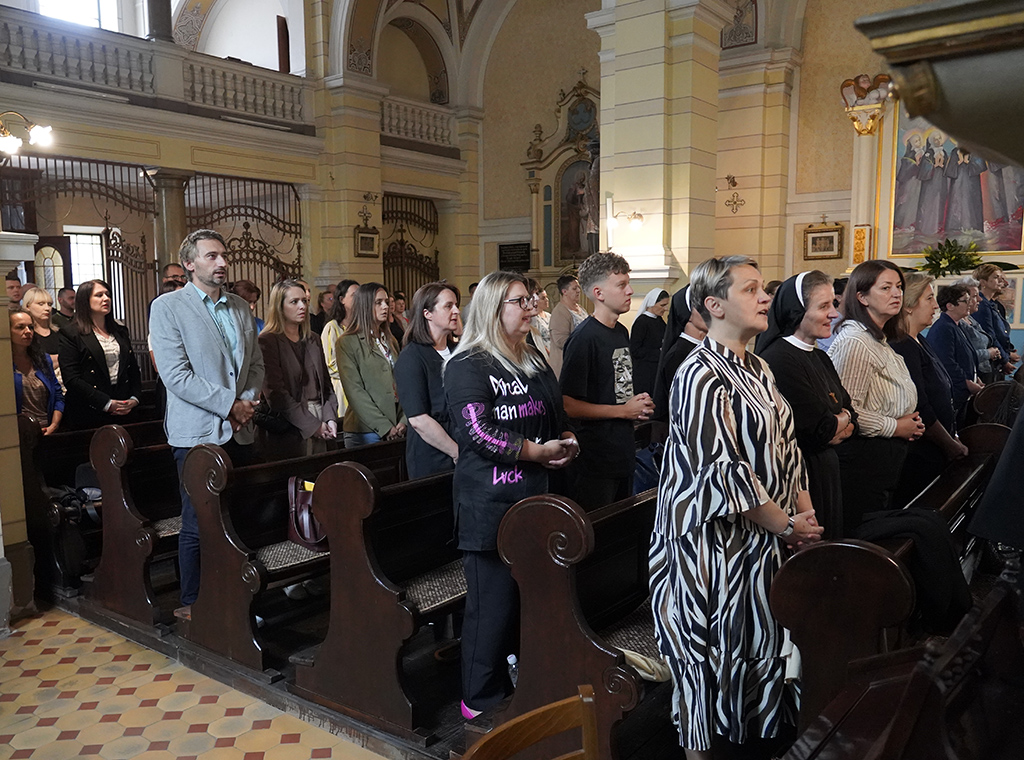
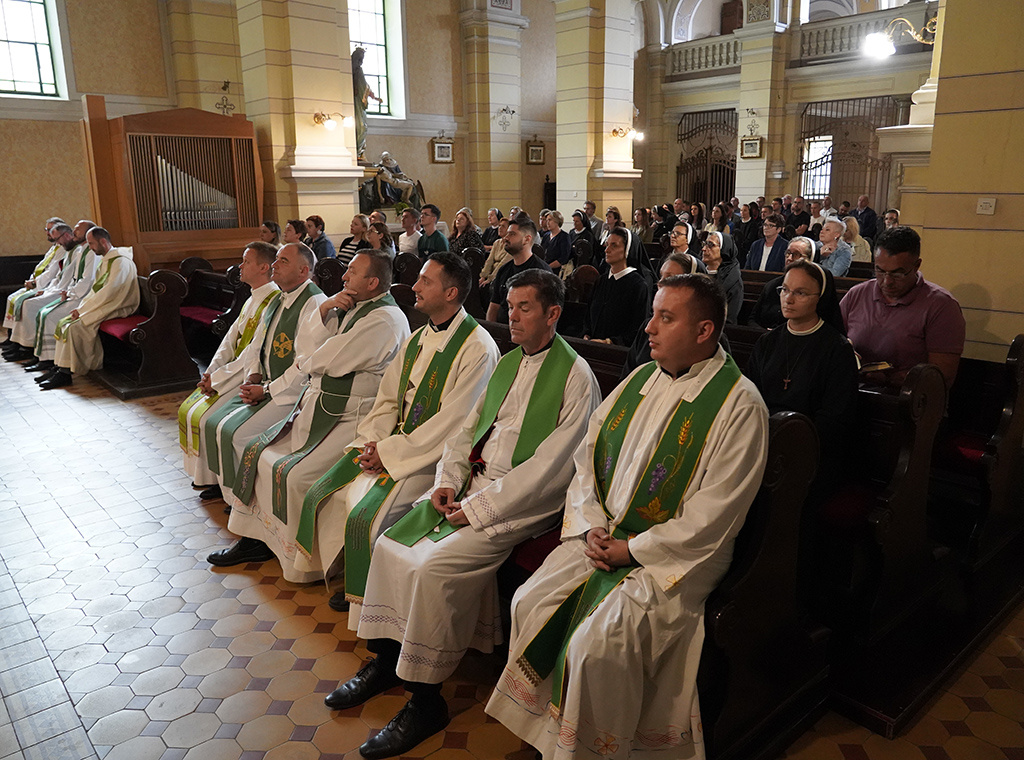
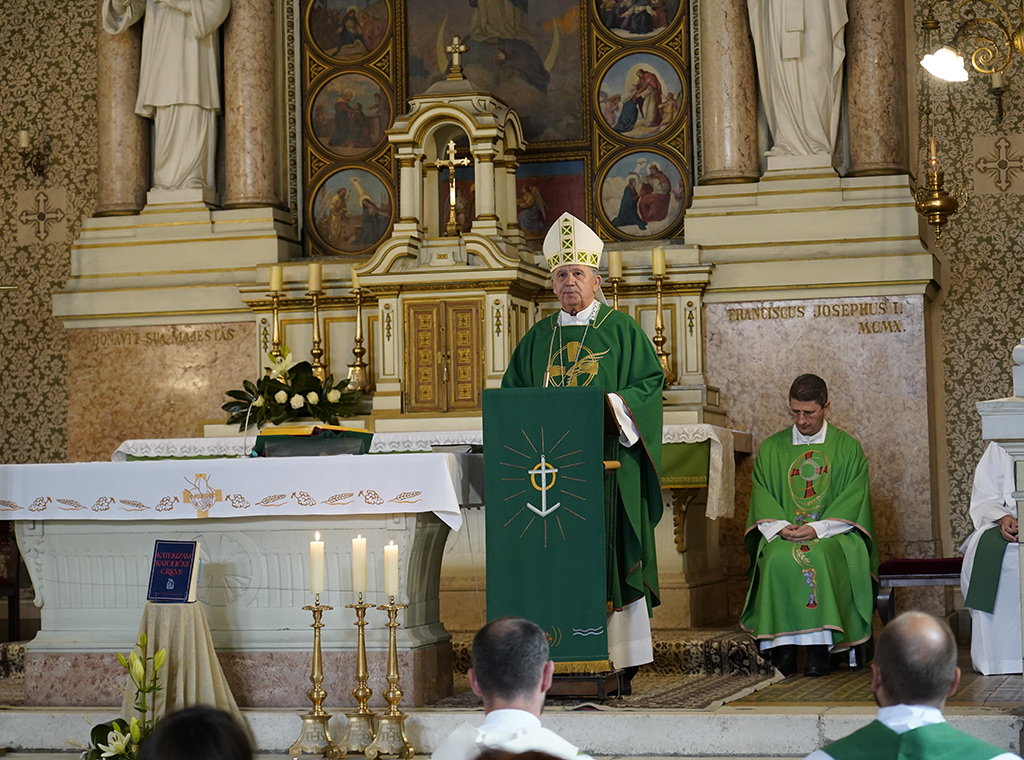
The highlight of the 29th catechetical day was the Holy Mass in the Church of the Queen of the Holy Rosary in Banjski Brijeg. The Eucharist was led by Archbishop Vukšić with the concelebration of priests mainly engaged in school religious education, led by Msgr. Ćosić and the new director of the Sarajevo KŠC, Rev. Vlatko Rosić.
In his homily, entitled A good religious teacher can only be someone who is a good person, Archbishop Tomo first thanked all religious education teachers whose work he called demanding and necessary. Recalling that it is thanks to them that this process has been taking place in BiH for 30 years, he made it clear that the role of religious education teachers is, among other things, important due to the return of religion to the public sphere after the collapse of the totalitarian communist regime, which considered it "the opium of the people".

"Catholic religious education in schools represents a religious dimension that must be recognizable (…) Religious education teachers are therefore sent to be a credible and dialogical link between the Church and the school institution. You are also called to make a special contribution to the building of the concrete church community in which you live. Religious education teachers will do this according to their abilities and experiences and can put them to good use in different areas of the life of the Church, in parish and diocesan bodies, in different areas of formation, charitable work, liturgical celebrations and volunteering", the archbishop concluded, underlining one important point that in addition to professional training, religious education teachers are called to bear witness to moral and ecclesial consistency.
Living What You Teach
The sermon further emphasized the fact from its title that "a good religious education teacher can only be someone who is a good person". The archbishop emphasized that a good Catholic religious education teacher can only be someone who, in addition to being a good person, is also a teacher of the entire doctrine of the Church and a consistent witness to it with his or her life. “It is important not only to teach religious education, but also to live it as one’s own religious experience”, he added, and towards the end of his homily he pointed out that the ministry of catechists also brings moments in which success is not immediately visible, but their efforts are not in vain. “The seed of the Word of God that you sow, and the effort that you make, is an investment with a deferred payment”, he concluded, adding that all these efforts should shape people rich in spirit and moral strength.

The sermon ended with a fitting quote from the first Holy Mass reading and an emphasis on the fact that “Christ the Lord is the catechist of all catechists.”
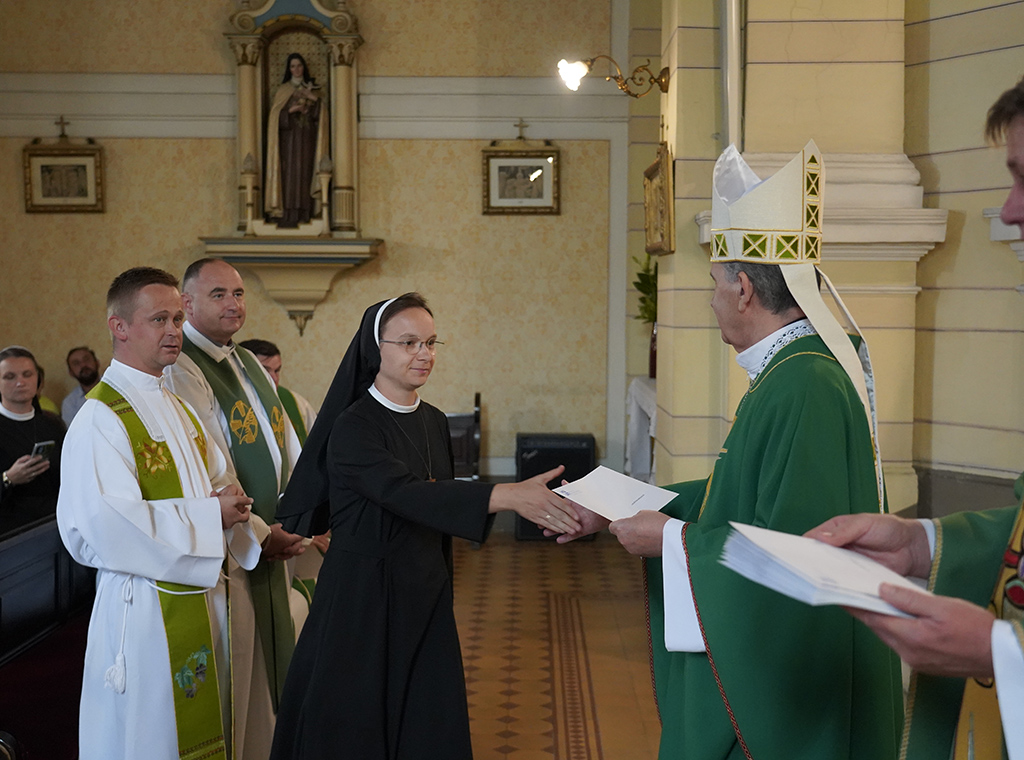
At the end of the Eucharist, the archbishop distributed canonical missions to 25 catechists.
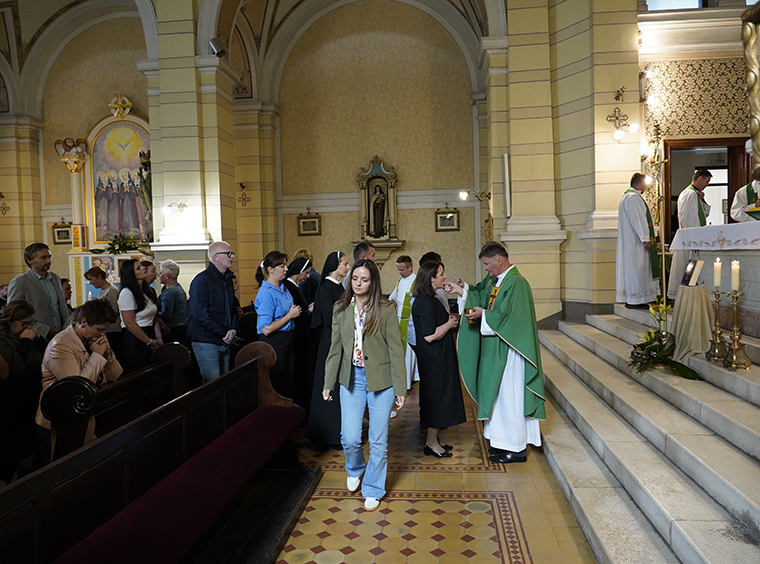
The Holy Mass communion continued with a meal and socializing in the premises of the Catholic School Centre.







.jpg&w=420&h=235&zc=1&hash=bfa7d2c3c6d2fc4282187f8a3ace1b12)


