
Sarajevo
Third international Conference of ethic theologians
sri, 01. kolovoza 2018. 14:30
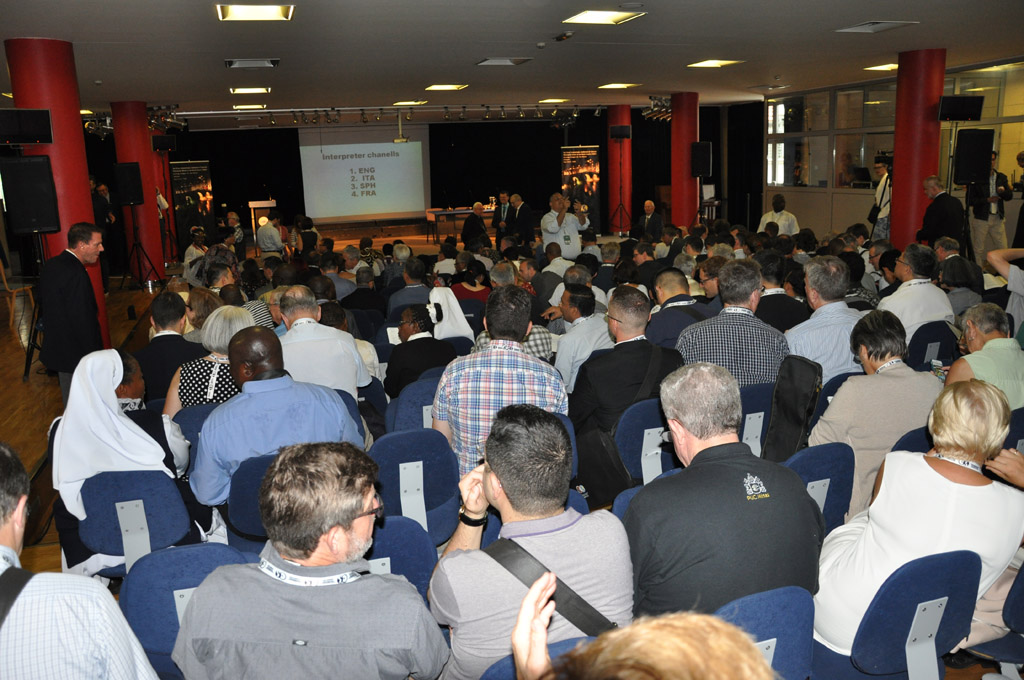
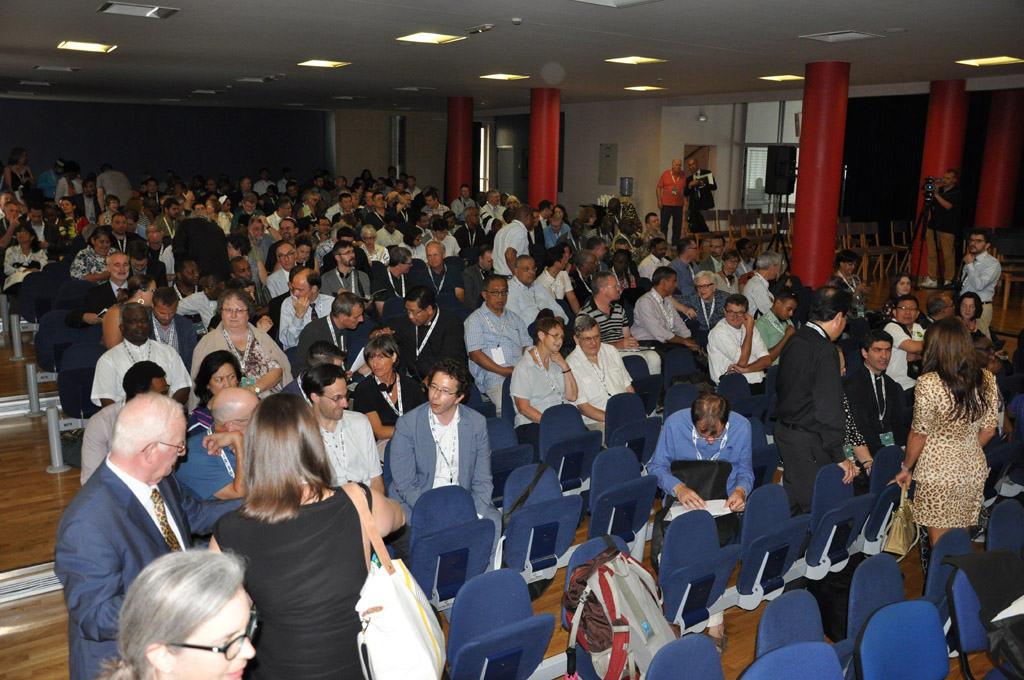
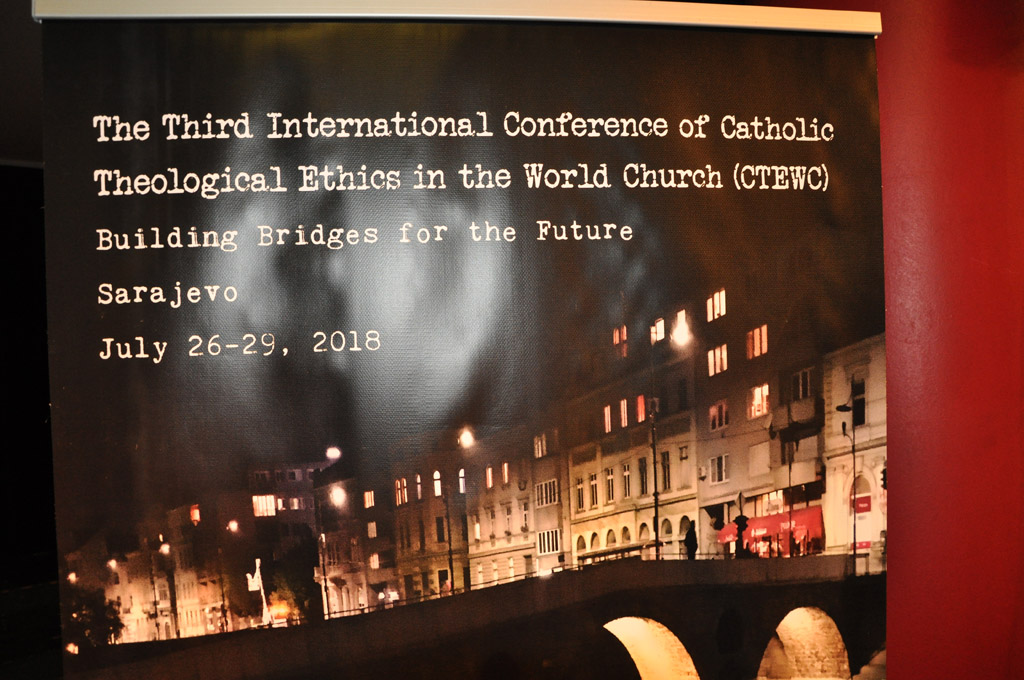
From July 26th to 29th Sarajevo was hosting third international Conference that was organised by CTEWC (Catholic Theological ethics in the World Church – Catholic Ethics theologians of the World Church) that was held under the moto: Critical time for building bridges; Catholic ethics theologians today.

From July 26th to 29th Sarajevo was hosting third international Conference that was organised by CTEWC (Catholic Theological ethics in the World Church – Catholic Ethics theologians of the World Church) that was held under the moto: Critical time for building bridges; Catholic ethics theologians today.
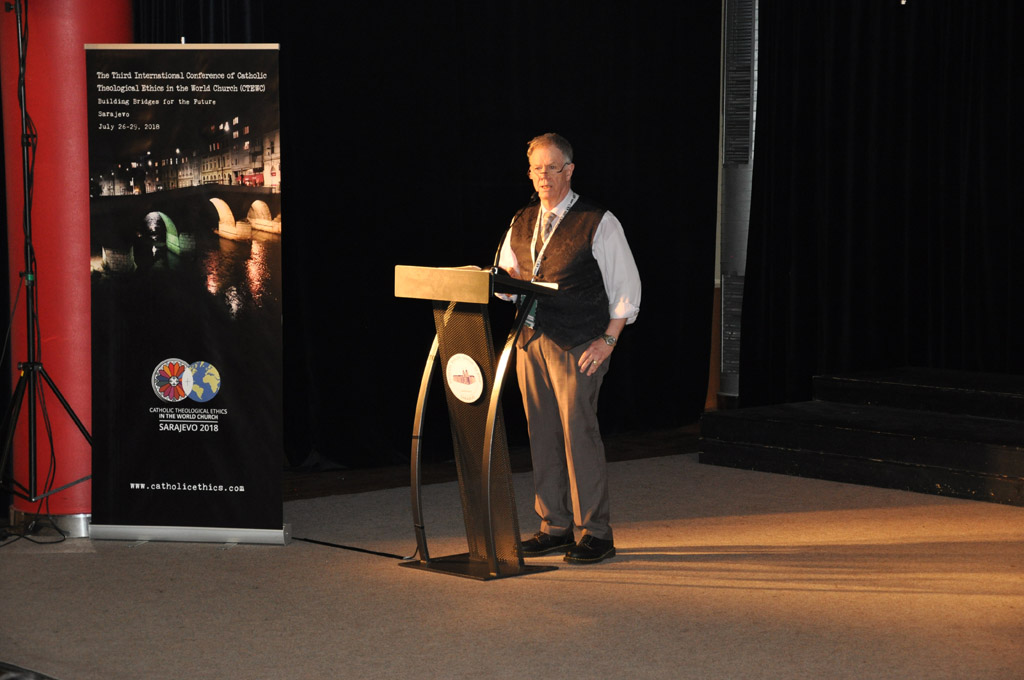
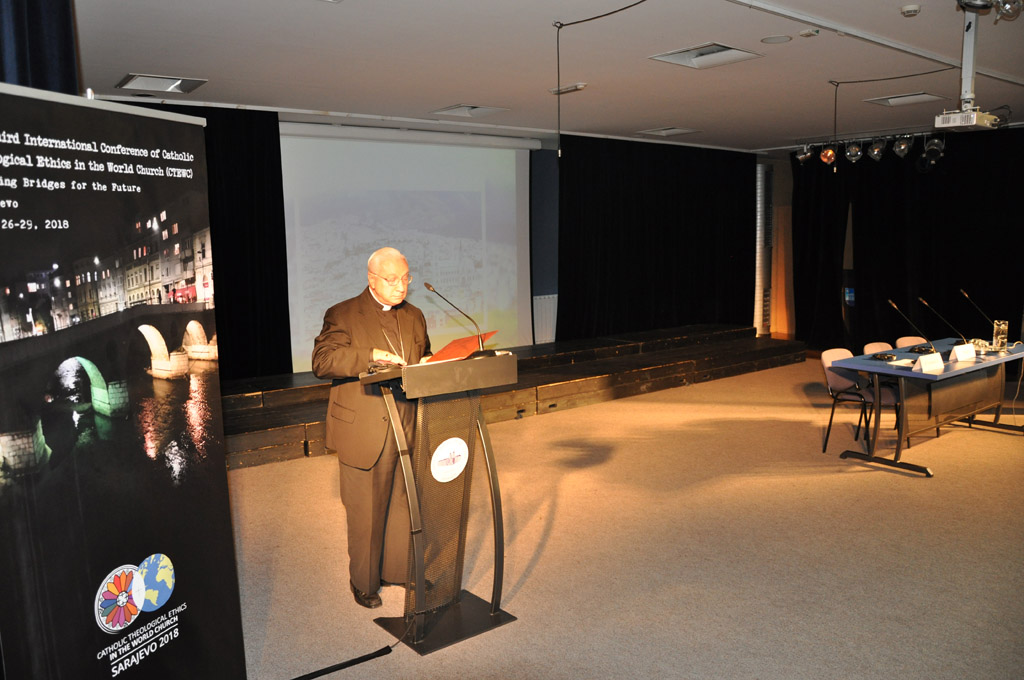
The beginning of the Conference was held in the auditorium of Catholic school centre St. Joseph, and was opened by p. James Keenan, DI, vice president of CTEWC and professor at Boston College in the USA.
Pope’s message to the participants
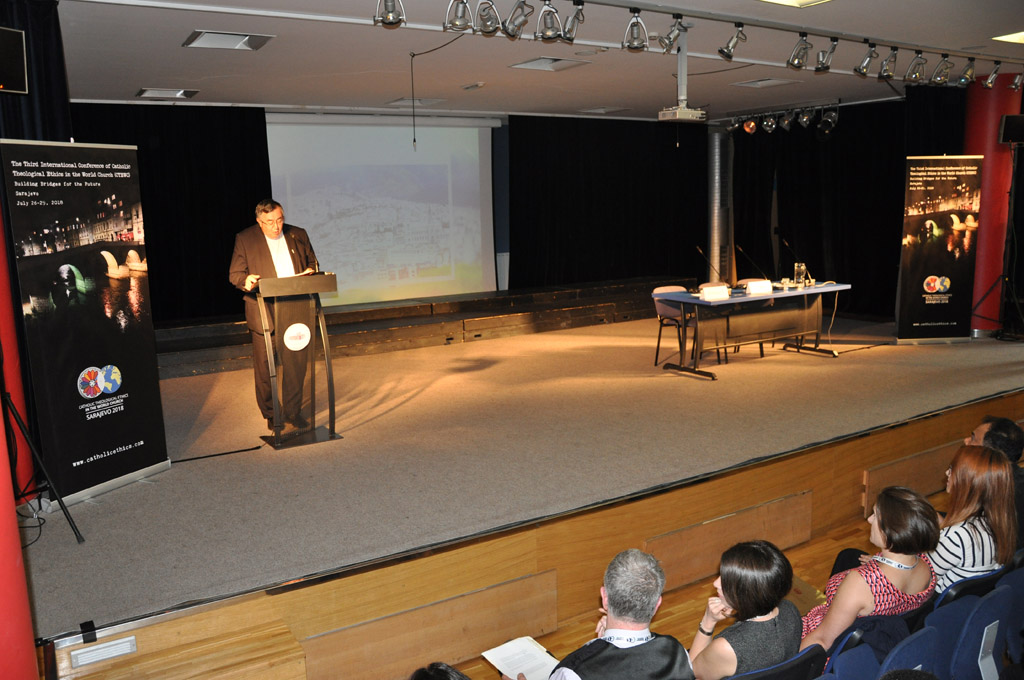
Father Keenan initially wished a welcome to the present and then presented the Archbishop of Vrhbosna Vinko Puljić who thanked the organizers for choosing Sarajevo as the venue for their international conference. “The theme of building bridges is very dear and close to me and for 27 years as Archbishop and Cardinal I have directed my actions to that direction”, said cardinal Puljić and cited the Nobel Laureate Ivo Andrić's thought who said there was no work more important than building bridges.
Then the apostolic nuncio in BiH archbishop Luigi Pezzuto read the letter of the Holy Father addressed to the participants of the conference, among which, Pope Francis welcomes the participants to the city, which is a symbol of building bridges, but also a place of great suffering and conflict from the past.
After that, several participants, including the Dean of the Sarajevo Catholic Faculty of Theology, venerable Darko Tomašević, adressed the present and then followed the documentary film Bosnia-Herzegovina: The Rescued Books of Sarajevo.
In the end, Deputy Mayor of Sarajevo, Mr. Milan Trivić welcomed the audience at the reception that was held in the Town Hall.
Rich program
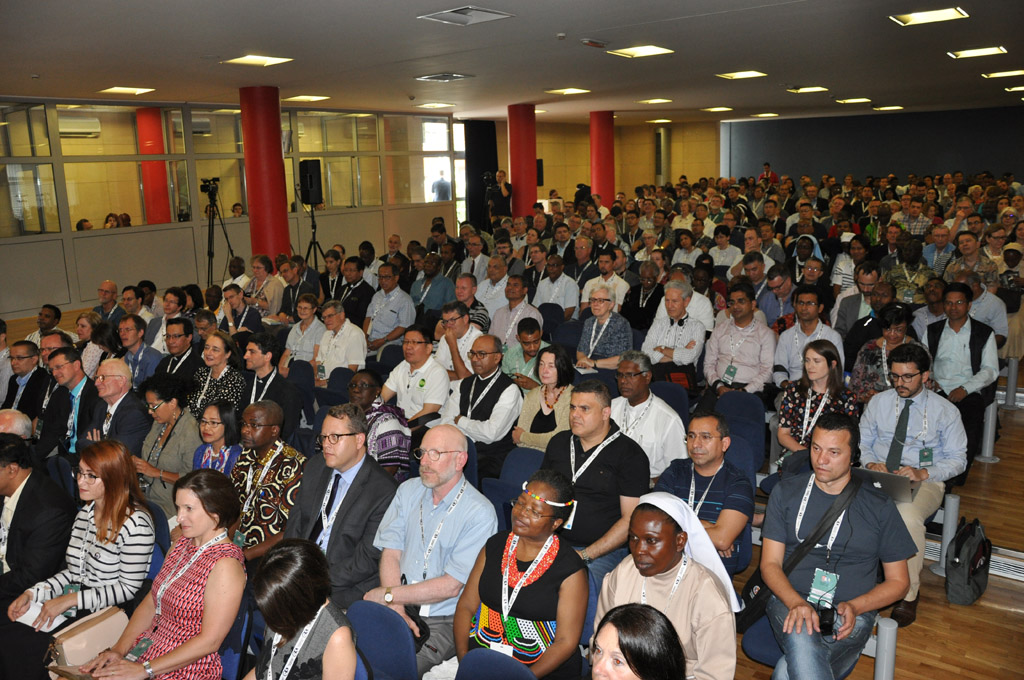
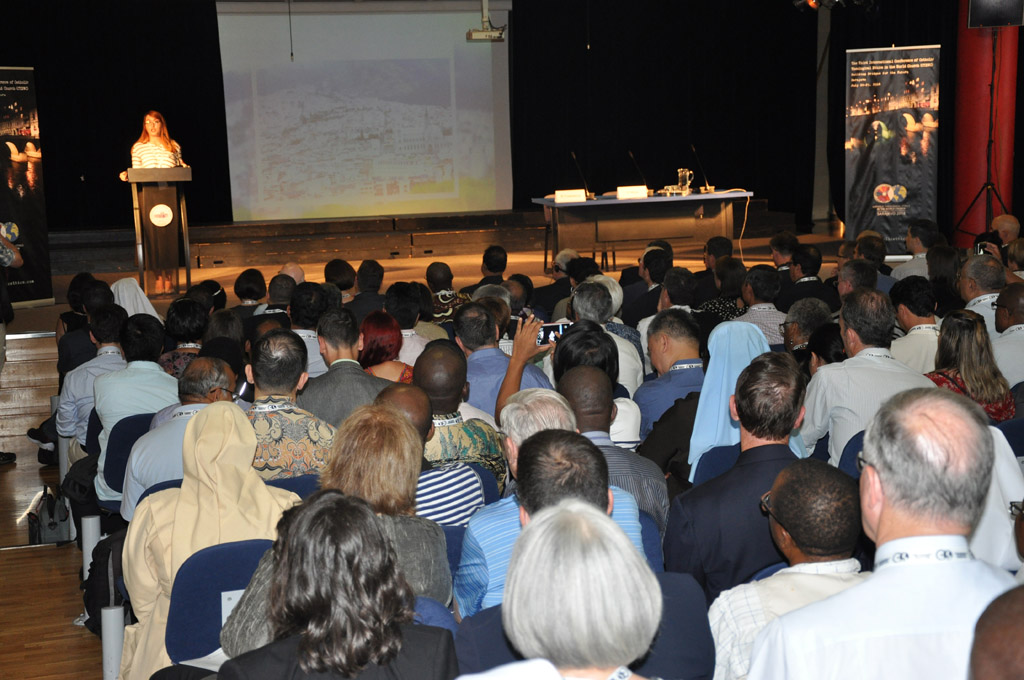
The three-day program consisted of 36 plenary sessions and more than 200 presentations. The conference also included discussions, reflections and the presentation of Sarajevo, which was done by the non-governmental organization Youth for Peace.
Among the exhibitors were some of the most eminent moral theologians in the world, such as Paul Schotsmans (who could not personally arrive but his presentation was read), from Leuven in Belgium; Linde Hogan from Dublinand Charles Curran from the South Methodist University of Dallas. The subject of one of the plenary sessions was the climate and political crisis, and of this, Mr Goerge Kodithottam spoke, theologian from India and Mary Yuen, professor of social ethics at Holy Spirit Seminary College in Hong Kong.
The other plenary exhibitors were: sister Alison Munro, Director of AIDS Bureau of Bichop’s conference of South Africa; Msgr. Francisco Niñ Sú, Assistant Secretary General of the Latin American Bishops' Conference, and Emmanuel Katongole from Uganda, currently active at the University of Notre Dame's Kroc Institute for International Peace Studies in Indiana.
Holy mass in English
On Saturday, July 28th, Holy Mass was celebrated in Sarajevo's Cathedral, which was supposed to be chaired by Archbishop of Chicago, cardinal Blase J. Cupich, but due to the canceled flight was prevented. So the solemn Eucharist was led by cardinal Peter K. Turkson, Prefect of Dicastery for Promoting Integrated Human Development, with the concelebration of Archbishop Puljić, Auxiliary Bishop of Vrhbosna Msgr. Pero Sudar and 70 other priests.
During Mass in English, pre prepared sermon of cardinal Cupicha was read by p. Keenen. The Archbishop of Chicago in his sermon first thanked the cardinal Puljić, because he hosted the participants of the conference in the cathedral, recalling the first Archbishop of Vrhbosna Josip Stadler who, as he noted, was born in Slavonski Brod as well as his grandfather Blase Cupich, who immigrated to the USA as an adolescent.
He wrote that he was honored by the fact that he could be part of the effort that the Catholic moral theologians made during the conference. “Ethics is known as a science that helps humankind to understand and be more authentic human (...) This conference is an opportunity to consider that God is present and found in the important work you do here, and every day as well”, wrote Archbishop Blase.
He went on and said that theologians came here to work together and take responsibility. “I hope this encourages you and offers you a new paradigm to continue your profession of moral theologians and especially to build it for the next generations and realize that God calls man to be more humane”, he said among other things in his readings.
The holy mass next day, July 29th, regular Sunday mass in English in the cathedral of Sacred Heart in Sarajevo, was lead by cardinal Cupich.
Building bridges is necessary
At the closing ceremony of the conference on July 29th, cardinal Turkson spoke, emphasizing building the bridges for peace, integral ecology and ethically refreshing story of hope.
The conference was financially supported by the Committee for help to the Church of Central and Eastern Europe of American Bishops 'Conference, the Jesuit Conference of the United States and Canada; Konrad Adenauer Stiftung; Misereor; Missio; Missio-Aachen; Renovabis and many other donors.
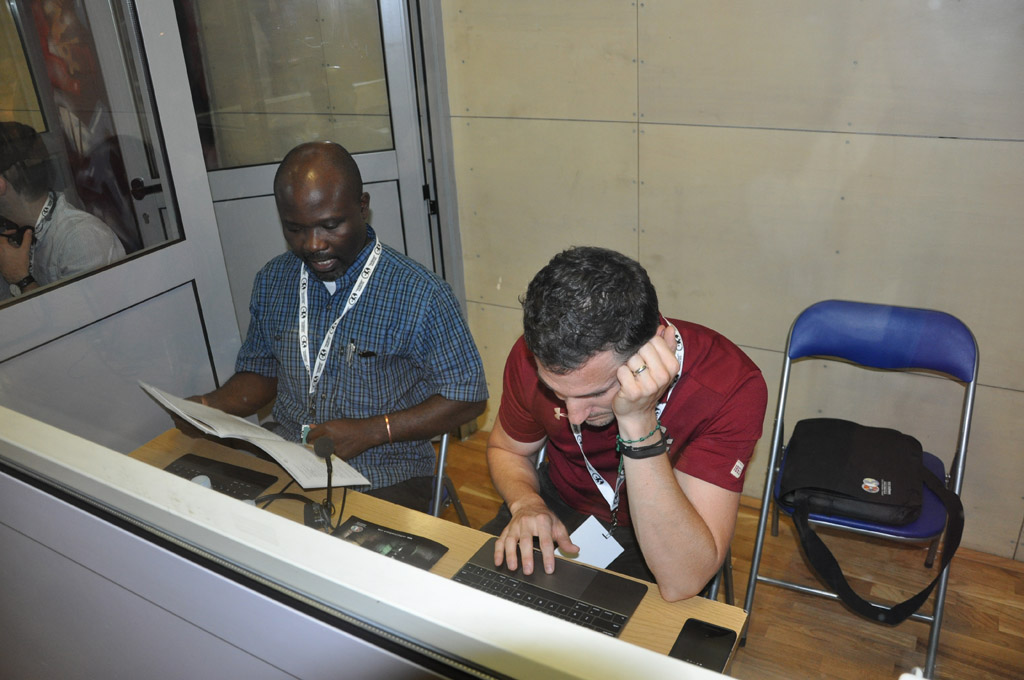
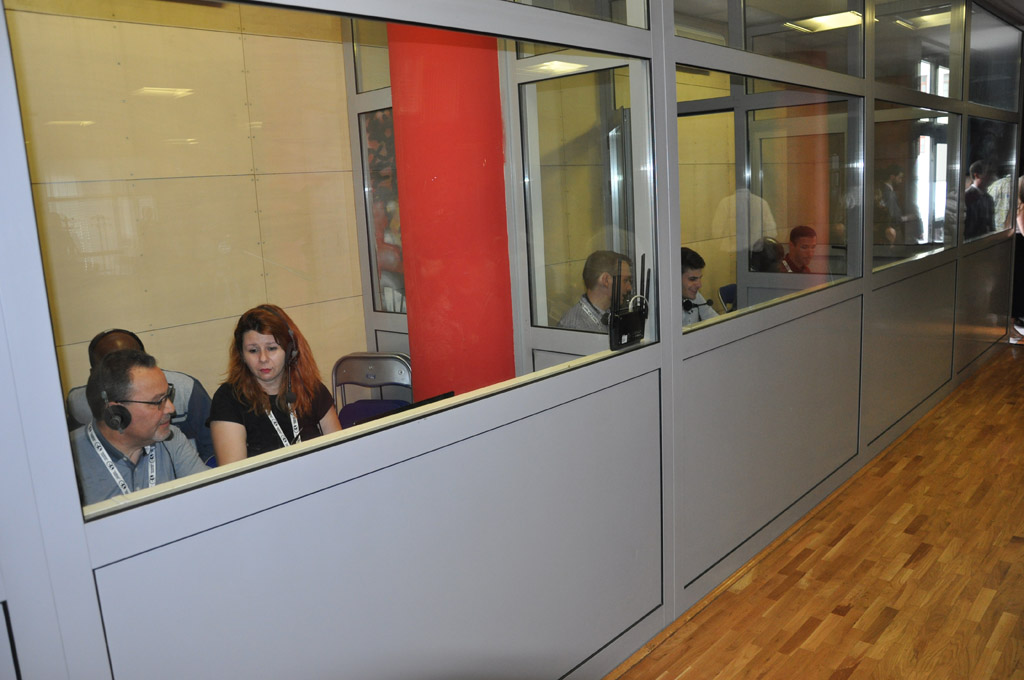
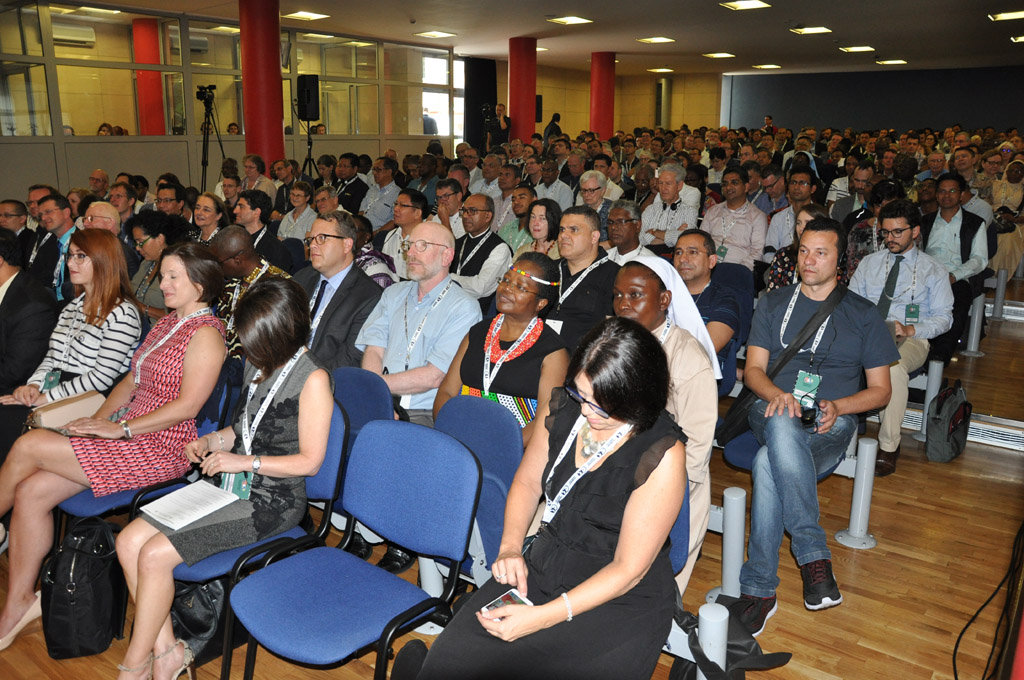
CTEWC had the first international conference in Padua in 2006. and the other in Trident 2010. After a series of regional conferences (Manila 2008, Bangalore 2012, Nairobi 2012, Berlin 2013, Krakow 2014, Bangalore 2015, and Bogota 2016), CTEWC has strengthened the network and therefore the third international conference wanted to promote “building bridges” in the world as something very necessary. Therefore, in Sarajevo, about 75% of participants were from “southern” hemisphere (underdeveloped south), and among the participants there were about 30% of women and about one-third of young people, including students at doctoral studies, regular students, and volunteers and translators.




.jpg&w=420&h=235&zc=1&hash=bfa7d2c3c6d2fc4282187f8a3ace1b12)
